
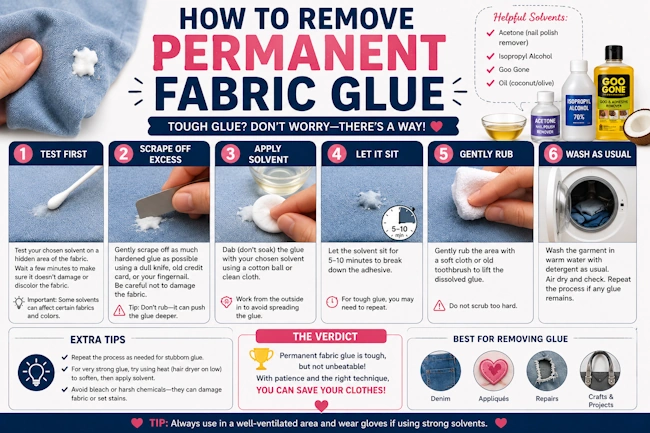
We’ve all been there: a DIY craft project gone wrong, a hem glued instead of sewn, or a permanent fabric glue spill on your favorite sweater. If you’re wondering how to remove permanent fabric glue without ruining your material, you’re in the right place. Unlike washable fabric glues that dissolve in water, permanent formulas are designed to bond tightly to fibers, making them far trickier to eliminate. But with the right tools and techniques, you can lift even the toughest glue stains from most fabrics safely. For future projects, refer to our guide to the best permanent fabric glue options to pick adhesives that balance strong hold and easier cleanup.
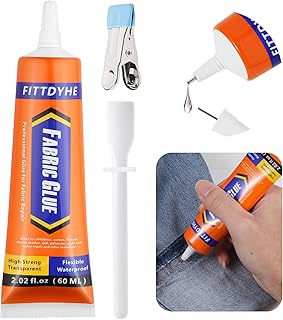
FITTDYHE Fabric Glue Permanent 60 ML
Check PriceWhat Makes Permanent Fabric Glue Different?
How Permanent Fabric Glue Works
Permanent fabric glue is formulated with industrial-strength polymers that penetrate fabric fibers, then cure to form a flexible, water-resistant bond. Most standard formulas use urethane, cyanoacrylate (super glue variants), or vinyl acetate copolymers that don’t break down when exposed to water, laundry detergent, or mild heat. This makes them ideal for repairing heavy fabrics like denim or canvas, attaching trims that can’t be sewn, or hemming garments where sewing would leave visible holes. But it also means you can’t just toss a glue-stained item in the wash and hope the stain disappears.
Common Types of Permanent Fabric Adhesives
Not all permanent fabric glues are created equal, and the type of adhesive you’re dealing with will determine which removal method works best. The three most common types include:
- Urethane-based glues: Flexible, waterproof, and often used for outdoor gear, leather, and heavyweight fabrics. These are the toughest to remove, as they bond deeply to fibers.
- Cyanoacrylate glues: Also known as super glue for fabric, these set instantly and form a hard, brittle bond. They’re easier to scrape off hard surfaces but can seep into porous fabrics.
- Vinyl acetate copolymer glues: Often labeled as “permanent fabric adhesive” for crafts, these are slightly more water-resistant than washable glues but break down faster with solvents than urethane formulas.
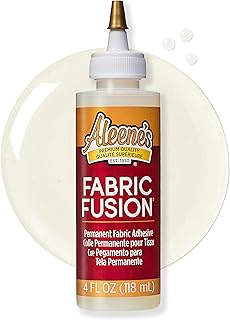
Aleene’s Fabric Fusion Glue 4 oz
Check PriceEssential Prep Steps Before You Start
Rushing into glue removal can lead to permanent fabric damage, including discolored spots, weakened fibers, or torn material. Follow these prep steps every time to protect your items:
Check Fabric Care Labels First
Always start by checking the garment’s care tag. Look for warnings like “do not use acetone,” “dry clean only,” or “do not iron.” Acetone, for example, will melt synthetic fabrics like polyester, spandex, or acetate, while heat methods can scorch delicate silk or lace. If the item is labeled dry clean only, skip home removal methods and take it to a professional cleaner immediately — tell them exactly what type of glue was spilled to get the best results.
Test Your Removal Method in an Inconspicuous Spot
Even if a removal method is safe for most fabrics, it may react poorly with dyed or treated materials. Test your chosen solvent or cleaner on a hidden area of the fabric, like an inside hem or the back of a cushion. Wait 10 minutes after applying the test solution to check for discoloration, fiber damage, or texture changes. If any of these occur, switch to a gentler method. Always follow verified fabric stain removal advice from The Spruce to avoid accidental damage to specialty materials.
Gather Your Supplies
Most removal methods use common household items, but you may need to pick up a few specialty products for tough stains. Here’s a checklist of supplies to have on hand:
- Isopropyl alcohol (70% or higher)
- Acetone-based nail polish remover (pure acetone works best, avoid formulas with moisturizers or dye)
- White vinegar, mild dish soap, warm water
- Citrus-based solvent or commercial glue remover (like Goo Gone for Fabric)
- Clean white cloths or paper towels (avoid colored cloths that may bleed dye)
- Dull butter knife or plastic scraper
- Iron and pressing cloth
- Enzyme-based laundry detergent

Tear Mender Instant Fabric and Leather Adhesive, 2 oz Bottle
Check Price7 Proven Methods to Remove Permanent Fabric Glue
Method 1: Isopropyl (Rubbing) Alcohol
Rubbing alcohol is the safest first line of defense for most fabrics, as it breaks down the polymers in most permanent glues without damaging most fibers. It works best on urethane and vinyl acetate copolymer glues.
Step-by-step:
- Scrape off any excess dried glue with a dull plastic scraper or butter knife. Be gentle to avoid pulling fabric fibers.
- Dampen a clean white cloth with 70% or higher isopropyl alcohol. Do not soak the fabric — you want the cloth damp, not dripping.
- Blot the glue stain from the outside in, to avoid spreading the glue to clean areas of the fabric. Do not rub, as this pushes the glue deeper into fibers.
- Continue blotting with fresh sections of the cloth until no more glue transfers to the cloth.
- Once the glue is lifted, wash the item in cold water with mild detergent, then air dry. Do not put the item in the dryer until you confirm the stain is fully gone, as heat will set any remaining glue.
Method 2: Acetone (Nail Polish Remover)
Acetone is stronger than rubbing alcohol and works well on cyanoacrylate (super glue) stains and tough urethane glues. However, it will melt synthetic fabrics, so only use this method on 100% cotton, linen, wool, or denim that has been tested for colorfastness.
- Scrape off excess dried glue first.
- Apply a small amount of pure acetone to a cotton ball or white cloth.
- Blot the stain gently, turning the cloth frequently to avoid re-depositing glue on the fabric.
- Rinse the area thoroughly with cold water as soon as the glue lifts, to remove all acetone residue.
- Wash as usual, air dry.
Method 3: White Vinegar and Dish Soap
This gentle, non-toxic method is ideal for delicate fabrics, children’s clothes, or items where you want to avoid harsh chemicals. It works best on fresh glue stains, but can break down older stains with repeated applications.
- Mix 1 part white vinegar, 1 part mild dish soap, and 2 parts warm water in a small bowl.
- Dip a clean cloth into the solution, wring out excess liquid.
- Blot the glue stain repeatedly for 5-10 minutes, reapplying the solution as the cloth dries.
- Rinse the area with cold water, then launder as usual.
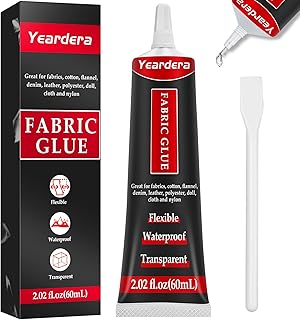
Yeardera Fabric Glue Permanent
Check PriceMethod 4: Commercial Glue Removers
For tough, set-in stains on heavy fabrics, commercial fabric glue removers like Goo Gone Fabric Glue Remover or 3M Adhesive Remover are formulated specifically to break down permanent fabric adhesives without damaging material. Always follow the manufacturer’s instructions, as dwell times vary by product. Most require letting the remover sit on the stain for 5-10 minutes before blotting and washing.
Method 5: Heat and Scrape (Iron Method)
This method works by melting the glue slightly, then transferring it to a clean cloth. It’s best for hard, brittle cyanoacrylate glues on sturdy fabrics like denim, canvas, or upholstery. Never use this method on delicate or synthetic fabrics.
- Place a clean white cloth or piece of parchment paper under the stained area of the fabric, to catch melting glue.
- Place another clean white cloth on top of the glue stain.
- Set your iron to low or medium heat (no steam), and press the iron onto the top cloth for 10-15 seconds at a time. Do not slide the iron, as this can spread the glue.
- Check the top cloth — if glue has transferred to it, move to a clean section of the cloth and repeat. Continue until no more glue transfers.
- Scrape any remaining softened glue with a dull scraper, then wash the item.
Method 6: Citrus-Based Solvents
Citrus solvents like orange oil or lemon-based removers are a natural alternative to harsh chemicals. They break down glue polymers slowly, making them safe for most colored fabrics and delicate materials. Apply the solvent to the stain, let sit for 15-20 minutes, then blot and wash. Reapply if the stain persists.
Method 7: Enzyme-Based Laundry Detergent
Enzyme detergents are designed to break down organic and synthetic polymers, making them effective for older, set-in glue stains. Apply a small amount of undiluted enzyme detergent directly to the stain, rub gently into the fabric, then let sit for 30 minutes to 1 hour. Wash in cold water, check the stain before drying. Repeat if needed.
How to Remove Permanent Fabric Glue From Specific Materials
Delicate Fabrics (Silk, Chiffon, Lace)
Delicate fabrics have thin, easily damaged fibers, so avoid acetone, heat, and harsh scrapers. Stick to the white vinegar and dish soap method, or citrus-based solvents. For silk or chiffon, blot the stain very gently, and avoid saturating the fabric with liquid. If the stain is large or set in, take the item to a professional dry cleaner. For tips on lifting water-soluble glue spills, check out our step-by-step guide for removing standard fabric glue from garments.
Heavy Fabrics (Denim, Canvas, Leather)
Heavy, durable fabrics can handle stronger removal methods. Acetone, rubbing alcohol, and the iron method all work well for denim and canvas. For leather, avoid acetone and heat, as these can dry out or crack the material. Use rubbing alcohol or citrus-based solvents for leather glue stains, and condition the leather after cleaning to restore moisture.
Upholstery and Home Decor Fabric
Upholstery fabric is often treated with stain repellents, so test all methods in a hidden area first. For removable cushion covers, take the cover off and treat the stain as you would regular clothing. For fixed upholstery, use minimal liquid to avoid soaking the foam padding, which can lead to mold. Blot the stain with rubbing alcohol or commercial remover, then use a wet/dry vacuum to remove excess moisture.
Common Mistakes to Avoid
Even with the right methods, simple mistakes can ruin your fabric. Avoid these common errors:
- Rubbing the stain: Rubbing pushes glue deeper into fibers, making it harder to remove. Always blot from the outside in.
- Using hot water: Hot water can set permanent glue stains, making them impossible to remove. Always use cold or lukewarm water for rinsing and washing.
- Putting the item in the dryer too soon: Heat from the dryer will set any remaining glue. Always air dry first, and check the stain is fully gone before machine drying.
- Using colored cloths: Colored cloths may bleed dye onto your fabric when damp. Always use white cloths or paper towels.
- Skipping the patch test: Even safe methods can react poorly with dyed or treated fabrics. Never skip testing in an inconspicuous spot.
Frequently Asked Questions
Can you remove permanent fabric glue from dry clean only clothes?
We do not recommend trying home removal methods on dry clean only items. The solvents or heat required to remove permanent glue can damage delicate fibers or melt interfacing. Take the item to a professional dry cleaner immediately, and tell them the exact type of glue spilled.
Will permanent fabric glue come off in the wash?
No, permanent fabric glue is designed to be water-resistant, so it will not break down in the wash. You need to use a solvent or targeted method to break down the glue polymer before washing.
How long does it take to remove permanent fabric glue?
Fresh glue stains can be removed in 15-30 minutes. Set-in stains may require multiple applications of solvent over several hours, or repeated washing with enzyme detergent. Be patient — rushing the process can damage your fabric.
Can I use nail polish remover on all fabrics?
No, nail polish remover (acetone) will melt synthetic fabrics like polyester, spandex, and acetate. Only use acetone on natural fibers like cotton, linen, or wool that have been tested for colorfastness.
Conclusion
Removing permanent fabric glue takes patience, but it’s far from impossible. Start with the gentlest method (rubbing alcohol or vinegar solution) first, and work your way up to stronger solvents only if needed. Always test your method in a hidden spot, blot instead of rubbing, and air dry your item before checking if the stain is fully gone. For future projects, choose the right adhesive for your material — refer back to our guide to the best permanent fabric glue options to avoid tough cleanups down the line. If you’re dealing with a delicate or expensive item, don’t hesitate to take it to a professional cleaner to avoid accidental damage.
