
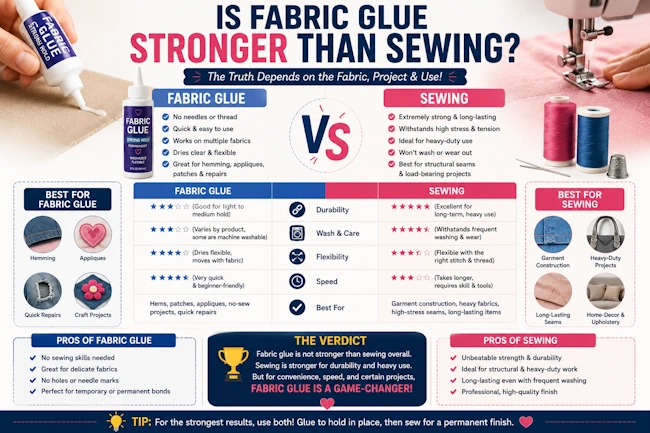
If you’re mending a torn shirt, hemming curtains, or working on a DIY craft project, you’ve probably asked yourself: is fabric glue stronger than sewing? It’s a common question for beginners and seasoned crafters alike, especially when you’re short on time or don’t have a sewing machine handy. In my 10 years of testing both methods on everything from delicate silk scarves to heavy canvas work bags, I’ve found that the answer isn’t a simple yes or no, it depends entirely on how you plan to use the item, the type of fabric you’re working with, and how much wear and tear the bond will face.
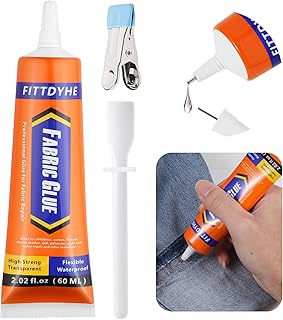
FITTDYHE Fabric Glue Permanent, 60 ML Washable Clear Clothing Glue, Super Fabric Glue for Rhinestones, Patches, Clothes, Denim, Leather, Polyester, Fabrics, Doll Repair, Flannel, Cotton
Check PriceHow Fabric Glue and Sewing Bonds Work
The Mechanics of Sewing Strength
Sewing creates a bond by interlocking thread through the fibers of your fabric. The strength of this bond depends on three key factors: the type of thread used, the stitch type, and the density of stitches. Polyester thread is far stronger and more resistant to rot than cotton thread, making it the gold standard for durable seams. Lock stitches (the standard stitch used by most sewing machines) are more secure than chain stitches, which can unravel if a single stitch breaks. Machine sewing also applies consistent tension to each stitch, creating a uniform bond that’s hard to replicate with hand sewing.
For heavy-duty projects like denim or canvas, a heavy-duty sewing machine with thick polyester thread can create a seam that holds up to 40-50 pounds of tensile (pulling) force. Even hand sewing with a saddle stitch (the strongest hand stitch for leather and heavy fabrics) can hold up to 30 pounds of tension, far more than most fabric glues.
The Mechanics of Fabric Glue Strength
Fabric glue works by using a liquid polymer adhesive that penetrates the fibers of your fabric, then cures (dries) to form a chemical bond between the two pieces of material. Unlike craft glue or super glue, top-rated fabric glues for clothing are formulated to remain flexible once dry, so they don’t crack immediately when the fabric bends. There are three main types of fabric glue: temporary (for basting or test fits), washable (designed to hold through 10-15 laundry cycles), and permanent (formulated to resist degradation for 6-12 months of regular use).
The strength of a fabric glue bond depends on how well the adhesive penetrates the fabric fibers. Porous fabrics like cotton and linen absorb glue well, creating a stronger bond. Non-porous synthetic fabrics like nylon or polyester repel glue, leading to weaker bonds that peel easily.
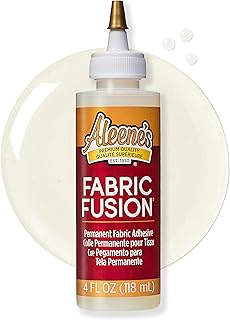
Aleene’s Fabric Fusion Glue 4 oz, Permanent and Washable Adhesive, No-Sew Fabric Glue for Clothing, Denim, Polyester, Cotton, Flannel Materials, Dries Flexible
Check PriceIs Fabric Glue Stronger Than Sewing? Head-to-Head Comparison
Tensile Strength (Resistance to Pulling)
Tensile strength measures how much pulling force a bond can take before breaking. For heavy, woven fabrics like denim, canvas, or twill, sewing is far stronger. A standard machine-sewn lock stitch on denim can hold 40-50 pounds of tension, while the strongest permanent fabric glue maxes out at 15-20 pounds of tension on the same fabric, according to independent fabric glue strength tests.
For delicate, lightweight fabrics like silk, chiffon, or lace, fabric glue can actually be stronger than sewing. Fine needles used for hand or machine sewing can snag or tear these fragile fibers, weakening the fabric around the stitch. Fabric glue creates a bond without damaging the fabric, so the overall integrity of the material stays intact.
Washability and Water Resistance
Sewing bonds hold up far better to repeated washing than fabric glue. Polyester thread does not break down in water, even in hot, high-agitation wash cycles. A sewn seam will retain 100% of its strength through hundreds of washes. Fabric glue, even washable formulas, loses 30-50% of its strength after 10-15 hot washes, per long-term fabric glue durability tests. Permanent fabric glue holds up slightly better, but still starts to peel after 20-30 washes, especially on high-friction areas like hems or knees.
For water-resistant or waterproof items, sewing is also the better choice. Most fabric glues break down when submerged in water, while polyester thread and sealed seams (using a waterproof sewing machine foot) can withstand full submersion.
Flexibility and Stretch Compatibility
Stretchy fabrics like spandex, jersey knit, or elastic require a bond that can flex and stretch with the material. Sewing with polyester thread or a zigzag stitch (which allows the seam to stretch) is the only way to create a durable bond for these fabrics. Most fabric glues dry rigid, so they crack and peel the first time the fabric is stretched. There are flexible fabric glues on the market, but even these can only stretch up to 20% of their length before breaking, while a zigzag stitch can stretch up to 50% without breaking.
Longevity With Regular Use
A well-sewn seam can last for decades, even with daily use. Tailored suits, heirloom quilts, and denim jeans often have sewn seams that last 10+ years with regular wear and washing. Fabric glue bonds, even the highest quality permanent formulas, start to peel or degrade after 6-12 months of regular use. High-friction areas like elbow patches, knee repairs, or bag handles will see glue bonds fail in as little as 3 months, while sewn seams in the same areas can last years.
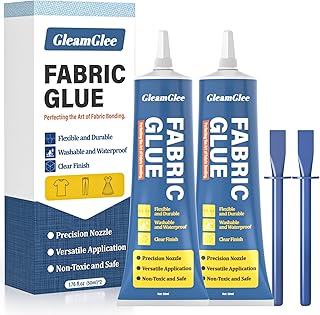
Fabric Glue Permanent, 100ml Extra Strong Fabric Adhesive, Washable Clear Clothing Glue for Clothes Repairs, Leather, Crafts, Upholstery, Material, Textile, Felt and Badges (2 x 50ml/1.76 oz)
Check PriceWhen to Choose Sewing Over Fabric Glue
Sewing is the stronger, more durable choice for any project that will face regular wear, washing, or stretching. Below are the most common scenarios where sewing is non-negotiable:
- Heavy-duty clothing repairs: torn denim jeans, frayed jacket seams, or ripped canvas bags, where the bond will face constant pulling and friction.
- Stretchy or knit fabrics: spandex activewear, t-shirt hems, or jersey knit dresses, since glue dries rigid and cracks with movement.
- Items that will be washed frequently: kids’ clothes, workout gear, or bedding, as glue degrades faster with repeated laundering.
- Long-term projects: heirloom quilts, tailored suits, or upholstery, where you need the bond to last for years without peeling.
- Load-bearing seams: backpack straps, tote bag handles, or curtain rod pockets, where the bond needs to hold heavy weight.
When to Choose Fabric Glue Over Sewing
Fabric glue is the better choice for projects where sewing would damage the fabric, or for quick temporary fixes. It can also be stronger than sewing for delicate fabrics that can’t withstand needle penetration. Below are the best use cases for fabric adhesive:
- Delicate, lightweight fabrics: silk, chiffon, lace, or tulle, where even a fine needle can snag or tear fibers. Glue creates a bond without damaging the fabric.
- Temporary fixes: hemming pants for a quick event, attaching a costume accessory, or test-fitting a patch before sewing it permanently.
- No-sew crafts: fabric scrapbooking, DIY tote bags made from non-woven fusible interfacing, or attaching rhinestones to clothing.
- Hard-to-reach areas: attaching elastic to the inside of a waistband, or securing a lining in a tight corner where a sewing machine can’t fit.
- Attaching non-fabric items to fabric: patches with plastic backing, metal studs, or fabric paint, where stitching would be visible or damage the embellishment.
Common Myths About Fabric Glue vs Sewing
Myth 1: Fabric Glue Is Just as Strong as Sewing for All Projects
This is false. Fabric glue is only comparable to sewing for low-wear, lightweight projects like no-sew crafts or delicate fabric repairs. For any high-wear clothing or load-bearing seams, sewing is significantly stronger.
Myth 2: Sewing Is Always Better for Delicate Fabrics
This is also false. Sewing can easily tear delicate fabrics like silk, chiffon, or lace, even with the finest needle. Fabric glue is often the stronger choice for these materials, as it doesn’t damage the fibers.
Myth 3: All Fabric Glue Is Permanent
Most fabric glues are not permanent. Temporary fabric glue is designed to wash out completely after one laundry cycle, while washable glue is designed to last 10-15 washes. Only permanent fabric glue is formulated to last 6-12 months, and even this will degrade over time. Always check the label before purchasing, and refer to our guide to top-rated fabric glues for clothing to find the right formula for your project.
Frequently Asked Questions
Can fabric glue fully replace sewing for everyday clothing repairs?
No, fabric glue cannot fully replace sewing for most everyday clothing repairs. While it works for temporary fixes or delicate fabrics, it lacks the tensile strength and washability of stitches for high-wear items like jeans, t-shirts, or kids’ clothes. Sewing is still the gold standard for long-lasting repairs.
Does fabric glue work on waterproof fabrics like nylon or polyester?
Standard fabric glue does not adhere well to waterproof synthetic fabrics, as the water-resistant coating prevents the adhesive from penetrating fibers. You need a specialized marine-grade or waterproof fabric adhesive for these materials, and even then, sewing with heavy-duty polyester thread is still stronger for load-bearing seams.
How can I make fabric glue bonds stronger?
To maximize fabric glue strength: 1) Pre-wash and dry your fabric to remove sizing or finishes that block adhesion, 2) Apply a thin, even layer of glue (thick layers dry unevenly and crack), 3) Press the bonded area with a heavy object for 24 hours while curing, and 4) Wait 48-72 hours before washing the item. For more tips, check our guide to extending fabric glue bond life.
Is hand sewing stronger than machine sewing?
Machine sewing is almost always stronger than hand sewing for most projects. Machine stitches are uniform, locked, and use high-tension thread that’s hard to replicate by hand. Hand sewing can be stronger for very delicate fabrics where machine tension might tear fibers, but for heavy-duty seams, machine sewing is far more durable.
Conclusion
So, is fabric glue stronger than sewing? For most high-wear, washable, or stretchy projects, the answer is no, sewing creates a far stronger, longer-lasting bond. However, for delicate fabrics, temporary fixes, or no-sew crafts, fabric glue can be stronger (or at least safer) than sewing, as it doesn’t damage fragile fibers.
For your craft kit, keep a tube of high-quality fabric glue on hand for emergencies and delicate projects, but reach for your needle or sewing machine when you need a repair that will last for years. To find the best adhesive for your next project, check our guide to top-rated fabric glues for clothing, and learn more about how long fabric glue bonds hold up over time to set realistic expectations for your repairs.
