
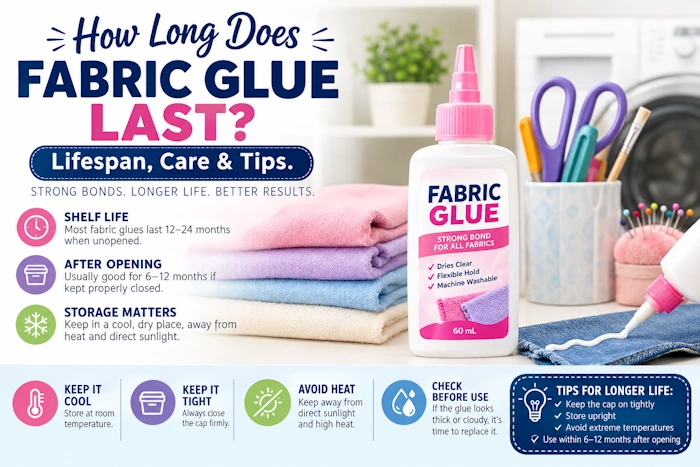
If you’ve ever fixed a torn hem, attached a decorative patch, or hemmed a pair of curtains in a rush, you’ve probably asked: how long does fabric glue last? The answer isn’t a simple one-size-fits-all number, as lifespan depends entirely on the type of glue you use, the fabric you’re bonding, and how you care for the finished item. Below, we break down typical lifespans for every common type of fabric adhesive, the factors that make bonds fail early, and actionable tips to extend hold time for all your repairs.
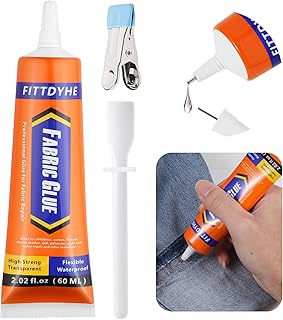
FITTDYHE Fabric Glue Permanent, 60 ML Washable Clear Clothing Glue, Super Fabric Glue for Rhinestones, Patches, Clothes, Denim, Leather, Polyester, Fabrics, Doll Repair, Flannel, Cotton
Check PriceAverage Fabric Glue Lifespan by Type
Permanent Fabric Glue
Permanent fabric glue is designed for long-term, non-washable repairs on heavy, durable fabrics like denim, canvas, upholstery, and wool. When applied correctly to a low-stress area (like a decorative patch on a jacket back), it can last 6 to 12 months with regular weekly wear. For items worn infrequently, such as seasonal throw pillows, winter coats, or formal wear, permanent bonds can last up to 2 full years without failing. Popular permanent formulas like Dritz Permanent Fabric Glue and Beacon Fabri-Tac consistently outlast budget craft store alternatives, which often peel or lift within 3 months of use. For a full breakdown of top-performing options, check out our guide to top-rated fabric glues for apparel.
Washable Fabric Glue
Washable fabric glue is formulated to flex with fabric fibers during laundering, resisting breakdown when exposed to water, detergent, and gentle agitation. For everyday items like kids’ t-shirts, workout gear, or school uniforms that are washed weekly, high-quality washable glue typically lasts 3 to 6 months before bonds start to peel or lift. If you wash the item infrequently (once a month or less), the bond can last up to a full year. Avoid using bargain washable glues for regularly laundered items—these budget options often wash out completely after just 1 to 2 cycles, leaving you with a failed repair. For tested washable formulas, read our review of washable fabric adhesive options.
Temporary Fabric Glue
Temporary fabric glue, often called basting glue, is designed to hold fabric in place while you sew, then wash out completely once permanent stitching is added. It has an intentionally short lifespan on fabric: it will start to lose tack after 1 to 2 weeks of wear, and will dissolve completely after 1 to 3 gentle washes. Never use temporary glue for permanent repairs—it is not formulated to form long-lasting bonds, and will fail quickly if exposed to moisture, friction, or heat.
Industrial Strength Fabric Glue
Industrial-strength fabric glue is made for heavy-duty, high-stress applications like repairing outdoor gear, upholstery, shoes, and camping equipment. These formulas are waterproof, UV-resistant, and designed to withstand extreme wear, temperature changes, and moisture exposure. A properly applied industrial glue bond can last 2 to 5 years, even on items used daily outdoors. For example, a patch glued to a camping backpack with industrial adhesive can survive multiple camping seasons, heavy rain, and rough use without failing.
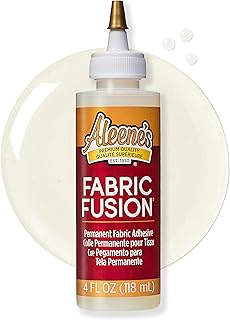
Aleene’s Fabric Fusion Glue 4 oz, Permanent and Washable Adhesive, No-Sew Fabric Glue for Clothing, Denim, Polyester, Cotton, Flannel Materials, Dries Flexible
Check PriceFactors That Shorten Fabric Glue Lifespan
Even the highest-quality fabric glue will fail early if exposed to the wrong conditions. These are the most common factors that reduce bond lifespan:
- Fabric porosity: Porous natural fabrics like cotton, linen, and wool absorb adhesive into their fibers, creating a stronger, longer-lasting bond. Smooth synthetic fabrics like polyester, nylon, and spandex repel water-based glues, leading to weaker bonds that peel off within weeks. If you’re gluing synthetic fabric, look for a glue specifically formulated for synthetics, or lightly sand the area with fine-grit sandpaper to create texture for the glue to grip.
- Laundering habits: Hot water (above 140°F) breaks down the chemical bonds in most fabric glues, causing repairs to fail after just a few washes. Harsh detergents with bleach or fabric softeners also degrade adhesive faster. Washing bonded items in cold water (60°F or lower) with a gentle, bleach-free detergent can extend glue lifespan by 30 to 50%. High-heat drying is even more damaging than hot washing—always air dry glued items flat, avoiding direct sunlight which can also break down adhesive.
- Wear and tear: High-friction areas like knee hems on jeans, elbows on sweaters, or collar edges on shirts will cause glue bonds to fail much faster than low-stress areas. A patch glued to the back of a denim jacket may last a year, while a hem glued on kids’ play pants may fail within a month. For high-friction repairs, sewing is almost always a better option than glue.
- Storage before use: Unopened fabric glue has a shelf life of 1 to 2 years from the date of manufacture, printed on the bottom or back of the bottle. Store unopened glue in a cool, dry place away from direct sunlight—avoid leaving it in a hot garage or car, as high temperatures will cause the glue to thicken or separate before you even open it. Once opened, fabric glue degrades quickly as air enters the bottle and dries out the formula. Opened glue is best used within 6 to 12 months, even if it looks okay. Tightly seal the bottle after every use, and wipe the nozzle clean to prevent clogs.
- Application thickness: Applying too little glue leaves gaps in the bond, leading to weak spots that fail within weeks. Too much glue seeps through the fabric, creating a stiff, cracked layer that peels off after 1 to 2 months of wear. The best practice is to apply a thin, even layer to both surfaces being bonded, then press firmly for 30 seconds to ensure full contact.
How to Make Fabric Glue Last Longer
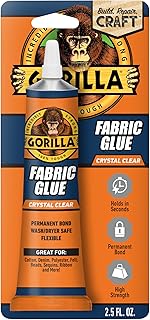
Gorilla Waterproof Fabric Glue 2.5 Ounce Tube, Clear, (Pack of 1)
Check PricePrep Fabric Properly
Always prewash and dry fabric before applying glue, even if it’s brand new. New fabric often has sizing (a chemical coating) that prevents glue from adhering properly. Washing removes sizing, oils from your hands, and dirt that can weaken the bond. Iron the fabric smooth before applying glue to eliminate wrinkles that can create air gaps between the glue and fabric. For synthetic fabrics, wipe the area with rubbing alcohol to remove oils that repel adhesive.
Apply Glue Correctly
Read the manufacturer’s instructions carefully—different glues have different dry times. Most fabric glues need 1 to 2 hours to set, and 24 hours to fully cure. Don’t wear or wash the item before the full cure time is up, or the bond will be weak. Apply glue in a well-ventilated area, and use a small brush or toothpick to spread it evenly for small repairs. As expert fabric adhesive guidance from Threads Magazine recommends, always test glue on a scrap piece of the same fabric first to check for color bleeding, stiffness, or weak bonds.
Care for Bonded Items Properly
Turn bonded items inside out when washing to protect the glue from direct contact with detergent and agitator friction. Use a gentle cycle, and avoid overloading the washing machine, which can cause items to rub together and loosen bonds. Never iron directly over glued areas—high heat melts most fabric glues, ruining the repair and potentially damaging your iron. If you need to iron the item, place a pressing cloth over the glued area and use the lowest heat setting.
Fabric Glue vs. Sewing: Which Lasts Longer?
Sewing creates a physical bond between fabric layers using thread, which is far more durable than any adhesive. A properly sewn hem on a pair of jeans can last 5 to 10 years with regular wear, while a glued hem may fail within 6 months. Sewing is also better for stretchy fabrics like spandex or knits, as glue can crack when the fabric stretches. Fabric glue is best reserved for quick temporary fixes, delicate fabrics that can’t be sewn without damage (like lace or sheer chiffon), or attaching non-fabric items like patches, rhinestones, or ribbons to fabric. For any repair you want to last more than a year, sewing is the only reliable option.
Frequently Asked Questions
Can fabric glue last through multiple washes?
Yes, high-quality washable fabric glue can survive 10 to 20 regular washes before bonds start to weaken. Look for glues labeled “machine washable” or “permanent washable” for the best results. Cheap craft glues not specifically formulated for fabric often wash out completely after 1 to 2 cycles, so always check the label before purchasing. For items you plan to wash weekly, reapply glue every 3 to 6 months to maintain the bond.
Does fabric glue expire if unopened?
Unopened fabric glue typically has a shelf life of 1 to 2 years from the manufacture date, which is printed as a batch code or expiration date on the bottle. Store unopened glue in a cool, dark place like a closet or drawer—avoid bathrooms, which are humid, or garages, which get too hot or cold. Once opened, air enters the bottle and starts to cure the glue, even if the cap is tight. Opened glue is best used within 6 to 12 months, after which it will start to thicken, clump, or separate. If unopened glue is past its expiration date, it may still be usable if it looks and smells normal, but it will not form as strong a bond as fresh glue.
Can I use fabric glue on outdoor gear?
Only use industrial-strength, waterproof fabric glue for outdoor items like tents, rain jackets, backpacks, or camping chairs. Regular fabric glue is water-based and will dissolve completely when exposed to rain or dew. Industrial formulas are solvent-based, waterproof, and UV-resistant, so they can withstand extreme weather. For example, a rip in a tent repaired with industrial glue can last an entire camping season, while regular glue will fail the first time it gets wet. Always check the glue label to ensure it is rated for outdoor use.
How do I know if fabric glue has gone bad?
Bad fabric glue has several telltale signs: it will be clumpy or separated, with a thick layer of dried glue on top. It may have a strong, sour chemical smell, different from the mild smell of fresh glue. When you try to apply it, it may not spread smoothly, or it may dry cloudy, yellowed, or flaky instead of clear. If you notice any of these signs, discard the glue immediately—using bad glue will result in a failed repair that you’ll have to redo. To avoid wasting glue, only buy small bottles that you can use within 6 months of opening.
Conclusion
Fabric glue is a handy tool for sewers and DIYers, but its lifespan is far shorter than sewing for permanent repairs. When used correctly, high-quality fabric glue can last anywhere from a few weeks for temporary basting to 5 years for industrial outdoor repairs. To get the most out of your fabric adhesive, choose the right type for your project: permanent glue for heavy indoor repairs, washable glue for kids’ clothes or regularly laundered items, and industrial glue for outdoor gear. Follow our care tips to extend bond life, and always test glue on a scrap fabric first. For more options, check out our guide to top-rated fabric glues for apparel, or if you need a formula that survives laundering, our list of washable fabric adhesive options has tested recommendations for every budget. Remember: fabric glue is a quick fix, not a permanent solution. For repairs you want to last for years, reach for your sewing machine instead.
