
Gorilla Glue is widely known as one of the strongest adhesives on the market, leading many people to believe it can bond almost anything, including fabric. However, this assumption often leads to confusion. While it performs exceptionally well on materials like wood, metal, ceramic, and plastic, fabric behaves very differently because it is soft, flexible, and highly absorbent.
People often reach for this adhesive when dealing with quick fixes such as repairing torn clothes, attaching patches, fixing bags, or working on DIY craft projects. But not all glues are suitable for fabric, and using the wrong type can result in stiffness, damage, or even ruin the material completely.
Can You Use Gorilla Glue on Fabric? In this detailed guide, you’ll learn whether it truly works, what happens when you apply it to fabric, when it might be safe to use, and which alternatives offer better flexibility and long-lasting results.
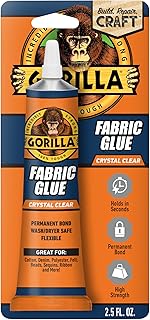
Gorilla Waterproof Fabric Glue 2.5 Ounce Tube, Clear, (Pack of 1)
Check PriceWhat Gorilla Glue Actually Is and How It Bonds with Different Materials
Gorilla Glue is a polyurethane-based adhesive. This means it reacts with moisture in the air or surface to expand and form a very strong bond. When used on hard surfaces like wood or metal, this expansion helps fill gaps and create a durable connection.
On solid materials, this property is an advantage. But fabric is not a solid surface. It is made of woven fibers with gaps, flexibility, and movement. When Gorilla Glue expands inside fabric fibers, it can spread unpredictably and harden the material.
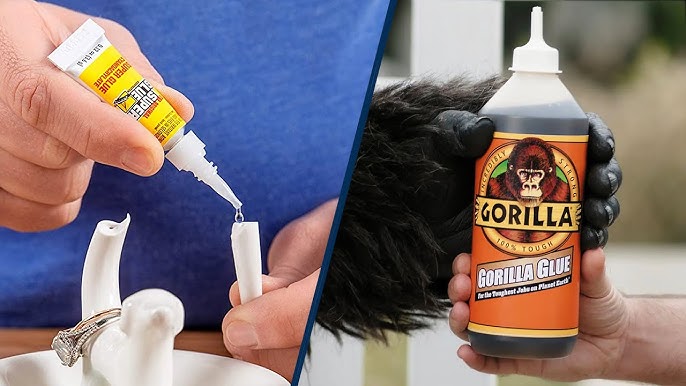
Another important point is that Gorilla Glue dries into a rigid structure. This is perfect for construction-type bonding but not ideal for anything that needs softness or flexibility, like clothing.
So while the glue is extremely strong, its strength becomes a problem when used on soft, wearable materials.
Can You Actually Use Gorilla Glue on Fabric and What Really Happens
Yes, Gorilla Glue can technically stick to fabric, but that does not mean it is suitable for fabric use.
When applied to fabric, the glue soaks into the fibers and then expands as it cures. This leads to several effects:
First, the fabric becomes stiff and hard in the glued area. Instead of staying soft and flexible, it turns into a rigid patch.
Second, the glue may spread beyond the intended area because it expands. This can create visible stains or hardened spots on clothing.
Third, once it fully cures, it becomes extremely difficult to remove. Unlike fabric glue or washable adhesives, Gorilla Glue forms a permanent bond.
So while it does “work” in terms of sticking, it does not work well for maintaining fabric quality or comfort.
Gorilla Fabric Glue, 100% Waterproof, No Sew Solution, Washer/Dryer Safe, Permanent Bond
Check PriceAdvantages of Using Gorilla Glue on Fabric in Specific Situations
Even though it is not ideal for clothing, there are some situations where Gorilla Glue can be useful for fabric-related tasks.
One advantage is its extremely strong bonding power. If you need to attach fabric to non-flexible surfaces like wood, plastic, or metal, it can hold very firmly.
It is also water-resistant once fully cured, which can be helpful for outdoor DIY projects where durability matters more than flexibility.
In some craft projects where fabric does not need to move or bend, such as decorative items or mounted fabric pieces, it can provide a strong hold.
However, these advantages only apply to very specific, non-wearable use cases.
Disadvantages and Risks of Using Gorilla Glue on Fabric That You Should Never Ignore
The biggest disadvantage of Gorilla Glue on fabric is stiffness. Fabric is meant to move, stretch, and fold, but Gorilla Glue removes that flexibility completely.
Another issue is discoloration. Depending on the fabric type, the glue may leave yellowish or dark stains after drying.
It also expands too much, which can ruin precise fabric work like sewing repairs or detailed craft designs.
For clothing, this is especially problematic because hardened areas can cause discomfort when wearing the item.
Lastly, once applied, it is almost impossible to reverse the damage. Unlike fabric glue that can sometimes be softened or washed out, Gorilla Glue becomes permanent.
Different Types of Gorilla Glue and Their Suitability for Fabric Use
Not all Gorilla Glue products behave the same way, so it is important to understand the differences.
The original Gorilla Glue is the strongest and most expanding version. It is the least suitable for fabric because of its heavy expansion and hard finish.
Gorilla Super Glue is slightly better for small fabric fixes because it does not expand as much. It dries faster and creates a more controlled bond, but it is still not flexible.
Some regions also offer fabric-specific adhesives under the Gorilla brand or similar textile-safe options. These are much better for clothing and crafts because they are designed to stay flexible.
Spray adhesives can also be used for large fabric surfaces, but they provide a lighter bond compared to liquid glue.
Step-by-Step Guide for Using Gorilla Glue on Fabric for Small DIY Repairs (If You Must Use It)
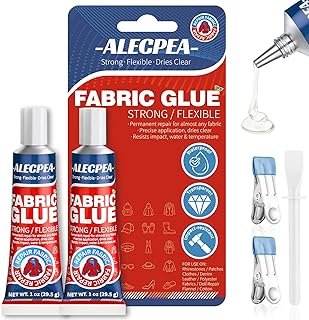
ALECPEA Permanent Fabric Glue Washable, 2-Pack Liquid Stitch for Clothing
Check PriceIf you absolutely need to use Gorilla Glue on fabric for a small repair, follow a very careful process to reduce damage.
Start by cleaning the fabric surface. Any dust, oil, or moisture can affect how the glue behaves.
Apply a very small amount of glue. Using too much will cause spreading and stiffness. A thin layer is always better.
Press the fabric gently together without stretching it. Avoid moving it once it is placed.
If possible, use clamps or heavy objects to keep it in place while it dries. This helps control expansion.
Allow full curing time as mentioned on the product label. Do not rush this step because partial drying can cause weak or uneven bonding.
Always test on a hidden area first to see how the fabric reacts before applying it to visible sections.
Better and Safer Alternatives to Gorilla Glue for Fabric Projects
Ciqkuic 6pcs Drawstring Threader Tool Set
Check PriceFor fabric work, there are many better options than Gorilla Glue that keep the material soft and flexible.
Fabric glue is the best alternative because it is designed specifically for textiles. It stays flexible even after drying and does not damage clothing texture.
Hot glue can also be used for craft projects, but it is more suitable for temporary fixes rather than wearable clothing.
Sewing remains the strongest and most reliable method for fabric repair. It keeps the material durable while maintaining flexibility.
Iron-on adhesive patches are another great option for quick repairs like jeans or jackets.
Spray fabric adhesives are useful for large surfaces like upholstery or craft boards.
When You Should Avoid Using Gorilla Glue on Fabric Completely
There are situations where using Gorilla Glue on fabric should be avoided entirely.
You should never use it on clothing that you plan to wear, especially stretchable fabrics like cotton blends, jersey, or spandex. These materials need flexibility, which Gorilla Glue destroys.
It is also not suitable for delicate fabrics like silk, chiffon, or satin because it can easily damage their texture and appearance.
Large fabric projects that require movement, such as curtains or bedding, should also avoid Gorilla Glue.
In general, if the fabric needs to remain soft or wearable, Gorilla Glue is not a safe choice.
Expert Tips for Choosing the Right Fabric Adhesive for DIY Projects and Repairs
Always match the adhesive to the fabric type. Heavy fabrics like denim may handle stronger glue, while delicate fabrics need gentle adhesives.
Think about flexibility first. If the item needs to move or stretch, choose fabric glue or sewing instead of strong industrial glue.
Test every adhesive on a hidden area before full application to avoid visible damage.
Consider washability if the fabric will be cleaned regularly. Some adhesives break down after washing.
Finally, understand that stronger is not always better in fabric work. Flexibility and softness matter more than extreme bonding strength.
Frequently Asked Questions About Using Gorilla Glue on Fabric
Will Gorilla Glue wash off fabric?
No, Gorilla Glue does not wash off fabric once it has dried and fully cured. In fact, it creates a very strong permanent bond that becomes resistant to water and normal washing. If it gets on fabric accidentally, it is very difficult to remove and may permanently damage the material.
Is Gorilla Glue safe to use on clothes?
Gorilla Glue is not considered safe for regular clothing use. While it can stick fabric together, it hardens after drying and removes the natural softness and flexibility of the fabric. This can make clothing uncomfortable to wear, especially in areas that bend or stretch.
Does Gorilla Glue make fabric hard?
Yes, one of the biggest problems with Gorilla Glue is that it makes fabric stiff and rigid. As the glue cures, it expands and hardens inside the fibers, which removes the softness of the material. This is why it is not recommended for wearable fabric items.
What is the best glue for fabric repair?
The best option for fabric repair is fabric-specific glue designed for textiles. These glues are made to stay flexible after drying and do not damage the texture of the fabric. For stronger or long-lasting repairs, sewing or iron-on patches are often better choices than any type of industrial glue.
How Long Does Fabric Glue Last? Fabric glue typically lasts 1–2 years unopened, depending on the brand and storage conditions. Once applied, it can hold for several washes or even become permanent if it’s a high-quality, washable formula. Proper storage and correct application help extend its lifespan.
Conclusion: Can You Use Gorilla Glue on Fabric?
Gorilla Glue is an extremely strong adhesive, but it is not designed for fabric use in most cases. While it can technically stick to fabric, the result is usually stiff, hard, and sometimes uneven, which makes it unsuitable for clothing and soft materials. Instead of keeping the natural flexibility of fabric, it turns the glued area rigid, which can ruin comfort and appearance.
For small DIY projects where fabric is attached to non-moving surfaces, it may still work, but even then it should be used very carefully and in very small amounts. However, for clothing, repairs, and anything wearable or flexible, it is clearly not the best choice.
The better option is always fabric-specific glue, sewing, or other textile-safe adhesives that are designed to stay soft and durable after drying. These alternatives give you a clean finish without damaging the texture of the fabric.
In simple words, Gorilla Glue is powerful, but fabric needs flexibility more than strength. Choosing the right adhesive will always give you better, safer, and longer-lasting results.
