
Spilled fabric glue on your favorite sweater right before a work presentation? Or maybe a stray dab of hemming adhesive ruined your DIY project? Learning how to remove fabric glue from clothes is a must-have skill for anyone who sews, crafts, or handles quick garment repairs. Fabric glue is a convenient alternative to sewing for hems, patches, and embellishments, but accidents happen, and the wrong cleaning method can turn a small stain into permanent damage. Whether you’re dealing with a fresh, wet dab or a dried, crusty stain, this guide will walk you through safe, effective methods to restore your clothes without ruining the fabric.
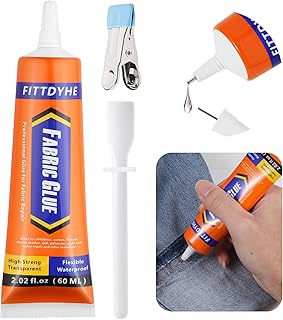
FITTDYHE Fabric Glue Permanent, 60 ML Washable Clear Clothing Glue, Super Fabric Glue for Rhinestones, Patches, Clothes, Denim, Leather, Polyester, Fabrics, Doll Repair, Flannel, Cotton
Check PriceWhat to Do Before You Start Removing Fabric Glue
Identify the Type of Fabric Glue
Not all fabric glues are created equal, and the removal method depends entirely on the adhesive formula. Permanent fabric glues (often labeled “washable” but designed to hold through multiple laundry cycles) require stronger solvents than temporary, peelable craft glues. If you still have the glue bottle, check the label: many brands note removal instructions, or if it’s a product we’ve reviewed in our guide to top-rated fabric glues for garments, you can reference our testing notes for compatibility. For washable fabric adhesive options, the removal process is often far simpler, as these are designed to break down with water and mild detergent.
Check Your Garment’s Care Label
Before applying any solvent, alcohol, or heat to your clothes, check the care tag. Delicate fabrics like silk, satin, and lace often have “do not use solvents” or “cold wash only” instructions that rule out harsh chemicals like acetone. As outlined in expert fabric care guidelines, skipping this step is the #1 cause of accidental garment damage during stain removal. If the label says “dry clean only,” stop immediately and take the item to a professional cleaner — DIY methods can void the garment’s warranty or ruin the fabric.
7 Tested Methods to Remove Fabric Glue From Clothes
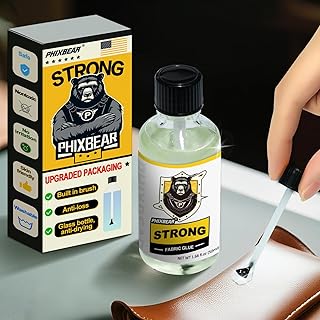
PHIXBEAR Mighty Fabric Glue Permanent in Glass Bottle with Brush, Waterproof Washable Liquid Stitch Fabric Glue, Safe, No Irritation. for Repair Clothes, Leather, Patches(1.68 fl.oz 50ml)
Check PriceMethod 1: Isopropyl (Rubbing) Alcohol for Permanent Glue
Isopropyl alcohol (70% or higher) is the most effective solvent for permanent fabric glue, as it breaks down the adhesive bonds without leaving oily residue. This method works best for cotton, polyester, denim, and other sturdy fabrics.
Step-by-step:
- Blot excess wet glue with a clean paper towel — never rub, as this pushes the glue deeper into the fabric fibers.
- Dampen a cotton ball with rubbing alcohol, then dab it gently on the glue stain. Let it sit for 2-3 minutes to break down the adhesive.
- Use a soft-bristled toothbrush to gently scrub the stain in circular motions.
- Rinse the area with cold water, then launder the garment as usual (check the care label first).
Note: Always test rubbing alcohol on a hidden seam (like the inside of a hem) first to ensure it doesn’t fade the fabric dye.
Method 2: Warm Soapy Water for Fresh Washable Glue
If you catch the glue stain while it’s still wet, and you’re using a washable formula, warm soapy water is often all you need. This is the gentlest method, making it safe for most fabrics including delicates.
- Fill a bowl with warm (not hot) water and a teaspoon of mild laundry detergent or dish soap.
- Soak the stained area for 10-15 minutes to loosen the glue.
- Gently rub the fabric together with your fingers to lift the softened glue.
- Rinse thoroughly with cold water, then air dry (avoid the dryer until you’re sure the stain is gone, as heat sets glue permanently).
Method 3: Acetone or Nail Polish Remover (Use With Extreme Caution)
Acetone is a powerful solvent that can dissolve even the toughest permanent fabric glue, but it can also melt synthetic fabrics like spandex, polyester, and acetate. Never use acetone on delicate fabrics, and always test on a hidden seam first.
- Use pure acetone (avoid nail polish remover with added oils, moisturizers, or dyes, which can stain fabric).
- Dab a cotton swab with acetone, then apply sparingly to the glue stain. Do not saturate the fabric.
- Blot immediately with a clean paper towel to lift the dissolved glue — repeat until the stain is gone.
- Wash the garment immediately to remove all acetone residue.
Method 4: White Vinegar Solution for Natural Fabrics
White vinegar is a gentle, non-toxic alternative to harsh solvents, making it ideal for cotton, linen, and wool fabrics. It’s also safe for colored clothes when diluted properly.
- Mix equal parts white vinegar and warm water in a bowl.
- Soak the stained area for 30 minutes — vinegar breaks down the adhesive bonds slowly without damaging fibers.
- Scrub gently with a soft brush, then rinse with cold water.
- For stubborn stains, make a paste of vinegar and baking soda, apply to the stain, let sit for 10 minutes, then rinse.
Method 5: Commercial Glue Removers for Tough Stains
If home remedies fail, commercial glue removers like Goo Gone Fabric Glue Remover or Un-Du are formulated specifically for garment adhesives. These are safe for most fabrics, but always follow the manufacturer’s instructions.
- Apply a small amount of remover to the stain, let sit for 1-2 minutes (check the label for exact time).
- Blot with a clean cloth to lift the glue.
- Wash the garment immediately to remove all residue.
Method 6: Freezing for Dried, Crusty Glue
Dried fabric glue becomes brittle when frozen, making it easy to flake off without solvents. This method is perfect for thick, dried stains on sturdy fabrics like denim or canvas.
- Place the garment in a sealed plastic bag, then put it in the freezer for 2-3 hours until the glue is frozen solid.
- Remove the garment, then use a dull butter knife or your fingernail to gently scrape off the frozen glue flakes.
- Launder the garment as usual to remove any remaining residue.
Method 7: Iron and Pressing Cloth for Heat-Activated Glue
Many fabric glues are heat-activated, meaning they set when ironed. You can reverse this process to lift the glue from the fabric.
- Place a clean, white pressing cloth (or a piece of parchment paper) over the glue stain.
- Set your iron to low heat (no steam), then press the cloth over the stain for 10-15 seconds. The glue will transfer to the pressing cloth.
- Repeat with a clean section of the pressing cloth until all glue is lifted.
- Wash the garment to remove any remaining adhesive residue.
How to Remove Fabric Glue From Delicate Fabrics
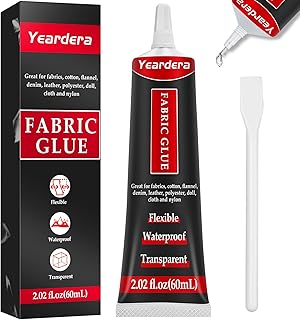
Yeardera Fabric Glue, Permanent, Clear, Washable Adhesive for Clothing, Patches, Leather, Cotton, Denim, Polyester, Flannel, and All Fabrics
Check PriceSilk, Satin, and Chiffon
Delicate, thin fabrics can easily tear or fade with harsh solvents. Stick to the warm soapy water method first, and avoid rubbing alcohol or acetone entirely. If the stain persists, take the garment to a professional dry cleaner — DIY methods are too risky for these fabrics.
Denim and Heavy Canvas
Sturdy fabrics can handle stronger methods like rubbing alcohol, acetone, or freezing. For dried glue on denim, the freezing method works best to avoid saturating the thick fabric with solvents. Always wash denim inside out to protect the outer finish.
Synthetic Fabrics (Spandex, Polyester, Nylon)
Synthetics can melt when exposed to acetone or high heat, so avoid both. Stick to rubbing alcohol (test first), white vinegar, or commercial fabric-safe glue removers. Never use a hot iron on synthetic fabrics with glue stains.
Frequently Asked Questions
Does fabric glue come out in the wash?
Washable fabric glue is designed to break down in the wash, but permanent fabric glue will not. Always check the glue label: if it’s labeled “permanent” or “machine washable,” it will not come out in a standard laundry cycle, and you’ll need to use one of the solvent methods above.
Can you use Goo Gone on fabric?
Only use Goo Gone products specifically labeled for fabric use. Regular Goo Gone contains oils that can leave permanent stains on clothes. Fabric-safe Goo Gone is formulated to rinse out completely without damaging fibers.
How do you remove dried fabric glue from jeans?
The freezing method works best for dried glue on jeans: freeze the garment, scrape off the brittle glue, then wash. You can also use rubbing alcohol on denim, as it’s sturdy enough to handle the solvent without fading.
Will rubbing alcohol damage colored clothes?
Rubbing alcohol can fade some fabric dyes, especially dark or bright colors. Always test on a hidden seam first: if the cotton ball comes away with dye, switch to white vinegar or warm soapy water instead.
Final Tips to Save Your Clothes
Removing fabric glue from clothes is all about acting fast and matching the method to the glue type and fabric. For fresh stains, warm soapy water is your first line of defense. For permanent glue, rubbing alcohol or commercial removers work best. Always test any solution on a hidden seam first, and avoid the dryer until you’re 100% sure the stain is gone — heat sets fabric glue permanently, making it impossible to remove.
If you’re using fabric glue for future projects, opt for washable fabric adhesive options to make cleanup easier, and always work over a protected surface to avoid accidents. With the right approach, you can save even the toughest glue stains without ruining your favorite garments.
