
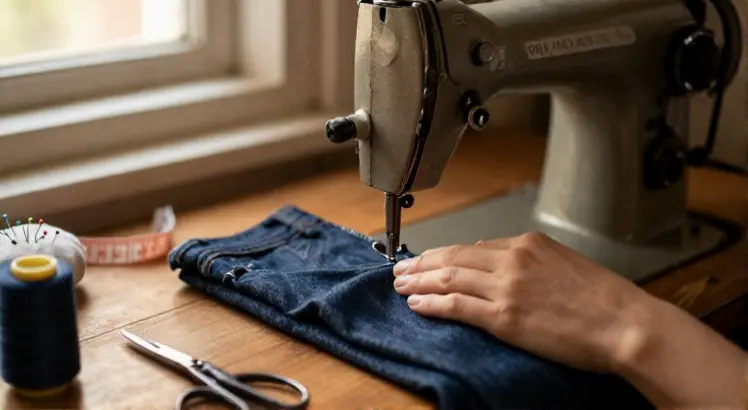
Shortening trousers at home saves time and money. With a standard sewing machine, you can create a clean, professional hem on dress slacks, jeans, chinos, and casual pants. This guide: how to hem pants with sewing machine, walks you through every phase from gathering the right tools to handling tricky fabrics. You will learn measuring tricks, how to pick the best stitch, and ways to avoid puckered hems. By the end, you will feel confident tackling pant hems for the whole family.
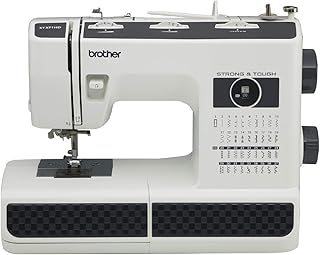
Brother ST371HD Sewing Machine
Check PriceTools and Materials You Will Need
A polished hem starts with the right supplies. Gather these items before you begin:
- Pants you plan to shorten
- Sewing machine with a straight stitch and zigzag option
- All purpose polyester thread that matches the garment
- Sharp fabric scissors or rotary cutter
- Seam ripper
- Flexible tape measure
- Tailor’s chalk or water soluble fabric marker
- Pins or sewing clips
- Iron and ironing board
- Ruler or hem gauge
- Optional: blind hem foot, walking foot for slick fabrics
A dependable sewing machine makes the task straightforward. For heavy denim or multiple layers, a model with adjustable presser foot pressure helps. You can explore the best sewing machine for hemming pants if your current machine struggles with thick seams. A well lit workspace also improves accuracy. Consider a bright lamp that reveals every stitch line.
How to Prepare the Pants for Hemming
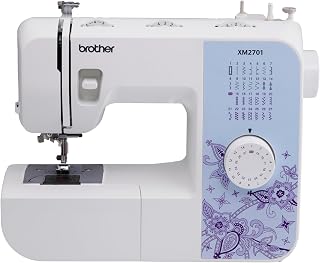
Brother Sewing Machine, XM2701
Check PriceStart with clean, pressed pants. Wrinkles distort the hemline and lead to uneven results. If the trousers have an existing machine stitched hem, use a seam ripper to carefully remove the stitching. Gently pull away loose threads. For pants with a serged or overlocked edge, you may be able to keep the original finish and simply fold it up. Press the bottom edge flat to see the natural crease.
Try on the pants with the shoes you plan to wear most often. The heel height influences where the hem breaks at the front. Stand straight and let the fabric hang naturally. If possible, ask a helper to pin one leg while you stand. Otherwise, fold the cuff under while looking in a full length mirror. This step prevents cutting too much length.
Mark the fold on one leg only. It is wise to test the length on a single leg before committing. Once you are happy, take off the pants and lay them flat on a table.
Taking Accurate Measurements and Marking the Hem
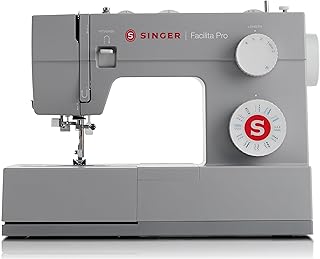
SINGER 4423 Heavy Duty Sewing Machine
Check PricePlace the pants on a flat surface with the side seams aligned. Measure from the waistband down to the new fold line on the first leg. Write down that measurement. Transfer it to the second leg by measuring from the waistband at the same point. Mark the fold line on the second leg with chalk. Double check that both legs match within 1/8 inch.
Use a ruler and tailor’s chalk to draw the cutting line below the fold. A classic formula adds 2 inches below the desired finished length for a 1 inch double fold hem. For dress pants, a 1 1/2 inch hem allowance often works well. Cut off the excess fabric on the marked cutting line with sharp scissors. For detailed classic measuring techniques, visit this professional hemming resource.
Fold the raw edge up 1/2 inch and press firmly with an iron. Then fold up another 1 1/2 inches (or your chosen depth) to hide the raw edge. Press again. The crease should be crisp and straight. Pin or clip the hem in place every 2 to 3 inches. For wide leg trousers, use more pins to control shifting.
Choose the Right Stitch and Thread
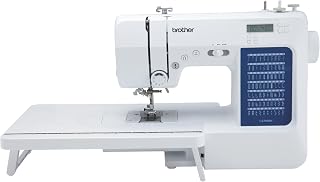
Brother CS7000X Sewing and Quilting Machine
Check PriceYour machine settings make a big difference. For most pant hems, a medium length straight stitch works best. Set the stitch length between 2.5 and 3.0 mm. Choose an all purpose polyester thread that matches the fabric color exactly. If the pants have a topstitching detail, you can use a slightly heavier thread in a contrasting shade for a decorative look.
When sewing stretchy fabrics like ponte or knit trousers, use a narrow zigzag or a stretch straight stitch. This prevents popped threads when the fabric stretches. Always test your stitch on a scrap of the cut off hem allowance. Check the tension and adjust if the stitches look loopy or puckered.
A blind hem foot is a worthwhile investment for dress pants. It catches just a tiny bite of the outer fabric, leaving a nearly invisible stitch on the right side. Practice on a scrap before starting the actual hem.
How to Sew the Hem with Your Machine
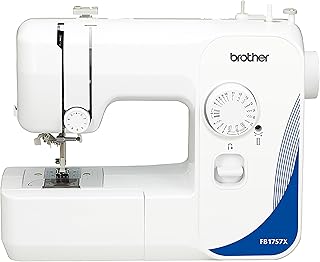
Brother FB1757X Mechanical Sewing Machine
Check PriceSet up your machine with the correct needle. A universal size 80/12 needle handles most medium weight fabrics. For denim or canvas, switch to a size 90/14 or 100/16 jeans needle. Thread the machine with your chosen thread and wind a full bobbin.
Position the pants under the presser foot with the right side of the fabric facing up. The hem will be sewn from the wrong side of the pants. Begin stitching near the inseam so the backstitch hides in a less visible spot. Sew slowly along the folded edge, keeping the distance from the inner fold consistent. A distance of 1/8 inch from the inner folded edge creates a neat, narrow hem allowance.
When you reach the starting point, overlap a few stitches and backstitch to secure. Remove the pants from the machine and clip all loose threads. Press the hem from the wrong side to set the stitches. Turn the pants right side out and give a final press. The hem should lie flat with no twisting.
Hemming Different Trouser Styles and Fabrics
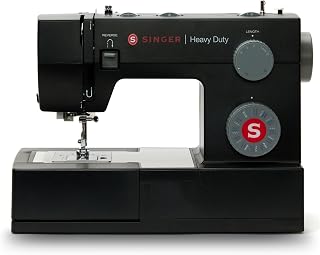
SINGER 4432 Heavy Duty Sewing Machine
Check PriceNot all pants behave the same way. Denim jeans often have a thick felled seam. When hemming jeans, reduce bulk by trimming the seam allowance inside the hem. Pound the thick areas with a hammer or use a hump jumper tool to help the presser foot climb over the heavy seam. A walking foot also prevents shifting layers.
Dressy wool trousers benefit from a blind hem or a hand stitched catch stitch. If you prefer a machine blind hem, fold the hem allowance back on itself and use the blind hem foot to stitch on the very edge of the fold. For formal slacks, consider using a serger to finish the raw edge before hemming. You can also check how to hem pants with a serger for a fast, professional edge.
Linen and cotton pants are forgiving and press easily. Use a straight stitch and a precise fold. Lightweight silks or crepes require careful handling because they shift. Tissue paper under the fabric can stabilize it. After sewing, tear away the paper. Always test on a scrap to avoid damage.
Troubleshooting Common Hemming Mistakes
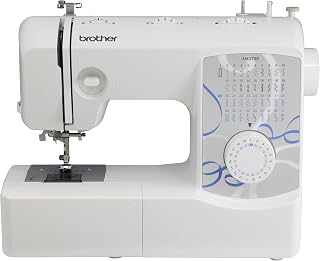
Brother XM3700 Sewing Machine
Check PriceUneven legs happen when you skip measuring each leg separately. Always measure from the waistband and confirm both sides. A twisted hem results when the folded edge is not straight. Press the fold thoroughly while aligning the side seams. Puckered stitching often means the tension is too tight or the needle is dull. Replace the needle and run a test on scrap fabric.
If the needle breaks when crossing a thick seam, slow down and hand crank through the heavy section. A size 100/16 or 110/18 jeans needle can pierce multiple denim layers. Skipped stitches usually point to the wrong needle type for the fabric. Switch to a stretch needle for knits or a microtex needle for tightly woven materials.
Frequently Asked Questions
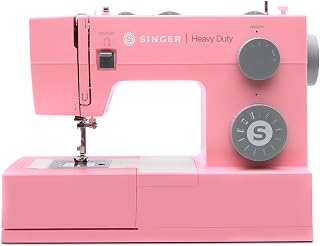
SINGER 4411 Heavy Duty Sewing Machine
Check PriceCan I hem jeans with a sewing machine?
Yes. Use a jeans needle and a sturdy straight stitch. Pound thick side seams flat with a hammer or use a hump jumper. A walking foot helps feed the fabric evenly.
What is the best hem width for dress pants?
A 1 1/2 inch hem is standard for dress trousers. This weight helps the leg hang straight. For wide leg pants, a deeper 2 inch hem adds stability.
Do I need a special foot for blind hems?
A blind hem foot makes the job easier, but you can also sew a blind hem with a regular foot if you fold the fabric in the correct way. Practice on a scrap to understand the fold and stitch placement.
How can I hem pants without cutting the extra fabric?
You can create a fold over hem without cutting, especially for children’s clothes or if you may let the hem down later. Simply fold up the excess, press, and stitch close to the top edge. This works best on lightweight fabrics.
Why does my hem look wavy?
Waviness comes from stretched fabric. Press the hem carefully without pulling. If the fabric is bias cut or very soft, apply a strip of fusible hem tape inside the fold before sewing to stabilize it.
Final Thoughts on Hemming Pants at Home
Hemming pants witha sewing machine is a skill that grows with practice. Start with an easy pair of cotton trousers and work up to lined wool or crisp denim. Pay attention to accurate measuring, sharp pressing, and the right stitch. These three elements eliminate the most common frustrations. Soon you will fix too long pants for yourself, family, and friends with professional looking results. Good lighting and a reliable machine turn a chore into a satisfying project.
