
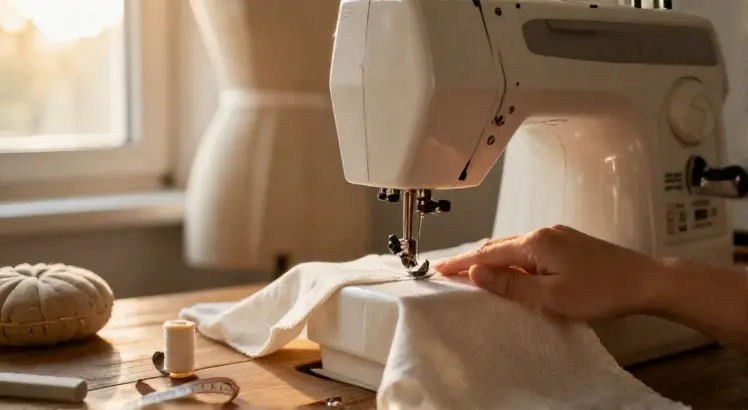
A crisp, even hem is the hallmark of a well-finished garment. Whether you are tailoring a pair of pants, shortening a skirt, or finishing a set of curtains, the hem is one of the final details people notice. If you are new to sewing, you have likely asked yourself the fundamental question: can a sewing machine be used for hemming? The simple answer is absolutely, yes. In fact, a sewing machine is the most efficient and durable way to hem most fabrics. Hand stitching has its place in couture and invisible finishes, but for the majority of everyday sewing projects, your machine will produce a cleaner, stronger, and much faster result.
Mastering the art of machine hemming transforms your sewing projects from homemade to handmade. It eliminates the uneven, wavy edges that often come with beginner ironing techniques and provides a structural integrity that holds up to repeated washing and wearing. This guide will walk you through the professional techniques, the essential accessories, and the common pitfalls to avoid so you can achieve flawless machine-stitched hems on every project.
Understanding the Basics of Machine Hemming
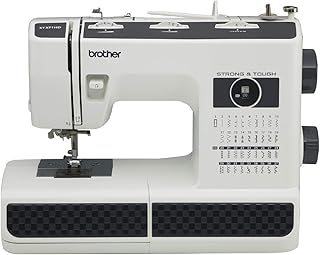
Brother ST371HD Sewing Machine
Check PriceBefore threading your needle, it is critical to understand what a hem actually does beyond folding fabric. A hem encloses the raw edge of the fabric to prevent fraying, adds weight to the drape of a garment, and provides a clean visual stopping point. When you ask if a sewing machine can be used for hemming, you are really asking if it can replicate these structural functions quickly. The machine excels at this because the feed dogs move the fabric evenly while the needle creates a locked stitch that is mechanically stronger than a hand-sewn running stitch.
The standard straight stitch is the workhorse of machine hemming. It is strong, discreet, and easy to control. However, modern machines offer zigzag stitches, blind hem stitches, and stretch stitches that expand your ability to hem knits and delicate fabrics without puckering. The key to a successful machine hem lies in three variables: stitch length, needle type, and the preparation of the fabric fold. A slightly shorter stitch length (around 2.5mm to 3.0mm) often looks more professional on top-stitched hems than a long basting stitch.
- Stitch Selection: Use a straight stitch for woven fabrics and a narrow zigzag or stretch stitch for knits.
- Needle Choice: A universal needle (size 70/10 to 80/12) works for standard cottons, while a ballpoint or stretch needle is essential for spandex and jersey.
- Fabric Memory: Synthetics and blends often require a slightly longer stitch to avoid tunneling.
Essential Presser Feet for Hemming Clothes
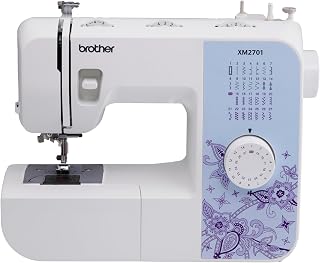
Brother Sewing Machine, XM2701
Check PriceWhile you can certainly hem with a standard all-purpose presser foot, specialized attachments elevate the quality and speed of your work. Many sewists underestimate the power of a dedicated hemming foot. If you have ever wondered can a sewing machine be used for hemming extremely narrow edges, these specialized tools are the solution. They automate the fabric-folding process, eliminating the need for tedious manual pinning and pressing of small folds.
The rolled hem foot is a game-changer for lightweight fabrics like chiffon or the bottoms of blouses. It has a spiral guide that rolls the fabric edge under itself directly before the needle strikes. The blind hem foot, meanwhile, is designed to create virtually invisible stitches on the right side of the fabric, perfect for dress pants and formal wear. These feet align with a guide that catches just a single thread of the fabric fold while the machine creates a zigzag or blind stitch.
- Rolled Hem Foot: Ideal for a delicate 1/8 inch hem on scarves and linings.
- Blind Hem Foot: Works with a blind stitch setting to hide stitching on the outside of trousers.
- Edge-Joining Foot: Helps with precise topstitching on the hem edge if you want a decorative finish.
Machine Hemming Versus Hand Sewing Blind Hems
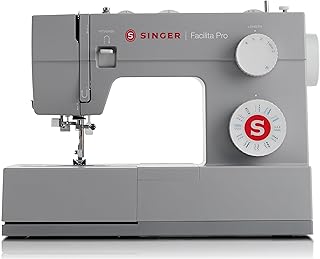
SINGER 4423 Heavy Duty Sewing Machine
Check PriceThere is a long-standing debate in the sewing room regarding the superiority of hand-stitched hems versus machine-sewn hems. High-end custom tailoring often relies on the catch-stitch or blind hem done by hand because it allows for a tiny bit of give and creates a floating, invisible finish. However, the time investment is significant. For casual and business attire, asking can a sewing machine be used for hemming blind hems reveals a strong affirmative: the machine blind stitch is virtually indistinguishable from a hand-sewn blind stitch to the untrained eye when done correctly.
The machine blind hem utilizes a specific stitch pattern where three straight stitches are followed by a single wide zigzag bite. The fabric is folded in a specific “S” shape and aligned with the blind hem foot. The zigzag bite should only catch a single thread of the fabric fold. If your tension is too tight, the hem will pucker; if the bite is too deep, you will see visible ladders on the front of the pants. MasterClass explains blind hemming techniques in detail, but the machine method remains the go-to for efficiency. For heavy materials like denim, the machine is far superior in strength, as detailed in our guide on is denim hard to sew.
Machine Setup for Stretchy and Slippery Fabrics
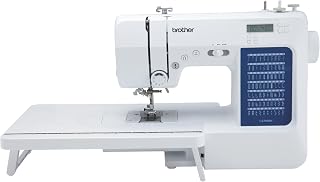
Brother CS7000X Sewing and Quilting Machine
Check PriceHemming stable cotton is straightforward, but challenging textiles require a specific setup. When pondering if a sewing machine can be used for hemming difficult fabrics like silk or spandex, the answer lies entirely in the preparation and machine settings. Knit fabrics and athletic wear need a hem that stretches without breaking stitches. A straight stitch will snap as soon as you pull the fabric over your foot.
For stretch hems, you need to engage the differential feed or select a built-in stretch stitch. The lightning bolt stitch, the triple straight stitch, or a narrow zigzag are all excellent choices. These stitches absorb the stretch. For slippery fabrics like satin and silk, a walking foot is essential. This foot adds a second set of feed dogs on top of the fabric, ensuring the top layer of the hem feeds at the exact same rate as the bottom layer, eliminating unsightly puckering. Our resource on is it hard to sew silk offers deeper preparation advice, but the hemming principle centers on reducing the presser foot pressure and using a new microtex needle.
The Double-Turn Hem: Preventing Fraying by Machine
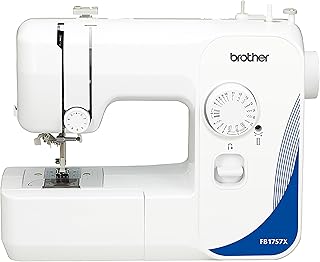
Brother FB1757X Mechanical Sewing Machine
Check PriceThe most universal machine hem is the double-fold or double-turn hem. This technique encapsulates the raw edge completely, hiding it within the fold. It is the strongest defense against fraying and the most common answer to how a sewing machine can be used for hemming everyday wear. The process involves turning the raw edge under by a quarter inch, pressing it, and then turning it under again to the desired final hem depth before topstitching.
Precision pressing is the unsung hero of this hem. If you try to stitch a double-turn hem using only your fingers, you will likely end up with a wavy, inconsistent line. Use a tailor’s clapper or a hot iron to press a sharp crease. The stitching should be placed on the inner edge of the fold, allowing the hem to hang freely. Sewing from the right side of the garment ensures you have a beautiful, straight line visible on the outside. This is particularly vital when working with tough materials like canvas, where the number of layers can get thick quickly.
Navigating Hem Thickness and Uneven Layers
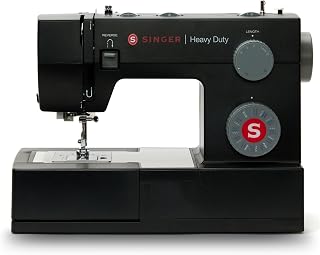
SINGER 4432 Heavy Duty Sewing Machine
Check PriceOne of the most frustrating hurdles when hemming with a machine occurs at the side seams. As you circle around the pant leg, the presser foot must climb over the vertical seam allowance, creating a sudden thickness. This often results in skipped stitches or a lumpy hem. To successfully use a sewing machine for hemming in these zones, you need a tool called a “hump jumper” or a Jean-a-ma-jig.
This small plastic spacer is placed behind the needle on top of the thick seam allowance. It levels the presser foot so the foot does not tilt upward as it approaches the hump. When the foot is level, the feed dogs maintain consistent contact with the fabric, and the needle does not deflect. If you do not have a specialty tool, you can fold a scrap of fabric to a similar thickness and wedge it behind the foot. You should also switch to a heavier needle, like a denim needle (size 90/14 or 100/16), when hemming jeans to prevent breakage.
- Use a denim needle to penetrate thick folds without snapping.
- Hand-crank the machine wheel over the very thickest bumps (often the inseam intersection).
- Hammer flat the seam allowance with a mallet before hemming to compress the fibers.
Tension Troubleshooting for Perfect Flat Hems
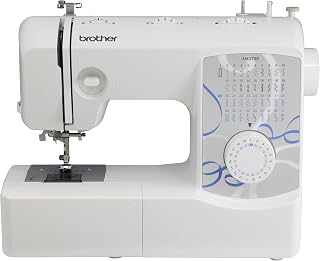
Brother XM3700 Sewing Machine
Check PriceNothing ruins the aesthetic of a hem faster than “tunneling.” This occurs when the fabric bunches up between stitch points, creating a raised ridge, often seen with twin needles or zigzag stitches. If you are testing whether a sewing machine can be used for hemming knits without a serger, tension adjustment is the linchpin. Tunneling is a balance issue between the top thread, bobbin thread, and fabric elasticity.
To fix a tunneled hem, first loosen the needle tension slightly. This allows the top thread to feed more freely and prevents it from pulling the fabric upward. If the problem persists, switch to a fabric stabilizer. A strip of wash-away stabilizer placed under the hem prevents the fabric from being drawn into the feed dogs. For permanent stability, a strip of lightweight fusible interfacing ironed into the hem allowance gives the fabric body and results in a crisp, flat finish.
Serger vs. Sewing Machine Rolled Hems
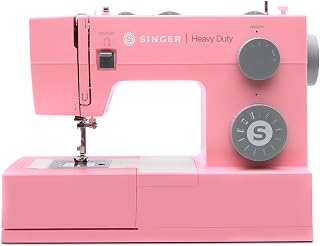
SINGER 4411 Heavy Duty Sewing Machine
Check PriceA common point of confusion is whether a standard sewing machine can replicate the rolled hem of a serger. A serger uses three or four threads to wrap the fabric edge completely, a finish frequently seen on store-bought table linens and napkins. While a sewing machine cannot exactly replicate a 3-thread overlock rolled hem, it produces a very similar-looking finish using a narrow rolled hem foot with a straight stitch.
The serger rolled hem is bulkier and slightly stiffer, while the sewing machine needle-thread rolled hem is lighter and perfect for heirloom sewing. If you are hemming a formal dress made of a delicate material, the sewing machine rolled hem is actually the more refined choice. It allows the fabric to maintain a softer drape without the heavy thread wrap that can weigh down lightweight fabrics like chiffon, which we discuss further in our article on is it hard to sew chiffon.
Pressing Techniques That Elevate Your Hem
The difference between a good hem and a great hem is not always in the stitching but in the pressing. The iron is as crucial as the needle. When using a sewing machine for hemming, you must fuse the fold lines before stitching. A finger-pressed fold is temporary; a steam-ironed crease is permanent until you wash it. This ensures the fabric does not shift as it passes through the feed dogs.
Once the hem is stitched, you must give it a final press. Most importantly, you need to press the hem flat from both the wrong side and the right side. Pressing from the right side requires a pressing cloth to avoid scorching or leaving a shine on the fabric. This final press melds the thread into the fabric, effectively relaxing the stitch and setting it permanently. If you need to hem pants specifically, we have a specialized guide on how to hem pants with a sewing machine that offers step-by-step visuals.
Frequently Asked Questions
Can I hem without a special presser foot?
Absolutely. The double-turn hem can be sewn using the standard all-purpose zigzag foot. The key is to mark your fold lines with an even guide, like a seam gauge, and press them hard. You simply stitch along the inner edge of the fold. A specialty foot just automates the folding.
Why is my hem wavy and stretched out?
Wavy hems are usually caused by pushing or pulling the fabric while sewing. Let the feed dogs do all the work. Your hands are merely guides. On bias cuts, a wavy hem indicates the fabric was stretched during pressing. Use spray starch to stabilize the bias before hemming.
What stitch is best for a knit hem?
Do not use a straight stitch on knits. The triple stretch stitch (a straight stitch that goes forward two steps and back one) is extremely durable. The lightning bolt stitch is the best narrow zigzag option as it prevents the tunneling common with a standard zigzag.
Can a sewing machine hem jeans without breaking needles?
Yes. You must use a denim needle (size 100/16) or a Microtex/sharp needle. Reduce speed when crossing the thick vertical seams. A hump jumper tool placed under the presser foot near the thick crossing is essential to prevent the needle from deflecting and snapping.
Conclusion
So, can a sewing machine be used for hemming? It is not just a question of possibility; it is the absolute standard for modern sewing. The sewing machine offers unmatched speed, consistency, and durability that hand sewing simply cannot match for everyday garments. By understanding the relationship between fabric type, needle selection, and presser foot mechanics, you can achieve invisible blind hems on suit trousers, durable topstitched hems on denim, and delicate rolled edges on evening wear.
The journey to mastering the machine hem is a process of control. Control your speed over the bumps, control your tension to prevent tunneling, and control your pressing to crease the memory into the fabric. With the techniques covered, from the double-turn fold to the hump jumper hack, your sewing machine becomes the most reliable hemming tool in your creative arsenal.
