
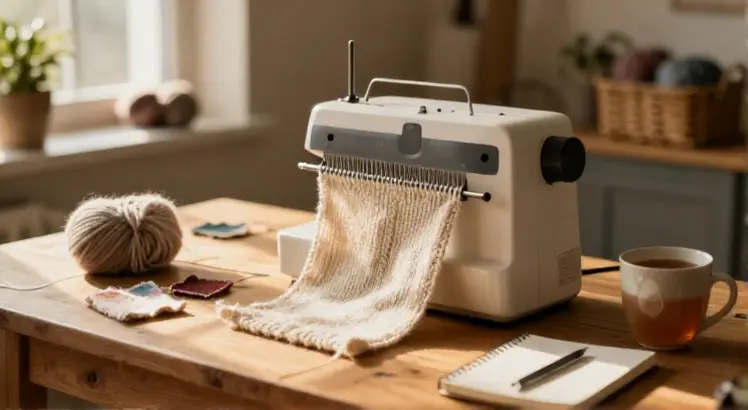
Deciding whether a knitting machine belongs in your craft room is a big deal. You might be eyeing those sleek devices and wondering, are knitting machines worth it for the time, money, and space they require? If you love the idea of finishing a sweater in a weekend instead of a month, or you struggle with hand pain from needles, you are not alone. This guide cuts through the hype to give you a clear, honest breakdown.
I have spent years working with both hand knitting projects and various knitting machine models. From chunky blanket makers to fine-gauge flatbed units, I have seen what they can and cannot do. In this article, we will explore cost, speed, learning curves, and project suitability so you can decide if the investment is right for your lifestyle.
What Exactly Does a Knitting Machine Do?
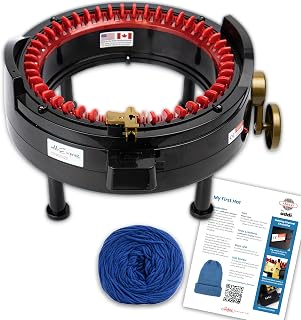
Addi Express King Size Knitting Machine Set
Check PriceA knitting machine automates the process of forming stitches. Instead of looping yarn around a needle by hand, the machine uses a series of hook-shaped needles or latch needles held in a bed. As you slide the carriage across, the needles move in sequence to create a row of stitches in seconds. It can produce plain stocking stitch, ribbing, and even complex colorwork with multiple yarn feeders or a punch card mechanism.
Most home users pick a flatbed machine. These come in mid-gauge (suitable for DK and worsted yarns) or fine-gauge (lace and fingering weight). There are also circular machines like the Addi Express and Sentro that knit tubes quickly for hats and scarves. Understanding the mechanism is key because it determines what yarns you can use and how thick your fabric will be.
The Pros of Owning a Knitting Machine
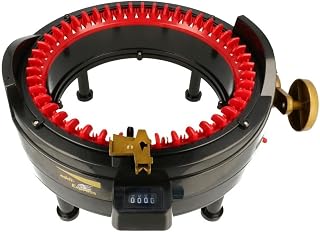
Addi Express Kingsize Knitting Machine
Check PriceIncredible Speed
A hand knitter might achieve 20 to 30 stitches per minute on a good day. A standard flatbed machine can produce 400 to 600 stitches in the same timeframe. That means a stockinette panel for a pullover that would take you 15 hours by hand can be finished in under two hours on a machine. If you run a small crafting business or dread the time commitment of large projects, this alone answers are knitting machines worth it.
Consistent Tension and Professional Results
Human tension wobbles. A machine’s dials let you replicate the exact same tension over yards of fabric. The seams look store-bought. You can achieve even Fair Isle patterns with less puckering than all but the most experienced hand knitters.
Reduced Physical Strain
Needle knitting can be hard on the hands, wrists, and shoulders. If you have arthritis or carpal tunnel, a machine can keep you creating without pain. You still need to push the carriage, but it distributes the work differently and many find it far less taxing.
Ideal for Production and Small Business
If you sell knitted items, a machine can slash your production time drastically. Blankets, scarves, and beanies become achievable in bulk quantities. Combined with a quality hand-finished seam, your products can command a premium price.
The Cons to Weigh Carefully
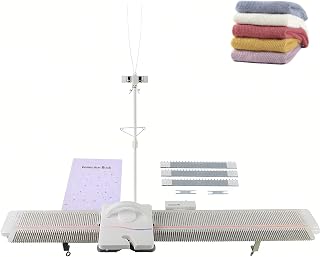
LK150 6.5mm Mid Gauge Knitting Machine
Check PriceSteep Learning Curve
Contrary to what some advertise, you do not just plug and play. Setting up a flatbed machine, threading the yarn mast, adjusting tension, and mastering the carriage rhythm takes practice. Dropped stitches can happen fast and fixing them is a skill on its own. Expect to spend a few weeks getting comfortable before you start a serious project. If you are curious about the basics, you can read our guide on how to use a knitting machine for beginners.
Limited Yarn Choices
A machine cannot handle every skein in your stash. Mid-gauge machines work best with smooth, plied DK or light worsted weight yarns. Bulky, novelty, or slightly textured yarns often jam the carriage or skip stitches. Fine lace machines need coned yarn, not balls, to avoid tangling. You may need to invest in a yarn winder and coned yarns, adding to the cost.
No True Seamless Construction
Hand knitting shines when you can knit a whole sweater in the round without a single seam. While you can make tubes on a double-bed machine, the results are often heavier and less draping. Most machine projects are knitted flat and seamed together later. If you love the magic of top-down, seamless garments, a machine may feel restrictive.
Upfront Cost, Space, and Maintenance
An entry-level plastic circular machine costs under $100, but a quality flatbed metal machine starts around $400 and can easily exceed $2,000 with ribber attachments. You also need a dedicated table, a stand, and storage for tools. These machines require oiling, cleaning, and occasional replacement of sponge bars and needles. Add in the cost of coned yarns, pattern books, and accessories. The financial commitment is real.
Who Should Actually Buy a Knitting Machine?
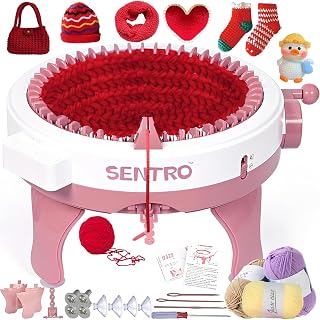
PKYOHYI Sentro 40 Needles Knitting Machine
Check Price- Small business owners and market sellers. If you sell at craft fairs or on Etsy, the speed allows you to keep up with inventory without hiring help.
- Tech-enthusiast knitters who enjoy the mechanical puzzle and are not afraid of a manual or troubleshooting charts.
- People with hand pain or mobility issues who still want to produce garments and home goods.
- Productive hobbyists who want to knit blankets, bags, or multiple gifts quickly without spending months on each piece.
- Educators running a studio or class who can teach machine knitting techniques.
- Designers prototyping knitwear who need to sample swatches fast and iterate frequently.
Who Might Regret the Purchase
- Process-focused hand knitters. If you love the slow rhythm, the feel of bamboo needles, and the meditation of each stitch, a machine will feel like a job, not a hobby.
- Occasional crafters who make a couple of projects a year. A machine that sits unused for 11 months is not worth the space.
- Spontaneous stash busters. Because machine knitting demands coned yarns and specific weights, you may not be able to use up those hanks you bought on vacation.
- Anyone short on space. A full-size knitting machine with a ribber and stand takes up roughly the area of a small desk, and it needs to stay set up permanently for frequent use.
- Those who hate seaming. As noted, you will be doing a lot of mattress stitch and blocking separate pieces.
Cost Analysis: Hand Knitting vs. Machine Knitting
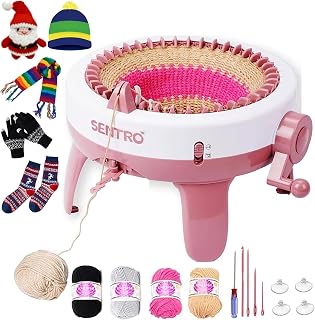
Sentro 48 Needle Knitting Machine with Row Counter
Check PriceLet us break down numbers for a typical worsted-weight pullover. Hand knitting might require 1,500 yards of wool at $25 per hank, costing $75 in yarn and 40 hours of labor. The same pullover on a mid-gauge machine uses about the same yardage in coned form, often cheaper at $45 per cone, and 3 hours of machine time plus 2 hours for finishing.
Now factor in the machine. A good Silver Reed or Brother model with a ribber costs $800–$1,200 used. If you make 10 sweaters a year, the machine essentially pays for itself in saved time over two years, especially if you value your time even at minimum wage. If you only knit two scarves a year, it will collect dust. For a curated list of models that offer the best value, take a look at our top picks for the best knitting machines across different budgets.
Best Projects for Knitting Machines
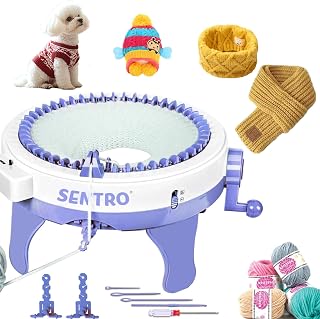
Sentro 48 Needles Double Knit Loom Machine Kit
Check Price- Blankets and throws. Huge panels of stockinette or tuck stitch come to life in hours. You can sew panels together for a hefty couch blanket.
- Scarves, cowls, and wraps. With a lace carriage, you can produce delicate openwork that would take months by hand.
- Tote bags and home decor. Machine-knit fabric is stable and dense, perfect for interior items.
- Children’s clothing. Kids grow fast. Machine speed means you can knit a sweater before they outgrow the size.
- Basic pullovers and cardigans with drop shoulders. These shapes are naturally suited to flat construction and easy seaming.
- Chunky circular machine hats. An Addi or Sentro can crank out a beanie in20 minutes flat.
Key Factors to Consider Before You Buy
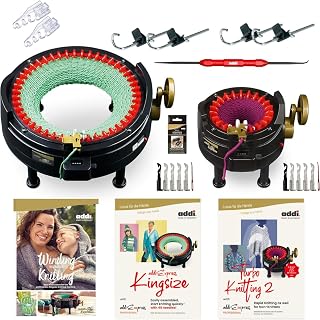
Addi I Want IT All Knitting Machine Pro Set
Check PriceEven after weighing the pros and cons, a few practical points often get overlooked. Spend a moment on these before swiping your card.
- Space and setup time. A flatbed machine needs a stable counter or table at least 40 inches long. If you have to take it out and store it every time, you will use it far less.
- Noise level. The carriage clicks and clacks. It is not silent. Consider your home environment and if you plan to knit while others sleep or watch TV.
- Community and support. Hand knitting has Ravelry. Machine knitting has lively Facebook groups, YouTube channels, and local guilds. Knowing where to ask when you drop a carriage of 200 stitches is essential. Resources like The Spruce Crafts guide to knitting basics are gold for beginners.
- Used vs. new. Many fine metal flatbed machines are no longer manufactured. You will likely buy a refurbished Brother or Silver Reed. Check sponge bar condition, needle latch health, and included accessories.
- Your learning style. If you get frustrated easily, start with a simple circular machine like the Sentro to test the waters before jumping to a flatbed.
Frequently Asked Questions
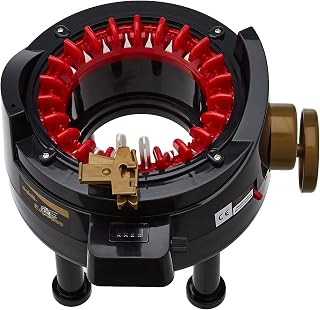
Addi Express Professional Knitting Machine
Check PriceAre knitting machines worth it for beginners?
They can be if the beginner is technically inclined and patient. A simple circular machine is a low-cost entry point. A full flatbed machine requires commitment, but many beginners have learned successfully with online video tutorials. Do not expect to open the box and make a sweater that afternoon.
Can you make money with a knitting machine?
Yes. Many small businesses use flatbed machines to produce beanies, scarves, baby blankets, and custom dog sweaters. The speed allows you to build inventory quickly. You still need to factor in yarn cost, marketing, and finishing time, but a decent sidestream income is achievable.
What is the best cheap knitting machine to try?
The Sentro or Addi Express circular machines often sell for $50–$80. They are fantastic for tubes, hats, and learning the rhythm of carriage knitting without the huge investment. If you enjoy it, you can later upgrade to a flatbed.
Do knitting machines do purl stitches?
Fundamentally, machines knit stockinette (knit on one side, purl on the other). To achieve true purl columns or ribbing, you need a ribber attachment or a double-bed machine that faces a second set of needles toward you. With a ribber, you can create 1×1, 2×2 ribbing, and more complex textured fabrics.
How long does it take to learn a knitting machine?
For a circular knitting machine, you can produce a decent tube within an hour. For a flatbed, plan on 10–20 hours of practice to consistently cast on, maintain even tension, fix drops, and switch colors neatly. Gaining speed and tackling lace or intarsia can take several months of regular use.
The Verdict: Are Knitting Machines Worth It for You?
If you see knitting as a productive output and you value speed, consistency, and scalability, the answer is a clear yes. A knitting machine can transform your hobby into an efficient cottage industry or simply give you the quick gratification that slow stitching cannot. On the other hand, if your joy comes strictly from the tactile process, the portability of two needles, and the pride of every stitch being made by hand, then a machine may sit in the corner collecting dust.
Assess your goals honestly. List three projects you truthfully want to make this year and estimate the time you have. If a machine slashes that to match your schedule, it is an investment well made. Remember, you can always start with an affordable circular unit and, if the bug bites, graduate to a full flatbed later. The most important thing is to keep creating, whether that means the click of needles or the hum of a carriage.
