
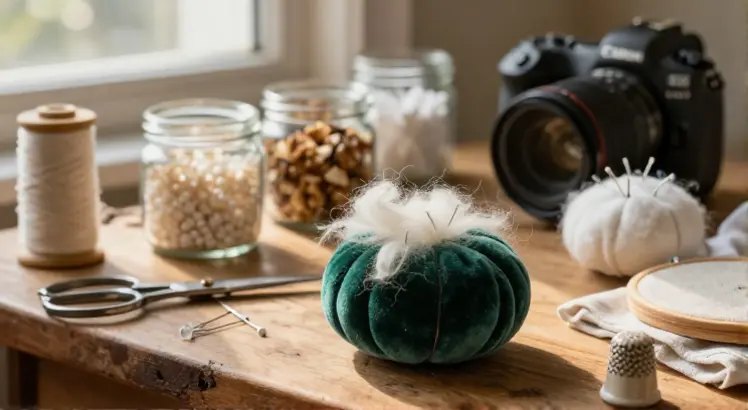
Every sewer knows that a good pincushion is an essential tool in your sewing kit. But have you ever wondered what is the best filling for a pincushion? The filling you choose doesn’t just affect how your pincushion feels, it can actually impact the longevity of your needles and the efficiency of your sewing process. Whether you’re making your own pincushion or looking to refresh an old one, understanding the different filling options will help you make the best choice for your specific sewing needs.
In this comprehensive guide, we’ll explore the most popular pincushion fillings, discuss their pros and cons, and help you determine which one will work best for your sewing style. From traditional options passed down through generations to modern alternatives, you’ll discover everything you need to know about keeping your pins and needles in top condition.
Why Pincushion Filling Matters
Before diving into specific filling materials, it’s important to understand why the filling matters in the first place. Many sewers simply grab whatever pincushion is handy without considering what’s inside. However, the right filling can:
- Keep your needles and pins sharp
- Prevent rust and corrosion
- Make pins easier to insert and remove
- Help organize different types of pins
- Extend the life of your sewing tools
According to experts at the Sewing & Textile Alliance, proper pin storage is crucial for maintaining your sewing tools and ensuring smooth, frustration-free sewing sessions.
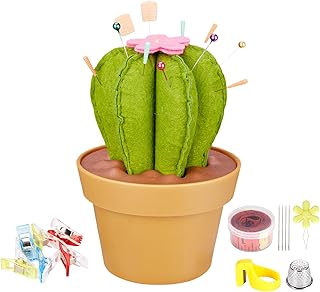
Cactus-Shaped Pin Cushion in a Pot with Included Sewing Notions | Magnetic Pin Holder | Cute Décor for Sewing Desks | Perfect Gift for Quilters, Sewers, Applique & Patchwork Crafters
Check PriceTop Pincushion Filling Options
1. Wool Roving or Wool Felt Scraps
Wool is widely considered the gold standard for pincushion filling, and for good reason. When you stick pins into wool, the natural lanolin in the wool coating helps keep them sharp and prevents rust. This traditional filling has been used by sewers for generations.
Benefits of wool filling:
- Natural rust prevention due to lanolin content
- Helps maintain needle sharpness
- Dense and firm, keeping pins securely in place
- Long-lasting and durable
- Environmentally friendly and sustainable
Drawbacks: Wool can be more expensive than other filling options, and some people may have allergies to lanolin. It can also be harder to find in some areas.
2. Sawdust or Wood Shavings
Sawdust is a traditional filling that many vintage pincushions contain. It’s particularly effective because the fine wood particles help clean and sharpen pins as you insert them.
Benefits:
- Inexpensive and readily available
- Helps sharpen pins naturally
- Provides a firm, stable cushion
- Traditional and authentic option
Drawbacks: Sawdust can be messy if the pincushion gets punctured, and it may not be as effective at preventing rust as wool. It can also attract moisture over time.
3. Sand (Specifically Fine Grain Sand)
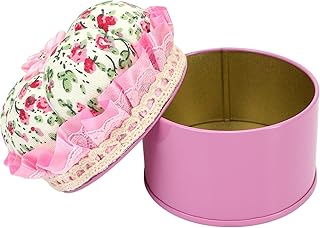
Pink Pin Cushion Lid with Iron Storage Jar, Needles Quilting Pins Holder Case for Sewing, Ideal Gifts for Women, Moms, Grandmas & Quilting Enthusiasts – Room Home Decor DIY Craft
Check PriceSand is an excellent option for sewers who want a heavy, stable pincushion that stays in place while they work. The abrasive nature of sand helps clean pins and needles effectively.
Benefits:
- Excellent for cleaning and sharpening pins
- Provides substantial weight to keep pincushion stationary
- Inexpensive and easy to source
- Doesn’t compress over time
Drawbacks: Sand can be extremely messy if it leaks, and it offers no rust prevention properties. The rough texture might be too abrasive for delicate pins.
4. Steel Wool
Steel wool is a modern alternative that some sewers swear by. It’s particularly useful for removing rust from pins and keeping them clean.
Benefits:
- Excellent for cleaning rusty pins
- Provides good resistance for firm pin placement
- Long-lasting and doesn’t compress
Drawbacks: Steel wool can be too abrasive and may damage delicate pins. It can also rust itself if exposed to moisture, which defeats the purpose of preventing rust on your pins.
5. Crushed Walnut Shells
This eco-friendly option has gained popularity in recent years. Crushed walnut shells provide a unique texture that’s gentle on pins while still offering good stability.
Benefits:
- Environmentally sustainable
- Gentle on pins and needles
- Provides interesting texture and weight
- Naturally antimicrobial properties
Drawbacks: Can be more expensive than traditional options and may not be readily available in all areas. Some people may have nut allergies to consider.
6. Polyester Fiberfill
While not the best choice for functionality, polyester fiberfill is often used in commercially made pincushions because it’s inexpensive and readily available. However, it’s not recommended for serious sewers.
Benefits:
- Very inexpensive
- Easy to find in craft stores
- Lightweight and portable
Drawbacks: Offers no benefits for pin maintenance, compresses over time, provides no rust prevention, and pins may fall out easily. This is more of a “filler” than a functional pincushion filling.
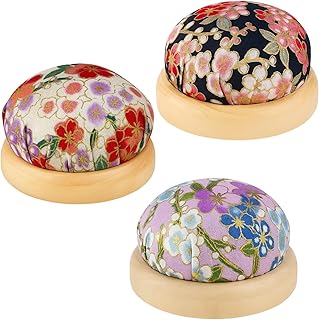
3 PCS Pin Cushion, Wooden Base Pin Cushions for Sewing, Floral Design Sewing Pin Cushion for Quilting, Embroidery, and DIY Crafts, Includes White, Black, and Purple Patterns
Check PriceComparison: Which Filling is Right for You?
Choosing the best filling depends on your specific needs and sewing habits. Here’s a quick comparison to help you decide:
For Rust Prevention: Wool roving is your best bet due to the natural lanolin content.
For Pin Sharpening: Sawdust or fine sand will help maintain sharp points on your pins and needles.
For Stability: Sand or crushed walnut shells provide weight to keep your pincushion in place.
For Budget-Conscious Sewers: Sawdust is inexpensive and effective, making it a practical choice.
For Eco-Friendly Options: Wool or crushed walnut shells are sustainable choices that work well.
How to Make Your Own Pincushion with the Best Filling
Making your own pincushion allows you to choose exactly the filling you want. Here’s a simple guide to creating a pincushion with your preferred filling:
Materials Needed:
- Fabric scraps (cotton works well)
- Your chosen filling material
- Needle and thread
- Scissors
- Optional: decorative buttons or embellishments
Steps:
1. Cut two identical shapes from your fabric (circles work well for traditional round pincushions).
2. Sew around the edges, leaving a small opening for filling.
3. Turn the fabric right side out and press if needed.
4. Fill firmly with your chosen material, using a funnel or the back of a spoon to get the filling into corners.
5. Hand-stitch the opening closed with a ladder stitch for an invisible finish.
6. Add any decorative elements if desired.
If you’re looking for high-quality ready-made pincushions, there are excellent options available that come pre-filled with quality materials.
Specialty Pincushion Fillings
Emery Sand or Emery Powder
Some pincushions are partially filled with emery, a sharp abrasive material that’s excellent for cleaning and sharpening pins. These are often called “emery pincushions” and typically have emery in one section and a softer filling in another.
Best for: Sewers who want to maintain their pins in pristine condition and remove rust spots.
Ground Coffee or Tea
Some sewers use dry ground coffee or tea as a pincushion filling. While it may seem unusual, the abrasive nature can help clean pins, and there’s a pleasant scent benefit.
Drawbacks: These organic materials can mold if they absorb moisture, and they offer no real benefits over traditional fillings.
Maintaining Your Pincushion
Regardless of which filling you choose, proper maintenance will extend the life of your pincushion and keep your pins in better condition:
- Keep your pincushion dry to prevent mold or rust
- Replace the filling if it becomes compacted or loses its effectiveness
- Store in a cool, dry place when not in use
- Consider having multiple pincushions for different purposes
When selecting the right pins for your projects, remember that the pincushion filling you choose should complement the type of pins you use most frequently.
Frequently Asked Questions
Can I mix different fillings in one pincushion?
Yes! Many sewers create divided pincushions with different fillings in each section. For example, you might have wool roving on one side for rust prevention and emery sand on the other for sharpening.
How often should I replace my pincushion filling?
This depends on the filling type and how frequently you sew. Wool roving can last for years, while sawdust might need replacing annually. If you notice your pins aren’t staying sharp or are showing signs of rust, it’s time to refresh the filling.
Is it safe to use food products as pincushion filling?
While some sewers use coffee or rice, these aren’t recommended because they can attract pests, mold, or absorb moisture. Stick with traditional sewing-specific fillings for best results.
Can the wrong filling damage my pins?
Yes, some fillings like steel wool can be too abrasive for delicate pins, while others like polyester fiberfill offer no benefits and may allow pins to become dull or rusty. Choose your filling based on the types of pins you use most.
Do magnetic pincushions need special filling?
Magnetic pincushions work differently—they use a magnet to hold pins rather than embedding them in filling. These don’t require traditional filling at all, though some have a soft covering for protection.
Expert Tips for Pincushion Success
Here are some professional tips to get the most from your pincushion:
- Make pincushions in different sizes for different tasks—a small one for hand sewing and a larger, heavier one for machine sewing
- Label pincushions if you use different fillings for different purposes
- Consider the weight of your pincushion—heavier fillings like sand work well for stationary pincushions, while lighter fillings are better for pincushions you’ll move around
- Test different fillings to see what works best with your specific pins and sewing style
Conclusion
So, what is the best filling for a pincushion? The answer depends on your priorities as a sewer. If rust prevention is your main concern, wool roving is unbeatable. For those who want to keep pins sharp and clean, sawdust or emery fillings work wonderfully. Budget-conscious sewers will appreciate the effectiveness of sawdust, while those wanting an eco-friendly option might prefer crushed walnut shells.
The beauty of understanding pincushion fillings is that you can now make informed decisions about this essential sewing tool. Whether you purchase a ready-made pincushion or create your own, you know what to look for to keep your pins and needles in excellent condition for years to come.
Remember, a good pincushion is an investment in your sewing tools. By choosing the right filling, you’re not just organizing your pins, you’re actively maintaining and extending the life of your sewing essentials. Take the time to experiment with different fillings and discover which one transforms your sewing experience from frustrating to flawless.

Disclosure: As an Amazon Associate, we earn from qualifying purchases at no extra cost to you. Our posts are created with AI tools and human editing.