
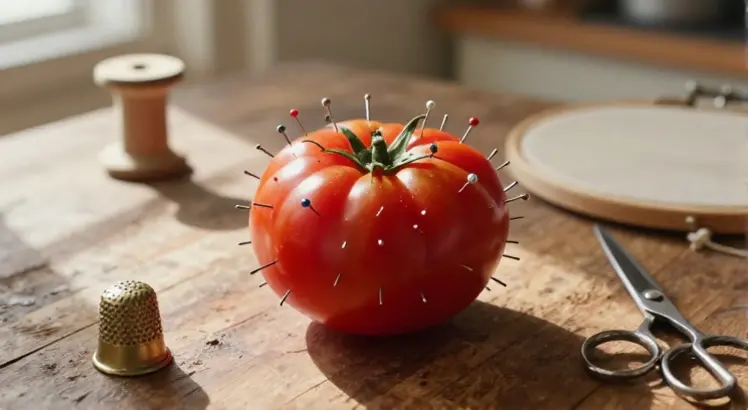
If you’ve ever browsed the sewing aisle of a craft store, you’ve likely spotted the classic red tomato pincushion. Many beginners and even experienced sewists ask: why are pincushions tomatoes? The answer blends practical sewing science, 19th-century marketing, and a dash of folk tradition, all of which we’ll break down in this guide.
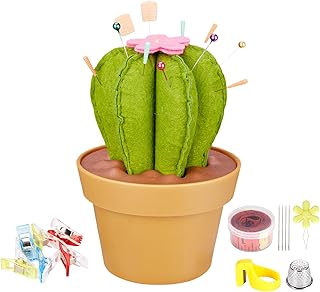
Cactus-Shaped Pin Cushion in a Pot with Included Sewing Notions | Magnetic Pin Holder | Cute Décor for Sewing Desks | Perfect Gift for Quilters, Sewers, Applique & Patchwork Crafters
Check PriceThe Short Answer: Why Are Pincushions Tomatoes?
The tomato shape isn’t just a cute design choice; it’s a purpose-built solution for common sewing pain points. Three core factors drove the popularity of the tomato pincushion: rust prevention, ergonomic usability, and smart 19th-century branding that stuck.
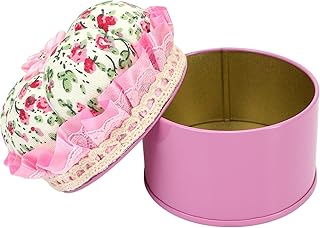
Pink Pin Cushion Lid with Iron Storage Jar, Needles Quilting Pins Holder Case for Sewing, Ideal Gifts for Women, Moms, Grandmas & Quilting Enthusiasts – Room Home Decor DIY Craft
Check PriceRust Prevention: The Core Practical Driver
Early pincushions were often filled with scrap fabric, wool, or sawdust. When steel sewing pins are exposed to moisture (from humidity or oils on your fingers), they can develop rust spots that snag delicate fabric. The tomato pincushion’s filling is typically a blend of dry wool or oat hulls that wicks away moisture from pins, slowing oxidation. Many modern tomato pincushions also include a small packet of silica gel in the filling to further reduce moisture, though this isn’t visible from the outside.
The Attached Strawberry Emery
Almost every classic tomato pincushion includes a small red or green strawberry attached to the side. This isn’t a decorative afterthought; it’s filled with emery, a gritty powdered rock that polishes steel pins and needles. Rubbing your pins against the emery removes built-up oil, thread residue, and early rust spots, keeping your sewing tools sharp and smooth. This dual-function design (cushion for storage, strawberry for maintenance) made the tomato shape far more useful than plain round pincushions without the emery attachment.
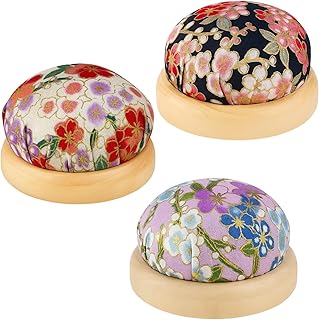
3 PCS Pin Cushion, Wooden Base Pin Cushions for Sewing, Floral Design Sewing Pin Cushion for Quilting, Embroidery, and DIY Crafts, Includes White, Black, and Purple Patterns
Check PriceThe History of Tomato Pincushions
Pincushions date back to the 16th century, when sewists used small stuffed fabric balls or even dried fruit to store pins. As noted in Britannica’s overview of pincushion history, early iterations were often handmade and came in every shape imaginable, from animals to geometric shapes. The tomato shape didn’t gain widespread popularity until the mid-1800s, when mass production of sewing tools began.
19th-century sewing supply companies needed a way to make their pincushions stand out on store shelves. The bright red tomato shape was eye-catching, easy to reproduce consistently, and paired perfectly with the emery-filled strawberry attachment. Marketing materials from the era advertised the “tomato pincushion with emery strawberry” as a must-have for every sewist, and the design stuck. Folk tradition also played a small role: in some 19th-century communities, tomatoes were believed to ward off bad luck, so a tomato-shaped tool for sewing (a task that required focus and precision) felt like a good omen.
Practical Benefits of the Tomato Shape
Ergonomic Design
The round, slightly flattened tomato shape fits perfectly in the palm of your hand. Unlike square or rectangular pincushions, there are no sharp corners to dig into your skin when you’re reaching for a pin mid-sew. You can roll the pincushion between your fingers to access pins stuck on the opposite side, and the soft filling gives slightly when you push a pin in, so you don’t strain your fingers inserting needles. This design is especially helpful for sewists with arthritis or hand pain, as it reduces pressure on joints during long sewing sessions.
Visibility and Portability
The bright red color of classic tomato pincushions stands out against most fabric colors, so you’re less likely to misplace it on a cluttered sewing table. The small size (most are 2-3 inches in diameter) makes them easy to toss in a sewing kit or pocket, so you can take your pins with you when you’re sewing on the go. Many modern tomato pincushions also include a small loop at the top for hanging on a sewing basket or pegboard, adding to their portability. This visibility factor is especially useful for beginners, who often struggle to keep track of small sewing tools.
Common Myths About Tomato Pincushions
Despite their popularity, there are a few misconceptions about why tomato pincushions exist. Let’s clear up the most common ones:
- Myth: The tomato shape is just tradition. Fact: The shape was chosen for specific practical benefits, including ergonomics and rust prevention, not just because it looked nice. Sewists in the 1800s reported fewer rusted pins and less hand strain when using tomato-shaped pincushions compared to other designs.
- Myth: The strawberry is decorative. Fact: The strawberry is filled with emery, a critical tool for maintaining your sewing pins and needles. Using the emery regularly can extend the life of your pins by months, saving you money on replacements.
- Myth: Tomato pincushions are outdated. Fact: Modern sewists still prefer them because they work better than most novelty pincushion shapes, which often lack the ergonomic design or emery attachment. Many high-end sewing brands still sell classic tomato pincushions as part of their core tool lines.
How to Use a Tomato Pincushion Correctly
If you’re new to sewing, our guide to what pincushions are used for covers basic techniques for keeping your needles organized. For tomato pincushions specifically, follow these tips:
- Stick pins into the tomato body, not the strawberry: The strawberry is for cleaning, not storage, and the emery can dull pins if they’re left in it long-term. Only rub pins against the strawberry for 2-3 seconds to polish them.
- Clean your pins regularly: Rub pins and needles against the emery strawberry every few sewing sessions to remove residue and prevent rust. This is especially important if you sew with oily fabrics like leather or waxed canvas.
- Replace the filling if it gets damp: If your pincushion gets wet, remove the filling and let it dry completely to prevent mold and pin rust. You can also add a small packet of silica gel to the filling to absorb excess moisture.
- Store it in a dry place: Avoid leaving your tomato pincushion in humid areas like bathrooms or basements, as moisture in the air can seep into the filling and cause pin rust.
We’ve tested dozens of options to compile our list of the best pincushions for sewing, including modern takes on the classic tomato design that include weighted bottoms to prevent rolling, or magnetic inserts for extra pin security.
Frequently Asked Questions
Are all pincushions shaped like tomatoes?
No, pincushions come in every shape imaginable, from magnetic wrist pincushions to novelty shapes like animals or flowers. However, the tomato shape remains the most popular because of its proven practical benefits, and it’s still the top-selling pincushion shape globally.
What is the strawberry on a tomato pincushion for?
The strawberry is filled with emery, a gritty powdered rock that polishes steel pins and needles. Rubbing your pins against the emery removes built-up oil, thread residue, and early rust spots, extending the life of your sewing tools. It can also sharpen dull needle tips slightly, making it easier to push them through thick fabric.
Can I make my own tomato pincushion?
Yes! Tomato pincushions are simple sewing projects for beginners. You’ll need red fabric, stuffing (wool or sawdust works best for moisture wicking), and emery for the strawberry attachment. Many sewists personalize their homemade tomato pincushions with embroidery, contrasting fabric, or custom labels. It’s a great project for using up small scraps of red fabric left over from other sewing projects.
Do tomato pincushions actually prevent pin rust?
Yes, when used correctly. The dry filling wicks moisture away from pins, and the emery strawberry removes early rust spots before they can damage fabric. For best results, avoid leaving your pincushion in humid areas (like a bathroom) and clean your pins regularly with the emery strawberry. If you live in a very humid climate, look for a tomato pincushion with a plastic outer shell, which repels moisture better than fabric.
Conclusion
So, why are pincushions tomatoes? The answer is a mix of practical design, smart marketing, and centuries of sewist feedback. The round shape is ergonomic, the red color is easy to spot, and the attached emery strawberry keeps your pins in top condition. Whether you’re a beginner stitching your first pillowcase or a seasoned pro working on tailored jackets, the classic tomato pincushion remains one of the most useful tools in a sewing kit.
If you’re in the market for a new pincushion, check out our guide to the best pincushions for sewing to find an option that fits your needs. And if you’re still learning the basics of sewing tools, our guide to what pincushions are used for will help you get the most out of your new tool. Stick with the classic tomato design, and you’ll wonder why you ever used any other pincushion shape.

Disclosure: As an Amazon Associate, we earn from qualifying purchases at no extra cost to you. Our posts are created with AI tools and human editing.