
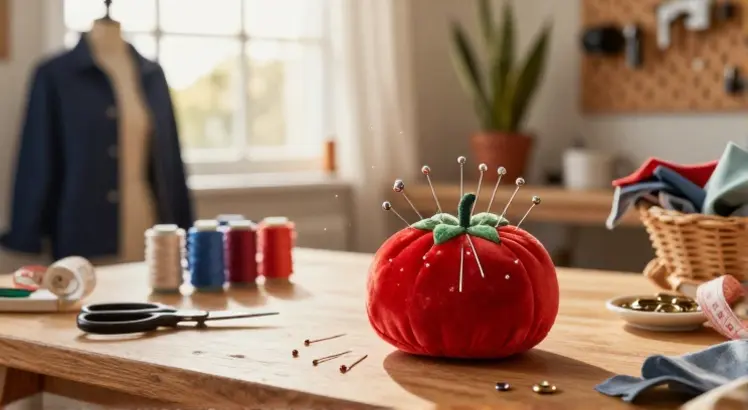
A pincushion is one of the most fundamental tools in any sewing kit, yet many beginners wonder what is a pin cushion used for and why experienced sewers consider it indispensable. Whether you’re hand-sewing a simple repair or working on a complex quilting project, this small but mighty accessory serves multiple critical purposes that can significantly improve your sewing experience and safety.
In this comprehensive guide, we’ll explore the various uses of pincushions, the different types available, and why investing in a quality pincushion is essential for sewers of all skill levels. We’ll also discuss proper usage techniques and maintenance tips to help you get the most out of this traditional sewing tool.
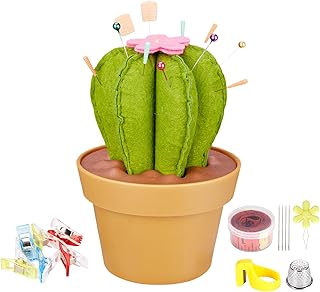
Cactus-Shaped Pin Cushion in a Pot with Included Sewing Notions | Magnetic Pin Holder | Cute Décor for Sewing Desks | Perfect Gift for Quilters, Sewers, Applique & Patchwork Crafters
Check PricePrimary Uses of a Pincushion
Safety and Injury Prevention
The most obvious and critical use of a pincushion is safety. Loose pins scattered on your work surface, floor, or furniture pose serious risks:
- Prevent painful finger pricks while sewing
- Avoid stepping on fallen pins that could cause injury
- Keep pins away from children and pets who might swallow them
- Reduce the risk of pins getting lost in fabric or finished garments
Organization and Accessibility
A pincushion keeps your pins organized and within easy reach. Instead of fumbling with a pin box or scattered pins, you can quickly grab the pins you need without interrupting your workflow. This organization is particularly important when working on delicate fabrics like silk that require frequent pinning and repositioning.
Protecting Pin Points
Quality pins are an investment, and a pincushion helps protect that investment. When pins are stored loosely in a container, they can bump against each other, dulling the points or even bending. A properly filled pincushion keeps pins separated and protects the sharp points that are essential for smooth sewing through multiple fabric layers.
Preventing Rust and Damage
Traditional pincushions are often filled with materials like wool roving, sawdust, or specialized fillings that absorb moisture and prevent rust. Some fillings even contain emery, which can clean and sharpen pins as you insert and remove them. This maintenance aspect is crucial for preserving your sewing tools and ensuring they perform well over time.
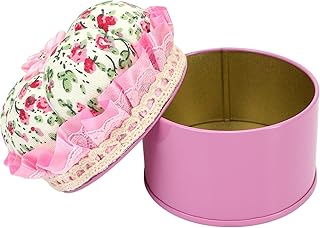
Pink Pin Cushion Lid with Iron Storage Jar, Needles Quilting Pins Holder Case for Sewing, Ideal Gifts for Women, Moms, Grandmas & Quilting Enthusiasts – Room Home Decor DIY Craft
Check PriceTypes of Pincushions and Their Specific Uses
Tomato Pincushions
The classic red tomato pincushion is perhaps the most recognizable sewing tool. Many wonder why pincushions are tomatoes, and the answer lies in both tradition and functionality. These typically come with a small attached strawberry filled with emery powder for cleaning pins. The round shape allows for easy access to pins from all angles, making them ideal for general sewing tasks.
Wrist Pincushions
Wrist pincushions strap to your wrist, keeping pins literally at your fingertips. These are exceptionally useful for:
- Hand-sewing projects where you need constant access to pins
- Curtain making and other large projects
- Situations where you’re moving around your workspace frequently
- Quilting, where you need to pin multiple layers together
Magnetic Pincushions
Magnetic pincushions use strong magnets to hold pins in place. These are excellent for:
- Quick cleanup of spilled pins
- Sewers with arthritis or dexterity issues who find pushing pins into fabric difficult
- Workshops or classrooms where pins might get dropped frequently
Pincushion Rings
Similar to wrist pincushions but worn on a single finger, these are popular among quilters and those doing detailed hand sewing. They provide the ultimate in accessibility, though they hold fewer pins than larger options.
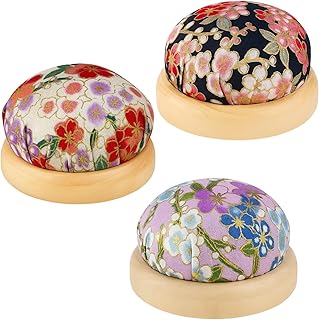
3 PCS Pin Cushion, Wooden Base Pin Cushions for Sewing, Floral Design Sewing Pin Cushion for Quilting, Embroidery, and DIY Crafts, Includes White, Black, and Purple Patterns
Check PriceHow to Choose the Best Pincushion for Your Needs
Selecting the right pincushion depends on your sewing habits and preferences. When exploring the best pincushions for sewing, consider these factors:
Size and Capacity
Consider how many pins you typically use. If you’re working on large projects with many pins, you’ll need a larger cushion. For occasional mending, a smaller option might suffice. A good rule of thumb is to choose a pincushion that can hold at least 50-100 pins comfortably.
Filling Material
The filling affects both the pincushion’s performance and your pins’ longevity. Common fillings include:
- Wool roving: Traditional and excellent for preventing rust
- Sawdust: Firm and holds pins securely
- Plastic pellets: Modern and washable but doesn’t prevent rust
- Steel wool: Helps clean and sharpen pins
Stability and Weight
A pincushion that moves around while you’re trying to insert pins can be frustrating. Look for options with a weighted base or those that come with a stand. Some sewers prefer pincushions that can be attached to their sewing machine or work surface for added stability.
Proper Pincushion Techniques
How to Insert Pins Correctly
To maximize your pincushion’s effectiveness and prolong your pins’ life:
- Insert pins at a slight angle rather than straight down
- Distribute pins evenly around the cushion rather than clustering in one area
- Don’t overfill the pincushion, as this can distort its shape and make pin insertion difficult
Maintenance and Care
To keep your pincushion in optimal condition:
- Replace the filling when it becomes compacted or loses its ability to hold pins firmly
- Clean magnetic pincushions regularly to remove metal filings and debris
- Store fabric pincushions in a dry place to prevent mold or mildew
- Occasionally run emery-filled attachments over your pins to keep them clean and sharp
Pincushions vs. Alternative Pin Storage
While pincushions are traditional, some sewers use alternative storage methods. Let’s compare:
Pin Boxes and Cases
These are good for storage and transport but less convenient during active sewing. Pins can become disorganized, and the box must be opened and closed frequently, which interrupts workflow.
Sewing Clips
Some sewers are transitioning to sewing clips instead of pins for certain projects. While clips have their place, pins remain essential for many techniques, and a pincushion remains the best way to manage them.
Frequently Asked Questions
Can I make my own pincushion?
Absolutely! Making pincushions is a popular beginner sewing project. You can use fabric scraps and various fillings to create a customized pincushion that matches your sewing space. Many sewers find that making pincushions for gifts is a thoughtful way to share their love of sewing with others.
How often should I replace my pincushion?
With proper care, a quality pincushion can last for years. However, if you notice the filling becoming hard and unable to hold pins securely, or if the fabric becomes worn and pins start poking through, it’s time to replace it. Some sewers have pincushions that have lasted decades with occasional refilling.
Are magnetic pincushions better than traditional ones?
Neither is universally better; they serve different needs. Magnetic pincushions are excellent for cleanup and for sewers with dexterity issues, but they don’t help clean or sharpen pins like traditional filled pincushions can. Many sewers keep both types: a magnetic one for cleanup and a traditional one for active sewing.
Why do some pincushions have a strawberry attached?
The strawberry (or sometimes tomato) attachment typically contains emery powder, which cleans and sharpens pins as you push them in and pull them out. This helps maintain your pins and needles, keeping them in good condition for longer. It’s not just decorative – it’s a functional tool for pin maintenance.
Can I use a pincushion for needles too?
Yes, pincushions work well for hand-sewing needles too. In fact, keeping needles in a pincushion can help prevent them from rusting and keep them organized by size and type. Some sewers use different areas of their pincushion for different types of needles and pins.
Conclusion
Understanding what a pincushion is used for goes beyond simply knowing it holds pins. This essential sewing tool enhances safety, improves organization, protects your investment in quality pins and needles, and can even help maintain your tools through specialized fillings. Whether you choose a traditional tomato pincushion, a convenient wrist version, or a modern magnetic option, having a dedicated place to store and access your pins is crucial for efficient and enjoyable sewing.
For beginners, start with a basic tomato pincushion – it’s affordable, traditional, and effective. As you develop your sewing practice, you might find that having multiple pincushion types for different projects enhances your sewing experience. Remember that a pincushion is not just a storage solution; it’s a safety tool, an organizational aid, and a way to extend the life of your sewing supplies.
Invest in a quality pincushion, learn to use it properly, and maintain it well. Your fingers, your floors, and your pins will thank you. Happy sewing!

Disclosure: As an Amazon Associate, we earn from qualifying purchases at no extra cost to you. Our posts are created with AI tools and human editing.