
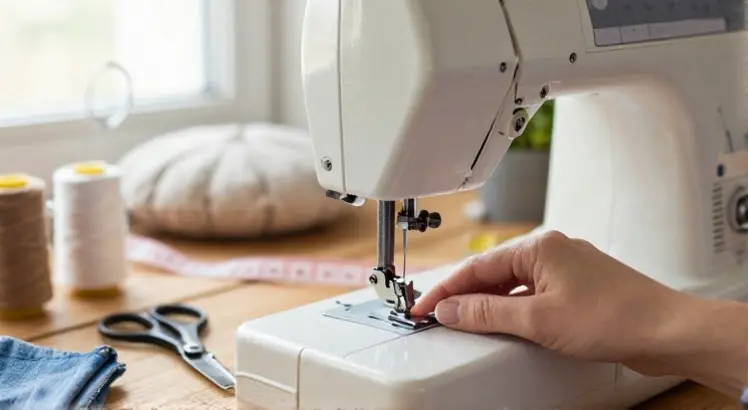
If you’ve ever struggled with puckered seams, shifted plaids, or a quilt sandwich that refuses to stay aligned, you’ve probably asked yourself: what is a walking foot? In simple terms, it’s a specialized presser foot that feeds the top layer of fabric at the same pace as the bottom layer. This small attachment is a game-changer for sewists working with knits, silks, leather, or multiple thick layers, making it a must-have for anyone who wants crisp, professional results without the headache of fabric slipping.
Whether you’re a quilter hoping to conquer straight-line quilting or a garment maker tackling finicky satins and vinyls, understanding how a walking foot works transforms the way you sew. In this guide, we’ll break down everything you need to know, from its mechanics and benefits to attachment steps and common pitfalls, so you can decide when to reach for it and how to make the most of your machine.
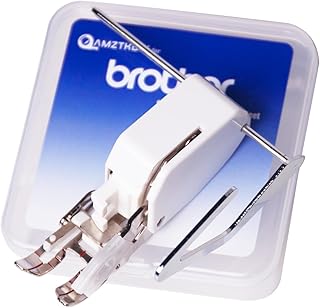
AMZTKDIY Walking Foot Precision Sewing Attachment with Guide for Brother Sewing Machines Even Feeding Quilting and Sewing
Check PriceWhat Is a Walking Foot?
A walking foot, also called an even-feed foot or dual-feed foot, is a presser foot attachment for domestic sewing machines that acts like a second set of feed dogs on top of the fabric. While a standard presser foot only pushes fabric down onto the lower feed dogs, a walking foot grips the top layer with its own built-in feed mechanism and moves it forward in unison with the bottom feed. This synchronized feeding prevents the layers from shifting, puckering, or stretching unevenly as you sew.
The walking foot first gained popularity among quilters because it eliminates the creep that happens when batting, backing, and the quilt top slide against each other. Today, though, its usefulness extends far beyond quilting, garment sewists rely on it for hemming knits, matching stripes and plaids, and sewing tricky materials like leather, vinyl, or waterproof canvas. In fact, many brands now sell universal snap-on or screw-on walking feet designed to fit a wide range of machines. If you’d like a deeper look at how it stacks up against a standard foot, don’t miss our walking foot versus presser foot comparison.
How Does a Walking Foot Work?
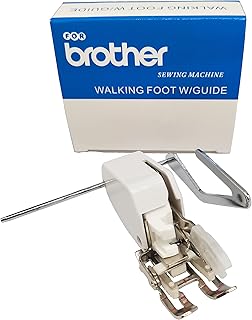
HONEYSEW Open Toe Walking Foot W/Guide for Brother Sewing Machine Quilting and Sewing Stitch Through Multiple Layers
Check PriceThe magic lies in a simple mechanical design. A walking foot has a forked lever that rests on the needle bar or the needle clamp screw. As the needle goes up and down, the lever rocks the foot’s top feed dogs back and forth, pulling the upper fabric along at exactly the same rate as the machine’s lower feed dogs. This tandem movement creates an even feed that stops layers from creeping ahead or lagging behind.
Imagine you’re sewing two pieces of slippery satin. A regular foot presses down so hard that the top layer stretches and advances faster than the bottom one, resulting in a skewed seam. When you install a walking foot, the top feed dogs gently grip that satin and walk it forward step by step, perfectly matching the motion underneath. The result? A seam that lies flat, with no ripples or misaligned ends.
It’s worth noting that some high-end sewing machines come with a built-in dual-feed system (often called IDT on Pfaff models or a top-feed sensor). However, most home sewists achieve the same effect with an attachable walking foot. To learn about machines that have this feature integrated, check out our article on what is a walking foot sewing machine.
Why You Need a Walking Foot
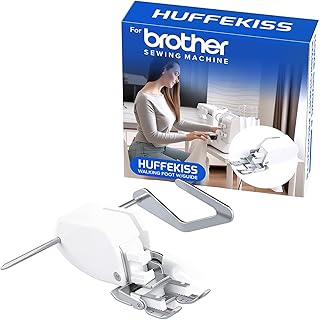
Walking Foot Even Feed Presser Foot with Quilt Guide for Low Shank Sewing Machines, Compatible with Brother, Singer, Janome, Kenmore, Heavy Duty for Quilting, Leather & Thick Fabrics
Check PriceA walking foot isn’t just a nice to have, for certain projects, it’s essential. It solves three of the most frustrating sewing problems in one elegant device: fabric shifting, uneven feeding, and puckering. By holding all layers in a steady embrace, it helps you achieve crisp topstitching, matched prints, and perfectly aligned binding.
- Prevents puckering on fine fabrics: Delicate silks, lightweight cotton lawn, and sheer organza often pucker under a standard foot because the top layer is pushed ahead. The walking foot eases them through without distortion.
- Keeps stripes and plaids in line: When sewing garment pieces cut on the bias or matching a plaid across a seam, even a millimeter of shift is visible. The even-feed action holds everything firmly so your pattern stays crisp.
- Makes quilting achievable: Straight-line quilting through a quilt sandwich (top, batting, backing) is nearly impossible without a walking foot. It prevents the dreaded tucks and pleats that appear on the backing when layers move independently.
- Conquers thick or sticky materials: Vinyl, faux leather, oilcloth, and even dense wool coatings tend to stick to a metal presser foot and resist moving forward. The walking foot’s top feed dogs power through the resistance.
- Improves hemming on knits: Sewing a double-fold hem on jersey or interlock can stretch the fabric into a wavy mess. A walking foot gently feeds the stretchy knit without pulling, creating a flat, factory-like hem.
Walking Foot vs. Regular Presser Foot: Key Differences
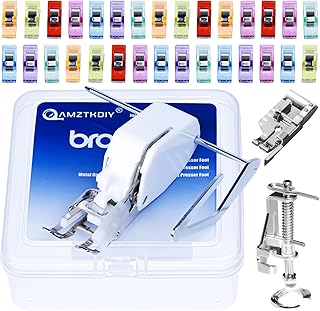
AMZTKDIY Walking Foot Presser Foot– Precision Sewing Attachment W/Guide for Brother Sewing Machines Even Feeding Quilting and Sewing Set
Check PriceSimply put, a regular presser foot relies solely on the machine’s bottom feed dogs to move fabric. It can be a general-purpose foot, a zipper foot, or a rolled hem foot, what they have in common is that they press down and slide along the top layer without actively feeding it. This passive approach works beautifully on stable wovens and for most everyday stitching.
In contrast, a walking foot adds active top transport. Think of it as a conveyor belt on both sides of your fabric. This crucial difference means that whenever you have layers that might stick, stretch, or shift, a walking foot maintains control. The trade-off is that a walking foot is bulkier and typically not suited for narrow free-arm sewing, curved edges, or decorative stitches where a clear view of the needle is required. But for straight lines on tricky constructions, it’s unbeatable. For a full breakdown, visit our detailed walking foot and presser foot comparison.
When Should You Use a Walking Foot?
A walking foot isn’t an all-the-time accessory; you won’t need it for basic cotton seams or when sewing bagged-out linings. However, specific situations call for it immediately. Look for these signs: your top fabric keeps crawling ahead, the needle is pushing the fabric down into the needle plate, or you see wavy seams on stretch material. If you’re working with any of the fabrics or techniques below, reach for your walking foot.
Fabrics That Love a Walking Foot
- Silk charmeuse, satin, and crepe de chine
- Stretchy knits: jersey, ribbed knit, double brushed poly
- Faux leather, genuine leather, suede
- Vinyl, oilcloth, laminated cotton
- Minky, fleece, and plush fabrics
- Velvet and velveteen
- Multiple layers of denim or canvas
Projects That Demand Even Feeding
- Straight-line quilting and stitch-in-the-ditch
- Bag making with thick interfacing
- Attaching binding or elastic casings
- Sewing zippers on stretchy garments
- Seam finishing on heavy outerwear
- Home décor: curtains, cushions with multiple fabric layers
How to Attach and Use a Walking Foot (Step-by-Step)
AMZTKDIY Walking Foot Precision Sewing Attachment with Guide for Brother Sewing Machines Even Feeding Quilting and Sewing
Check PriceAttaching a walking foot is simpler than it looks. Most modern snap-on models take less than a minute to install. Follow these steps:
- 1. Remove your current presser foot. Raise the presser foot lever and unscrew the shank or press the quick-release button to detach the standard foot.
- 2. Position the walking foot. Slip the walking foot’s rear fork over the needle clamp screw. The lever must sit on top of the needle bar so it moves with every stitch. For snap-on shanks, simply clip the foot onto the adapter.
- 3. Secure the attachment. Tighten the thumb screw or snap it firmly into place. Give it a gentle tug to confirm it’s stable.
- 4. Select the right needle and stitch. Use a universal or ballpoint needle appropriate for your fabric. Stick to a straight stitch or a very narrow zigzag, decorative stitches can break the walking foot because the side-to-side motion conflicts with the feeding mechanism.
- 5. Adjust stitch length. A walking foot can make tiny stitches even tighter, so set your stitch length slightly longer than usual (around 2.8–3.2mm) for best results.
- 6. Slow down. The walking foot has moving parts; sewing at a moderate speed prevents jamming and gives you better control over bulky layers.
For an in-depth walkthrough, our tutorial on how to attach a walking foot covers installation for popular brands like Brother, Janome, and Singer.
Common Mistakes to Avoid When Using a Walking Foot
Even experienced sewists can run into trouble with a walking foot. The most frequent pitfalls are easy to prevent once you know what to watch for.
- Sewing over pins. Hitting a pin with the walking foot’s top teeth can break the needle or damage the mechanism. Always remove pins before they pass under the foot, or use fine-head pins and slow down dramatically.
- Forgetting to lower the presser foot lever. If the foot isn’t lowered, the top feed dogs won’t engage, and you’ll notice no difference in feeding.
- Using the wrong stitch. Walking feet are designed for straight stitches. A zigzag or triple stretch stitch can cause the needle to strike the foot and snap.
- Installing the foot incorrectly. If the lever isn’t seated on the needle clamp, the top feed won’t move. Always test with a scrap before starting your project.
- Not reducing presser foot pressure. Many computerized machines let you lower the presser foot pressure. Pairing a walking foot with high pressure can still push the top layer too much. Reduce it slightly for delicate fabrics.
- Storing the walking foot loose in a drawer. The moving parts can get knocked out of alignment. Store it in its original box or a dedicated slot in your accessory tray.
Frequently Asked Questions
Do I really need a walking foot?
If you sew garments with stretchy or slippery fabrics, quilt, or work with vinyl and leather, a walking foot is a worthwhile investment. It saves hours of unpicking and gives a polished finish that is hard to achieve any other way. Even occasional sewists find they use it more than expected once they see how much easier projects become.
Can I use a walking foot for regular sewing?
Technically yes, but it’s not ideal. A walking foot is heavier and louder, and it can obscure the needle area, making it awkward for pivoting, topstitching close to an edge, or sewing curves. For everyday straight seams on cotton or linen, a standard presser foot is faster and more comfortable.
Will a walking foot work on all sewing machines?
Most modern low-shank machines accept a snap-on or screw-on walking foot. High-shank machines may need a dedicated version. Always check your manual and buy a foot designed for your specific brand and model. Singer, Brother, Janome, and Juki all have branded walking feet, and universal options list compatible models on the packaging.
How is a walking foot different from a dual-feed system?
A dual-feed system, like Pfaff’s IDT, is built into the machine head and engages a secondary feed mechanism from within, whereas a walking foot is an external attachment you clamp on. Both achieve the same goal, but integrated systems are often smoother and allow a wider range of stitches. Attachable feet are a budget-friendly alternative with comparable results for straight stitching.
Does a walking foot help with free-motion quilting?
No. A walking foot is specifically for straight-line quilting when the feed dogs are engaged. For free-motion quilting, you typically lower or cover the feed dogs and use a darning or free-motion foot instead. The two attachments serve opposite purposes.
Final Tips for Walking Foot Success
Once you start using a walking foot, you’ll wonder how you managed without it. The key is knowing when its capabilities truly shine, and when a simpler foot will serve you better. For slippery dress fabrics, bulky quilt sandwiches, or matching that placket precisely, pulling out the walking foot is a no-brainer. For a simple cotton tote, you can leave it in the accessory box.
Remember to test on scrap material first, adjust your stitch length, and keep a moderate speed. When cared for and installed correctly, a quality walking foot becomes a loyal workshop companion. To see how it compares to a standard presser foot in everyday scenarios, revisit our walking foot and presser foot comparison. And if you’re curious about machines that integrate this functionality right into the design, read this guide on walking foot sewing machines.
For a deeper dive into the mechanics and additional troubleshooting tips, you might also enjoy this comprehensive resource on even-feed feet at The Spruce Crafts.
With a little practice, that walking foot will help you achieve professional-grade results on every project, without the struggle of feeding mismatches. So go ahead: install it, slow down, and watch your fabric move through the machine as smoothly as you’d hoped it would all along.
