
If you’ve ever stood in a fabric store staring at rows of colorful spools, you’ve probably asked yourself: Is Mettler thread good quality? It’s a fair question. Thread is the backbone of every sewing project, and you don’t want stitches popping or shredding after the first wash. Mettler has a reputation among quilters, garment sewists, and embroiderers, but is it really worth the premium price? In this guide, I’ll break down everything you need to know, from fiber content and lint levels to how it stacks up against competitors like Gutermann, so you can decide whether Mettler belongs in your sewing box.
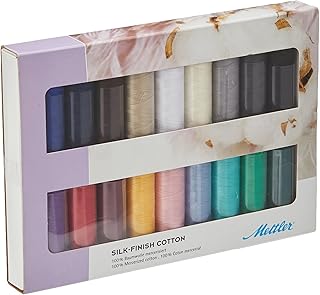
Mettler Silk Finish Cotton Thread Set – 18 Pcs
Check PriceWhat Makes a Sewing Thread Good Quality?
Before we zero in on Mettler, let’s define what high-quality thread actually means. A great thread needs to perform across four key dimensions: strength, consistency, smoothness, and color integrity. For home sewists, it also has to glide through a sewing machine without breaking, fraying, or leaving a blizzard of lint inside the bobbin case. The best threads are mercerized (for cotton) or have a silk-like finish that reduces friction. They’re also colorfast, so your project won’t bleed dye onto fabric when you pre-wash it or wear it on a hot day.
- Strength and Tensile Stability: The thread shouldn’t snap under normal tension. Look for a consistent diameter and high break resistance.
- Low Lint Production: Excessive lint clogs machines and degrades stitch quality over time.
- Smooth Feeding: A uniform twist and polished surface prevent skipped stitches and thread jams.
- Colorfastness and Dye Quality: Colors must resist fading, running, and bleeding, especially on high-contrast fabrics.
With that checklist in mind, let’s see how Mettler measures up.
Mettler Thread Overview: The Brand and Its History
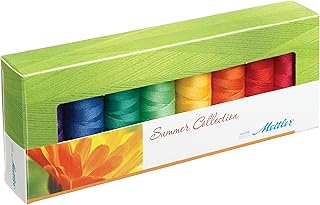
Mettler Silk-Finish Summer Cotton Thread Set (8 Spools)
Check PriceMettler is a Swiss brand, but today it operates under the umbrella of the Amann Group, a German textile giant with over 160 years of thread-making expertise. You’ll often see it spelled Mettler or Amann Mettler. The company produces a wide range of sewing, quilting, and embroidery threads designed for both home sewists and industrial use. Their popular lines include Metrosene (all-purpose polyester), Silk-Finish Cotton (mercerized cotton for quilting and piecing), and Seracor (a high-sheen polyester often used in machine embroidery).
Because Mettler threads go through rigorous quality control, they’ve built a loyal following among precision sewists. The long-staple cotton and continuous filament polyester they use are often cited as reasons for their smooth, virtually lint-free performance.
Key Features of Mettler Thread that Define Its Quality
Fiber Content and Material Choices
Mettler doesn’t cut corners on raw materials. Their Silk-Finish Cotton uses long-staple Egyptian cotton, mercerized for added luster and strength. This cotton feels almost waxy, not from a coating, but from the gassing and polishing process that burns off surface fuzz. The result is a thread that doesn’t lint up your machine and creates crisp, defined stitches. For polyester lovers, Metrosene is a high-tenacity, continuous filament core-spun polyester that resists fraying and holds knots securely.
Strength and Tensile Performance
When you tug on a length of Metrosene or Silk-Finish Cotton, you’ll feel a sturdy resistance without the brittleness you get from some budget threads. In controlled tests, Mettler threads consistently show above-average breaking strength. This translates into seams that don’t pop under stress, a big deal for fitted garments, bags, or quilt tops that endure pulling during the basting and quilting process.
Lint Production and Smoothness
One of the most common compliments you’ll hear from sewists is that Mettler runs cleaner than almost any other thread on the market. The gassed and polished finish of the cotton line means tiny fibers don’t shed into your machine’s tension discs and bobbin area. Less lint means fewer stops for cleaning and fewer tension headaches, a major quality-of-life upgrade if you sew for hours.
Color Range and Colorfastness
Mettler offers a generous palette, with over 100 colors in some lines. The dyes are highly resistant to fading and bleeding, making the thread safe for heirloom quilts and garments that see frequent washing. You can confidently stitch a white blouse with a deep red Mettler thread without worrying about pink stains after the first wash, provided you follow care instructions.
Mettler Thread Quality vs. Other Top Brands
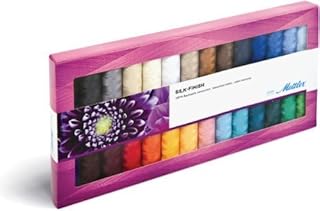
Mettler Silk Finish Thread Kit, 28 Reels
Check PriceTo answer Is Mettler thread good quality? we need to compare it to its peers. Two names dominate the conversation: Gutermann and Coats & Clark. Here’s how they differ.
Mettler vs. Gutermann: A Direct Comparison
Gutermann is often considered Mettler’s closest competitor. Both brands produce high-end polyester and mercerized cotton threads. In a direct comparison between Gutermann and Mettler, many sewists note that Mettler’s Silk-Finish Cotton feels smoother and produces significantly less lint than Gutermann’s natural cotton. On the polyester side, Gutermann Sew-All is slightly thinner and can sometimes feel wiry, while Metrosene has a silkier hand and rounder finish. Both are excellent, but Mettler edges ahead for lint-free sewing and stitch definition on quilting cotton.
Mettler vs. Coats & Clark
Coats & Clark is widely available and budget-friendly, but its quality is inconsistent. The thread tends to be fuzzier, throws more lint, and can break more easily under high-speed piecing. Compared to Coats, Mettler is a noticeable step up, smoother, stronger, and more reliable for projects you want to last.
Best Uses for Mettler Thread
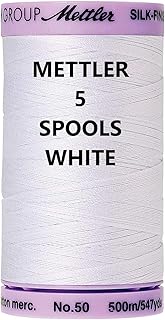
Mettler Silk-Finish Solid Cotton Thread, 5 Pack White
Check PriceBecause Mettler produces specialist lines, matching the right thread to your task maximizes its quality potential. Here are the sweet spots:
- Quilting and Piecing: Silk-Finish Cotton 50wt is the gold standard for piecing. It’s thin enough to nest seams tightly yet strong enough to hold the layers together. Many award-winning quilters won’t sew with anything else.
- Garment Sewing: Metrosene (polyester) works wonderfully on woven and knit fabrics. It has a slight stretch that moves with the fabric, which reduces popped seams on stretch denim or jersey.
- Machine Embroidery: The Seracor line has a gorgeous sheen and vibrant colors, making it a favorite for decorative stitching and free-motion embroidery.
- Hand Sewing and Hems: The wax-free finish glides through fabric without tangling, so hand-stitching a blind hem feels effortless.
Common Issues and What Sewists Say
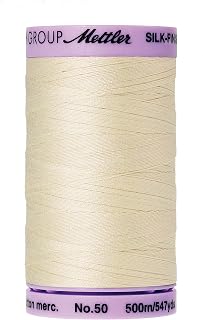
Mettler Silk-Finish Cotton Thread, Antique White
Check PriceNo thread is perfect, and Mettler does draw a few criticisms. Some sewists report that older spools of Silk-Finish Cotton can become brittle if stored in direct sunlight or extremely dry environments. Also, because the cotton line is so smooth, the thread tail can sometimes slip out of a needle eye more easily than a slightly rougher thread. But these are minor quibbles compared to the overwhelming praise for stitch quality and minimal lint.
Real-world feedback from sewing groups and forums consistently highlights Mettler’s reliability. I switched to Mettler Silk-Finish and my machine stays clean for days, is a common refrain. For those who’ve battled tension loops and breakage with bargain threads, Mettler often feels like a revelation.
How to Choose the Right Mettler Thread for Your Project
Quality means nothing if you pick the wrong weight or fiber. Use this quick match:
- Cotton tops & quilting: Silk-Finish Cotton 50wt for piecing, 40wt for quilting the layers.
- Polyester for everyday sewing: Metrosene 100m/110yds spool. Go for 100wt if you need ultra-fine invisible seams.
- Embroidery: Seracor 40wt for a glossy look. Match the needle size, topstitch needle 80/12 or embroidery needle 75/11 works well.
To dive deeper into the entire lineup, check out our comprehensive guide to the best Mettler thread varieties. It breaks down each product so you can pick the perfect spool for your next create.
Frequently Asked Questions
Is Mettler thread good for sewing machines?
Absolutely. Mettler’s low-lint formulation keeps feed dogs and tension discs cleaner for longer. Whether you own a basic mechanical machine or a high-end computerized model, Mettler runs smoothly with minimal adjustments. Just remember to use a matching needle, a Microtex or universal needle size 70/10 or 80/12 pairs well with 50wt threads.
Does Mettler thread break easily?
No. When used with the correct tension and needle, Mettler thread is exceptionally strong. Most breakage issues stem from a burr on the needle plate, a worn needle, or tension set too high. If you’re snapping threads, troubleshoot your machine before blaming the spool.
Which is better, Mettler or Gutermann?
It depends on your priorities. For quilting with cotton thread, Mettler Silk-Finish typically wins for its silkier finish and near-zero lint. Gutermann’s Sew-All polyester is exceptional for garment sewing, but Metrosene matches it closely and often feels smoother. Read our detailed side-by-side comparison before making a final choice.
Can I use Mettler thread for quilting?
Yes, and many quilters consider it the best. Silk-Finish Cotton 50wt is the most popular choice for piecing because it presses flat and helps create accurate quarter-inch seams. For the actual quilting stitches, you can stick with the same weight or move up to a 40wt for a bolder look.
Is Mettler thread worth the price?
If you sew regularly and value stitch quality, yes. Mettler costs more than bargain bin threads, but the reduction in lint, breakage, and frustration adds up. For heirloom projects, garments you want to keep for years, or everyday sewing where you don’t want to battle your machine, it’s a worthwhile investment.
Conclusion: Mettler Thread Delivers on Quality Promises
So, is Mettler thread good quality? The answer is a resounding yes, provided you choose the right product for your fabric and purpose. The Swiss-engineered threads consistently outperform cheaper alternatives in smoothness, strength, and lint control. While you’ll pay a bit more per spool, you’re paying for fewer headaches and seams that hold up wash after wash. If you’re ready to elevate your sewing, give Mettler a try. Start with a small spool of Silk-Finish Cotton or Metrosene and watch how differently your machine behaves. You might just never go back to generic thread again.
For further reading on thread selection, tips, and brand breakdowns, explore Mettler’s official product details to see the full technical specs of each line. And don’t miss our curated list of the best Mettler threads to make your next purchase a confident one.
