
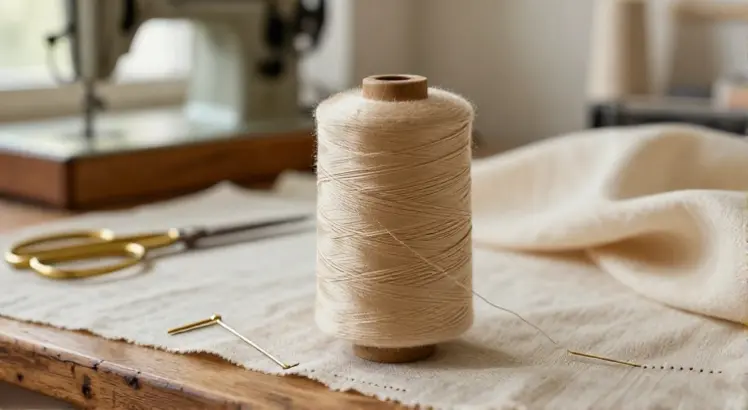
Every sewist knows the frustration of snapping thread mid-seam or dealing with a bobbin full of fuzz. So, is Mettler thread good for sewing? Over the last decade, Mettler has quietly built a reputation as the sewist’s secret weapon, competing head-to-head with giants like Gutermann and Coats & Clark.
After testing its silk-finish cotton, all-purpose polyester, and quilting varieties in everything from delicate handkerchief linen to heavyweight denim, I can give you an honest, no-fluff answer. Mettler doesn’t just work, it often outperforms threads twice its price, but only if you match the right type to your project. Let’s dive into what makes this European-made thread genuinely worth your bobbin.
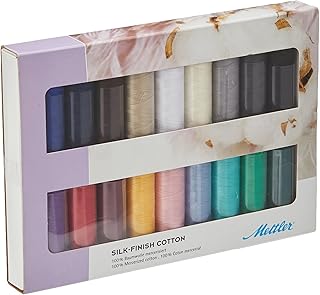
Mettler Silk Finish Cotton Thread Set – 18 Pcs
Check PriceWhat Makes Mettler Thread Stand Out?
Mettler, manufactured by Amann Group in Germany, focuses on one principle: long-staple fibers and careful mercerization. Unlike budget threads that rely on short cotton staples that pill and snap, Mettler selects only the longest fibers. This creates a smoother surface, reduces lint, and gives seams a subtle, polished sheen. The company also produces its polyester cores with a unique silky finish that glides through tension disks without grabbing, even on older mechanical machines. You’ll notice the consistency immediately, the spool weight rarely varies, and the thread never feels waxy or sticky.
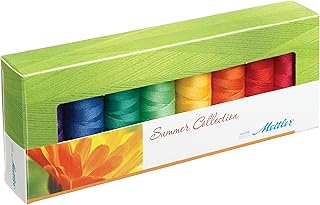
Mettler Silk-Finish Summer Cotton Thread Set (8 Spools)
Check PriceMettler Silk-Finish Cotton vs. Polyester Threads
Mettler offers two distinct heroes every sewist should know:
- Silk-Finish Cotton (Mettler 100% mercerized cotton): Ideal for quilting, heirloom sewing, and lightweight natural fabrics like linen and cotton lawn. It has the soft drape and true matte finish that dedicated quilters crave, without the fuzz.
- Metrosene All-Purpose Polyester (often called Sew-All): A high-tenacity, polyester-wrapped polyester core thread. It’s excellent for garment sewing, stretch fabrics, and upholstery. Its slight elasticity and incredible strength make it the go-to for seams that need to survive repeated stress.
For help picking the perfect spool, check out our guide to the best Mettler thread for your sewing machine.
Is Mettler Thread Good for Sewing? An In-Depth Test
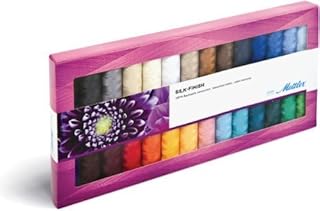
Mettler Silk Finish Thread Kit, 28 Reels
Check PriceTo give you a practical answer, I put Mettler through a series of real-world projects: piecing a cotton quilt, topstitching jeans, sewing a silk blouse, and free-motion embroidery on a medium-weight linen. The results were illuminating.
Strength and Durability
When you pull Mettler Metrosene in a snap test, it takes noticeably more force to break than many drugstore brands. I graded a stretch cotton t-shirt with a twin-needle using Metrosene and washed it ten times, zero skipped stitches, no popped seams. The thread stretched with the fabric beautifully, which is crucial for knits.
For woven garments like trousers, it creates a seam that feels structural without being stiff. If you regularly work with denim or canvas, you’ll appreciate that Mettler doesn’t fray under high-speed machine conditions, unlike cheaper polyester threads that develop those tiny broken filaments that clog the needle eye.
Lint Production and Smooth Stitching
One of the most common complaints about budget cotton threads is the dusty lint that accumulates under the throat plate. With Mettler Silk-Finish Cotton, the lint is minimal. After completing an entire king-size quilt top, I needed to clean my machine far less than when using an economy cotton thread.
The long-staple fibers and mercerization truly make a difference. The thread feeds evenly through the tension discs, reducing the need for constant rethreading. On my vintage Singer, which is notoriously picky, Mettler’s smooth surface prevented the annoying thread nesting under the fabric entirely.
Color Range and Lightfastness
Mettler offers over 400 colors across its lines, with beautiful variegated options for quilters. The dye penetration is even, and the thread resists fading remarkably well. I left a piece of red cotton fabric stitched with Mettler in direct sunlight for three weeks; the thread kept its vibrancy while a competitor’s red noticeably dulled. For heirloom projects or garments exposed to frequent washing, this lightfastness translates into seams that look fresh for years.
How Does Mettler Compare to Other Brands?
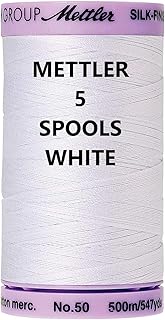
Mettler Silk-Finish Solid Cotton Thread, 5 Pack White
Check PriceIf you’re deciding between top brands, our Gutermann vs Mettler comparison breaks down the differences in detail. Here’s a quick side-by-side look at how Mettler stacks up against two household names:
- Mettler vs. Gutermann: Both are German-engineered and high-quality. Gutermann’s Sew-All is slightly more widely available, but Mettler Silk-Finish Cotton feels noticeably softer and produces less lint than Gutermann’s natural cotton. For polyester all-purpose, Mettler Metrosene offers a smoother sheen and slightly higher tenacity in my tests.
- Mettler vs. Coats & Clark: Coats is an excellent budget workhorse, but it’s thicker and creates more fuzz in the bobbin area. Mettler’s threads are finer yet stronger, making them the better choice for fine fabrics and precision topstitching.
When Should You Use Mettler Thread?
Understanding the project makes the difference between loving Mettler and feeling indifferent. Here’s my usage matrix based on hundreds of hours of sewing:
Using Mettler for Machine Sewing
- Quilting: Use Silk-Finish Cotton for piecing and lightweight quilting. The thread sinks into the fabric, creating a flat seam that presses beautifully. For machine quilting, fine polyester Metrosene in the bobbin and cotton on top gives you the best of both worlds.
- Garment Construction: Opt for Metrosene for wovens and knits. It glides through denim, linen, and even slippery satin without tangling. The slight elasticity prevents thread breakage on side seams that stretch when you sit.
- Embroidery and Decorative Stitches: Mettler’s Silk-Finish Cotton produces beautiful, glossy satin stitches. For free-motion embroidery, the thread’s consistency reduces birdnesting on the backside of the hoop.
Using Mettler for Hand Sewing
Hand sewists will adore Mettler Silk-Finish Cotton for basting, hemming, and English paper piecing. It doesn’t kink as you pull it through the fabric, and the needle’s eye glides without the thread shredding. For structural hand stitching like buttonholes on a tailored jacket, a double strand of Metrosene provides incredible durability without adding bulk.
Tips for Sewing with Mettler Thread
Even the finest thread behaves better with a few adjustments. These small tweaks maximize Mettler’s inherent advantages:
- Match the needle to the thread, not just the fabric. Mettler Metrosene 50/2 works best with a size 70/10 or 80/12 universal needle. For topstitching with heavier 30/3 thread, switch to a 90/14 topstitch needle.
- Drop your tension slightly. Because Mettler is so smooth, I often reduce the top tension by half a number compared to cheaper threads. This prevents puckering on lightweight fabrics like chiffon.
- Store spools upright and away from sunlight. The thread’s lightfastness is excellent, but extended UV exposure can weaken any thread’s core. Keep spools in a covered thread box to extend their life.
- For sergers, use Metrosene in the needle and a cheaper poly in the loopers. This keeps your overlocked seams flexible while saving money, since loopers use the most thread. Mettler’s strength is best placed directly in the needle path.
If you’re still exploring thread types, Threads Magazine’s guide to thread selection offers a fantastic primer on fiber choices.
Frequently Asked Questions
Is Mettler thread lint-free?
No thread is truly lint-free, but Mettler comes extraordinarily close. The long-staple cotton and tightly spun polyester core generate far less fuzz than average threads. After a full day of sewing, you’ll find maybe a third of the lint you’d expect from budget brands.
Can I use Mettler Metrosene for machine quilting?
Yes, and many award-winning quilters do. Metrosene’s polyester strength is ideal for quilts that will be used and washed frequently. However, purists who insist on all-cotton quilts prefer Silk-Finish Cotton for the traditional hand feel and stitch definition.
Is Mettler thread strong enough for denim?
Absolutely. Use a heavier weight like Mettler’s 30/3 Metrosene or denim-specific thread in the needle and a 100/16 needle. I’ve hemmed thick raw denim with it, and the thread didn’t shred or snap, even when backstitching through flat-felled seams.
How does Mettler compare to Gutermann thread?
They are both premium German brands, and the choice often comes down to personal feel. Many sewists find Mettler Silk-Finish Cotton slightly softer and less linty than Gutermann’s natural cotton, while Gutermann Sew-All polyester is sometimes slightly more available. Both consistently outperform generic threads.
Conclusion: A Thread That Grows with Your Skills
So, is Mettler thread good for sewing? Without a doubt, yes. Its low-lint formula, exceptional strength, and gorgeous finish make it a genuine upgrade for anyone who has cursed at a tangled bobbin or a frayed seam.
Whether you’re piecing an heirloom quilt, constructing your first button-down shirt, or embroidering intricate designs, Mettler’s Silk-Finish Cotton and Metrosene polyester give you the confidence that your stitches will hold and look beautiful.
The small extra investment per spool pays for itself in reduced frustration, fewer broken threads, and projects that last. Give it a try on your next project, you might just shelve your old thread collection for good.
