
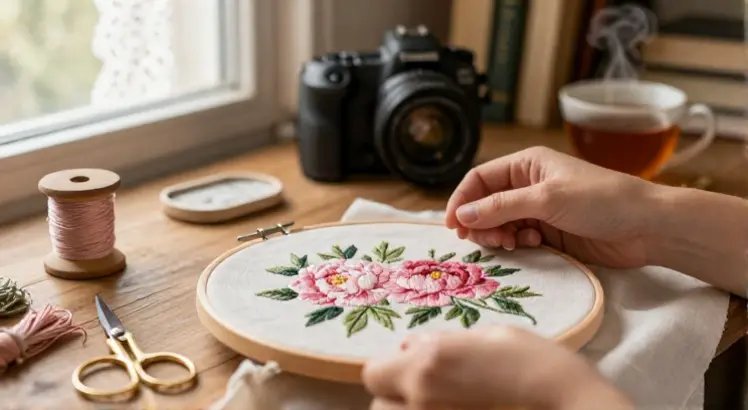
When exploring creative outlets, the first question many ask is about the financial commitment. You might wonder if you need a trust fund just to start stitching. The short answer is that hand embroidery is incredibly democratic and accessible.
Unlike hobbies demanding heavy machinery or expensive software, the barrier to entry here is strikingly low. You can genuinely start with pocket change and upgrade as your passion grows. It is a hobby that scales perfectly with your budget.
However, like any craft, the costs exist on a spectrum. A single needle costs pennies, but a full collection of silk threads can add up. Let’s unravel the true cost of this timeless art form.
The Minimalist Starter Kit: How Low Can You Go?
Embroidery: The Ideal Guide to Stitching
Check PriceThe absolute cheapest way to begin is by sourcing supplies from your own home. A sewing needle from a basic repair kit works perfectly for learning. You do not need specialized embroidery needles on day one.
For fabric, an old cotton pillowcase or a scrap of linen offers an excellent practice surface. The tight weave of these materials holds stitches beautifully. Cutting up a garment you no longer wear is a zero-cost entry ticket.
Standard polyester sewing thread is a perfectly fine starting point as well. While embroidery floss is better, using what you have is the ultimate budget hack. If you want to learn more about fabric suitability, read our guide on whether muslin is good for embroidery as it is another famously cheap option.
Understanding the Core Costs: Floss, Fabric, and Hoops
RSN Stitch Bank: 200 Essential Embroidery Stitches
Check PriceOnce you decide to invest a few dollars, the difference in quality is noticeable. DMC cotton embroidery floss is the industry standard and usually costs less than a dollar per skein. One skein contains 8 meters of thread and lasts surprisingly long for line work.
Fabric is your largest variable cost, but it remains manageable. A fat quarter of high-quality quilting cotton typically costs between $2 and $5. You can also buy larger linen or cotton blanks from craft stores for just a few dollars per yard.
A wooden or plastic embroidery hoop is essential for tension and costs roughly $3 to $5. This is a one-time purchase that will last years. Without proper tension, your stitches can pucker the fabric and look uneven.
Embroidery vs. Machine Sewing: A Financial Comparison
The Essential Book of Embroidery Stitches
Check PriceWhen judging affordability, the comparison between hand crafts and machine crafts is stark. A reliable sewing machine for beginners often costs hundreds of dollars just for the unit. In contrast, a full hand embroidery setup is cheaper than a restaurant dinner.
Repairs, presser feet, and electricity add hidden costs to machine sewing. Hand embroidery requires no electricity and no maintenance fees. Your tools are manually operated, meaning nothing can short-circuit or demand a technician.
Machine embroidery can reach high costs with digitized designs and software. Hand embroidery allows infinite customization just by drawing on paper. The stark contrast in startup cost is often why many choose to hand-stitch first; check out our comparison of sewing and embroidery machines for more details.
Hidden Expenses and Long-Term Investments
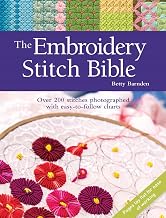
Embroidery Stitch Bible
Check PriceWhile starting is cheap, the hobby can become a collection hobby. You might develop an urge to buy every single color of floss on the shelf. A full collection of 500 solid DMC colors is a significant financial outlay.
Beyond floss, specialty needles like gold-plated chenille or tapestry needles add incremental costs. You might also find yourself wanting expensive Italian linen or hand-dyed fabrics. However, these are wants, not needs.
A good light source is a vital hidden cost to consider carefully. Straining your eyes is not worth the risk, so a daylight lamp is a smart investment. Books and patterns also have a price, though YouTube tutorials remain completely free.
Budget-Friendly Hacks to Keep It Cheap
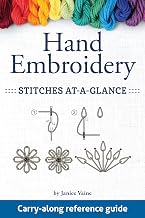
Hand Embroidery Stitches At-A-Glance
Check PriceThrift stores are goldmines for creative embroiderers on a strict budget. Look for 100% cotton bed sheets in the linen section to cut up and use. You can often find a king-size flat sheet for less than the price of a fat quarter.
Stretching your floss by splitting strands is a technical rule that saves money. Most designs use 2 or 3 strands of the 6-stranded floss. Therefore, one skein actually provides two to three times the stitching length.
Avoiding hoarding is the best financial advice any stitcher can receive. Buy only the thread colors needed for your specific next project. This prevents a massive, dusty stash that overwhelms you and empties your wallet.
Essential vs. Nice-to-Have Tools
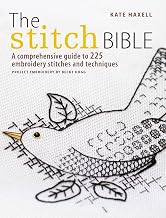
The Stitch Bible
Check PriceIt is vital to distinguish between true essentials and marketing hype. A needle, thread, fabric, and scissors are your fundamental pillars. You truly do not need anything else to produce beautiful art immediately.
Tool categories like needle minders are convenient for holding your needle. They are magnetic and cute but functionally identical to a simple fridge magnet. A grime guard for your hoop keeps the fabric clean but is easily sewn from scraps.
Specialized laying tools and elaborate frames are advanced equipment. These are fantastic for goldwork or silk shading but unnecessary for beginners. Master the basics first, and you will learn what upgrades you actually need.
Kits vs. DIY Pattern Sourcing
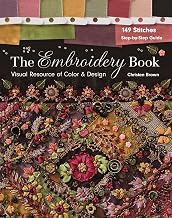
The Embroidery Book: Visual Resource of Color and Design
Check PricePre-packaged kits from stores like Cozy Blue or Kiriki Press are very popular. These bundles contain the exact amount of thread, fabric, and even a needle. The convenience factor is high, which often justifies the $20 to $50 price tag.
However, buying supplies individually is almost always cheaper than buying kits. A pattern designer might sell a PDF for $5, letting you use your own stash. This DIY approach avoids leftover materials you might never use again.
The free pattern library available online is vast and breathtakingly good. DMC offers hundreds of free patterns on their official website instantly. By using free designs, your only expense becomes the physical materials required.
Calculating the Cost Per Hour of Entertainment
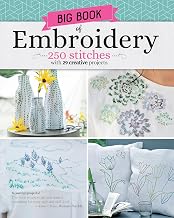
Big Book of Embroidery
Check PriceWe often forget to compare hobby costs against time spent actively enjoying them. A $15 set of supplies easily provides 15 hours of meditative work. That breaks down to just one dollar per hour, which is incredibly efficient.
Compare this to a movie ticket, which might cost $15 for 2 hours. A dinner out can vanish in an hour, costing five times as much. Embroidery provides slow, lasting entertainment that extends your disposable income dramatically.
The repetitive motion also provides significant mental health benefits and stress relief. You are not just buying a product, you are buying peace of mind. Looking at it this way, it is arguably one of the cheapest therapy methods available.
When Embroidery Gets Expensive
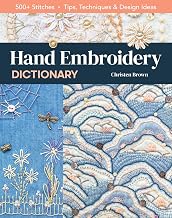
Hand Embroidery Dictionary
Check PriceHand embroidery morphs into a luxury pursuit only if you choose the premium path. Real goldwork involves using genuine gold threads which carry a precious metal price. Similarly, traditional Japanese silk embroidery uses flat silks that are delicately expensive.
Stumpwork, a three-dimensional style, requires wires and padding materials. It also usually demands a wider variety of textured specialty threads. These niche categories significantly inflate the baseline cost we have discussed so far.
Framing finished pieces professionally is the other budget-breaker for artists. Custom archival framing far outstrips the cost of the floss itself. Many stitchers learn to finish items in hoops or self-frame to avoid this cost entirely.
Sustainability and the Slow Fashion Movement
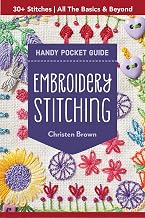
Embroidery Stitching Handy Pocket Guide
Check PriceEmbroidery can actually be an exercise in saving money, not just spending it. Mending holes in jeans with a simple floral motif extends a garment’s life by years. This reduces the need to buy new clothes, putting money back in your pocket.
Visible mending has turned into a fashionable and artistic statement of sustainability. A cheap pack of thread can salvage a $50 pair of jeans from the landfill. This practical application makes the hobby net positive for your finances.
Upcycling plain thrift store finds with embroidery creates custom, designer-look clothing. A plain white shirt becomes a bespoke piece worth much more than you paid. The cost is negligible, but the value added is quite incredible.
Final Verdict: Is It Truly Cheap?
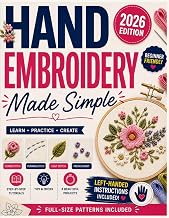
Hand Embroidery Made Simple
Check PriceTo definitively answer the question: yes, embroidery is a remarkably cheap hobby. The disparity between the low entry cost and the high satisfaction it delivers is massive. Very few hobbies reward such a small investment with such a deep sense of calm and creation.
Discipline is the only thing standing between you and a budget-friendly craft experience. As long as you resist the urge to turn into a thread collector, you are golden. Focus on stitching, not shopping, and your bank account will not notice the difference.
The rich history of this craft is rooted in domestic utility, not luxury. Women often stitched with scraps because resources were precious. You can honor that tradition by recognizing that creativity thrives beautifully under constraints.
Frequently Asked Questions About Embroidery Costs
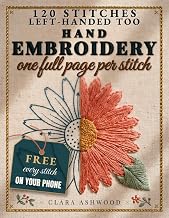
Hand Embroidery, One Full Page Per Stitch
Check PriceIs it cheaper to buy embroidery supplies in a kit or individually? Kits are convenient and include exact amounts, but individual purchases are cheaper in the long run. Buying separate supplies allows you to use leftover thread for future projects. Kits sometimes include generic tools you might already own.
How much thread do I really need to start? You only truly need a few basic colors like black, white, red, and blue. One skein of each is plenty for practicing lines and letters. You can buy specific colors as needed when you start a dedicated project.
Can I use my old polyester sewing thread? Yes, but expect slightly different results compared to cotton floss. Polyester is a bit slippery and can appear shinier or twist aggressively. Cotton floss has a matte finish and covers the fabric much better, but for practice, old thread works perfectly.
Is machine embroidery cheaper than hand embroidery? No, machine embroidery usually has a much higher financial barrier to entry. The machines themselves, software, and digitized designs cost significantly more than hand tools. Hand embroidery remains the king of low-cost textile arts.
