
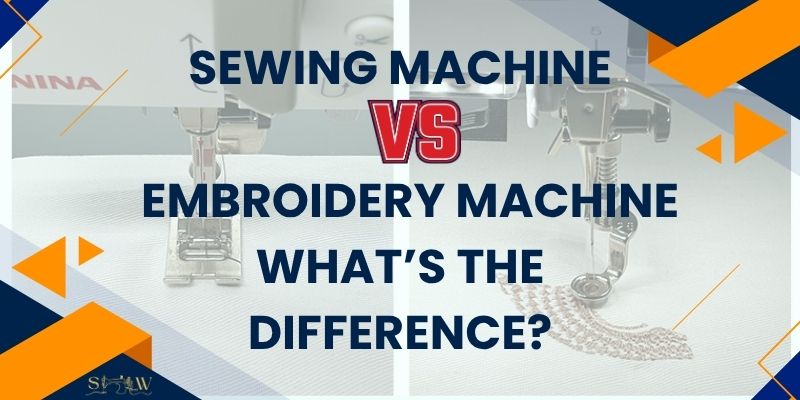
Many people confuse sewing machines and embroidery machines, assuming they do the same job. While both machines involve stitching fabric, their purposes, capabilities, and designs are very different. Understanding these differences is crucial for hobbyists, small business owners, or anyone who wants to make the most of their sewing or embroidery projects.
Choosing the wrong machine can limit your creativity, slow your workflow, or result in wasted money. This guide explains everything you need to know about sewing machine vs. embroidery machine, including their features, uses, advantages, and limitations. By the end, you’ll know which machine suits your goals, whether it’s creating clothing, monograms, custom gifts, or starting an embroidery business.
What Is a Sewing Machine?
SINGER® Heavy Duty 4452 (Grey) High Speed Sewing Machine + Accessories
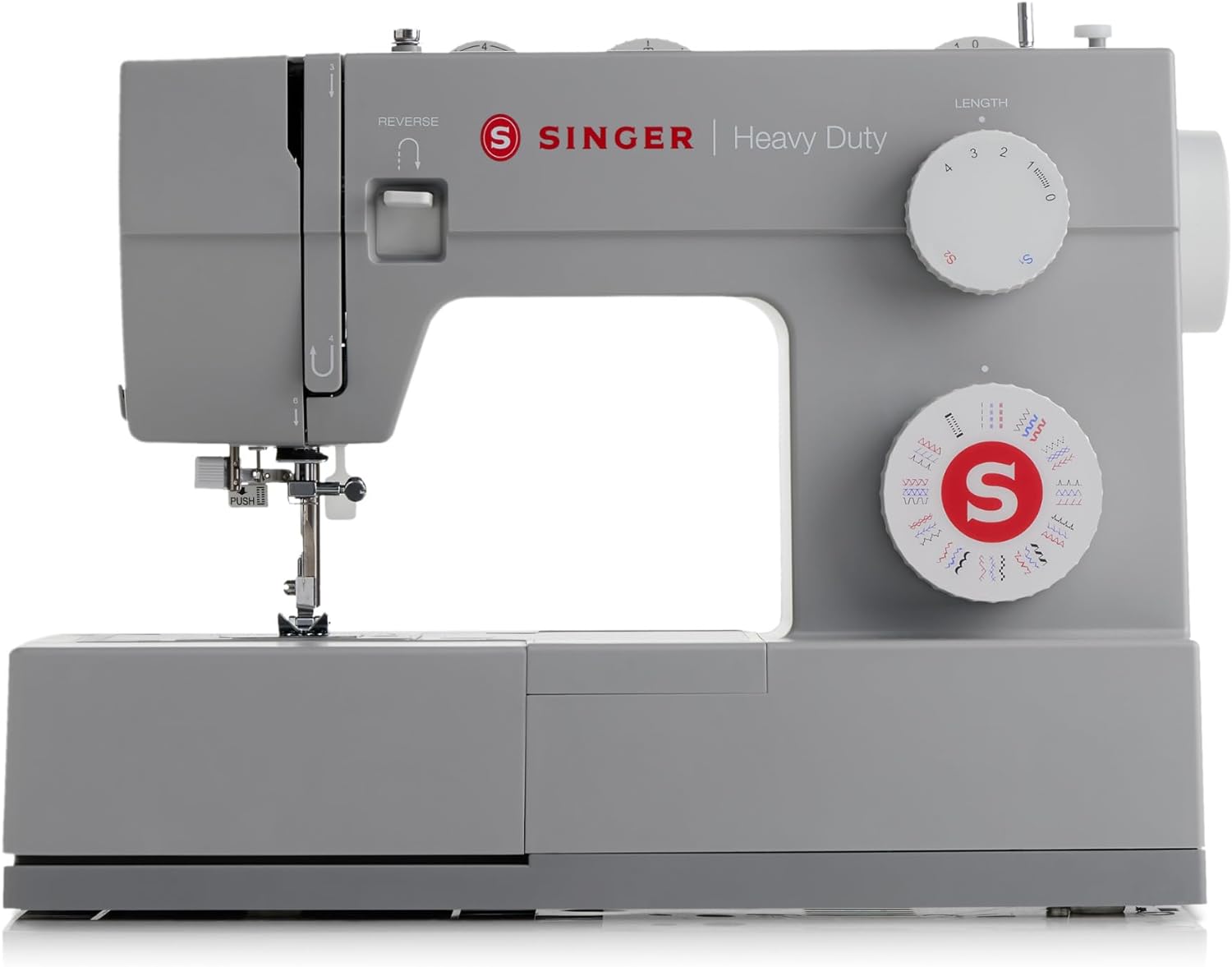
A sewing machine is a versatile tool for stitching fabrics together. Its primary function is constructing garments or products, not creating decorative designs. Sewing machines come in various types, including mechanical, computerized, and sergers.
Common Uses of Sewing Machines:
- Constructing clothes, bags, or home textiles
- Simple repairs or alterations
- Quilting and patchwork
- Craft projects like soft toys
Sewing machines are generally easier to use, with basic stitch patterns such as straight stitch, zigzag, and stretch stitches. Most home models allow for some decorative stitching, but their main focus is functional sewing, not elaborate embroidery designs.
What Is an Embroidery Machine?
PooLin EOC06 Embroidery Machine,11″x7.9″,7.9″x7.9″,5.5″x5.5″ Embroidery Area
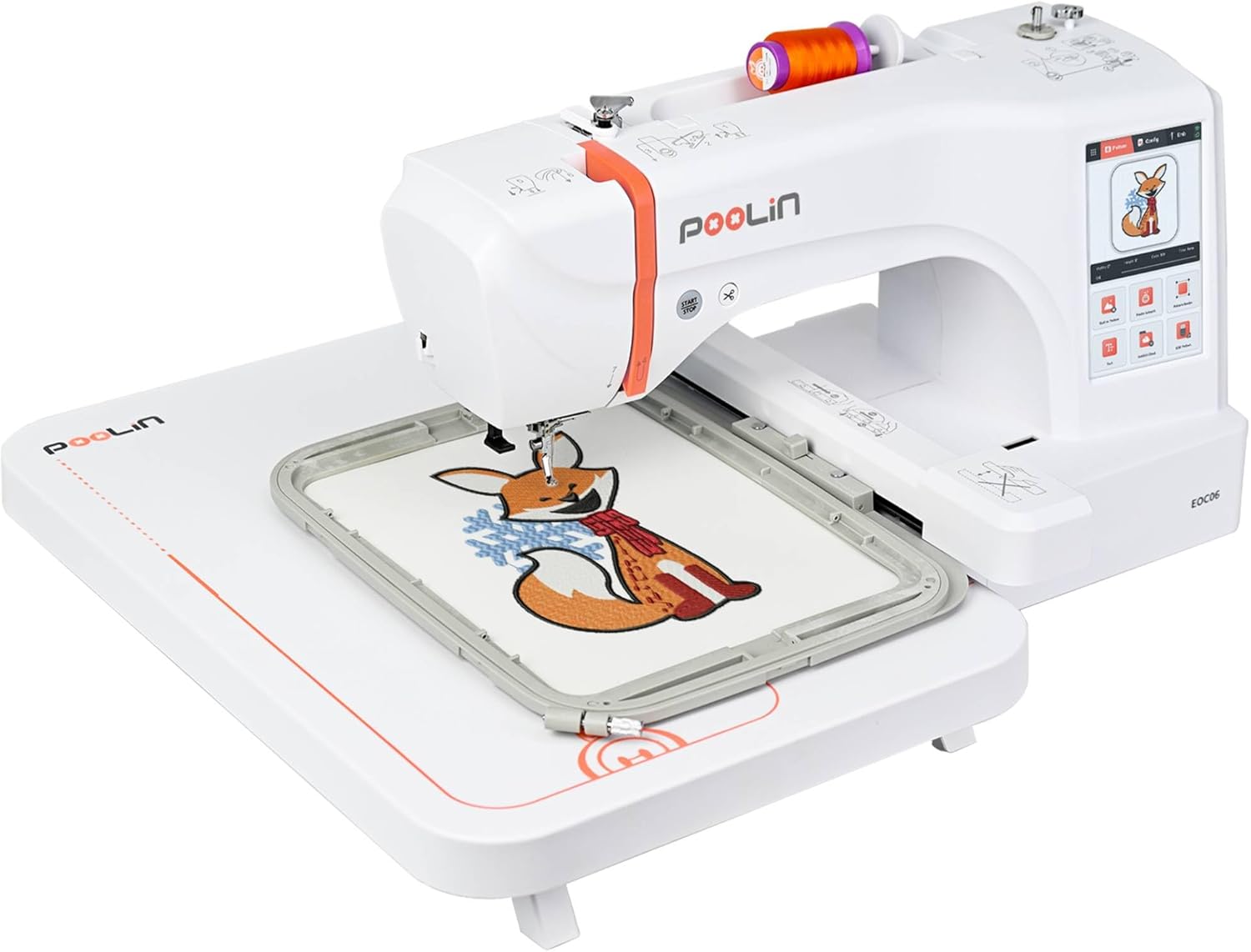
An embroidery machine is designed for decorative stitching and patterns rather than constructing garments. It automates the process of creating intricate designs, logos, or monograms on fabric. Embroidery machines often include built-in design libraries or allow you to import designs through USB or software.
Common Uses of Embroidery Machines:
- Personalizing clothing with names, initials, or logos
- Adding decorative designs to apparel or home textiles
- Producing hats, jackets, uniforms, or patches for businesses
- Bulk embroidery for commercial purposes
Unlike sewing machines, embroidery machines focus on precision, repeatable designs, and multi-thread color changes. Some commercial models have multiple needles, allowing several colors to stitch automatically without manual intervention.
Key Differences Between Sewing and Embroidery Machines
1. Purpose
- Sewing Machine: Joins fabrics together, repairs, and basic decorative stitches
- Embroidery Machine: Creates complex decorative designs and patterns
2. Stitch Variety
- Sewing Machine: Limited to functional and simple decorative stitches
- Embroidery Machine: Can produce thousands of patterns, letters, and multicolor designs
3. Needle System
- Sewing Machine: Single needle or simple threading
- Embroidery Machine: Multi-needle setups for faster color changes in commercial machines
4. Operation
- Sewing Machine: Manual guidance of fabric; operator controls direction and speed
- Embroidery Machine: Often computerized; machine follows a programmed design
5. Speed
- Sewing Machine: Varies, but generally slower for decorative work
- Embroidery Machine: Faster and consistent for repeating patterns
6. Fabric Handling
- Sewing Machine: Good for constructing garments and medium-weight fabrics
- Embroidery Machine: Can handle caps, jackets, and specialized embroidery hoops
7. Learning Curve
- Sewing Machine: Beginner-friendly, easy to learn
- Embroidery Machine: Requires learning software, digitizing designs, and understanding threads
8. Cost
- Sewing Machine: Lower cost for basic models
- Embroidery Machine: Higher cost, especially for commercial or multi-needle machines
Advantages of Sewing Machines
- Affordable for home users
- Versatile for repairs, crafting, and garment construction
- Simple to operate and maintain
- Ideal for beginners or hobbyists
Advantages of Embroidery Machines
- Professional-quality decorative designs
- Saves time on repetitive designs
- Multi-color embroidery without constant thread changes
- Essential for businesses offering custom embroidery
Can a Sewing Machine Do Embroidery?
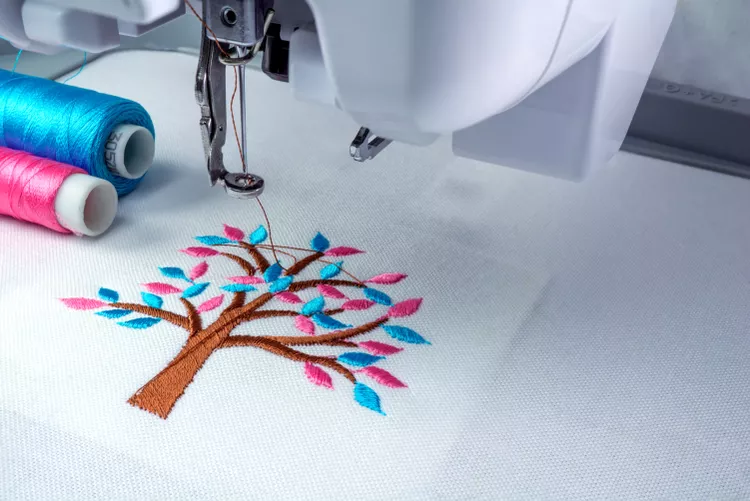
Some modern sewing machines include limited decorative stitching or lettering, but they cannot match the precision, speed, or multi-color capabilities of an embroidery machine. Sewing machines are great for personal projects, but commercial embroidery requires a dedicated embroidery machine.
Choosing the Right Machine
- For beginners or home sewing: Start with a sewing machine for versatility and learning.
- For decorative work and personalization: Choose an embroidery machine, especially if you want multi-color designs or commercial production.
- For business purposes: Invest in a commercial embroidery machine with multiple needles and a larger embroidery field.
FAQs
Q: Can I use a sewing machine for custom embroidery?
A: Only for simple decorative stitches; professional embroidery requires a dedicated machine.
Q: Are embroidery machines harder to learn than sewing machines?
A: Yes, embroidery machines often require software knowledge and digitizing skills.
Q: Can I upgrade my sewing machine to an embroidery machine?
A: Some combo machines exist, but true commercial embroidery work requires a dedicated embroidery machine.
Q: Which machine is better for small businesses?
A: Embroidery machines are better for businesses creating logos, monograms, and bulk custom items.
Conclusion
While sewing machines and embroidery machines both involve stitching fabric, their purposes are very different. Sewing machines are versatile, beginner-friendly, and ideal for garment construction, repairs, and basic decorative work. Embroidery machines specialize in creating precise, multi-color designs for personalization, branding, and commercial use.
Choosing the right machine depends on your goals. Hobbyists or beginners will benefit from a sewing machine, while entrepreneurs and businesses need an embroidery machine to deliver professional results efficiently. Understanding these differences ensures you invest in the right tool for your projects, saving time, money, and frustration.
