
Owning a commercial embroidery machine is a major investment in your business, and proper maintenance is essential to protect it. A well-maintained machine ensures consistent stitch quality, reduces downtime, extends the lifespan of your equipment, and helps prevent costly repairs. Many business owners underestimate the importance of routine care, which often leads to frustrating breakdowns and delays at the worst possible time.
How to maintain a commercial embroidery machine is something every owner should understand, whether you run a small business, take custom orders, or plan to scale production. This guide covers essential tips on cleaning, oiling, and overall care to improve performance and extend machine life, along with daily maintenance routines, periodic servicing, common issues, and ways to avoid costly mistakes.
How to Keep Your Commercial Embroidery Machine Running Smoothly
1. Understand Your Machine Manual
Before doing any maintenance, read the user manual carefully. Every commercial embroidery machine is slightly different, with unique cleaning requirements, lubrication points, and safety instructions. Following the manufacturer’s guidelines ensures you do not void warranties or damage components. Keep the manual handy for reference during maintenance routines and troubleshooting.
2. Daily Cleaning Routine
Daily cleaning is the most important habit for keeping your machine in top condition. Key steps include:
- Remove lint and threads: Use a soft brush or compressed air to remove lint from the bobbin area, needle plate, and thread paths. Accumulated lint can cause stitching issues and even mechanical problems.
- Check the needles: Inspect for bent or dull needles and replace as needed. Damaged needles can damage fabric and affect stitch quality.
- Wipe external surfaces: Keep the machine exterior clean to prevent dust from entering internal components.
Daily cleaning takes only a few minutes but prevents many long-term problems.
3. Lubrication and Oil Points
Commercial embroidery machines have moving parts that need regular lubrication.
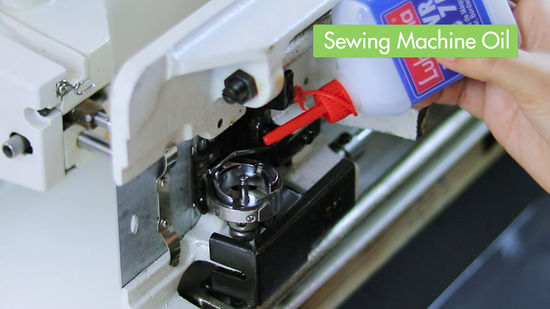
- Oil the recommended points as specified in the manual. Over-oiling can attract dirt, while under-oiling can cause friction and wear.
- Use the manufacturer-recommended oil to avoid residue build-up or chemical damage.
- Perform lubrication at the beginning or end of the day, depending on your workflow.
Proper lubrication ensures smooth operation and prevents premature mechanical failure.
4. Bobbin and Thread Maintenance
The bobbin and thread system is critical for stitch quality.
- Use high-quality thread to reduce lint and prevent thread breakage.
- Clean the bobbin case regularly, removing any dust or lint.
- Check tension regularly to maintain even and consistent stitches.
A clean and well-adjusted thread system reduces skipped stitches, thread breaks, and uneven embroidery.
5. Inspect Belts and Gears
Belts and gears control the movement of the embroidery head and fabric.
- Inspect belts for fraying, cracking, or looseness. Replace if needed.
- Ensure gears are free from lint and debris. Lubricate if specified by the manual.
- Check that the embroidery head moves smoothly along all axes.
Neglecting belts or gears can result in uneven embroidery, skipped stitches, or mechanical failure.
6. Clean and Maintain the Hoop System
The hoop system keeps fabric taut for precise stitching.
- Remove lint and thread bits from the hoop clamps and surrounding areas.
- Check for wear or warping in hoops and replace damaged hoops immediately.
- Make sure the fabric is properly aligned and hooped to avoid machine strain.
A well-maintained hoop system ensures professional-quality embroidery and reduces fabric errors.
7. Electrical and Software Checks
Many commercial machines are computerized, so software maintenance is also important:
- Update firmware and software as recommended by the manufacturer.
- Inspect power cords, plugs, and connections for wear or damage.
- Ensure your machine is on a stable power supply with surge protection.
Software and electrical checks prevent glitches, errors, or machine shutdowns during production.
8. Scheduled Professional Servicing
Even with diligent daily maintenance, professional servicing is essential:
- Schedule annual or semi-annual maintenance with authorized technicians.
- Technicians can inspect internal components, calibrate machines, and replace worn parts.
- Keep a log of maintenance, including cleaning, lubrication, and repairs.
Professional servicing helps extend machine life and ensures consistent production quality.
9. Common Problems and How to Avoid Them
Some common embroidery machine issues include:
- Thread breakage: Often caused by dirty tension disks, low-quality thread, or dull needles.
- Skipped stitches: Usually due to bent needles, improper hooping, or misaligned parts.
- Machine jams: Often caused by lint build-up, poorly threaded machines, or lack of lubrication.
- Electrical glitches: Can be prevented by using surge protectors and proper software updates.
Preventive care and attention to detail will minimize these problems.
10. Tips for Long-Term Maintenance Success
- Clean your machine daily and perform deeper maintenance weekly.
- Always use high-quality thread, stabilizers, and needles.
- Keep the machine covered when not in use to prevent dust accumulation.
- Train all employees or operators in proper care to maintain consistency.
- Maintain a maintenance log for reference and warranty purposes.
By following these tips, you can keep your machine in peak condition for years, reduce downtime, and maintain professional-quality embroidery.
Conclusion
Maintaining a commercial embroidery machine is not optional, it is essential for consistent stitch quality, efficient production, and machine longevity. Daily cleaning, proper lubrication, thread care, electrical checks, and periodic professional servicing will ensure your investment lasts and performs at its best.
A little preventive care every day saves time, reduces errors, and avoids expensive repairs down the line. Whether you are running a small embroidery business or managing high-volume production, establishing a maintenance routine is one of the most important steps for long-term success.
