
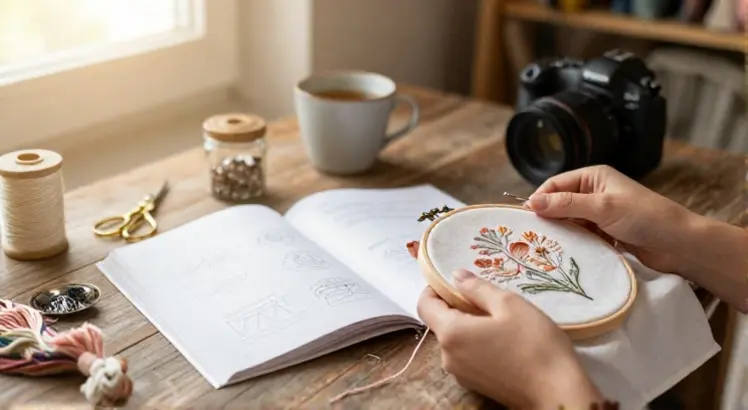
An embroidery book is more than just a collection of pretty pictures. It serves as your personal instructor, offering step by step guidance right at your craft table. Learning how to use an embroidery book effectively unlocks a world of creative possibilities, whether you are mastering your first backstitch or exploring advanced silk shading. This guide will walk you through every aspect, from selecting the perfect volume to decoding stitch diagrams.
Many beginners overlook the valuable information hidden inside the pages of a good stitch directory. A well organized book can teach you how to hold the hoop, thread a needle, and finish your work neatly. If you are just starting, you might also enjoy our article on starting embroidery for foundational tips. Let’s dive into the essentials of using your embroidery book like a pro.
What Exactly Is an Embroidery Book?
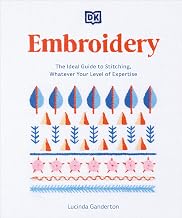
Embroidery: The Ideal Guide to Stitching
Check PriceAn embroidery book is a dedicated reference manual that catalogs stitches, techniques, and often full projects. Unlike a general sewing resource, it focuses specifically on the art of decorating fabric with needle and thread. These books range from pocket sized stitch encyclopedias to comprehensive coursebooks filled with detailed photographs. Understanding the type of book you own is the first step to using it correctly.
A quality embroidery book will include a stitch directory, thread suggestions, and guidance on fabric choices. Many also feature illustrated tutorials for surface embroidery, counted thread work, or crewel. Think of it as a silent mentor that never gets tired of answering your questions. It is there to help you build skills at your own pace.
How to Choose the Right Embroidery Book for You
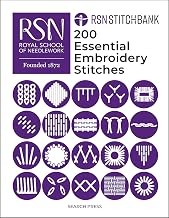
RSN Stitch Bank: 200 Essential Embroidery Stitches
Check PriceSelecting the ideal embroidery book depends on your current skill level and creative goals. Beginners should look for volumes with large, clear photographs and step by step instructions for fundamental stitches. Avoid books that jump straight into complex designs without explaining the basics. A book labeled a complete guide or for beginners is usually a safe place to start.
Advanced stitchers might prefer in depth stitch banks that cover hundreds of variants and regional techniques. Consider whether you want a spiral bound book that lies flat while you work. Pay attention to the quality of the diagrams, some books use simple line drawings while others rely on high resolution photos. The best books combine both visuals to leave no room for confusion.
Understanding the Layout of an Embroidery Book
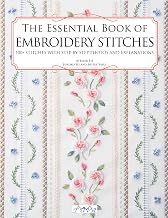
The Essential Book of Embroidery Stitches
Check PriceMost embroidery books follow a logical structure that starts with materials and tools, then moves into stitch tutorials. You will typically find an introductory section explaining fabric grain, thread types, and how to transfer patterns. The stitch library is usually organized by stitch family, such as straight stitches, looped stitches, and knotted stitches. Familiarizing yourself with this layout saves time when you need a quick answer mid project.
Look for the index at the back of the book, it is your fastest navigation tool. Many books also include stitch levels marking beginner, intermediate, or advanced difficulty. Project sections often appear toward the end to help you apply what you have learned. By understanding this map, you transform a static book into an interactive learning tool.
How to Read Stitch Diagrams Like a Pro
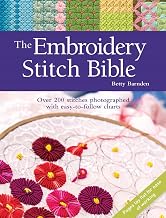
Embroidery Stitch Bible
Check PriceStitch diagrams are the universal language of embroidery books, and cracking the code is essential. Each diagram usually assigns letters to key points, like A and B for entry and exit holes. Arrows show the direction of the thread, while dotted lines indicate the thread passing behind the fabric. Paying close attention to these tiny details makes all the difference in executing a stitch perfectly.
Always start by studying the numbered steps alongside the illustration. Many books now include QR codes linking to video tutorials, a great supplement if you are stuck. If your book does not offer videos, you can visit trusted online stitch banks such as the Royal School of Needlework’s Stitch Bank for animated demonstrations. The combination of book diagrams and online motion will reinforce your muscle memory.
Transferring Patterns from the Book to Your Fabric
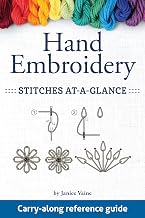
Hand Embroidery Stitches At-A-Glance
Check PriceYour embroidery book likely contains beautiful line drawings ready to be stitched, but they need to get onto your fabric first. The most common method is using a lightbox or a sunny window to trace the design with a water soluble pen. You can also use carbon transfer paper placed between the book page and the fabric. Choose a method that protects your book pages from denting or ink bleed.
Many embroiderers prefer to photocopy the page and then transfer the copy, preserving the original book. Always test your marking tool on a fabric scrap to ensure the lines disappear when washed. Iron on transfers are another option if the book includes a pull out section. Accurate pattern transfer is the secret to a result that looks just like the picture in your manual.
Essential Tools to Pair with Your Embroidery Book
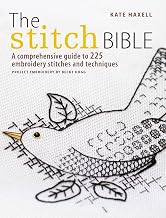
The Stitch Bible
Check PriceYour embroidery book is a powerful partner, but it needs a supporting cast of tools to shine. An embroidery hoop is non negotiable, it keeps fabric taut and stitch tension even. You will also need sharp scissors, a selection of needles, and good quality floss. Our guide to the best embroidery hoops can help you find the perfect fit for your project.
A needle minder and a thimble can make your stitching sessions more comfortable and organized. Keep a small notebook handy to jot down notes or modifications you make to the book’s instructions. Having the right tools eliminates frustration and lets you focus on learning the techniques from your book. Treat your toolkit as an extension of your library.
Starting Your First Project Using the Book
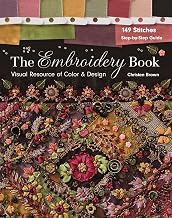
The Embroidery Book: Visual Resource of Color and Design
Check PriceBeginning your first project from a book can feel intimidating, but a systematic approach will build confidence. Start by reading the project overview twice, noting the required stitches and materials. Collect all the supplies listed before making a single stitch. It helps to practice each stitch on a scrap piece of fabric first, using the book’s diagram for reference.
Follow the project steps in order, do not skip ahead. Place a sticky note on the current page to keep your place and avoid losing your position when glancing up. If you make a mistake, use the book’s troubleshooting tips or simply remove the stitches and try again. Finishing that first piece will turn your embroidery book into a treasured success story.
Mastering Basic Stitches with Step by Step Guides
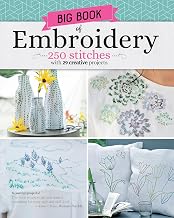
Big Book of Embroidery
Check PriceEvery embroidery book devotes significant space to foundation stitches like running stitch, backstitch, stem stitch, and satin stitch. When using the step by step guide, thread your needle with a contrasting color so you can clearly see your work on the practice cloth. Follow the numbered sequence in the book, paying close attention to stitch length consistency. A well illustrated book will show the stitch from multiple angles, mimicking a live teacher.
Do not rush to move on, spend time with each basic stitch until it becomes muscle memory. Challenge yourself by creating small sampler squares for each stitch family. The book likely includes variations, experiment with them once you feel comfortable. This solid foundation is what transforms a casual stitcher into a confident artist.
Exploring Advanced Techniques and Specialty Stitches
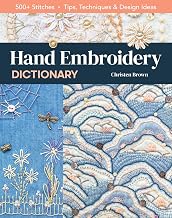
Hand Embroidery Dictionary
Check PriceOnce the basics are second nature, your embroidery book becomes a treasure map for advanced methods. Look for chapters on stumpwork, goldwork, or silk shading. These techniques often require specialized threads, padding, and a lot of patience. The book will break down seemingly impossible designs into manageable, sequential layers.
When learning a specialty stitch like bullion knots or cast on stitch, read the entire instruction block before trying it. Use a magnifier if the diagrams are detailed. Countless embroiderers find it helpful to photocopy the advanced diagram and mark it with colored pens to trace each thread path. Learning a new technique from the page fills you with a remarkable sense of accomplishment.
Troubleshooting Common Mistakes Using Your Book
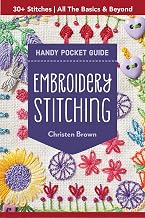
Embroidery Stitching Handy Pocket Guide
Check PriceEven experienced stitchers run into problems, and a good embroidery book anticipates this. If your satin stitch looks uneven, the book may point to issues with thread tension or stitch direction. Wrinkled fabric around the hoop is another common issue, often solved by re positioning the fabric and tightening the screw properly. Use the index to look up common terms like puckering or fixing mistakes.
The troubleshooting section of your book is not a sign of failure, it is a tool for growth. Keep the book open to the relevant advice while you unpick and re stitch. Sometimes simply reading the stitch description again with fresh eyes makes the error obvious. Treat these challenges as mini lessons that deepen your understanding of the craft.
Caring for Your Embroidery Book to Make It Last
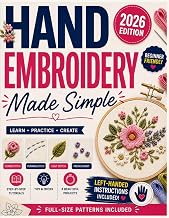
Hand Embroidery Made Simple
Check PriceAn embroidery book is a long term investment, and proper care ensures it stays open on your desk for years. If you have a paperback, consider using a bookstand to prevent spine cracking. Keep your hands clean and dry when turning pages to avoid transferring oils onto the diagrams. A clear book jacket or dust cover can shield the edition from accidental thread snips and coffee spills.
Never lay your book face down while open, it damages the binding. Instead, mark your page with a ribbon bookmark or slim magnetic clip. Store it upright on a shelf, away from direct sunlight that can fade the vibrant cover and interior prints. Your stitching library is a resource to cherish, and treating it well is part of the creative ritual.
Digital vs. Physical Embroidery Books: Pros and Cons
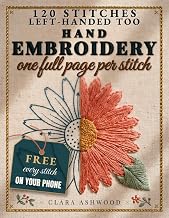
Hand Embroidery, One Full Page Per Stitch
Check PriceMany classic embroidery books are now available as ebooks, offering a portable alternative to a bulky hardcover. A digital book is great for traveling or keeping a duplicate copy on your tablet next to your sewing machine. You can zoom in on intricate diagrams, something impossible with paper. However, a screen can never fully replicate the tactile satisfaction of flipping through glossy, high quality pages.
Physical books do not require batteries and remain a reliable companion during power outages or outdoor stitching trips. The choice often comes down to personal preference and storage space. Some stitchers collect both formats, using the digital version for quick searches and the paper volume for deep study. Either way, the content remains a key to unlocking your potential.
Frequently Asked Questions About Using an Embroidery Book
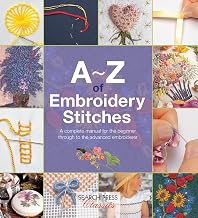
A-Z of Embroidery Stitches
Check PriceCan I teach myself embroidery using just a book?
Absolutely, thousands of skilled embroiderers are self taught using well written books. Choose a beginner focused guide that assumes no prior knowledge and uses extensive photographs. Dedicate time to practicing each technique before moving on, just as a formal class would require. Combine your reading with online video tutorials if you ever get stuck on a particular stitch.
Why is my stitch not looking like the picture in the book?
Small differences in fabric type, thread thickness, and tension can alter the final look. Ensure you are using the same weight of fabric mentioned in the book, usually a medium weave cotton or linen. Double check that your hoop is drum tight and that you are not pulling the thread too forcefully. Practicing on the same material specified in the guide usually resolves visual mismatches.
How do I find a specific stitch quickly in a large book?
Use the book’s index or table of contents located at the front or back. Most stitch dictionaries group similar stitches into chapters like chain stitches, feather stitches, and blanket stitches. If you cannot locate a stitch by its name, try using the glossary or flicking through the visual stitch gallery. Many books also include a thumbnail quick reference page for instant identification.
Should I mark my embroidery book with notes?
This is a personal choice, but many experienced stitchers treat their books as living journals. Using sticky notes or a pencil to record modifications preserves the original printing while adding your insights. Note color substitutions, tension adjustments, or alternative stitch orders directly next to the diagram. Over time, these notes transform a generic manual into a personalized heirloom.
Embroidery books are more than reference materials, they are guides on a creative journey. By learning to read diagrams, transfer patterns, and troubleshoot errors from the page, you build an independent skill set. Whether you choose a compact stitch dictionary or a lavish project compendium, the key is active use, not just admiration. Open the cover, thread your needle, and let the pages inspire your next stitch.
