
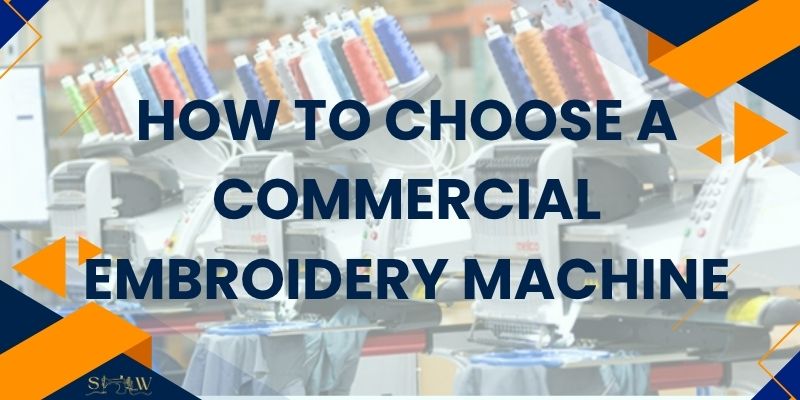
Sewing enthusiasts and aspiring business owners often face an important decision when investing in new equipment. Understanding how to choose a commercial embroidery machine is key to making the right choice, as it’s not simply about buying the most expensive model. Instead, it’s about matching the machine’s features, speed, durability, and support to your business goals or creative needs.
Whether you’re starting a small embroidery business, expanding your craft, or upgrading from a home machine, knowing what sets different machines apart is essential for a smart investment.
This guide will help you choose a commercial embroidery machine that fits your needs, covering important factors such as budget, needle count, production capacity, key features, and long-term support. You’ll also find practical tips to avoid common mistakes and get the best return on your investment.
How to Choose a Commercial Embroidery Machine
1. Consider Your Budget
Commercial embroidery machines can range from a few hundred dollars to several thousand. Before looking at features, it’s critical to determine a realistic budget. A higher-priced machine usually offers more needles, faster production speed, and larger embroidery areas, but you don’t always need the top-end model.
Think about:
- Your expected volume of orders
- The type of projects you will produce (caps, jackets, monograms, etc.)
- Your long-term business goals
Avoid overspending, but also be aware that buying a too-cheap machine may limit your productivity and increase frustration. Balance cost with features and durability to get the best value for your business or hobby.
2. Evaluate Needle Count
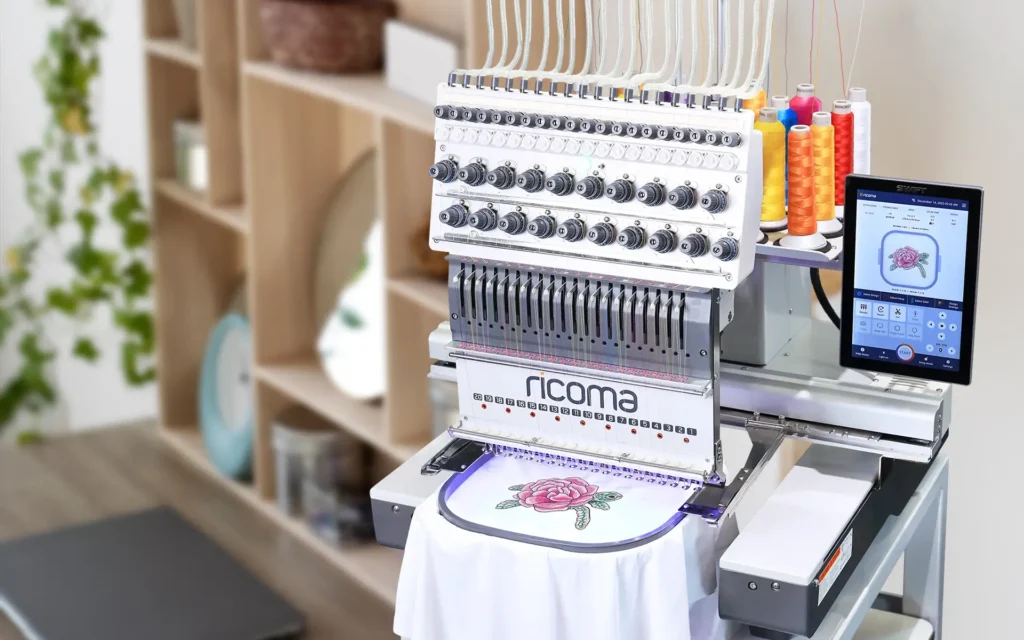
One of the biggest differences between machines is the number of needles. Home machines often have a single needle, while commercial machines can have 10, 12, or even 15 needles.
Multi-needle machines allow you to:
- Switch thread colors automatically
- Save time on multicolor designs
- Increase production speed for bulk orders
If your goal is a small home business or occasional custom work, a single or dual-needle machine may suffice. If you plan to handle high-volume orders or multiple colors regularly, a multi-needle commercial machine is a better investment.
3. Production Capacity and Speed
Commercial embroidery machines are designed for continuous, high-volume production. Consider the following:
- How many garments do you plan to complete per day
- The types of materials (caps, jackets, shirts)
- How quickly do you need to finish orders
Faster machines with multi-head or multi-needle setups will allow you to meet client deadlines efficiently, whereas smaller machines are better for low-volume, custom, or hobby work.
4. Embroidery Area and Design Size
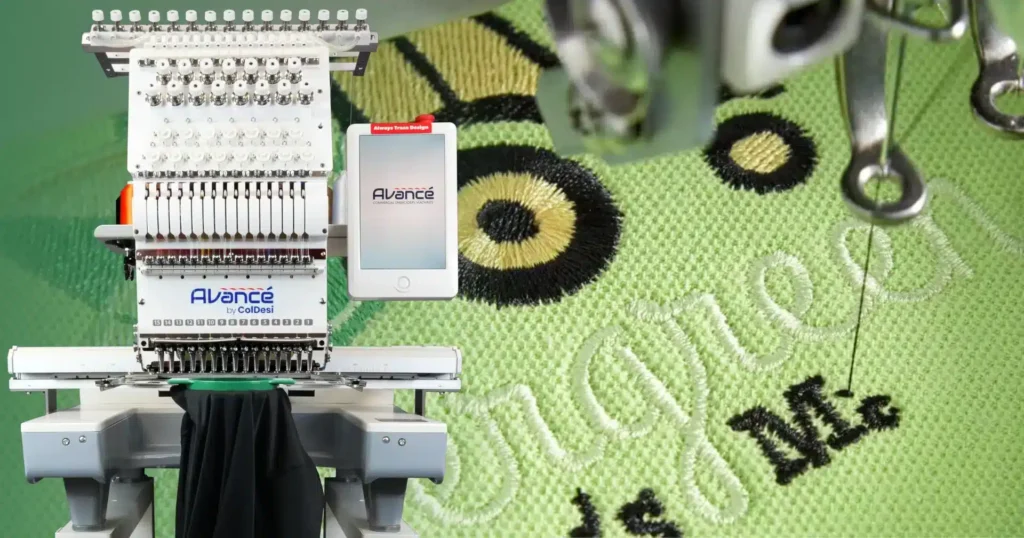
Different machines support different hoop sizes or embroidery fields. Home machines may only handle smaller designs, while commercial machines often allow larger and more complex patterns.
Ask yourself:
- Do you plan to embroider caps or jackets?
- Will you handle large logos or full-back designs?
Choosing the right size ensures you don’t have to compromise on your designs or redo work due to field limitations.
5. Features and Technology
Modern commercial embroidery machines come with a variety of features that can make your work more efficient:
- LCD touchscreen controls for pattern selection
- Built-in design libraries
- USB ports or Wi-Fi for importing designs
- Automatic thread trimming
- Multi-head setups for simultaneous stitching
Make a list of must-have features based on your workflow. Avoid overpaying for features you won’t use, but prioritize anything that directly improves your production speed and quality.
6. Durability and Maintenance
Commercial embroidery machines are built to handle longer daily use than home machines. Check:
- Machine frame and construction quality
- Availability of replacement parts
- Warranty and service options
- Maintenance complexity
A durable machine may cost more upfront, but it will save you time, frustration, and repair costs in the long run.
7. Space Requirements
Commercial machines are larger and heavier. Ensure your workspace can accommodate:
- The machine itself
- Thread stands and accessories
- Enough space to move and work comfortably
Planning your layout ahead of time avoids surprises and makes your workflow smooth and efficient.
8. Support and Training
Buying a commercial embroidery machine often comes with a learning curve. Consider:
- Does the manufacturer offer training or tutorials?
- Are replacement parts and technical support easily available?
- Is there an online user community for troubleshooting?
Good support can save you hours of downtime and prevent frustration during your first projects.
9. Mistakes to Avoid
- Choosing a machine solely based on price
- Ignoring your business growth plans
- Overlooking needle count or embroidery field size
- Underestimating space and maintenance needs
- Buying a home machine for high-volume commercial use
FAQs
1. What should I look for when choosing a commercial embroidery machine?
Focus on needle count, stitching speed, build quality, ease of use, software compatibility, and after-sales support.
2. How many needles do I need in an embroidery machine?
It depends on your needs. A 10–15 needle machine is ideal for businesses handling multi-color designs efficiently.
3. What is the best embroidery machine for a small business?
A single-head, multi-needle machine is usually best for small businesses due to its balance of cost, flexibility, and productivity.
4. How much does a commercial embroidery machine cost?
Prices typically range from $5,000 to $20,000+, depending on features, brand, and number of needles.
5. Is a multi-needle embroidery machine worth it?
Yes, it saves time by reducing manual thread changes and increases efficiency, especially for multi-color designs.
6. What is the difference between single-head and multi-head machines?
Single-head machines produce one item at a time, while multi-head machines can produce multiple items simultaneously for higher output.
7. Do I need software for a commercial embroidery machine?
Yes, digitizing software is essential for creating and editing embroidery designs.
8. How fast should a commercial embroidery machine be?
Most commercial machines run between 800–1200 stitches per minute, which is suitable for efficient production.
9. Which brands are best for commercial embroidery machines?
Popular brands include Brother, Tajima, Barudan, and Ricoma, known for reliability and performance.
10. Can beginners use a commercial embroidery machine?
Yes, many modern machines are beginner-friendly, but learning basic operation and maintenance is important for best results.
10. Conclusion
Selecting the right commercial embroidery machine requires careful consideration of your budget, business goals, production needs, and available space. Start by evaluating how many orders you plan to handle, what types of designs you want to create, and whether your work will scale over time.
A good commercial machine balances speed, durability, and usability with your specific workflow. Take your time, do research, and invest in a machine that will serve both your immediate needs and future growth.
With the right choice, your embroidery machine becomes not just a tool, but the foundation of a productive and profitable business, or a satisfying, long-lasting hobby.
