
Choosing between a home and commercial embroidery setup can be a challenging decision for beginners and business owners alike. Understanding commercial embroidery machine vs home embroidery machines is essential when deciding which option best fits your needs, budget, and production goals. While home embroidery machines are ideal for hobbyists and small projects, commercial machines are built for speed, durability, and high-volume production.
Whether you’re starting a small embroidery business, upgrading your equipment, or simply exploring your options, knowing how these machines compare in terms of performance, cost, and capabilities will help you make a smarter investment. This guide breaks down everything you need to know to choose the right machine for your situation.
What Is a Home Embroidery Machine?
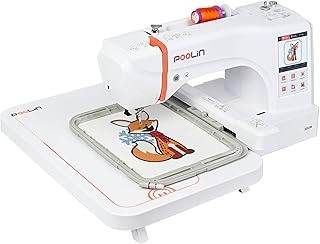
PooLin EOC06 Embroidery Machine,11″x7.9″,7.9″x7.9″,5.5″x5.5″ Embroidery Area,Computerized Embroidery Machine for Beginners
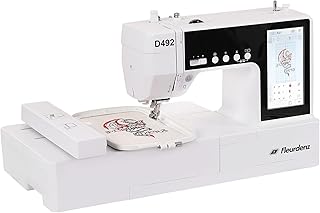
D492 Embroidery Machine with 4.5″ x 7″ Area for Beginners, Home DIY, Sewing & Embroidery Machine with Hoops
PooLin EOC05 Embroidery Machine for Beginners, Large 7″ Touchscreen Easy to Use
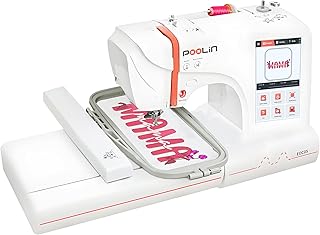
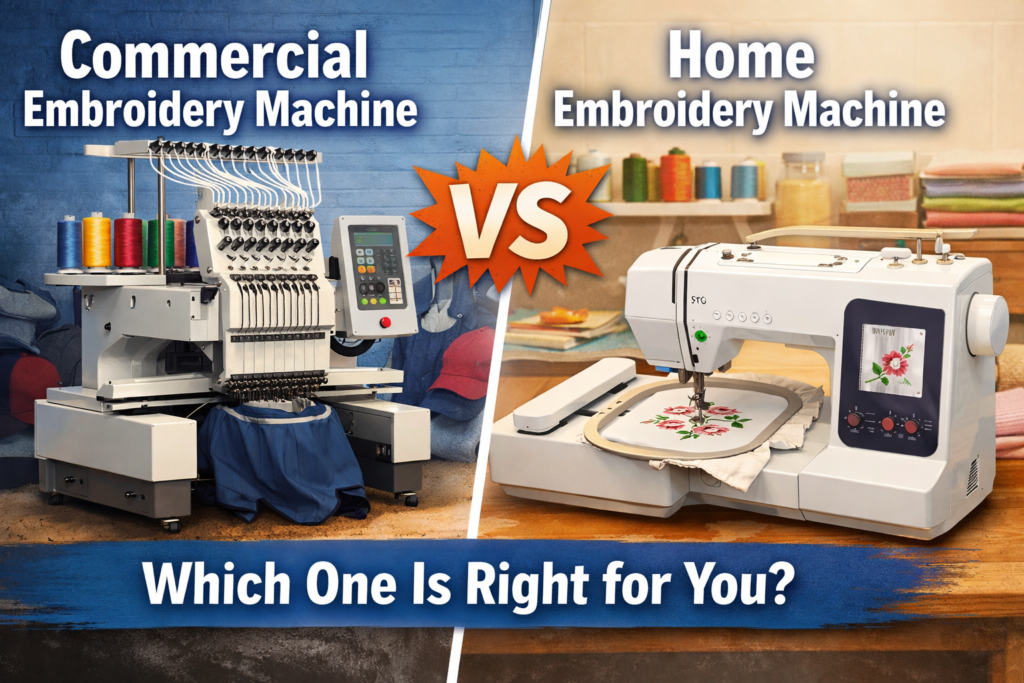
A home embroidery machine is a machine designed mainly for personal use, hobby projects, gift-making, and light custom work. It is usually smaller, lighter, easier to move, and more beginner-friendly than a commercial embroidery machine. Many home models are made for people who want to embroider names, monograms, baby items, decorative towels, small patches, and simple clothing designs from home.
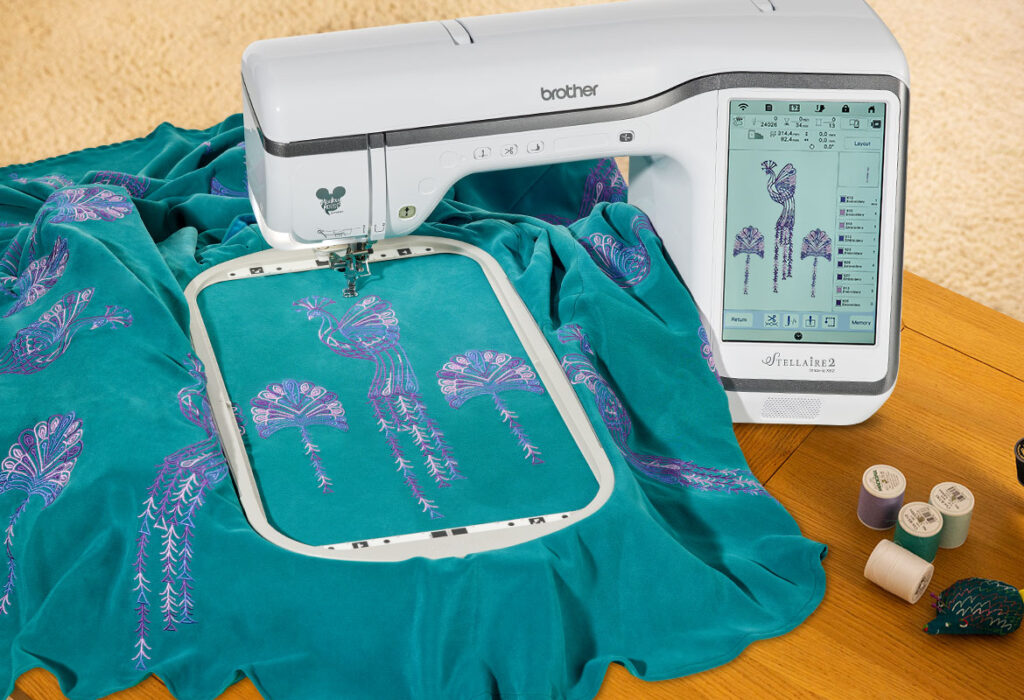
One of the biggest reasons people choose a home embroidery machine is ease of use. These machines are often built with beginners in mind. They usually have simpler controls, smaller learning curves, and a setup that feels less intimidating. If someone is just starting embroidery and wants to learn without feeling overwhelmed, a home machine can be a very comfortable entry point.
Home embroidery machines are also more practical for smaller spaces. If you have a sewing corner, craft room, or home office, a home machine usually fits much better than a large commercial unit. It also tends to be quieter and easier to store.
However, home embroidery machines do have limits. They are not built for high daily output. They usually have smaller embroidery areas, slower stitching speeds, and fewer advanced production features. If you try to use them for frequent bulk orders, they can quickly become frustrating. They are best for hobby use, learning, testing ideas, and handling small custom projects rather than full-scale business production.
What Is a Commercial Embroidery Machine?
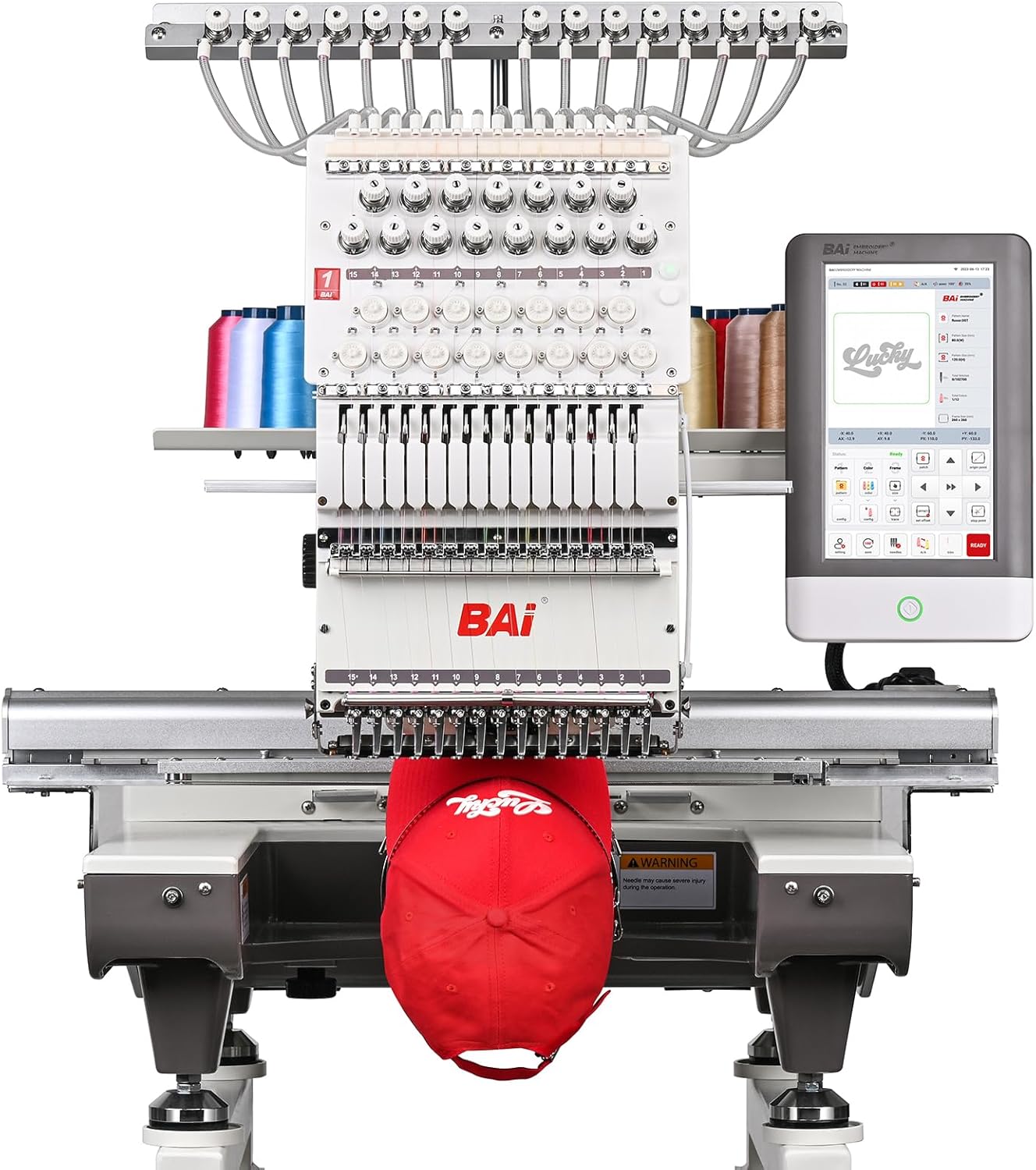
BAi The Mirror 15 Needle 20″x14″ Large Area Commercial Embroidery Machine,1200 SPM High Speed
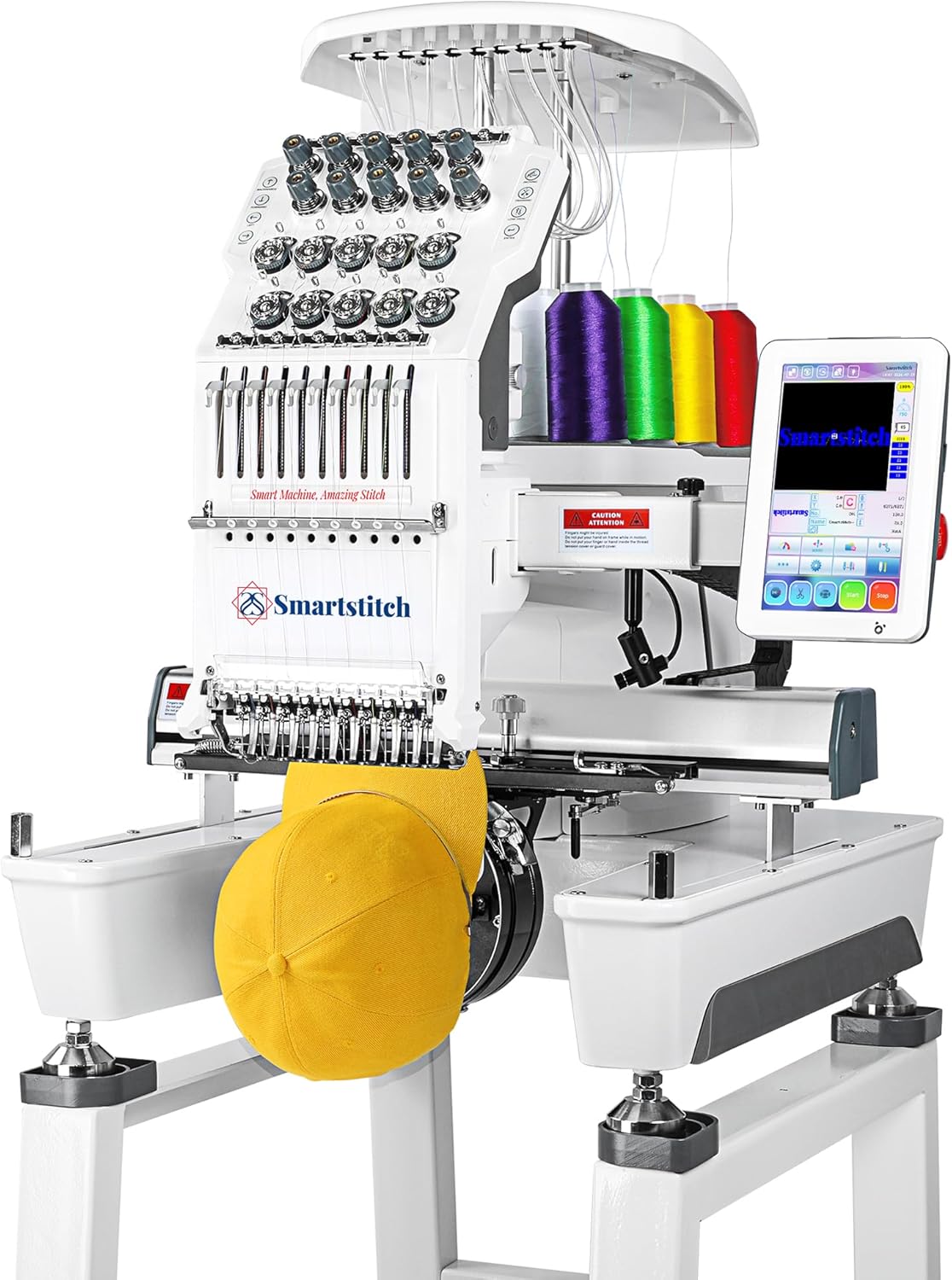
Smartstitch S-1001 Upgraded Embroidery Machine with 10 Needles, 1200SPM Max Speed
Fokuse brand FKS-1001 Commercial Embroidery Machine with 10 needle, Embroidery Area 14.2″x9.5″
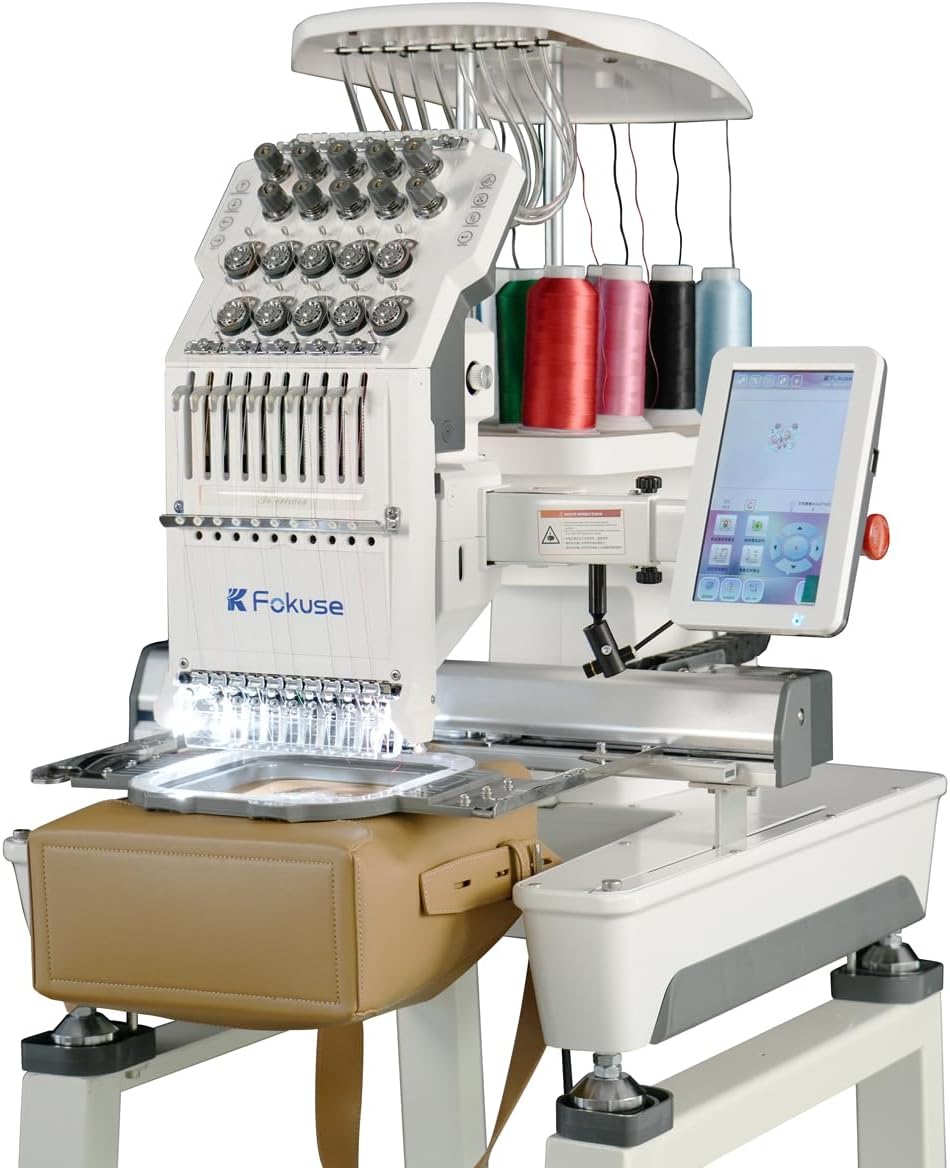
A commercial embroidery machine is made for business use, heavier workloads, and faster production. These machines are built to run longer, work harder, and handle more demanding embroidery jobs than home models. They are often used by embroidery shops, custom apparel businesses, uniform suppliers, cap embroidery businesses, and people who take regular paid orders.
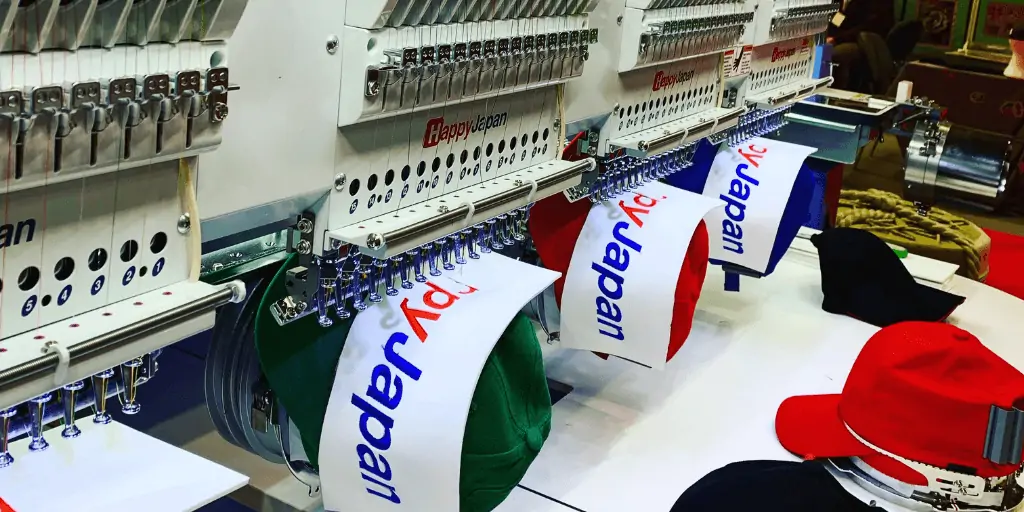
One major difference is that commercial embroidery machines often come with multiple needles. Instead of stopping to change thread colors again and again, the machine can switch between loaded colors more efficiently. This saves a lot of time, especially when working on logos, uniforms, hats, or designs with several thread colors.
Commercial machines are also designed to handle more volume. They are better for repeat daily use, larger design fields, faster speeds, and tougher items like caps, jackets, hoodies, and workwear. If you want to take business orders consistently and need a machine that can keep up, commercial equipment is usually the better fit.
Of course, commercial embroidery machines are not only bigger in features. They are also bigger in price, weight, and complexity. They usually need more space, more learning, and more commitment. For someone who is just casually embroidering gifts at home, a commercial machine may be too much. But for someone serious about building an embroidery business, it can be the kind of machine that turns slow manual work into efficient production.
Commercial Embroidery Machine vs Home Embroidery Machine: Quick Comparison
Size and Build
A home embroidery machine is usually compact and easier to place in a normal room. It works well in home setups where space is limited. A commercial embroidery machine is larger, heavier, and more industrial in design. It often needs a dedicated area and a stronger workstation.
Needle Count
Home embroidery machines are commonly single-needle or simpler in design. Commercial embroidery machines often have 10, 12, 15, or more needles. This allows them to switch thread colors more efficiently and finish multicolor designs faster.
Speed
Home machines are slower and made for lighter use. Commercial machines are built for higher speeds and more output. This matters a lot when you have customer deadlines or many items to finish.
Embroidery Area
Home machines usually offer a smaller embroidery field, which is fine for names, monograms, baby items, and small designs. Commercial machines often provide larger embroidery areas, allowing bigger designs on jackets, bags, hoodies, and other products.
Fabric Handling
Home machines work well on lighter and simpler projects. Commercial machines are better at handling caps, thicker garments, and more demanding embroidery jobs.
Ease of Use
Home machines are generally easier for beginners. Commercial machines offer more power and features, but they also come with a bigger learning curve.
Price
Home machines are cheaper and easier to start with. Commercial machines cost more upfront, but they can be more profitable for serious business users because they save time and increase output.
Main Differences Between Commercial and Home Embroidery Machines
The biggest difference between these two machine types is not just size. It is purpose. A home embroidery machine is mainly designed for learning, light use, and personal creativity. A commercial embroidery machine is designed for productivity, order fulfillment, and business growth.
Commercial machines are usually more durable. They are made to run for longer hours and handle frequent orders. If someone is embroidering every day, producing multiple items, or working on customer jobs, that extra durability matters. A home machine may do the work at first, but it can start to feel slow and limiting when order volume increases.
Color handling is another major difference. On a home machine, thread changes can take more time and effort. On a commercial machine, multi-needle systems make color-heavy designs much more manageable. This is especially useful for logos, business branding, team uniforms, and cap embroidery.
Maintenance and setup are also different. Home machines are simpler and less demanding. Commercial machines often require more attention, more knowledge, and more proper care. They are powerful, but they ask more from the user too.
Noise and space can also matter. A home machine usually fits quietly into a normal craft environment. A commercial machine can be larger, louder, and less convenient in a tight living space.
So while both machines embroider fabric, they serve different kinds of users. The real question is not which one is better. The real question is which one fits your current goal.
Pros and Cons of a Home Embroidery Machine
Pros
A home embroidery machine has many advantages for beginners and casual users. The first is affordability. It is much easier to start with a home machine when your budget is limited. This lowers the risk for people who are still learning or unsure how serious they want to be.
Another big benefit is beginner-friendliness. Home machines are usually easier to understand, easier to set up, and less overwhelming. If someone wants to learn embroidery step by step, this matters a lot.
Home machines are also compact and space-saving. They fit well in home studios, craft corners, and sewing rooms. Many users also appreciate that they are easier to move and store.
For small personal projects, a home embroidery machine can be more than enough. It works well for monograms, gifts, custom baby clothes, decorative towels, and occasional items for family or friends.
Cons
The biggest downside is limited production power. Home machines are not ideal for high-volume work. If you start receiving many customer orders, you may quickly notice that the machine is slower and less efficient than you need.
They also usually have smaller embroidery fields. That can limit the kinds of designs you offer. Larger back designs, wide layouts, and some garment projects may be harder or impossible on certain home models.
Frequent thread changes can also slow things down, especially for multicolor designs. Over time, this can become frustrating for people trying to run a small business.
A home machine is great for starting and learning, but it can eventually feel restrictive if your embroidery work grows beyond hobby level.
Pros and Cons of a Commercial Embroidery Machine
Pros
A commercial embroidery machine shines in speed, efficiency, and business readiness. It is built for higher output, which means it can handle more orders, more products, and more daily use. That alone makes it attractive for anyone planning to earn serious income from embroidery.
The multi-needle system is another major advantage. It saves time, reduces manual work, and makes multicolor embroidery much easier. If you work on logos, uniforms, or caps, this feature can change your entire workflow.
Commercial machines are also better for tougher and more varied jobs. They are stronger, more stable, and better suited for hats, jackets, thick fabrics, and larger embroidery areas. For a growing business, this flexibility is a big win.
Their stronger build also means better long-term durability. If used properly, a commercial machine can support a business much better than a home model that is being pushed beyond its comfort zone.
Cons
The first downside is price. Commercial embroidery machines cost much more than home models, so the initial investment can be a challenge.
They also need more space. If you work from a small room, apartment, or shared home area, a commercial machine may be hard to place comfortably.
There is also a steeper learning curve. These machines are more advanced, and beginners may feel intimidated at first. Maintenance, setup, and workflow can also be more demanding.
For casual users, a commercial machine can simply be too much machine. If you do not need the speed, volume, or production features, it may be smarter to save money and choose a home model instead.
Who Should Buy a Home Embroidery Machine?
A home embroidery machine is a smart choice for beginners who are learning embroidery for the first time. It is also ideal for hobby crafters who want to personalize gifts, create home decor, make baby items, or enjoy embroidery as a creative activity.
People with limited budgets often benefit more from starting with a home machine. It allows them to build skills without making a huge financial commitment. It also makes sense for users who have limited space and need something smaller and easier to manage.
A home machine is also a good option for people testing the embroidery market. If someone wants to see whether they enjoy embroidery or whether small custom orders are possible, starting with a home model can be a practical low-risk move.
In short, if embroidery is a hobby, a learning journey, or a small side activity, a home machine is often the better choice.
Who Should Buy a Commercial Embroidery Machine?
A commercial embroidery machine is better for small business owners, serious side hustlers, and people who plan to take paid orders regularly. If someone wants to embroider uniforms, hats, hoodies, jackets, company logos, or sportswear, commercial equipment makes much more sense.
It is especially useful for users who expect volume. If you know you want to handle repeat orders, faster turnaround, and more daily output, a commercial machine can help you work more professionally.
It is also the better option for users planning to scale. Instead of quickly outgrowing a home machine, they can invest in equipment that supports growth from the start.
So if embroidery is not just a hobby but a real business plan, a commercial machine is often the more suitable long-term choice.
Can a Home Embroidery Machine Be Used for Business?
Yes, a home embroidery machine can absolutely be used for business, especially in the beginning. Many small embroidery sellers start this way. They use a home machine to test products, build confidence, and take a manageable number of custom orders.
This works best when the business is small, the order volume is low, and the designs are not too demanding. Personalized baby items, small gift embroidery, towels, simple patches, and limited custom apparel can often be done successfully on a home machine.
But there are limits. As orders grow, slower speed, smaller embroidery areas, and constant manual work can start to hold you back. Customers may want larger designs, faster delivery, or products like caps and uniforms that are easier to handle on commercial equipment.
So yes, a home embroidery machine can be used for business. It can even be a smart starting point. But once your machine becomes the thing slowing your business down, it may be time to upgrade.
When Should You Upgrade from a Home Embroidery Machine to a Commercial One?
You should think about upgrading when your current machine starts limiting your business instead of supporting it. One clear sign is increasing order volume. If you are getting more orders than your machine can handle comfortably, that is a serious signal.
Another sign is wasted time. If constant thread changes, slow stitching, and repeated setup are eating up your day, a commercial machine may help you work much more efficiently.
Customer demand is another factor. If buyers begin asking for caps, jacket backs, uniforms, or larger embroidery layouts, your home machine may no longer be enough.
You may also feel the need to upgrade when turnaround time becomes stressful. A commercial machine can help reduce pressure by finishing jobs faster and handling more work with less interruption.
In simple words, upgrade when growth is real, not just when the idea sounds exciting. A commercial machine is a bigger commitment, so it makes the most sense when your workload proves you need it.
Cost Comparison: Is a Commercial Embroidery Machine Worth It?
A home embroidery machine usually has a lower upfront cost, which makes it attractive for beginners and hobby users. It is easier to buy, easier to justify, and less risky if you are still learning.
A commercial machine costs more, but it can offer better value for a serious business. Why? Because time matters. If a machine finishes more jobs, handles color changes better, and works faster every day, that time saved can turn into money earned.
Of course, commercial machines may also come with higher maintenance costs, more accessories, and more setup needs. That means the machine is only worth it if you actually use its power. For someone doing one small project a week, it may not make financial sense.
For a hobby user, a home machine is often the smarter buy. For a person planning to build a stable embroidery income, a commercial machine can be worth the investment because it supports production and growth better.
Best Use Cases for Each Machine Type
Best Projects for Home Embroidery Machines
Home embroidery machines are excellent for:
- monograms
- baby clothes
- towels
- simple patches
- gifts
- decorative home items
- small personalized projects
These projects do not usually require huge embroidery areas or business-level speed, so a home machine can handle them comfortably.
Best Projects for Commercial Embroidery Machines
Commercial embroidery machines are much better for:
- uniforms
- caps
- hoodies
- jackets
- company logos
- sports team orders
- larger garment designs
- repeat bulk production
These jobs benefit from faster speed, stronger handling, larger fields, and multi-needle efficiency.
Mistakes to Avoid When Choosing Between Commercial and Home Embroidery Machines
One common mistake is buying a commercial machine too early. Some buyers get excited by speed and features, but they do not yet have the workload, space, or budget to support it. That can turn into stress instead of progress.
Another mistake is buying a home machine for serious bulk business use. At first it may feel enough, but once orders grow, it can become a bottleneck.
Many people also ignore embroidery field size. This matters more than beginners think. If you want larger designs, product flexibility, or garment back embroidery, size matters a lot.
Some buyers focus only on price and forget workflow. A cheaper machine is not always the better value if it slows you down every day.
Another mistake is not thinking ahead. Your current need matters, but so does your next step. The best choice is one that fits your present without blocking your future.
How to Choose the Right Embroidery Machine for Your Needs
Consider Your Skill Level
If you are new to embroidery, a home machine may feel more comfortable and less intimidating. If you already understand embroidery basics and want business capacity, commercial may be a better fit.
Think About Your Budget
Your budget should include more than the machine itself. Think about threads, hoops, stabilizers, accessories, maintenance, and workspace too.
Estimate Your Monthly Order Volume
If you only expect a few projects each month, a home machine may be enough. If you want steady orders and faster production, commercial makes more sense.
Check the Products You Want to Embroider
Think carefully about what you plan to sell or make. Hats, uniforms, jackets, and bulk items often push buyers toward commercial machines.
Measure Your Workspace
A machine may look great online, but if it does not fit your room or workflow, it can become a problem. Always think about size and setup.
Decide if This Is a Hobby or a Business
This may be the most important question. If embroidery is mainly for enjoyment, a home machine is often enough. If it is part of a real business goal, commercial may be the better long-term investment.
FAQs
What is the difference between a commercial embroidery machine and a home embroidery machine?
A home embroidery machine is made for lighter use, hobby projects, and small custom work. A commercial embroidery machine is built for faster production, heavier daily use, and business-level output.
Is a commercial embroidery machine better than a home embroidery machine?
Not for everyone. It is better for business, bulk orders, and faster output. A home machine is often better for beginners, hobby users, and smaller budgets.
Can I start an embroidery business with a home embroidery machine?
Yes, many people do. It is a good way to begin, test the market, and learn. But as orders grow, you may need to upgrade.
Are commercial embroidery machines hard to use?
They are more advanced than home machines, so they can feel harder at first. But with learning and practice, many users handle them successfully.
How many needles do I need for an embroidery business?
That depends on your order type and volume. Fewer needles may be enough for a small start, while more needles usually help with multicolor business work and faster production.
Do commercial embroidery machines make money faster?
They can, especially if you have steady business. They save time and increase output, which can help you earn more efficiently.
Which is better for hats: commercial or home embroidery machine?
Commercial embroidery machines are usually better for hats because they are built to handle tougher items and production-style embroidery more effectively.
Conclusion
The choice between a commercial embroidery machine and a home embroidery machine comes down to one thing: your goal. If you want to learn, enjoy embroidery, create gifts, or run a very small setup, a home embroidery machine is often the smart and practical option. It is easier to use, easier to afford, and easier to fit into everyday life.
If your goal is to build a business, take regular orders, work faster, and handle more demanding products, a commercial embroidery machine is usually the better long-term choice. It asks for a bigger investment, but it also offers more speed, more power, and more room to grow.
Neither machine is automatically the winner for everyone. The best machine is the one that fits your current stage, your budget, your space, and your real plans. Choose based on where you are now, but keep your future in mind too. That way, you invest in a machine that supports your embroidery journey instead of slowing it down.
