
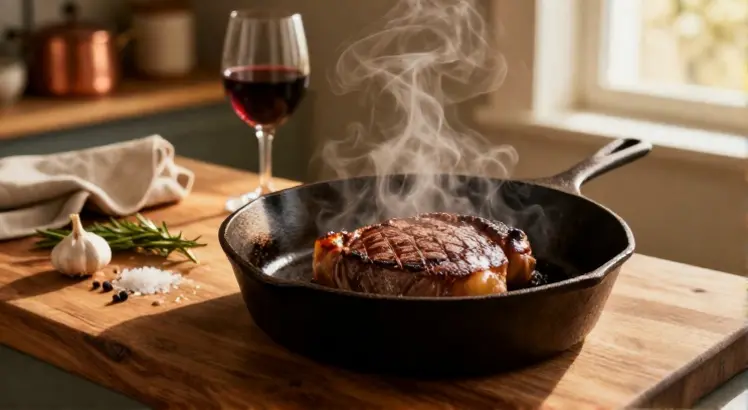
Cast iron is legendary for its ability to hold heat long after it leaves the stove or oven. This quality is not just a cooking convenience; it transforms the way you sear, bake, and serve. When you understand how long cast iron stays hot, you can time your meals perfectly and present dishes that remain sizzling at the table. The dense, heavy material acts like a thermal reservoir, releasing energy slowly and evenly.
Whether you are a home chef or a weekend griddle enthusiast, this characteristic gives you a reliable edge. In this guide we explore the science, the practical timing, and the simple steps that keep your skillet working at its peak. You will also find honest comparisons with other cookware and answers to the most common questions about cast iron’s heat holding power.
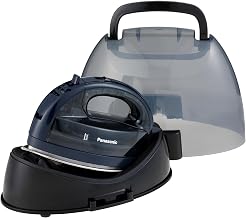
Panasonic NI-WL700A Cordless Steam/Dry Iron
Check PriceThe Science of Thermal Mass in Cast Iron
Thermal mass is the property that allows a material to absorb, store, and later release heat. Cast iron has a remarkably high volumetric heat capacity compared to aluminum or copper. This means a cast iron pan takes longer to heat up, but once it reaches temperature it retains that energy much longer.
The concept of thermal mass explains why a heavy skillet keeps food warm while a thin aluminum pan cools almost instantly. When you remove the skillet from the burner, the stored heat gradually transfers to the food and the surrounding air. Because the iron is dense (roughly 7.2 grams per cubic centimeter), the energy doesn’t dissipate quickly. As a result, a typical 12 inch skillet can remain above 200 degrees Fahrenheit for 8 to 10 minutes on a cool countertop, and much longer if you place it on a trivet or insulating surface.
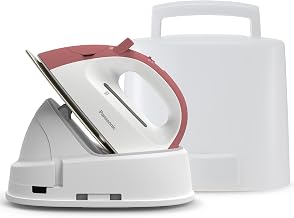
Panasonic Compact Cordless Steam Iron NI-QL300R
Check PriceHow Temperature and Thickness Affect Cooling Time
The starting temperature and the skillet’s thickness are the two biggest variables that determine exactly how long cast iron stays hot. A pan preheated to 500 degrees Fahrenheit for searing steak will obviously hold heat longer than one warmed to 350 degrees for eggs.
Thicker models, such as those from vintage brands or modern artisan foundries, have a larger thermal reservoir and can extend the hot period by several minutes. For example, a skillet that is 4 millimeters thick will often stay above 300 degrees for roughly 5 minutes after being removed from a high flame, while a 6 millimeter piece may hold that temperature for nearly 8 minutes.
Room temperature also plays a role; cooking outdoors in winter accelerates cooling. Simple additions like a preheated lid or a heavy duty griddle can also trap heat and slow the decline. Always consider these factors when you plan to serve directly from the pan.
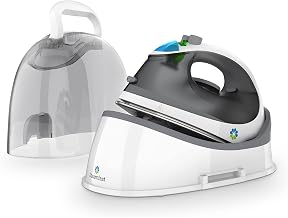
Steamfast SF-760 Portable Cordless Steam Iron
Check PriceComparing Cast Iron to Stainless Steel and Aluminum
To appreciate cast iron’s staying power, it helps to look at common alternatives. A stainless steel pan with an aluminum core cools much faster because aluminum conducts heat away quickly and the steel layer is relatively thin. In side by side tests, a stainless skillet dropped from 400 degrees to 200 degrees in under 4 minutes, while a seasoned cast iron pan took more than 7 minutes to reach the same point.
Aluminum alone is even worse, shedding heat so rapidly that it is rarely used for serving. Copper cookware, prized for responsiveness, loses heat almost instantly once removed from the heat source. Only carbon steel comes close to cast iron, but because it is usually thinner it doesn’t match the prolonged warmth. This makes cast iron the clear winner when you want to keep fajitas sizzling, a Dutch oven supper hot at the table, or a dessert fondue at an even temperature.
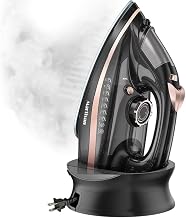
Martisan Cordless Iron for Clothes
Check PriceHow Long a Cast Iron Skillet Stays Hot Off the Stove
If you preheat an empty skillet on a medium high burner for about 5 minutes it reaches roughly 400 to 450 degrees. As soon as you turn off the heat and slide the pan onto a wooden board or silicone mat, the surface temperature starts to decline. With no food inside, the pan will feel painfully hot to the touch for at least 10 minutes and remain comfortably warm (above 140 degrees) for around 20 minutes.
Adding food changes the equation. Once you drop a cold steak into the pan, the surface temperature drops sharply but then recovers as the stored heat transfers into the meat. After cooking, the oily residue and the food itself help insulate the pan, so a skillet with hot contents can stay above 165 degrees, the safe serving threshold, for 15 to 20 minutes. That is why restaurants serve sizzling platters on cast iron trivets, the pan does the work of a chafer dish without any added fuel.
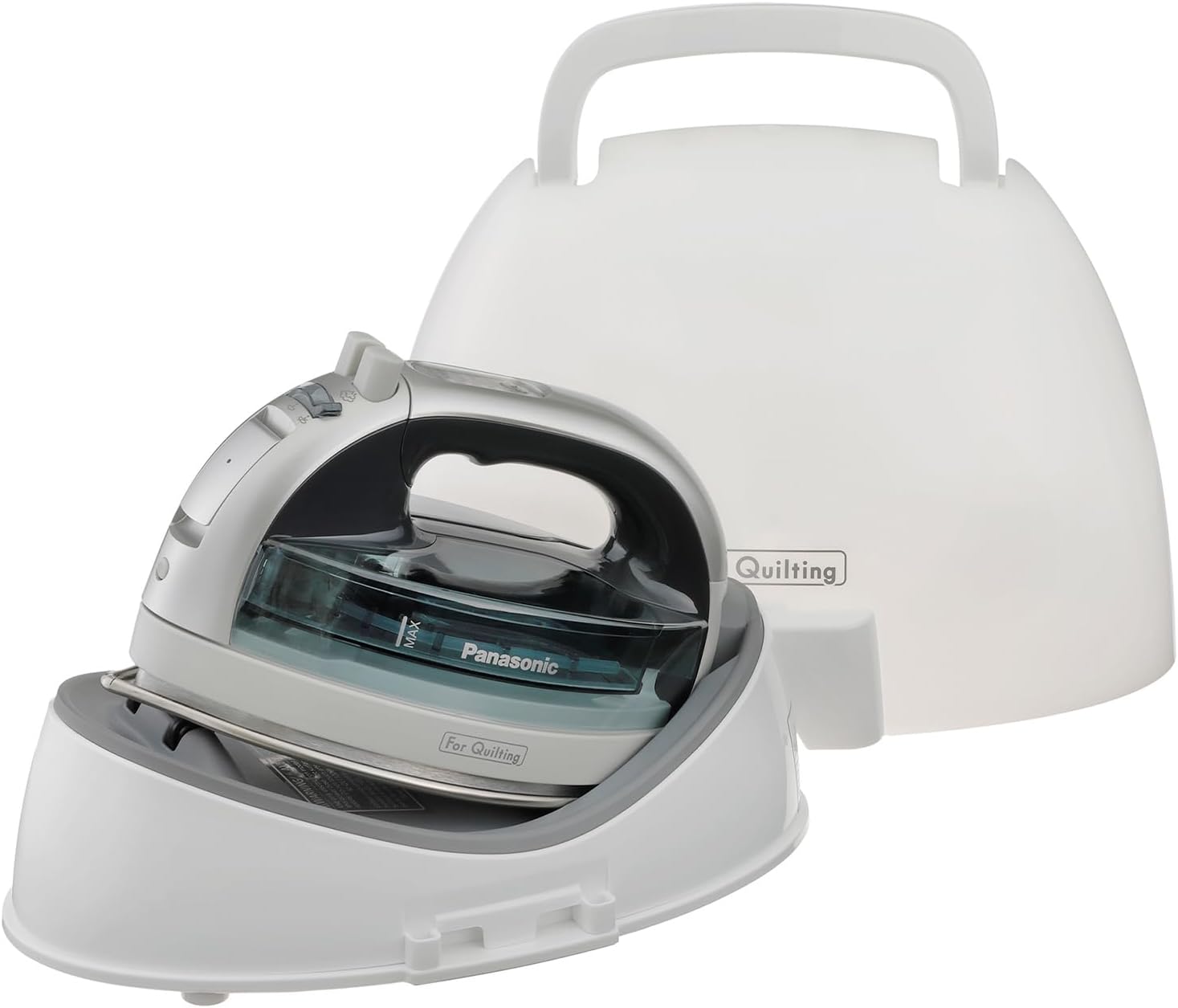
Panasonic NI-QL1100L Cordless Steam/Dry Iron
How Long Cast Iron Keeps Food Warm at the Table
Using cast iron as a serving vessel is one of its greatest strengths. A preheated Dutch oven filled with chili or stew can keep the contents above 150 degrees for 30 minutes or more, especially when covered. The heavy lid traps steam and heat, creating a mini thermal environment.
A sizzling fajita platter, typically heated until smoking, will maintain a dramatic sizzle for 2 to 3 minutes and stay hot enough to cook thin slices of onion for an additional 5 minutes. For baked casseroles or cornbread, the sides and bottom of the skillet continue to radiate warmth long after the dish leaves the oven. In fact, a 10 inch skillet removed from a 400 degree oven will still yield a warm slice 20 minutes later.
To extend this service window, place the pan on a cork trivet or folded dry towel rather than directly on a cold granite countertop, which wicks heat away aggressively.
OMAIGA Cordless Steam Iron for Clothes
Tips to Extend Heat Retention in Cast Iron
A handful of simple techniques can dramatically increase the amount of time your cast iron stays hot. First, always preheat the pan slowly and thoroughly; a rushed preheat wastes energy and leaves cold spots. Second, use a lid. Even a lightweight aluminum lid will trap escaping heat and moisture.
Third, consider placing a pizza stone or baking steel in the oven and then setting your cast iron on top of it to create a double thermal mass system. Fourth, cook at slightly higher initial temperatures when you know the dish will be served directly from the pan, compensating for the heat that will be lost during plating. Last, choose the right trivet. Wood, cork, silicone, and folded towels insulate far better than metal grids or stone countertops.
OMAIGA 2-in-1 Cordless and Corded Steam Iron
While you are maximizing your cast iron’s ability to stay hot, don’t overlook the importance of cordless tools for your sewing room. A quality cordless iron can make pressing seams effortless; consider the best cordless iron for sewing and quilting. If you’re wondering are cordless irons worth it, the convenience often justifies the investment.
Using Cast Iron for Searing and Resting Meats

Panasonic Compact Cordless Steam Iron
One of the most popular uses for cast iron’s heat retention is searing. When you lay a ribeye into a ripping hot skillet, the massive thermal reserve prevents the pan from cooling down too much, guaranteeing a deep brown crust. After searing, the resting phase is equally important. Many chefs move the skillet off the burner and let the meat finish cooking gently in the residual heat.
A large bone in cut can rest in the hot skillet for 5 to 7 minutes and still gain 5 to 10 degrees of internal temperature, all while the juices redistribute. The pan will stay hot enough to melt a pat of butter for basting even after the flame is extinguished. This technique conserves energy and yields incredibly tender protein.
Safety Precautions When Handling Hot Cast Iron
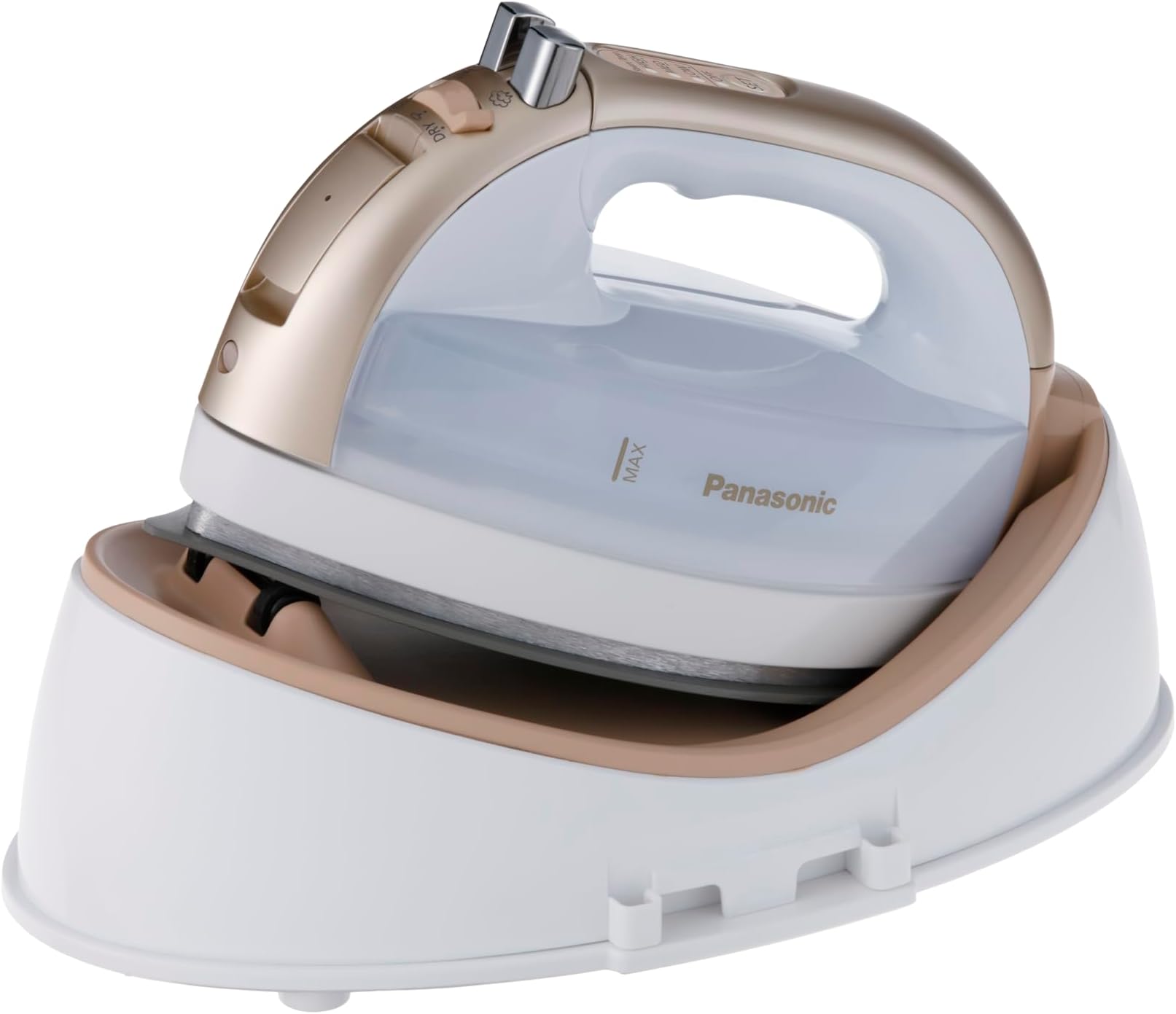
Panasonic 360 Freestyle Cordless Iron
The very property that makes cast iron so useful also makes it dangerous if handled carelessly. A skillet can remain above skin burning temperatures (140 degrees) for up to 30 minutes. Always assume the handle is as hot as the cooking surface. Use heavy duty, dry pot holders or a dedicated silicone handle cover. Never grab a handle that has been in the oven without checking first; a damp towel can transmit steam instantly.
When serving, place a warning spoon or a small sign near the pan so guests know it is still hot. Keep children and pets at a safe distance. After washing, dry the skillet immediately and apply a thin coat of oil while the pan is still warm from rinsing. This habit not only protects the seasoning but also reminds you to treat every piece as potentially hot.
Cleaning and Maintenance for Optimal Heat Performance
BEAUTURAL Mini Travel Steam Iron
A well maintained cast iron pan holds heat more consistently because the seasoning layer fills micro pores and creates a smooth, dense cooking surface. Avoid soaking the pan or putting it in the dishwasher; excess moisture can degrade the polymerized oil coating that acts as a natural non stick shield.
After each use, scrub with a stiff brush and hot water, then dry thoroughly over low heat. While the pan is still warm, rub a minuscule amount of high smoke point oil (like flaxseed or grapeseed) over the entire surface and wipe it almost dry.
This thin layer polymerizes during the next preheat, preserving the pan’s ability to absorb and radiate heat uniformly. A damaged or flaky season can cause uneven hot spots and slightly reduce thermal efficiency because the bare iron gives up heat a fraction faster in those areas. Regular care guarantees your skillet stays in peak thermal condition for decades.
Common Myths About Cast Iron Heat Retention
Rowenta Freemove Cordless Iron
Myth one: cast iron stays hot indefinitely. Even the thickest skillet obeys thermodynamics and will eventually reach room temperature. Myth two: a well seasoned pan doesn’t need preheating because it ‘holds heat from the last use’. No, the pan is at ambient temperature and requires active heating before each cooking session. Myth three: enameled cast iron retains heat as well as bare cast iron.
While the total mass is similar, the glass enamel coating can slightly insulate the inner surface, causing a minor lag in heat transfer. Myth four: leaving the pan on a gas burner for hours improves its thermal memory. In reality, consistent preheating simply stabilizes the pan at your desired temperature, nothing more. Understanding these facts helps you use cast iron with confidence and without superstition.
Frequently Asked Questions
Panasonic 360 Freestyle Cordless Iron
How long does cast iron stay hot after cooking eggs?
Eggs cook at a relatively low temperature, around 250 to 300 degrees. After you plate the eggs, the skillet will feel warm for about 5 minutes and will be cool enough to touch within 10 minutes. The heat dissipates faster because the initial temperature was not extreme.
Can I leave cast iron on a hot stove to keep it warm?
Yes, you can set the burner to the lowest simmer setting. This maintains an even temperature pool. However, be careful not to burn the seasoning. An alternative is to place the skillet in a 200 degree oven, which keeps the pan hot for serving without direct flame.
Does a lid make cast iron stay hot longer?
Absolutely. A tight fitting lid traps a layer of hot air and steam above the food, slowing convective heat loss. With a lid, a pot of soup can stay above 165 degrees for 20 percent longer than an open vessel.
Why does my cast iron cool down so fast on a stone countertop?
Stone is an excellent thermal conductor. It rapidly draws heat out of the pan. Use a trivet, cutting board, or folded towel to insulate the bottom and keep the pan hotter for longer.
Conclusion
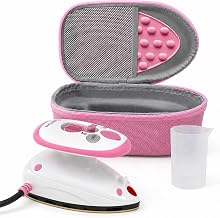
The Quilted Bear Premium Mini Steam Iron
Cast iron remains hot for several minutes to over half an hour, depending on thickness, starting temperature, and how you handle the pan. Its dense thermal mass makes it superior for searing, serving, and keeping food warm without extra energy. By using lids, insulating trivets, and proper preheating, you can stretch that warmth even further. While you explore the pleasures of cast iron cooking, remember that precision tools, like a reliable cordless iron for your sewing projects, also benefit from thoughtful design and consistent heat management. Treat your cast iron with care, and it will reward you with decades of steady, dependable heat.
