
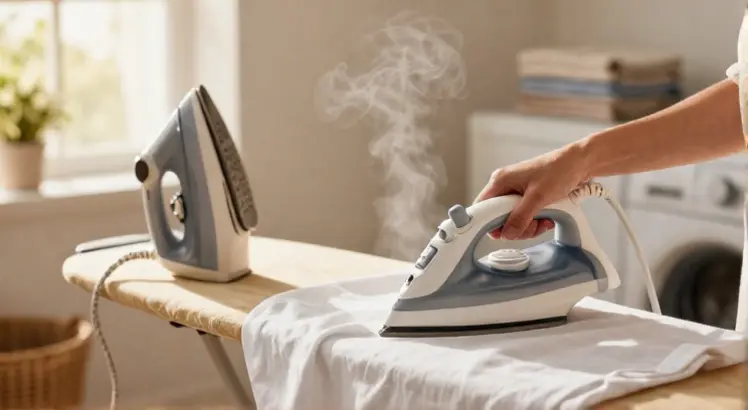
If you have ever wrestled with a twisted power cord while trying to press a delicate seam, you already understand the appeal of a cordless iron. The promise of complete freedom of movement sounds almost too good to be true. But does cutting the cord sacrifice heat, steam, or convenience?
The question many sewists and home users ask is simple: are cordless irons worth it? This guide will walk you through everything you need to know before you make the switch, from the technology and the true pros and cons to maintenance and model recommendations.
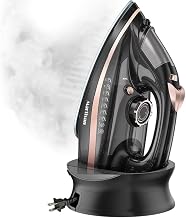
Martisan Cordless Iron for Clothes
Check PriceThe Evolution of Cordless Iron Technology
Cordless irons have come a long way since the first clunky models that barely stayed hot for more than a few seconds. Early versions relied on simple thermal mass, meaning the iron would heat up on a base and lose temperature the moment you lifted it. Today most cordless irons use advanced charging stations with double tipped connectors and precisely controlled heating elements.
The base plugs into the wall outlet, and the iron rests on the base to reheat rapidly between passes. This design keeps the soleplate consistently hot while you move from collar to cuff without any cord tugging at your wrist. Combined with lithium ion or similar battery technology in some travel models, the modern cordless iron is far more capable than many people realize.
How Cordless Irons Work and What to Expect
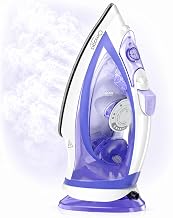
OMAIGA 2-in-1 Cordless and Corded Steam Iron
Check PriceAt its heart, a cordless iron is a simple system. The charging base supplies electricity to heat the soleplate to your selected temperature, usually between 250°F and 400°F. When you lift the iron off the base, that heat is stored in the soleplate and the water reservoir for steam production is still accessible. You have a limited working window, typically 15 to 60 seconds of glide time, before you place the iron back on the base to reheat for a few seconds.
Good models reach full temperature again in under5 seconds. You will notice a small indicator light that tells you when it is ready. The process becomes second nature very quickly, similar to tapping a pause button while rearranging your fabric. You do not have to turn the iron off and on, just set it back and go again.
The Pros: Why Cordless Irons Are Worth Considering
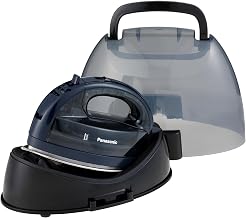
Panasonic NI-WL700A Cordless Steam/Dry Iron
Check PriceThe most obvious advantage is the untethered movement. You can iron in any direction without fighting a snarled cord. For sewing and quilting, this is a revelation. Pressing seams open on a long skirt or rotating a quilt block becomes effortless. No more accidental creses from the cord dragging across freshly pressed fabric. You also gain a clear field of view. There is no cord to knock over your pin cushion, pattern weights, or cup of tea on the ironing board.
According to independent testing from Good Housekeeping’s cordless iron tests, modern models can deliver consistent steam output that rivals corded irons. Many users also report that cordless irons are lighter and easier to store, because you can separate the base from the iron and tuck the base out of sight. This makes them a favorite in small sewing rooms.
Potential Drawbacks to Keep in Mind
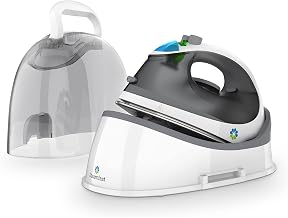
Steamfast SF-760 Portable Cordless Steam Iron
Check PriceNo appliance is perfect. The most frequent criticism of cordless irons is the need to return to the base frequently. If you are used to ironing a large tablecloth in one long, steady sweep, the stop and go rhythm can feel disruptive. The heat retention time varies by model, and budget options may cool down too fast for heavy cottons or linens.
Also, because the iron must be docked to heat, you lose the ability to simply stand the iron on its heel while it stays hot. You must place it back on the charging station. Some users find that the base itself takes up more space on the ironing board than a standard heel rest.
Additionally, cordless irons may have slightly smaller water tanks to keep the weight manageable, so refilling happens more often during marathon steam sessions. If you press large bolts of fabric or dozens of shirts at once, a corded iron might still be your best friend.
Cordless vs. Corded Irons: A Detailed Comparison
OMAIGA 2-in-1 Cordless and Corded Steam Iron
Check PriceWhen you put a cordless iron next to a high quality corded model, the differences beyond the cord become clear. Corded irons provide nonstop heat and unlimited steam, which is ideal for volume ironing. Cordless irons trade pure endurance for superior maneuverability. Sewists and quilters often prefer cordless because precise pressing, like setting a curved seam or opening a dart, benefits more from free rotation than from sustained wattage.
Temperature consistency between docks is excellent on good cordless models, with the soleplate staying within a narrow range. Steam output can be similarly matched with a powerful burst function. If you mostly iron a few garments at a time or need to press small sewing projects, the cordless advantage far outweighs the minor reheating interruptions. The corded iron remains the champion for large, flat surfaces and heavy, damp linen. For versatility, some sewists keep one of each in their studio.
Who Should Invest in a Cordless Iron?
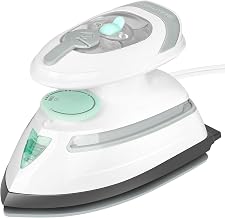
BEAUTURAL Mini Travel Steam Iron
Check PriceCordless irons shine for anyone who sews or quilts. Pressing as you go is a fundamental part of sewing, and the ability to spin the iron 180 degrees without a cord twisting up is a huge time saver. Quilters working on large blocks will love being able to set the iron back on the base while they realign pieces. These irons are also ideal for quick touch ups on already worn clothes. Keep one in your bedroom for mornings when you spot a small wrinkle on a shirt you just pulled from the hanger.
Crafters who use heat transfer vinyl or appliques find the precise placement much easier without a cord in the way. If you have limited outlet space or iron in an unusual spot, like on a small table away from the wall, the cordless design is a practical solution. However, if you run a small laundry service or iron massive piles of bedding each week, you might miss the continuous power of a corded model.
Top Features to Look for in a Cordless Iron
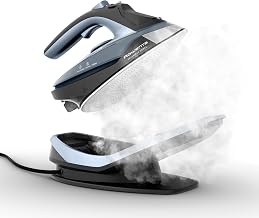
Rowenta Freemove Cordless Iron
Check Price- Stable charging base: Look for a wide, non skid base that holds the iron securely. A360 degree swivel base is a bonus for easy docking.
- Quick reheat time: The best models reheat in under5 seconds so your rhythm is not broken.
- Soleplate quality: Ceramic or stainless steel soleplates glide smoothly and resist scratches. A pointed tip helps get into tight gathers and seams.
- Steam burst and vertical steam: A powerful shot of steam can remove stubborn wrinkles, and vertical steaming lets you freshen hanging garments or drapes.
- Anti drip and anti calc: These features prevent water spots on your fabric and extend the iron lifespan, especially if you use tap water.
- Water tank capacity: A tank around 4 to 6 ounces keeps the iron light while still delivering enough steam for a typical sewing session.
- 2 in 1 functionality: Some cordless irons can also be used corded for unlimited heat when you need it, giving you the best of both worlds.
Cordless Irons for Sewing and Quilting Projects
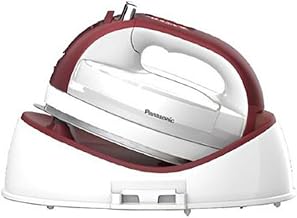
Panasonic 360 Freestyle Cordless Iron
Check PriceFor sewists and quilters, a cordless iron can be a game changer (see our full roundup of the best cordless irons for sewing and quilting. The precise, repetitive pressing required by sewing demands an iron that feels like an extension of your hand. Cordless models allow you to press a seam, flip the fabric, and set the iron back without ever breaking your focus.
When pressing quilt blocks with multiple tiny pieces, you can keep the iron close to your work area and simply dock it when you need to match points or trim dog ears. The absence of a cord means you can set up a pressing station right next to your sewing machine, even if an outlet is not conveniently placed. Small, compact cordless irons are also easy to slip into a quilting retreat bag. The heat retention you get from a quality model is plenty for setting seams and fusing interfacing.
Maintenance and Care Tips for Longevity
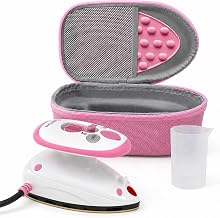
The Quilted Bear Premium Mini Steam Iron
Check PriceCordless irons need the same TLC as any quality iron, with a few extras. Always empty the water tank after use to prevent mineral buildup. Wipe the soleplate with a damp cloth while the iron is slightly warm, and never use abrasive cleaners, as they can scratch nonstick or ceramic coatings.
The charging base contacts should be kept dry and free of stray threads. If your iron uses replaceable anti calc cartridges, swap them according to the manual. For stubborn residue on the soleplate, a paste of baking soda and water applied with a soft cloth works well, but always test on a small spot first. Store the iron on its base or separately in a padded box.
The electrical contacts on the base can occasionally attract lint, so a quick blow with canned air keeps them clean. With proper care, a good cordless iron will last for many years of faithful pressing.
How to Maximize Battery Life and Steam Performance
[CARD 10]

BEAUTURAL Mini Travel Steam Iron
Check PriceIf you want every pass of your cordless iron to be effective, a few habits help. Preheat the iron completely on the base before you start. Use distilled or demineralized water if your tap water is hard, to prevent scale from blocking the steam vents. Press a little more slowly than you would with a corded iron because you are relying on stored heat, and give the iron a few extra seconds on the base between major sections. Using a quality pressing cloth (learn more in our guide to thebest pressing cloths) can protect delicate fabrics while improving iron glide. For travel battery powered irons, keep them fully charged and avoid using the highest steam setting back to back, as this drains the battery quickly. Treat the iron as a specialist tool for detail work rather than a heavy duty yardage presser, and you will be delighted by how long a single charge or heat cycle actually lasts.
Travel and Portable Cordless Irons: Are They Worth It?
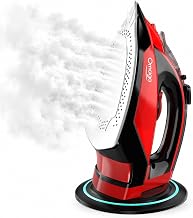
OMAIGA Cordless Steam Iron for Clothes
Check PriceMini and travel cordless irons have become surprisingly capable. They are small enough to fit in a carry on and often feature dual voltage for international use. A travel cordless iron is worth it if you attend sewing retreats, trunk shows, or business conferences where you need to look sharp.
The compact size makes them perfect for quick pressing in a dorm room or R.V. While they lack the large water tank and heavy soleplate of full sized models, they can handle shirt collars, small seams, and craft projects with ease. Some even include a protective pouch that doubles as an ironing pad.
Do not expect to press yards of fabric, but for its intended purpose, a quality travel cordless iron is a smart purchase for anyone who sews on the go.
Cost Analysis: Are Premium Cordless Irons Worth the Price?
Cordless irons range from under30 to over150 dollars. In the lower range, you will find basic travel models and simple steam irons that work adequately for light tasks. Mid range options around60 to 90 dollars offer better soleplate quality, faster reheat times, and more consistent steam.
Premium models, often from Panasonic or Rowenta, feature a 360 degree curved soleplate, advanced anti drip systems, and even convertible corded or cordless capabilities. For a home sewist who presses daily, spending a little more for a durable, high performance cordless iron is money well spent.
The convenience and flexibility genuinely enhance the sewing experience. A cheap model that loses heat in ten seconds will leave you frustrated and may even scorch fabric if you try to push it too far. When you consider that a good iron can last a decade, the cost per use becomes tiny. If you frequently travel or have a cramped sewing space, a premium cordless iron pays for itself in comfort and saved time.
Frequently Asked Questions About Cordless Irons
BEAUTURAL Mini Travel Steam Iron
Check PriceHow long does a cordless iron stay hot?
Most cordless irons stay hot enough to press effectively for between20 and60 seconds off the base. The exact time depends on the soleplate material and the temperature setting. Higher heat settings drain the stored energy slightly faster. Simply re docking for a few seconds brings it right back to full temperature.
Can I use a cordless iron for quilting?
Absolutely. Many quilters prefer cordless irons for the unmatched freedom of movement when pressing seams open on blocks. The quick reheat cycle fits perfectly with the rhythm of assembling quilt blocks, and the lack of a cord makes it safer around cut fabric and rulers.
Are cordless irons as powerful as corded ones?
In terms of maximum temperature and steam burst, high quality cordless irons are very competitive. The main difference is duration rather than peak power. A corded iron can run steam continuously for minutes, while a cordless iron needs to pause often to reheat.
Do cordless irons have a battery?
Standard home cordless irons do not have a battery, they use a hot soleplate that stores heat from the electric base. Some mini travel irons are truly battery powered and cordless even away from the base. Check the description carefully to know which type you are buying.
Is it worth switching from corded to cordless?
If freedom of movement, convenience, and a clutter free ironing board matter to you, the switch is well worth it. Most people who try a good cordless iron, especially for sewing, never want to go back. The small adjustment to the re docking rhythm becomes second nature within a day.
Once you experience pressing without a cord in the way, you will wonder why you waited so long. For sewists, quilters, and anyone who values precision, the cordless iron is not just a gadget, it is a small revolution on the ironing board.
