
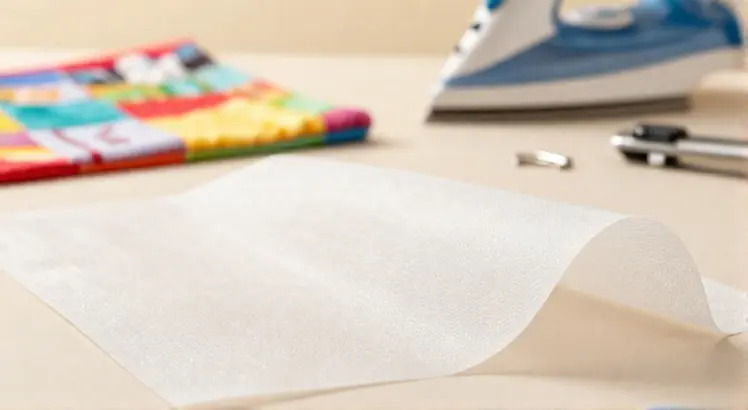
There is a special kind of heartbreak that comes from owning a stack of beloved t-shirts that no longer fit, yet are too meaningful to donate. Whether they are from high school sports, college clubs, or memorable 5K runs, you want to preserve them. However, jersey knit fabric is stretchy, slippery, and prone to warping. If you try to sew it without stabilization, your quilt top will be a bubbled, wavy mess.
You don’t need just any stabilizer; you need the right fusible interfacing to turn those flimsy knits into crisp, quilt-ready fabric. The goal is to maintain the softness of the shirt while preventing stretch and shadowing from the front.
Short Answer: The best overall interfacing for t-shirt quilts is the Heatnbond EZ TEE Cotton Woven Iron-on Fusible Interfacing. It offers the perfect blend of a soft, non-wrinkling cotton feel with strong stabilization that keeps jersey knit from stretching, ensuring your quilt looks professional and lasts for decades.
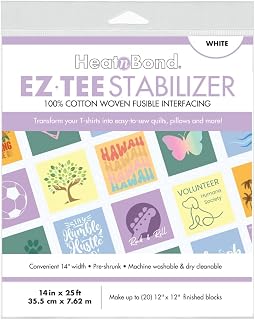
Heatnbond EZ TEE Cotton Woven Iron-on Fusible T-Shirt Quilt Interfacing Stabilizer
Check PriceBest Fusible Interfacing For T-shirt Quilts of 2026
After you apply a quality fusible interfacing to your T‑shirt blocks, pairing it with the right thread makes all the difference in durability. Our guide on choosing the best quilting thread walks you through fiber types, weights, and finishes that prevent seam slippage on stretchy knits. For a deeper look at why stabilization matters, this Wikipedia explainer on how fusible interfacing works details the heat‑activated adhesives that lock fibers in place so every stich stays flat and even.
1. ZOMONETI Light Weight Non-Woven Fusible Interfacing – Budget-Friendly Bulk Option
ZOMONETI Light Weight 17in x 30yd White Iron On Non-Woven Fusible Interfacing
Check PriceWhy it stands out
This roll provides exceptional value for quilters who need a massive amount of interfacing without breaking the bank. It is a lightweight polyester blend that offers reliable stability while maintaining a bit of drape, ideal for thinner t-shirts.
Key points
- Size: 17 inches wide by 30 yards long
- Single-sided fusible application
- Non-woven polyester material
- White color prevents show-through
Pros
- Excellent price per yard
- Easy to cut and apply
- Smooth finish reduces wrinkles
- Does not add heavy bulk
- Great for general sewing projects too
Cons
- Non-woven can feel slightly papery if not quilted densely
- May not be stiff enough for very thick or heavy graphic tees
Best for
Cost-conscious quilters making identical memory quilts or those who need a versatile stabilizer for various sewing tasks.
2. Heatnbond EZ TEE Cotton Woven Iron-on Fusible Interfacing – Best Overall Quality
Heatnbond EZ TEE Cotton Woven Iron-on Fusible T-Shirt Quilt Interfacing Stabilizer
Check PriceWhy it stands out
Specially formulated for t-shirt quilts, this woven cotton interfacing moves with the fabric naturally while preventing the stretch that causes distortion. It is the gold standard for preserving the feel of the original shirt while adding stability.
Key points
- Size: 14 inches wide by 25 feet long
- 100% Cotton woven fabric
- Specifically designed for jersey knit
- Heat-activated adhesive backing
Pros
- Superior softness and drape
- Prevents rippling and waviness
- Does not change the texture of the shirt
- Bonds securely with minimal peeling
- Easy to quilt through by hand or machine
Cons
- Higher price point than non-woven options
- Width of 14 inches may require more seams for large shirt backs
Best for
Quilters who refuse to compromise on quality and want their t-shirt quilt to feel like a knitted blanket rather than a stiff board.
3. June Tailor T-Shirt Project Fusible Interfacing – Pre-Cut Convenience
June Tailor T-Shirt Project Fusible Interfacing
Check PriceWhy it stands out
June Tailor is a well-known name in quilting, and this pack offers a grid layout that helps with alignment and centering. It is designed to give a crisp finish to stretchy knits without adding excess bulk.
Key points
- Project-specific sizing (usually includes full sheets)
- Firm stabilization for knits
- Easy to follow instructions included
- White opaque backing hides shirt colors
Pros
- Very stable and prevents stretching well
- Grid lines make cutting straight lines simple
- Hides dark shirt colors effectively
- Reliable adhesive that stays stuck
- Trusted brand in the sewing community
Cons
- Cardboard feel might be too stiff for some users
- Can be difficult to iron over large areas without bubbles
Best for
Beginners who want a structured, easy-to-cut product that guides them through the block-making process.
4. Moukeren 14″ X 50 ft T-Shirt Quilt Fusible Interfacing Stabilizer – Great Mid-Range Roll
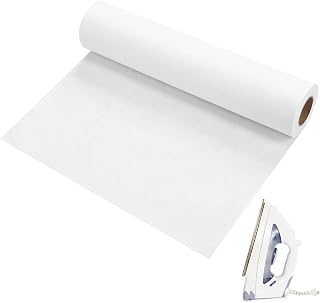
Moukeren 14″ X 50 ft T-Shirt Quilt Fusible Interfacing Stabilizer
Check PriceWhy it stands out
This roll offers a significant amount of material at a reasonable price, making it a strong competitor to the EZ TEE. It is designed specifically for jersey knits and provides solid support without delaminating.
Key points
- Size: 14 inches wide by 50 feet long
- Non-woven blend optimized for knits
- Good balance of stability and softness
- White color for opacity
Pros
- Generous length for large quilts
- Adhesive activates evenly
- Resists tearing during sewing
- Consistent quality throughout the roll
- Good value for money
Cons
- Non-woven offers a slightly artificial feel compared to cotton
- May need a pressing cloth to prevent scorching
Best for
Quilters working on large projects or multiple quilts who need a reliable mid-weight roll without premium cotton pricing.
5. 11.6″x30yd Medium Weight Fusible Interfacing for Sewing – All-Purpose Medium Weight
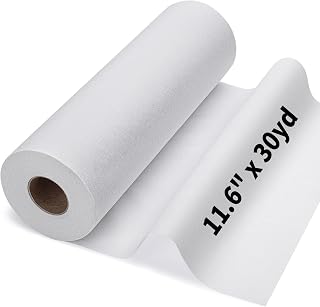
11.6″x30yd Medium Weight Fusible Interfacing for Sewing Iron on Interfacing
Check PriceWhy it stands out
This is a standard medium-weight interfacing that performs well for thicker shirts or when you need a firmer block. It is a workhorse product that gets the job done without complex specifications.
Key points
- Size: 11.6 inches wide by 30 yards long
- Medium weight stiffness
- Iron-on adhesive backing
- Suitable for various fabrics
Pros
- Strong hold for heavy graphics
- Prevents stretching effectively
- Long roll lasts a long time
- Does not gum up needles
- Versatile for other crafts
Cons
- Can be too stiff for very soft vintage shirts
- Narrow width requires piecing for large squares
Best for
Quilters who prefer a firm, crisp block and are working with standard 12×12 inch squares or smaller.
6. Stabili-TEE Fusible Interfacing Pack, 60″ x 72″ – Premium Sheet Pack
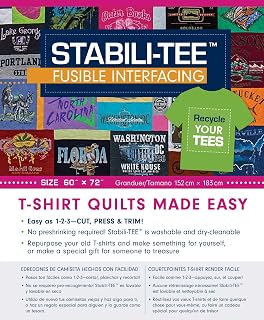
Stabili-TEE Fusible Interfacing Pack, 60″ x 72″: T-Shirt Quilts Made Easy
Check PriceWhy it stands out
This product comes in large, flat sheets rather than a roll, which eliminates the curling problem entirely. The dimensions are specifically designed to accommodate large t-shirt backs without needing seams.
Key points
- Pack includes a large 60 by 72 inch piece
- Lies flat for easy cutting
- High-quality non-woven material
- Provides excellent opacity
Pros
- No roll memory or curling corners
- Large surface area saves time
- Very sturdy bond
- Hides dark shirt prints effectively
- Great for large format quilting
Cons
- Higher cost per yard compared to budget rolls
- Stiffness may be higher than cotton options
Best for
Professionals or serious hobbyists who hate fighting with rolled interfacing and want maximum efficiency.
7. 11.6″x30yd Lightweight Fusible Interfacing Fabric – Soft Drape Roll
11.6″x30yd Lightweight Fusible Interfacing Fabric for Sewing Interfacing
Check PriceWhy it stands out
If you hate the cardboard feeling of some stabilizers, this lightweight option is a great compromise. It provides just enough structure to prevent stretching while keeping the quilt soft and cozy.
Key points
- Size: 11.6 inches wide by 30 yards long
- Lightweight poly blend
- Flexible and soft finish
- Easy to fuse with low heat
Pros
- Maintains fabric drape
- Very soft against the skin
- Prevents waviness on thin shirts
- Great price for the length
- Hand quilts easily
Cons
- May not stabilize thick, heavy sweaters
- May require double layer for very stretchy spandex blends
Best for
Quilters using old, worn-out shirts that are already soft and want to preserve that delicate hand feel.
8. PLANTIONAL Medium Weight Non-Woven Fusible Interfacing – Reliable Generic Brand
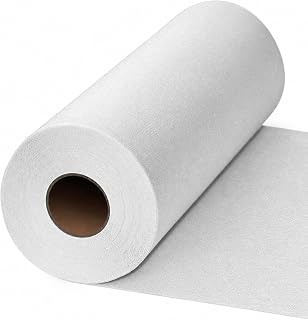
PLANTIONAL 11.6″x30yd Medium Weight Iron on Non-Woven Fusible Interfacing
Check PriceWhy it stands out
Plantiotal offers a consistent medium-weight fussing experience. It adheres well and provides a stable base for cutting t-shirt logos precisely without fraying.
Key points
- Standard medium weight thickness
- 30 yards of continuous fabric
- Clean white appearance
- Firm but flexible
Pros
- Consistent adhesive layer
- Grid-friendly fabric
- Holds up well in the wash
- Prevents needle gumming
- Affordable alternative to name brands
Cons
- Not as soft as woven cotton
- Can hold creases if folded improperly
Best for
Users who go through a lot of stabilizer and want a dependable workhorse that performs similarly to premium brands at a lower cost.
9. June Tailor T-Shirt Project Fusible Interfacing 60inX72in – Large Format Sheet
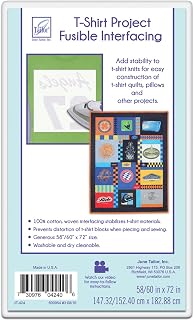
June Tailor T-Shirt Project Fusible Interfacing-60inX72in
Check PriceWhy it stands out
This is the bulk sheet version of the popular June Tailor product. It allows you to cover an entire shirt back in one piece, reducing seams and uneven layers in your finished quilt block.
Key points
- Dimensions: 60 inches by 72 inches
- One-piece large format
- Firm stabilization
- Includes gridded instructions
Pros
- Eliminates seams in large blocks
- Perfect for the backs of oversized shirts
- Strong, secure bond
- Easy to lay out flat
- Professional results
Cons
- Stiffness is noticeable
- Price can be high for a single sheet
Best for
Quilters making jumbo blocks or utilizing the entire front and back of a t-shirt in a single layout.
10. White Light Weight Fusible Interfacing 17″ X 30yd – Wide Width Budget Roll
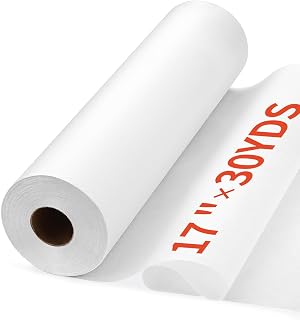
White Light Weight Fusible Interfacing for Sewing 17″ X 30yd
Check PriceWhy it stands out
This 17-inch width is a significant advantage over the standard 11-inch rolls. It covers standard t-shirt fronts more efficiently and reduces waste when cutting multiple squares.
Key points
- Wide 17-inch format
- Lightweight binding
- 30-yard long roll
- Non-woven poly material
Pros
- Coverage is faster on wide areas
- Soft finish on the fabric
- Good value for the yardage
- Does not fray or tear easily
- Adhesive bonds evenly
Cons
- Too light for very stretchy performance shirts
- May not provide enough opacity for dark colored knits
Best for
Quilters who need a lightweight fusible for white or pastel shirts and prefer the convenience of a wider roll.
11. STABILI-TEE Fusible Interfacing Pack 60″X72″ Polyester – Multi-Purpose Large Sheet
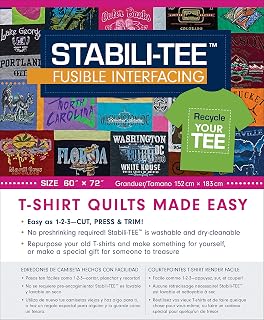
STABILI-TEE Fusible Interfacing Pack 60″X72″ 100% Polyester
Check PriceWhy it stands out
This is a popular choice among long-arm quilters because of its strength and consistency. The polyester makeup is resilient, ensuring the quilt holds its shape through repeated washing and use.
Key points
- 100% Polyester material
- Large 60 by 72 inch sheet
- Robust stabilization
- Flat sheet format
Pros
- Extremely durable bond
- Prevents all stretching
- Lies perfectly flat
- Smooth surface for quilting
- Holds up to hot irons well
Cons
- Feels the least like fabric; very synthetic feel
- Can be noisy or crinkly when moved
Best for
Quilters working with thick, heavy, or distorted knits that need maximum structural support and longevity.
12. Moukeren 43″ x 16ft T-Shirt Quilt Fusible Interfacing – Wide Coverage Roll
Moukeren 43″ x 16ft T-Shirt Quilt Fusible Interfacing Stabilizer
Check PriceWhy it stands out
This roll offers a unique width of 43 inches, allowing you to cover most shirt backs in one single cut without overlapping. It is a time-saver for quilters who want a smooth, seamless backing.
Key points
- Extra-wide 43-inch format
- 16 feet in length
- Designed for t-shirt quilts
- Balanced stiffness
Pros
- Saves significant cutting time
- No seam lines in the interfacing
- Stabilizes large areas well
- Strong hold on knits
- Good for novelty sized shirts
Cons
- Low total yardage compared to narrow rolls
- Difficult to handle if you have a small ironing board
Best for
Quilters who prioritize speed and are working with large format blocks where seam lines in the stabilizer might create bumps.
13. PLANTIONAL Light Weight Woven Cotton Fusible Interfacing – Soft Premium Feel
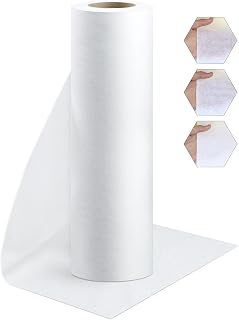
PLANTIONAL Light Weight Woven Cotton Fusible Interfacing, 16.1″ X10 Yd
Check PriceWhy it stands out
This woven cotton option provides the best of both worlds: the softness of cotton and the stability of a fusible. It is an excellent alternative to the Heatnbond EZ TEE, especially for vintage shirts.
Key points
- Woven cotton fabric
- Lightweight drape
- Width: 16.1 inches
- Length: 10 yards
Pros
- Natural cotton feel
- Prevents stretch without stiffness
- Breathes well
- Conforms to the fabric grain
- Easy to needle
Cons
- Shorter roll length
- Adhesion can occasionally peel if not heated long enough
Best for
Crafters who want a natural fabric feel and are making smaller heirloom quilts where softness is the top priority.
How to Choose the Best Interfacing for T-Shirt Quilts
Selecting the right interfacing is the single most important decision for your project’s outcome. The primary function is to neutralize the stretch of the jersey knit. Without stabilization, the fabric shifts under the presser foot, causing wavy seams and a quilt that will not lay flat. T
he first factor to consider is the material: woven or non-woven. Woven interfacing, usually cotton, moves similarly to fabric. It is preferred for high-quality quilts because it breathes, drapes beautifully, and does not crinkle over time. Non-woven interfacing is essentially paper-like plastic fibers bonded together. It is cheaper and provides firm stiffness, but it can feel stiff and may peel after repeated washing if the adhesive is not high quality.
The second factor is weight. Vintage tees are usually thin and soft; a lightweight or medium-weight interfacing is best here to avoid making them feel like cardboard. If you are working with modern heavyweight shirts or sports jerseys with thick screen prints, you need a heavier weight to counterbalance the extra mass.
Finally, consider the format. Rolls are cost-effective but often retain a curl that makes them hard to iron. Sheets lie flat and are ready to cut but usually cost more per yard. For most users, a medium-weight woven cotton roll, like the Heatnbond EZ TEE, strikes the best balance between usability, softness, and stabilization.
Mistakes to Avoid with Fusible Interfacing
A common mistake is using a high heat setting with too much steam. Polyester fibers and adhesives can melt or bubble under extreme heat. Always use a dry iron on the recommended setting, often the Wool or Cotton setting without steam. If you need steam, use a pressing cloth to protect the adhesive.
Another major error is not pre-washing your t-shirts. Shirts often contain fabric softener or oils from wear. These residues can prevent the adhesive from bonding to the fibers. Wash and dry the shirts without fabric softener before you cut them.
Moving the iron too quickly is another frequent issue. The adhesive needs time to melt and penetrate the fabric fibers. You must press firmly and hold the iron in place for 10 to 15 seconds per section. Lifting the iron and placing it down is better than sliding it. Sliding can shift the fabric, creating bubbles and wrinkles.
Finally, do not stretch the t-shirt when placing it on the interfacing. Lay the shirt flat and allow it to relax. If you fuse a shirt that is stretched out, the stretch is permanently set, creating a distorted block that will ruin your quilt top.
Frequently Asked Questions
- Can I use regular fabric instead of interfacing?
No. Regular fabric can stretch alongside the t-shirt. Interfacing contains a heat-activated adhesive that melts into the knit, physically locking the fibers in place to prevent movement. - Is woven or non-woven interfacing better?
Woven is generally better for t-shirt quilts because it feels like fabric, breathes, and wrinkles less. Non-woven is cheaper but can feel stiff and papery. - Will fusible interfacing make my quilt too stiff?
It depends on the weight. Lightweight interfacing adds structure without much stiffness. Heavyweight interfacing can make the quilt feel like cardboard, so stick to light or medium weights for bedding. - How do I prevent bubbles when ironing on interfacing?
Use a dry iron, hold it still for 10-15 seconds per section, and do not slide the iron. Place the interfacing glue-side down on the un-stretched shirt and let it cool before moving. - Can I wash a t-shirt quilt with interfacing?
Yes. Once the adhesive has cooled and set, the bond is permanent. Wash the finished quilt in cold water on a gentle cycle and tumble dry low to preserve the adhesive. - What size interfacing do I need for a standard t-shirt?
An 11 to 14 inch width usually covers the front graphics of most adult shirts. If you are using the back of the shirt, you may need a 43-inch or 60-inch wide roll to cover it in one piece. - How do I know if the adhesive side is facing down?
The adhesive side is usually shiny or textured (often bumpy). It feels like sandpaper or plastic. The non-adhesive side is usually smooth fabric or paper-like. - Can I sew without quilting backer fabric?
You always need a backing. The interfacing stabilizes the top block, but the quilt sandwich still requires batting and a back fabric to finish the project. - Why is my interfacing peeling off after sewing?
This usually happens if the iron was not hot enough, if steam was used, or if the shirt had fabric softener on it. Ensure the shirt is clean and use a hot, dry iron with firm pressure. - Do I need interfacing for sweatshirts or sweaters?
Yes. Knit fabrics generally need interfacing. You might want a medium or heavyweight interfacing for thicker knits to control the bulk and stretch effectively.
Conclusion
Creating a t-shirt quilt is a labor of love, and the foundation of that labor is the interfacing you choose. Skimping on this essential supply can lead to a quilt that warps, bubbles, or falls apart after a few washes. While budget options like non-woven rolls are suitable for practice or utility projects, the tactile quality of a woven cotton interfacing is undeniably superior for heirloom quilts. The Heatnbond EZ TEE stands out as the best overall choice in 2026 because it specifically addresses the needs of knits, providing a soft, stable, and durable backing that enhances the natural feel of the cotton shirt.
By understanding the types of interfacing available and following proper ironing techniques, you can transform a bag of old shirts into a treasured keepsake. Whether you choose a bulk roll like the ZOMONETI for a large project or the precision of the June Tailor sheets, the key is to match the weight and texture of the stabilizer to the shirts you are using. Invest in the right materials, take your time with the iron, and you will enjoy a quilt that honors those memories for years to come.
Once your knit fabric panels are crisp and stable, precise cutting with the right tools becomes vital for a polished quilt top. Investing in top‑rated rotary cutters for quilting gives you effortless, laser‑straight edges that let those T‑shirt graphics shine, while reducing hand fatigue during long sessions and minimizing fabric distortion.
