
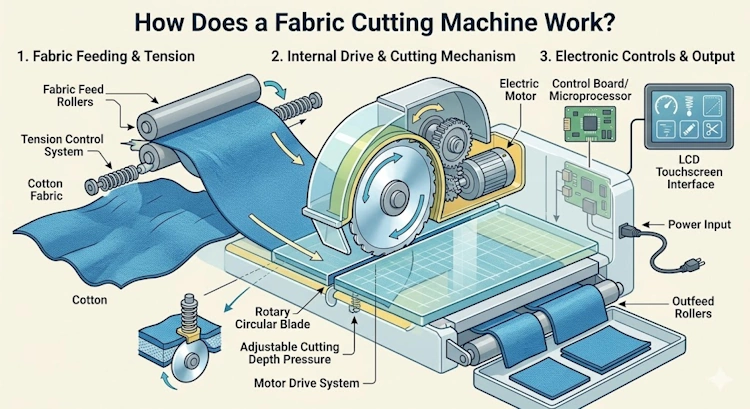
If you’ve ever wondered how does a fabric cutting machine work, you’re not alone. Whether you’re a home sewist scaling up production or a small business owner streamlining workflows, these tools take the guesswork and tedium out of cutting patterns. Unlike struggling with dull scissors for hours, a dedicated fabric cutter delivers consistent, precise results in a fraction of the time. In my 12 years of running a custom apparel business, I’ve tested everything from budget manual rotary cutters to industrial-grade laser systems, and I’m breaking down exactly how these machines function below.
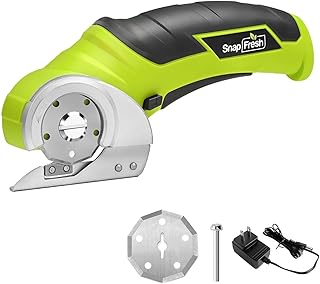
SnapFresh Cordless Electric Scissors, 4V Electric Mini Box Cutter, Carpet & Cardboard Cutter Tool with a Replacement Blade/Charger, Rotary Cutter for Cardboard Packages Leather Plastic (Green)
Check PriceWhat Is a Fabric Cutting Machine?
A fabric cutting machine is a specialized tool designed to cut textile materials into predefined shapes and sizes, replacing or supplementing manual scissors and rotary cutters. These machines range from small handheld devices for home sewists to massive industrial systems used in mass garment production. Their core purpose is to reduce human error, speed up cutting processes, and handle materials that are difficult to cut manually, such as multiple layers of denim, leather, or slippery silk.
Most fabric cutting machines share a few core components: a cutting blade (rotary, straight, or laser), a material bed or feed system to hold fabric in place, and a mechanism to guide the blade along your desired pattern. Basic models require manual guidance, while advanced CNC (computer numerical control) and laser cutters use digital files to automate the entire process.
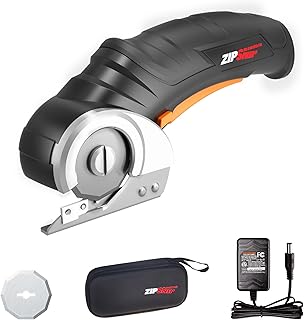
Worx Zipsnip Cordless Electric Scissors, Rechargeable Cardboard Box Cutter, 4V Powerful Fabric Scissors with 2 Safety Blades & Storage Bag WX082L.2
Check PriceTypes of Fabric Cutting Machines Explained
Not all fabric cutting machines work the same way. Below are the five most common types you’ll encounter, each with distinct mechanisms:
Manual Rotary Cutters
These are the most accessible entry-level option, essentially a handheld rotary blade attached to a grip, often used with a self-healing cutting mat and acrylic ruler. You guide the blade manually along your pattern lines. They’re affordable (typically $15–$50) and great for small projects, but they require steady hands and can’t cut through more than 2–3 layers of medium-weight fabric at once.
Electric Rotary Cutters
Electric rotary cutters add a battery-powered or corded motor to spin the rotary blade, reducing the hand pressure needed to cut through thick fabrics. They work similarly to manual models but handle 4–6 layers of fabric easily. Many include ergonomic grips to reduce hand fatigue during long cutting sessions.
Die Cutting Machines
Die cutters use pre-shaped metal dies (think cookie cutters for fabric) pressed into the material with a hand crank or electric motor. You place your fabric on a cutting mat, align the die, and run the mat through the machine to stamp out shapes. These are popular for quilting, appliqué, and small craft projects, as they cut identical shapes repeatedly with perfect consistency.
Laser Cutting Machines
Laser cutters use a focused high-heat laser beam to vaporize fabric along digital pattern lines. They don’t use physical blades, which eliminates blade dulling and allows for extremely intricate cuts, including small notches and curved edges. They’re more expensive (starting at $500 for small home models, $10,000+ for industrial versions) but work on almost any fabric type, including delicate chiffon and thick canvas.
CNC Fabric Cutting Machines
CNC (computer numerical control) cutters are the gold standard for industrial production. They use digital pattern files uploaded to the machine’s software to guide a rotary or straight blade along exact cutting paths. They can cut through 50+ layers of fabric at once, automatically mark notches and grainlines, and integrate with inventory management systems for large-scale manufacturing. These machines start at $3,000 for small commercial models and cost upwards of $100,000 for full-scale industrial systems.
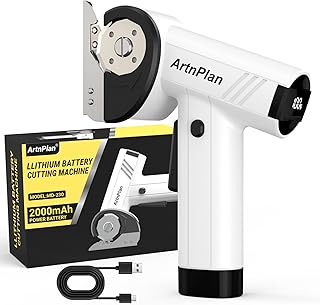
Cordless Electric Scissors, 4.2V Electric Cardboard Cutter with LED Display, 4-Speed Rechargeable Electric Box Cutter for Cardboard, Fabric, Leather & Carpet, Type-C Fast Charging
Check PriceHow Does a Fabric Cutting Machine Work?
The core workflow for fabric cutting machines is similar across models, though the level of automation varies. Below is the step-by-step process for how most machines operate, from basic manual models to advanced CNC systems.
Step 1: Pre-Cutting Preparation
Before you turn the machine on, you need to prep your fabric and pattern. Pre-wash and press your fabric to eliminate shrinkage, then lay it flat on a clean surface to remove wrinkles. If you’re using a digital cutter (laser or CNC), you’ll create or upload your pattern to the machine’s software, scaling it to your desired size and nesting multiple pattern pieces to minimize fabric waste. For manual and die cutters, you’ll print or trace your pattern onto the fabric or a transfer paper.
Step 2: Material Loading and Alignment
Next, load your fabric into the machine. For small manual rotary cutters, you’ll place the fabric on a self-healing cutting mat, smooth out wrinkles, and use pattern weights or pins to hold it in place. Die cutters require you to layer fabric and a cutting mat under the metal die. For laser and CNC cutters, you’ll roll the fabric onto the machine’s feed tray, use vacuum suction or clips to hold it flat, and align it to the machine’s digital grid to ensure cuts match your pattern’s grainline requirements.
Step 3: Parameter Configuration
Set your cutting parameters based on your fabric type. For rotary cutters, this means checking that your blade is sharp and adjusting hand pressure for thicker fabrics. For die cutters, you’ll adjust the pressure dial to ensure the die cuts through all layers without damaging the mat. For laser and CNC cutters, you’ll select settings including blade speed, laser power, cutting depth, and number of layers to cut. Many digital machines auto-adjust settings based on the fabric type you select in the software.
Step 4: Cutting Execution
Now execute the cut. Manual rotary cutters require you to guide the blade along your pattern lines slowly and steadily, using a ruler for straight edges. Die cutters need you to turn the hand crank or press the electric start button to press the die into the fabric. Laser and CNC cutters run automatically once you press start: the laser beam or blade follows the digital pattern path, cutting through all layers of fabric. Most digital machines pause automatically if the fabric shifts or a jam is detected.
Step 5: Post-Cut Inspection
Once the cut is complete, unload the fabric and inspect each piece. Check that all edges are clean, notches are marked correctly, and no layers were missed. For digital cutters, the machine will often auto-stack cut pieces or label them with a small engraved or marked tag to avoid mix-ups. Trim any loose threads or frayed edges before moving pieces to your sewing station.
If you’ve already purchased a machine and need setup help, refer to our step-by-step fabric cutting machine operation guide for model-specific tips.
Manual vs. Electric vs. Laser Cutters: Which Is Right for You?
Choosing the right fabric cutting machine depends on your budget, project volume, and fabric types you work with most. Below is a quick comparison to help you decide:
- Manual Rotary Cutters: Best for beginners, small projects, and occasional sewing. Affordable, portable, no power required. Limited to 2–3 fabric layers, requires steady hands.
- Electric Rotary Cutters: Ideal for sewists who cut thick fabrics (denim, canvas) regularly. Reduces hand fatigue, cuts 4–6 layers. Still requires manual guidance, mid-range price ($50–$150).
- Die Cutting Machines: Perfect for quilters, crafters, and anyone who needs identical repeated shapes. Fast for batch cutting, consistent results. Limited to die shapes available, can’t cut custom patterns without custom dies.
- Laser Cutters: Best for intricate designs, delicate fabrics, and small businesses. Cuts any digital pattern, no blade maintenance, works on all fabric types. Expensive, requires ventilation for fumes from synthetic fabrics.
- CNC Cutters: Only necessary for high-volume production (50+ garments per week). Cuts hundreds of layers at once, fully automated, integrates with production software. Very expensive, requires dedicated space and training.
For a full breakdown of top options for every budget, check out our guide to the best fabric cutter machines for home sewists and small businesses.
Safety Tips for Operating Fabric Cutting Machines
All fabric cutting machines pose some risk of injury, from rotary blade cuts to laser burns. Follow these safety best practices every time you use your machine:
- Always keep your fingers away from moving blades. Use a ruler or guide bar to push manual rotary cutters, never your hand.
- Replace dull blades immediately. Dull blades require more pressure, increasing the risk of slipping and injury.
- Use laser cutters in a well-ventilated area, or install a fume extraction system to avoid inhaling synthetic fabric fumes.
- Keep long hair, loose clothing, and jewelry away from moving parts. Tie back hair and roll up sleeves before operating.
- All machines must comply with OSHA machine guarding standards, including emergency stop buttons and blade covers when not in use.
Frequently Asked Questions
Can a fabric cutting machine cut multiple layers of fabric?
Yes, most electric rotary cutters can handle 4–6 layers of medium-weight fabric, while industrial CNC cutters can cut 50+ layers at once. Manual rotary cutters are limited to 2–3 layers to avoid blade slipping.
Do I need special software for CNC fabric cutting machines?
Yes, CNC and laser cutters require compatible design software to upload and adjust digital patterns. Many machines come with basic software included, while advanced industrial systems use specialized CAD (computer-aided design) programs.
How often do fabric cutting machine blades need to be replaced?
Rotary blades typically last 6–12 months with regular use, depending on fabric type. Blades dull faster when cutting thick, abrasive fabrics like denim or canvas. Laser cutters don’t use physical blades, so they require no blade replacement, only occasional laser tube maintenance.
Can fabric cutting machines cut leather and vinyl?
Yes, electric rotary cutters, die cutters, and laser/CNC machines all handle leather and vinyl. For thick leather, use a heavy-duty rotary blade or a CNC cutter with a straight blade attachment. Laser cutters seal the edges of synthetic vinyl to prevent fraying.
Are fabric cutting machines worth the cost for home sewists?
For sewists who make more than 2–3 garments per month, a basic electric rotary cutter ($50–$100) pays for itself in time saved and reduced fabric waste within 6 months. Manual rotary cutters are worth it for any sewist who struggles with hand fatigue from using scissors.
Conclusion
Understanding how does a fabric cutting machine work helps you choose the right tool for your needs and get the most out of your investment. Start with a manual rotary cutter if you’re new to fabric cutting, then upgrade to an electric or die cutter as your project volume grows. Always prioritize safety, follow the manufacturer’s maintenance guidelines, and don’t be afraid to test scrap fabric first to dial in your settings. With the right machine, you’ll cut your sewing prep time in half and enjoy more consistent, professional results.

Disclosure: As an Amazon Associate, we earn from qualifying purchases at no extra cost to you. Our posts are created with AI tools and human editing.