
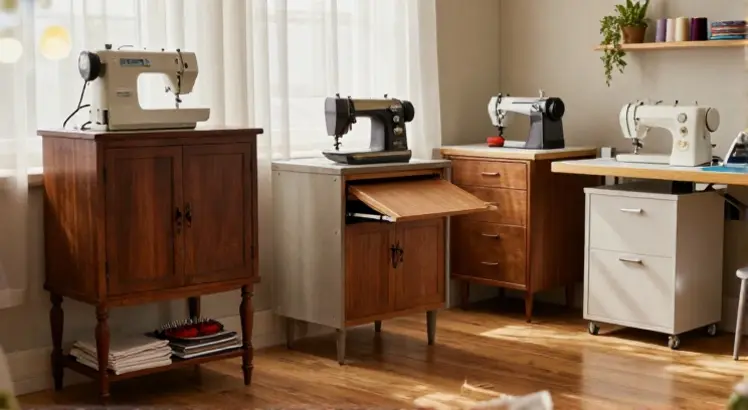
Are sewing machine cabinets universal? This is one of the most common questions asked by sewers looking to upgrade their workspace or purchase a new machine. If you’re investing in a quality cabinet, you naturally want to know if it will accommodate different machines over time. The short answer is no; most sewing machine cabinets are not universal. While some tables offer adjustable features, the vast majority are designed with specific make and model dimensions in mind to ensure stability and proper sewing height.
In this guide, we will dive deep into the issues you might face, explain the industry standards (or lack thereof), and provide practical solutions for finding a cabinet that works for you. Whether you are a beginner setting up your first sewing room or an advanced sewist with multiple machines, understanding the nuances of cabinet compatibility will save you time, money, and frustration.
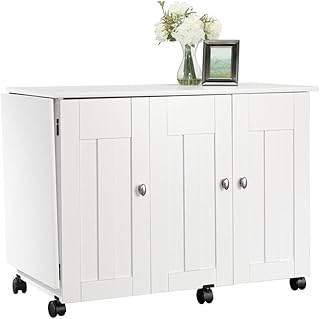
Sauder Folding SewingTable & Craft Cart Storage Cabinet, in Soft White
Check PriceWhy Most Sewing Cabinets Are Not Universal
Unlike standard office furniture, sewing furniture is highly specialized. Sewing machines come in hundreds of different shapes and sizes. A vintage mechanical Singer from the 1970s has a completely different footprint than a modern computerized embroidery machine. Manufacturers design cabinets to fit specific “well” dimensions—the recessed area where the machine sits.
Here are the primary reasons why a one-size-fits-all approach doesn’t work in the sewing world:
- Brand Specificity: Major brands like Horn, Arrow, and Koala often create cabinets specifically for popular models from Brother, Janome, or Bernina.
- Weight Capacity: Industrial machines are extremely heavy. A cabinet built for a lightweight home machine will buckle under the weight of a heavy-duty unit.
- Height and Leveling: For free-motion quilting, the sewing bed must be perfectly flush with the cabinet surface. Even a small variation can catch the fabric.
The “Flatbed” vs. “Free Arm” Challenge
Another technical hurdle is the design of the machine itself. Some machines have a flatbed design where the sewing surface is completely flat, while others have a “free arm” (the oblong base). Cabinets must account for these differences. If a cabinet is too deep, the free arm might not sit securely, leading to vibration and inaccurate stitching. This is why measuring your machine’s base dimensions is more critical than measuring the machine’s overall height.
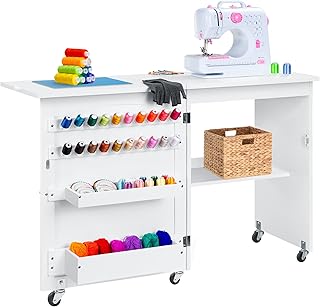
Best Choice Products Folding Sewing Table Multipurpose Craft Station & Side Desk with Compact Design, Wheels, Shelves, Storage Trays, Pegs, Magnetic Doors, Metal Doorknobs – White
Check PriceUnderstanding Compatibility: What to Look For
If you are in the market for a new cabinet but aren’t ready to commit to a specific brand, you should look for “universal” or “adjustable” insert kits. These are acrylic panels that can be custom-cut or adjusted to fill the gap between your machine and the cabinet’s cutout.
When shopping, keep these three factors in mind:
- The Cutout Size: Measure the length and width of your machine’s base. Check the product description of the cabinet to see if it includes “fitting templates” for your brand.
- Height Adjustment: The machine should sit low enough that the needle plate is flush with the table surface. Some cabinets offer hydraulic lifts for this purpose.
- Custom Inserts: Many companies offer custom acrylic inserts. You send them your machine model, and they send a custom piece that makes your specific machine fit a generic cabinet perfectly.
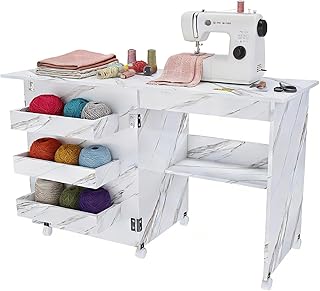
Portable Sewing Machine Table with Storage Shelves & Lockable Wheels, Foldable Sewing Desk with Fold-Out Table, Multipurpose Craft Station with 46″ Drop-Leaf Worktop
Check PriceCustom Acrylic Inserts: The Game Changer
If you already own a high-quality cabinet but have switched machines, a custom acrylic insert is often the most cost-effective solution. These inserts are designed to fit the exact contours of your machine’s base. They eliminate the “danger zone” around the needle where fabric often gets caught. For many sewists, this is the secret to achieving professional-looking results without buying a brand-new cabinet every time they upgrade their machine.
How to Choose the Right Cabinet for Your Machine
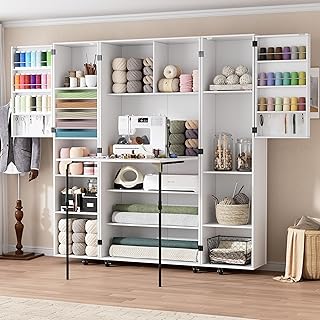
PAKASEPT Folding Sewing Table with Storage, Craft Storage Cabinet and Multipurpose Sewing Machine Table with Lockable Wheels, Magnetic Doors & Hidden Storage
Check PriceChoosing the right furniture involves balancing your current needs with future possibilities. If you plan on buying a new sewing machine in the near future, it might be wise to choose a cabinet from a manufacturer that offers a wide range of custom inserts.
Here is a step-by-step approach to ensure you get the right fit:
- Measure Twice: Measure the width, depth, and height of your machine’s base (where it sits on the table), not the tallest point of the machine.
- Check the Lift System: Ensure the cabinet’s lift mechanism can handle the weight. A pneumatic lift is preferable for heavier embroidery machines.
- Consider the Accessories: Do you need space for a serger? Some cabinets are designed to hold two machines side-by-side.
The Benefits of an Ergonomic Setup
Beyond compatibility, the right cabinet offers ergonomic benefits. Sewing for long hours can lead to neck and back pain if the machine is too low or too high. A proper cabinet allows you to sit in a comfortable chair with your arms at a 90-degree angle. If you are struggling with discomfort, investing in a quality setup is just as important as the machine itself. For those who suffer from strain, looking into the best chair for sewing long hours can complement your cabinet choice and improve your overall health.
Top Brands and Their Approach to Universality
Different manufacturers handle the “universal” problem in different ways. Understanding these philosophies can help you decide where to spend your money.
- Arrow Sewing Furniture: Known for their “universal” inserts. They provide a massive database of machines and can often customize their cabinets to fit.
- Horn of America: High-end cabinets that are often custom-ordered to fit specific high-end machines like Bernina or Viking.
- Sauder: Offers more budget-friendly options, but these are less likely to be adjustable for high-end or unusually shaped machines.
It is always recommended to visit a local dealer. They often have “floor models” where you can physically place your machine (or a similar model) into the cabinet to test the fit and the stitching ergonomics.
Practical Tips for a DIY Fit
If you are handy with tools, you might consider modifying a generic furniture piece to hold your machine. However, this comes with risks. The vibration from a sewing machine can loosen screws over time. If you go the DIY route, ensure the table is reinforced and that the machine is perfectly level.
A popular alternative for those who don’t want a heavy cabinet is a portable sewing table. These are usually lighter and have a smaller cutout. While they aren’t “universal,” they are often more forgiving for smaller, domestic machines. To see some of the best options available that focus on space-saving and versatility, check out our guide on the best sewing cabinets for quilters.
Frequently Asked Questions (FAQ)
Can I put a Janome machine in a Brother cabinet?
Generally, no. Unless the cabinet is specifically advertised as “universal” or you purchase a custom acrylic insert, the cutout will likely not match the Janome’s base dimensions. Forcing a machine into an ill-fitting space can damage the machine’s casing or cause it to wobble during use.
Are vintage sewing machine cabinets universal?
Vintage cabinets are almost never universal. They were built for the specific models sold by that manufacturer (e.g., Singer cabinets for Singer machines). While they are beautiful, they are often difficult to adapt to modern machines because the “well” is usually too small for modern computerized units.
What is the most universal sewing cabinet brand?
Arrow Sewing Furniture is widely considered the most “universal-friendly” brand because of their extensive custom insert program. They can often create a solution for almost any machine on the market, provided the cabinet’s overall dimensions are large enough to accommodate the machine’s width.
Conclusion: Making the Right Choice
So, are sewing machine cabinets universal? In the strictest sense, they are not. However, the industry has evolved to offer solutions like custom inserts and adjustable lift systems that make it easier than ever to find a cabinet that fits your unique machine. Before making a purchase, always prioritize the “flatbed” height and the security of the machine’s fit.
Investing in a cabinet that fits properly will not only make your sewing more enjoyable but will also protect your expensive equipment. Don’t settle for a table that “kind of” fits. Take the time to measure, research, and if necessary, invest in a custom insert. Your back, and your stitches, will thank you.
For more information on sewing machine standards and safety, you can visit the Sewing & Textile Alliance for industry insights and best practices.

Disclosure: As an Amazon Associate, we earn from qualifying purchases at no extra cost to you. Our posts are created with AI tools and human editing.