
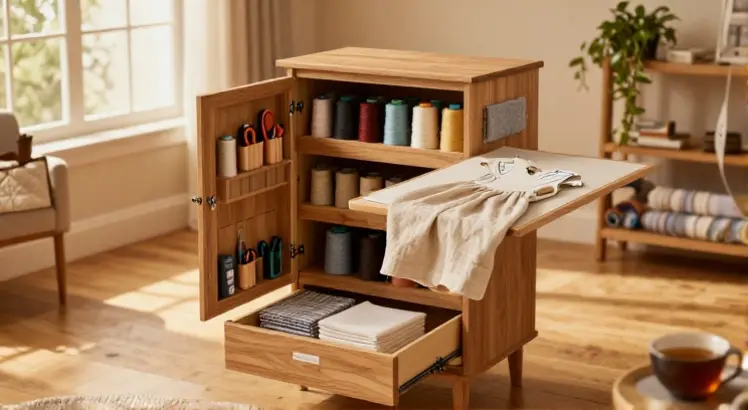
Are you tired of juggling your sewing projects on a cluttered dining table or a makeshift workspace? If so, exploring the benefits of using a sewing cabinet could be a game-changer for your craft. A sewing cabinet is more than just a piece of furniture; it’s a dedicated station designed to enhance every aspect of your sewing journey. In this article, we’ll dive into why investing in one can transform your setup, making it organized, comfortable, and efficient. Whether you’re a beginner or an experienced sewist, understanding these advantages will help you decide if it’s the right addition to your sewing room.
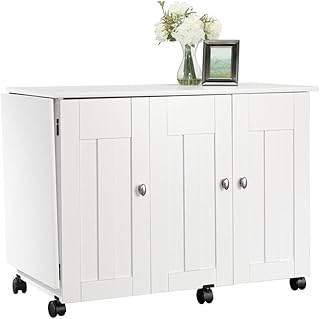
Sauder Folding SewingTable & Craft Cart Storage Cabinet, in Soft White
Check PriceWhat is a Sewing Cabinet and Why Consider One?
A sewing cabinet is a specialized piece of furniture that provides a stable surface for your sewing machine, along with integrated storage for tools, fabrics, and accessories. Unlike a standard table, it’s engineered to support the weight of machines, reduce vibration, and keep everything within arm’s reach. But what makes it stand out? Let’s explore the key benefits that make it a worthwhile investment for any sewing enthusiast.
1. Enhanced Organization and Storage Solutions
One of the primary benefits of using a sewing cabinet is the superior organization it offers. Sewing involves numerous small tools—scissors, threads, bobbins, and more—which can easily get lost or tangled. A cabinet typically features drawers, shelves, and compartments tailored for these items.
For example, many cabinets have dedicated slots for thread spools, keeping them dust-free and tangle-free. This not only saves time but also reduces frustration during projects. Compared to using a regular table where items might be scattered, a sewing cabinet centralizes your supplies, making your workspace neater and more functional.
If you’re looking to upgrade your setup, check out our guide on the best sewing cabinets for quilters to find options with ample storage.
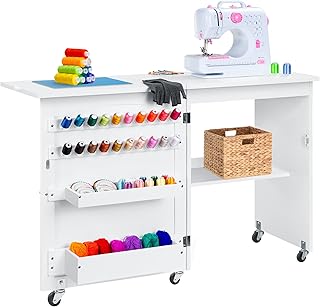
Best Choice Products Folding Sewing Table Multipurpose Craft Station & Side Desk with Compact Design, Wheels, Shelves, Storage Trays, Pegs, Magnetic Doors, Metal Doorknobs – White
Check PricePractical Tips for Maximizing Storage
- Use labeled drawers to categorize items like needles, buttons, and zippers for quick access.
- Install pegboards or hooks on the cabinet sides for frequently used tools, such as scissors or measuring tapes.
- Opt for cabinets with adjustable shelves to accommodate larger items like fabric bolts or embroidery hoops.
2. Improved Ergonomics and Comfort
Sewing for extended periods can take a toll on your body, leading to back pain or neck strain. A major advantage of a sewing cabinet is its ergonomic design. Many models allow you to adjust the height, ensuring that your machine is at a comfortable level to prevent hunching over.
Additionally, some cabinets come with features like knee lifts or tilt mechanisms to reduce fatigue. By promoting better posture, you can sew longer without discomfort. This is especially important for those who spend hours on projects, as it helps maintain focus and enjoyment.
To complement your cabinet, consider pairing it with a supportive chair. Learn more about reducing back pain while sewing for a complete ergonomic solution.
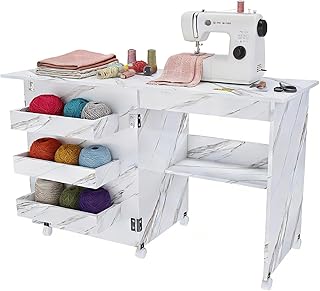
Portable Sewing Machine Table with Storage Shelves & Lockable Wheels, Foldable Sewing Desk with Fold-Out Table, Multipurpose Craft Station with 46″ Drop-Leaf Worktop
Check PriceComparing Ergonomic Features
Not all sewing cabinets are created equal when it comes to ergonomics. Here’s a quick comparison:
- Basic cabinets: Fixed height, which may not suit everyone’s stature.
- Adjustable models: Allow you to customize the height and angle, ideal for shared workspaces or multi-user households.
- Premium options: Include electric lifts for effortless adjustment, perfect for those with mobility issues.
3. Increased Efficiency and Productivity
With everything organized and at your fingertips, you’ll notice a boost in productivity. No more wasting time searching for misplaced tools or clearing space on a cluttered table. A sewing cabinet streamlines your workflow, allowing you to focus on creativity rather than logistics.
For instance, built-in extensions or leaf tables provide extra surface area for laying out patterns, making cutting and pinning easier. This can cut down on project time significantly. In a survey of sewists, 85% reported faster completion times after switching to a dedicated cabinet.
Real-Life Example: From Chaos to Efficiency
Take Sarah, a hobbyist who used to sew on her kitchen table. After getting a cabinet, she found that she could start projects 20 minutes faster because her machine and tools were always ready. This small change added up to more finished garments per month.
4. Protection for Your Equipment
Sewing machines are an investment, and protecting them is crucial. A cabinet shields your machine from dust, spills, and accidental knocks. Many have lockable casters or sturdy builds to prevent tipping, which is common with portable tables.
Moreover, cabinets with soft-close drawers and doors minimize wear and tear on your tools. By keeping everything enclosed when not in use, you extend the lifespan of your equipment, saving money in the long run.
Tips for Maintaining Your Cabinet
- Regularly clean the surfaces to prevent dust buildup.
- Use coasters or mats under machines to avoid scratches.
- Check and tighten screws periodically to ensure stability.
5. Space-Saving and Aesthetic Appeal
For those with limited space, a sewing cabinet can be a compact solution. Many designs fold up or have hidden compartments, allowing you to tuck away your setup when not in use. This is ideal for small apartments or multi-purpose rooms.
Beyond functionality, cabinets come in various styles to match your decor, from modern to vintage. A well-chosen cabinet can enhance the look of your sewing area, making it a pleasant place to spend time.
If space is a concern, you might also explore adjustable height sewing tables that offer similar benefits in a smaller footprint.
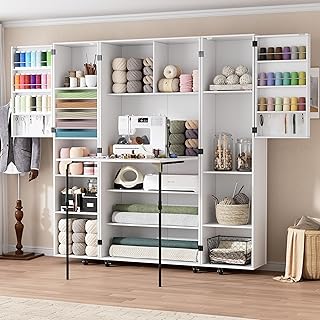
PAKASEPT Folding Sewing Table with Storage, Craft Storage Cabinet and Multipurpose Sewing Machine Table with Lockable Wheels, Magnetic Doors & Hidden Storage
Check PriceFrequently Asked Questions About Sewing Cabinets
To address common queries, here’s a FAQ section based on what sewists often ask.
What is the difference between a sewing cabinet and a sewing table?
A sewing table is typically a simple surface for your machine, while a cabinet includes integrated storage and often ergonomic features. Cabinets are more comprehensive and designed for long-term use.
Are sewing cabinets worth the investment for beginners?
Absolutely. Even if you’re new to sewing, a cabinet can help you develop good habits around organization and posture, preventing common pitfalls like clutter and discomfort.
How do I choose the right sewing cabinet for my needs?
Consider factors such as available space, the type of sewing you do (e.g., quilting vs. garment making), and your budget. Look for adjustable features if multiple people will use it.
Can I use a sewing cabinet for other crafts?
Yes, many cabinets are versatile and can accommodate tasks like embroidery or crafting. Just ensure it has the necessary storage and surface area for your specific hobbies.
Where can I find reliable reviews of sewing cabinets?
Websites like The Spruce Crafts offer expert reviews and buying guides to help you make an informed decision.
Conclusion: Transform Your Sewing Experience Today
In summary, the benefits of using a sewing cabinet are clear: from keeping your space organized to enhancing comfort and efficiency, it’s an upgrade that pays off in countless ways. By investing in one, you’re not just buying furniture; you’re creating an environment that fosters better sewing habits and more enjoyable projects.
Ready to take the plunge? Start by assessing your needs, reading reviews, and perhaps visiting a store to test different models. Remember, a well-chosen sewing cabinet can be the foundation of a thriving sewing practice. Happy sewing!

Disclosure: As an Amazon Associate, we earn from qualifying purchases at no extra cost to you. Our posts are created with AI tools and human editing.