
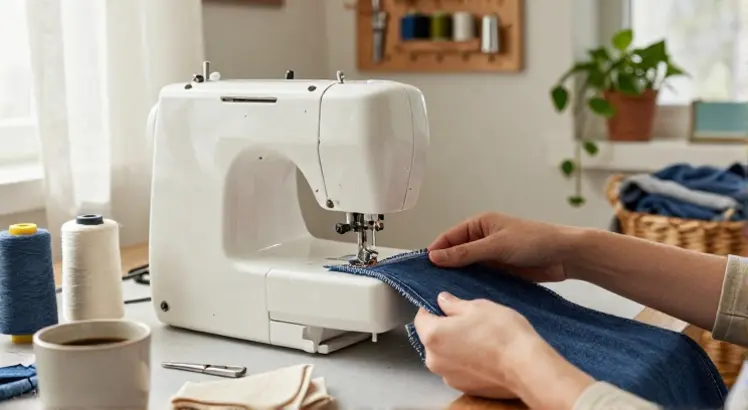
If you’re shopping for a new overlock machine, you’ve probably asked yourself: which is better Brother or Singer serger? Both brands are household names in the sewing world, but their serger lines cater to different needs, skill levels, and budgets. A serger (or overlock machine) uses multiple threads to trim, stitch, and overlock fabric edges in one step, preventing fraying and creating professional finishes The Spruce Crafts’ overview of serger functions. If you’re new to these tools, our serger vs standard sewing machine guide breaks down how they differ from regular sewing machines, and why many sewists keep both in their workspace.
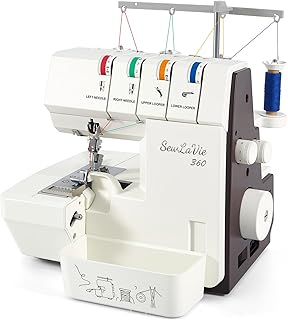
360 Upgraded Serger Overlock Sewing Machine with Wide-Open Threading, 12 Built-in Stitches, 2/3/4 Thread Capability, 1300 SPM High Speed, Differential Feed, Pro Overlocker for Tailors & Pros
Check PriceKey Differences Between Brother and Singer Sergers
Brand History and Reputation
Brother has been producing sewing machines since 1908, and their serger line focuses heavily on accessibility for home sewists. They prioritize user-friendly features, intuitive controls, and budget-friendly pricing, making them a top pick for beginners. Singer, founded in 1851, is the oldest sewing machine brand in the world, and their sergers lean into the brand’s legacy of durability. Many Singer models are built with metal frames and industrial-grade components, catering to sewists who work with heavy fabrics or run small sewing businesses.
Price Range
Both brands offer entry-level and high-end serger models, but Brother tends to have lower starting prices. Entry-level Brother sergers typically cost between $150 and $250, while mid-range models top out around $400. Singer’s entry-level sergers start at $120, but their heavy-duty professional models can cost up to $600. For sewists on a tight budget, Brother’s 1034D model is one of the most affordable, reliable sergers on the market.
Stitch Options and Versatility
Brother sergers typically come with more built-in stitch options than comparable Singer models. Most Brother entry-level sergers include 3-4 core stitches (overlock, rolled hem, flatlock) plus decorative options, while Singer entry-level models focus on 2-3 essential overlock stitches. Both brands offer differential feed (a feature that adjusts fabric tension to prevent stretching on knits) on most mid-range and high-end models, but Brother includes this standard on even their cheapest options.
Ease of Use
Brother is widely considered the easier brand for first-time serger users. Their machines feature color-coded threading paths, clearly labeled tension dials, and automatic looper threading on higher-end models. Singer sergers often require more manual threading, and tension adjustment is typically done via manual dials that take more practice to master. However, advanced sewists often prefer Singer’s manual controls for the extra precision they offer when working with specialty fabrics.
Brother Serger Pros and Cons
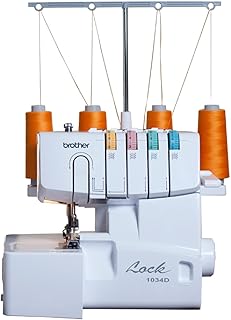
Brother Serger, 1034D, Heavy-Duty Metal Frame Overlock Machine, 1,300 Stitches Per Minute, Removeable Trim Trap, 3 Included Accessory Feet, White
Check PriceBrother’s serger line is designed for home sewists who want reliable performance without a steep learning curve. For a full list of top-rated options across all brands, check out our roundup of the best serger sewing machines.
Top Brother Serger Models
- Brother 1034D: The best-selling entry-level serger on the market, with 3-4 built-in stitches, differential feed, and color-coded threading. Retails for ~$200.
- Brother AIR1800 Air Serger with Jet Air Threading, 2/3/4 Thread, LED Lit Work Area.
- Brother Cover Stitch 2340CV: A specialty cover stitch serger for hemming knits, with 3 cover stitch options and a wide throat space. Retails for ~$400.
Brother Serger Pros
- Extremely beginner-friendly, with intuitive threading and controls
- Lower entry-level pricing than most Singer models
- Standard differential feed on all models prevents knit fabric stretching
- Lightweight and easy to store, ideal for small sewing spaces
- More built-in decorative stitches for craft and garment sewing
Brother Serger Cons
- Mostly plastic internal components, less durable than Singer models
- Struggles with heavy fabrics like denim, canvas, and leather
- Shorter 1-year limited warranty vs Singer’s 2-year warranty
- Fewer manual tension controls for advanced customization
Singer Serger Pros and Cons
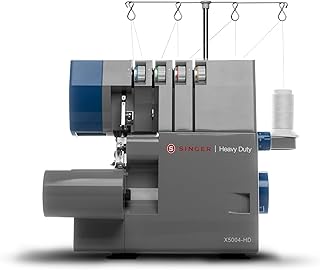
SINGER X5004-HD Metal Frame Serger
Check PriceSinger sergers are built for sewists who need heavy-duty performance and long-term durability. They’re a common pick for small business owners, quilters who work with thick batting, and sewists who regularly work with heavy fabrics like denim or upholstery.
Top Singer Serger Models
- SINGER® S0100 Metal Frame Serger: with Accessory Kit | Overlock Machine with 6 Built-in Stitches, 2-3-4 Thread Capability, Adjustable Tension & Stitch Length.
- Singer Professional 14T968DC: High-end model with 4-5 built-in stitches, adjustable stitch length and width, and a powerful motor for heavy fabrics. Retails for ~$500.
- SINGER HD0450S Heavy Duty Serger: Overlock Machine with 2-3-4 Thread Capability, 1300 Stitches/Minute, 60% Larger Cutting Knife.
Singer Serger Pros
- Metal frames and industrial-grade components last 10+ years with regular maintenance
- Handles heavy fabrics like denim, canvas, leather, and upholstery with ease
- Longer 2-year limited warranty covers more potential defects
- Manual tension controls offer precision for advanced sewists
- More powerful motors than comparable Brother models
Singer Serger Cons
- Threading paths are less intuitive, with fewer color-coded guides
- Higher starting price for entry-level models vs Brother
- Fewer decorative stitch options, focused on core overlock functions
- Heavier than Brother models, harder to move or store
Head-to-Head: Which Brand Wins by Use Case
The answer to “which is better Brother or Singer serger” depends entirely on how you plan to use the machine. Below we break down the winner for common sewist types:
- Beginners: Brother wins. The color-coded threading and automatic features make learning to serge far less frustrating. The 1034D model is widely recommended as the best first serger for new users.
- Budget Sewists: Brother wins. Their entry-level models are $50-$100 cheaper than comparable Singer options, with more included features like differential feed.
- Heavy Fabric Sewists: Singer wins. The metal frames and powerful motors handle thick denim, canvas, and leather without skipping stitches or jamming.
- Small Business Owners: Singer wins. The durability and longer warranty make them a better long-term investment for high-volume sewing.
- Knit Garment Sewists: Brother wins. The standard differential feed prevents stretching on jersey and spandex, and the rolled hem setting creates clean hems on t-shirts and leggings.
Practical Tips for Choosing Your Serger
Still unsure which brand to pick? Follow these tips to narrow down your options:
- Make a list of the fabrics you sew most often. If 80% of your projects use cotton, chiffon, or knits, Brother is a better fit. If you sew mostly denim, canvas, or upholstery, go with Singer.
- Test thread the machine in-store if possible. Threading is the most frustrating part of using a serger, so see which brand’s threading path feels more intuitive to you.
- Check the warranty. Singer’s 2-year warranty covers more defects than Brother’s 1-year warranty, which can save you money on repairs down the line.
- Read user reviews for specific models, not just the brand. A high-end Singer model may have better reviews than an entry-level Brother, even if the brand leans one way overall.
- Consider future growth. If you plan to start sewing heavy fabrics in the next year, it may be worth investing in a Singer now rather than buying a Brother and upgrading later.
FAQ: Brother vs Singer Sergers
We’ve answered the most common questions sewists have when comparing these two brands:
- Which brand has easier threading: Brother or Singer? Brother is far easier for most users. Their machines have color-coded threading paths and labeled loopers, while Singer models require more manual threading with fewer visual guides.
- Are Singer sergers better for heavy fabrics? Yes. Singer sergers have metal frames and stronger motors that handle thick fabrics like denim, canvas, and leather without skipping stitches. Brother sergers are better suited for light to medium fabrics like cotton, chiffon, and jersey.
- Do Brother sergers come with more stitches? Typically yes. Brother entry-level sergers include 3-4 built-in stitches (including decorative options) while Singer entry-level models focus on 2-3 core overlock stitches.
- Which brand has a longer warranty? Singer offers 2-year limited warranties on most sergers, while Brother offers 1-year limited warranties. Singer’s warranty covers more potential defects for the first two years of ownership.
- Can I sew a rolled hem with both brands? Yes, both Brother and Singer sergers support rolled hems. Brother models often have a dedicated rolled hem setting, while Singer models may require manually adjusting stitch width and tension to achieve the same result.
- Are Brother sergers good for small businesses? They can work for low-volume businesses that sew light fabrics, but Singer’s durability and longer warranty make them a better choice for high-volume or heavy fabric businesses.
Conclusion
There is no universal answer to which is better, Brother or Singer serger; the right choice depends on your skill level, budget, and the fabrics you sew most often. If you’re a beginner or sew mostly light to medium fabrics on a budget, Brother’s user-friendly, affordable models are the clear winner. If you need a durable machine that handles heavy fabrics, or you run a small sewing business, Singer’s industrial-grade sergers are worth the extra investment.
Take time to test both brands in-store if possible, and read reviews for specific models that fit your needs. Either way, adding a serger to your sewing setup will speed up your workflow and give your projects a professional, store-bought finish.

Disclosure: As an Amazon Associate, we earn from qualifying purchases at no extra cost to you. Our posts are created with AI tools and human editing.