
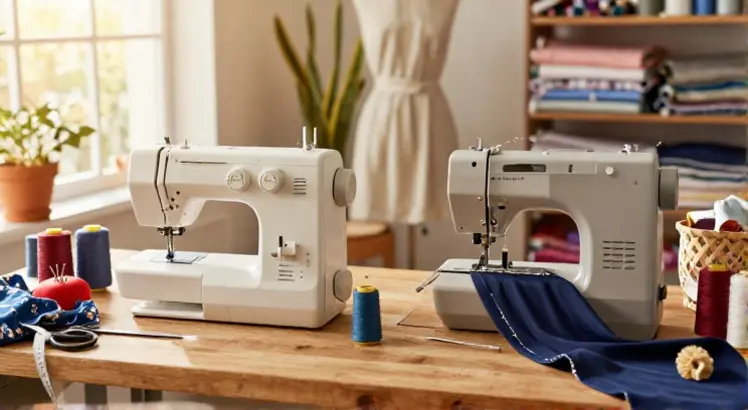
Are you standing in the fabric store aisle, debating between a serger vs sewing machine? You’re not alone. This is one of the most common dilemmas facing both beginner and experienced sewists. While both machines help you create beautiful garments and projects, they serve very different purposes in your sewing room. Understanding these differences will save you money, frustration, and help you achieve professional-quality results.
In this comprehensive guide, we’ll break down exactly what each machine does, their unique capabilities, and most importantly, which one (or both) you actually need for your specific sewing goals.
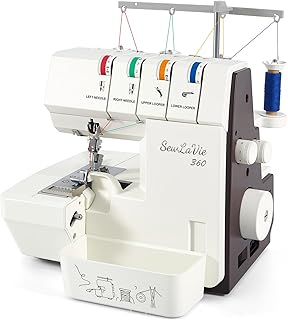
SewLaVie 360 Upgraded Serger Overlock Sewing Machine with Wide-Open Threading
Check PriceWhat Is a Sewing Machine?
A sewing machine is the workhorse of any sewing room. It’s a versatile tool that uses a single needle and thread (plus a bobbin thread) to create various types of stitches. Most households with a sewing hobby own at least one sewing machine.
Traditional sewing machines are designed for constructing garments, home décor items, quilts, and crafts. They create strong, durable seams using straight stitches, zigzag stitches, and decorative stitches. Modern computerized models can even embroider, buttonhole, and perform hundreds of specialized stitches at the touch of a button.
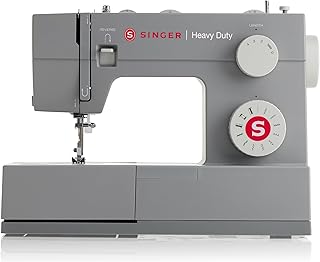
SINGER® Heavy Duty 4411 High Speed Sewing Machine
Check PriceKey Features of a Sewing Machine
- Uses one to two threads (needle thread and bobbin thread)
- Creates straight stitches, zigzag, decorative stitches, and buttonholes
- Can sew through multiple layers of fabric
- Ideal for constructing garments, home décor, and quilting
- Typically has a flat bed for easy fabric handling
- Can use various presser feet for different techniques
Types of Sewing Machines
Before diving into the comparison, it’s helpful to understand that sewing machines come in several varieties. Mechanical machines are the simplest and most affordable, operated by manual dials and levers. Computerized models offer more stitch options, automatic features, and digital displays. Heavy-duty machines handle thick fabrics like denim and leather, while quilting machines have larger work surfaces and specialized feet.
What Is a Serger?
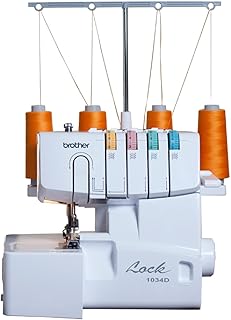
Brother Serger, 1034D, Heavy-Duty Metal Frame Overlock Machine
Check PriceA serger machine, also known as an overlocker in many countries, is a specialized machine that trims, overlocks, and finishes fabric edges all in one step. Unlike a regular sewing machine, a serger uses multiple cones of thread (typically 3 to 5) simultaneously to create strong, stretchy, and professional-looking seams.
The magic of a serger lies in its loopers. While a sewing machine uses a bobbin, a serger uses lower and upper loopers that work with the needles to wrap threads around the fabric edge. This creates the signature overlock stitch that you’ll recognize on the inside of store-bought garments.
Key Features of a Serger
- Uses 3 to 5 threads simultaneously
- Trims fabric edge while sewing
- Creates overlock, rolled hem, and flatlock stitches
- Produces stretchy seams perfect for knits and activewear
- Prevents fabric fraying
- Much faster than a sewing machine (can sew up to 1,500 stitches per minute)
Serger vs Sewing Machine: The Main Differences
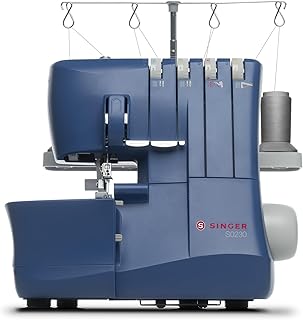
SINGER® S0230 Navy Blue Overlock Serger
Check PriceNow that we understand what each machine does, let’s dive into the specific differences that matter most when deciding which to buy or use for your projects.
Stitch Quality and Appearance
The most visible difference is the stitch itself. A sewing machine creates individual stitches that interlock within the fabric. You can see each stitch clearly on the surface. A serger creates a network of thread loops that wrap around the fabric edge, creating a professional finish that looks like ready-to-wear clothing.
If you’ve ever looked at the inside of a t-shirt or swimsuit, those neatly finished seams with thread encasing the raw edge are made by a serger. This professional finish is difficult or impossible to replicate with a regular sewing machine.
Number of Threads
A standard sewing machine uses two threads: the upper thread from the spool and the lower thread from the bobbin. Some decorative stitches may use additional threads, but these are still fed from the top.
A serger uses multiple thread cones simultaneously. Basic sergers use three threads, while more advanced models use four or five. The threads work together to create strong, stretchy seams. This multi-thread system is why serger seams are so durable and why they can stretch with knit fabrics without breaking.
Cutting Ability
This is where sergers truly shine. Every serger has a built-in blade (similar to a rotary cutter) that trims the fabric edge as you sew. This means you don’t need to pre-cut seam allowances perfectly—the serger does it for you. The blade ensures that the finished seam allowance is uniform and clean.
Sewing machines don’t have this feature. You need to trim seam allowances separately with scissors or a rotary cutter. Some sewists use pinking shears to prevent fraying, but this doesn’t give the same clean, professional result as a serger.
Seam Finishing and Fray Prevention
One of the biggest advantages of a serger is how it completely encases the raw fabric edge with thread. This prevents fraying better than any other method. Even after multiple washes, serged seams remain intact and fray-free.
With a sewing machine, preventing fray requires extra steps. You might use a zigzag stitch along the edge, turn under the seam allowance and stitch, or use pinking shears. While these methods work, they don’t match the durability and neatness of a serged edge. Some sewing machines have overlock stitches, but they still don’t trim the fabric or provide the same stretch and durability as a true serger.
Speed and Efficiency
If you’ve ever sewn with a serger, you know they’re fast—really fast. While a typical sewing machine sews at 800 to 1,000 stitches per minute, sergers can reach 1,300 to 1,500 stitches per minute. This speed, combined with the built-in cutting and finishing, makes sergers incredibly efficient for production sewing.
For someone making multiple garments or sewing for a small business, a serger can dramatically reduce project time. However, this speed comes with a learning curve. Sergers can be intimidating for beginners because they’re less forgiving of mistakes.
When to Use a Sewing Machine
Despite the amazing capabilities of sergers, a sewing machine remains essential for most projects. Here’s when you absolutely need a sewing machine:
- Constructing garments: You need a sewing machine to sew darts, gathers, zippers, waistbands, and curved seams. Sergers aren’t designed for these tasks.
- Topstitching: Any visible stitching on the right side of the fabric must be done on a sewing machine for a clean, professional look.
- Buttonholes and buttons: While some sergers have specialty feet, sewing machines are far better at creating neat buttonholes and attaching buttons.
- Quilting: The straight stitch precision of a sewing machine is essential for quilting. Sergers can actually cut through quilt layers with their blade.
- Heavy fabrics: Sewing machines handle thick layers of denim, leather, and canvas better than most sergers.
- Decorative stitching: From embroidery to decorative seams, sewing machines offer hundreds of stitch options that sergers simply can’t match.
When to Use a Serger
Now let’s look at situations where a serger is either necessary or makes your life much easier:
- Sewing knits and stretch fabrics: Sergers create stretchy seams that move with the fabric. If you’re making t-shirts, leggings, or swimwear, a serger is almost essential.
- Finishing seam allowances: Even if you construct garments on a sewing machine, using a serger to finish seams gives your projects a professional, store-bought look.
- Preventing fraying: For fabrics that fray excessively (like linen or silk), a serger locks those edges instantly.
- Rolled hems: Sergers excel at creating beautiful rolled hems on napkins, tablecloths, and ruffles. Doing this on a sewing machine is time-consuming and less neat.
- Flatlocking: This decorative stitch joins two pieces of fabric flat against each other, often used in sportswear. It’s difficult to achieve on a regular sewing machine.
Can You Use a Sewing Machine Instead of a Serger?
This is the million-dollar question for many beginners. The answer is: yes, you can complete most projects without a serger, but with some compromises.
For woven fabrics (like cotton, linen, and wool), you can use a sewing machine exclusively. Finish seams with a zigzag stitch, pinking shears, or French seams. Your projects will look homemade rather than boutique-quality, but they’ll be perfectly functional.
For knit fabrics, it’s more challenging. You can sew knits on a sewing machine using a ballpoint needle and a narrow zigzag stitch. However, the seams won’t stretch as well, and you may experience popped stitches when the garment is stretched. A serger or overlocker really is the best tool for knit garments.
Pros and Cons: Serger vs Sewing Machine
Sewing Machine Pros
- Versatile for all types of projects
- Easier to learn and use
- Can topstitch and do decorative work
- Handles heavy fabrics well
- Essential for quilting
- Wide range of prices and features
Sewing Machine Cons
- Seam finishes require extra steps
- Less professional-looking inside finishes
- Zigzag stitches for knits aren’t as stretchy as serged seams
Serger Pros
- Professional, store-bought quality finishes
- Fast and efficient
- Trims and finishes in one step
- Creates stretchy seams perfect for knits
- Prevents fraying completely
Serger Cons
- More expensive than basic sewing machines
- Steeper learning curve
- Can’t do everything a sewing machine can
- Threading can be complicated
- Difficult to repair mistakes (you often need to cut out the entire seam)
Which Should You Buy First?
If you’re building your sewing space from scratch, always buy a good sewing machine first. It’s the more versatile machine and the one you’ll use for every single project. A serger is a fantastic addition, but it complements rather than replaces a sewing machine.
Consider investing in a serger when:
- You sew frequently and want more professional results
- You work with knit fabrics regularly
- You want to speed up your sewing process
- You’re frustrated with fraying fabrics
- You’re ready to take your sewing to the next level
Combination Machines: The Middle Ground
Some manufacturers now offer combination machines that include both sewing and serger functions. These “sewist and overlock” combo machines can save space and money. However, they also have limitations. You typically can’t switch quickly between functions, and the serger capabilities may be more basic than a dedicated serger.
For most serious sewists, separate machines ultimately work better. But if space or budget is extremely limited, a combination machine might be worth considering.
Frequently Asked Questions
Is a serger the same as an overlocker?
Yes, “serger” and “overlocker” refer to the same machine. “Serger” is the term used in North America, while “overlocker” is used in the UK, Australia, and many other countries. The function is identical.
Do I really need a serger to sew clothes?
No, you don’t absolutely need a serger. Many beautiful garments have been sewn exclusively on regular sewing machines. However, a serger will give your garments a more professional finish and make sewing knits much easier.
Are sergers hard to learn?
Sergers have a reputation for being difficult, but they’re not inherently harder than sewing machines—just different. The threading process is more complex, and you need to understand how to adjust tensions for different fabrics. Once you get the hang of it, sergers are actually quite intuitive.
Can a serger replace a sewing machine?
No. While a serger is excellent for finishing seams and sewing knits, it cannot replace a sewing machine. You need a sewing machine for constructing garments, installing zippers, making buttonholes, topstitching, and countless other tasks.
What’s the best serger for beginners?
Look for a serger with color-coded threading guides, differential feed (to prevent stretching or puckering), and a retractable blade (so you can serge without cutting). Brands like Brother, Janome, and Singer all make excellent entry-level sergers.
Conclusion: Making the Right Choice for Your Sewing Journey
Understanding the differences between a serger vs sewing machine helps you make informed decisions about your sewing equipment. A sewing machine is the foundation—the versatile tool that handles construction, decorative work, and quilting. A serger is the specialist—the machine that elevates your finishes to professional quality and makes working with knits a joy.
If you’re just starting your sewing journey, invest in a quality sewing machine first. Learn its capabilities, complete projects, and develop your skills. As you advance and find yourself wanting more professional finishes or struggling with knits, that’s the perfect time to add a serger to your sewing room.
Remember, the best machine is the one that helps you create the projects you dream of making. Whether that’s a trusty sewing machine, a speedy serger, or eventually both, the right tools will bring your creative visions to life.

Disclosure: As an Amazon Associate, we earn from qualifying purchases at no extra cost to you. Our posts are created with AI tools and human editing.