
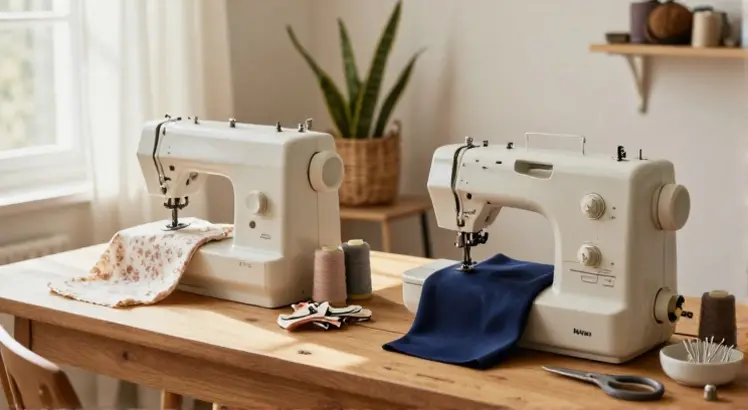
Deciding when to use a serger vs sewing machine is one of the most common dilemmas for sewists, whether you’re stitching your first pillowcase or working on advanced tailored garments. Both tools are staples in most sewing rooms, but they serve very different purposes that can make or break the quality of your final project. If you’re still unsure about the core mechanics of each tool, our detailed serger vs sewing machine comparison breaks down technical specs side by side.
I’ve spent over a decade sewing everything from delicate silk blouses to heavy denim workwear, and I’ve relied on both sewing machines and sergers for different steps of the process. This guide will walk you through exactly what each tool does best, when to reach for one over the other, and how to decide if you need both for your sewing goals.
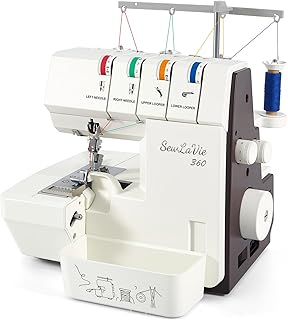
SewLaVie 360 Upgraded Serger Overlock Sewing Machine with Wide-Open Threading
Check PriceWhat Is a Sewing Machine, and How Does It Work?
A standard sewing machine uses one to two threads (top thread and bobbin thread) to create straight, zigzag, and decorative stitches. It’s the go-to tool for almost all basic garment construction, topstitching, and hardware installation like zippers and buttonholes.
Most home sewing machines come with adjustable stitch length and width, presser foot options for specialized tasks, and the ability to sew through multiple layers of heavy fabric like denim or canvas. They create lockstitches, which are durable and reversible, making them ideal for structural parts of a project.
What Is a Serger (Overlocker), and How Does It Work?
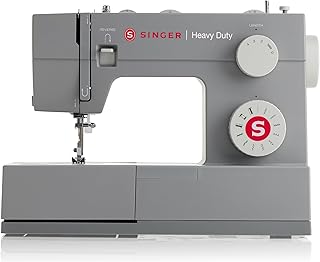
SINGER® Heavy Duty 4411 High Speed Sewing Machine
Check PriceA serger (often called an overlocker in Europe, Australia, and Asia) uses 3 to 5 threads to create overlock stitches that wrap around the raw edge of fabric. It trims excess seam allowance as it sews, creating a neat, stretchy finish that prevents fraying. Note that sergers are often referred to as overlockers in international sewing communities – you can read more about overlocker and serger terminology differences here.
Sergers do not create straight stitches, and they cannot sew through thick layers of fabric or install hardware. They are designed specifically for finishing seams, hemming knits, and creating stretchy seams for activewear. Most sergers also have a differential feed system, which prevents knits from stretching out as you sew – a feature standard sewing machines lack.
Key Differences Between a Serger and Sewing Machine
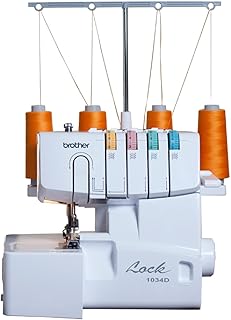
Brother Serger, 1034D, Heavy-Duty Metal Frame Overlock Machine
Check PriceStitch Types and Functions
The biggest difference between the two tools is the stitches they produce. Sewing machines create lockstitches (straight, zigzag, decorative) that are strong and structural. Sergers create overlock stitches that are stretchy and designed to finish edges.
Number of Threads
Standard sewing machines use 1-2 threads per stitch. Sergers use 3-5 threads, which is why their seams are more durable for stretch fabrics. The extra threads wrap around the fabric edge to prevent fraying, even after multiple washes.
Seam Finish Quality
Sergers automatically trim seam allowance and finish edges in one step, creating a professional, store-bought look. Sewing machines require you to manually trim seams and use a zigzag stitch or French seam to finish edges, which takes more time.
When to Use a Sewing Machine (Not a Serger)
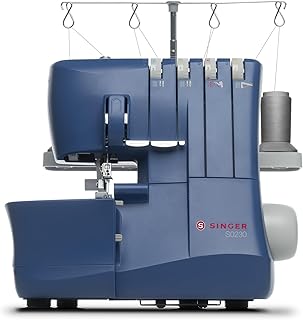
SINGER® S0230 Navy Blue Overlock Serger
Check PriceThere are many projects where a serger simply cannot replace a sewing machine. Reach for your standard sewing machine in these common scenarios:
- Basic Construction and Topstitching: Sewing machine straight stitches are required to assemble garment pieces, attach waistbands, and add topstitching details to jeans, jackets, and bags. Sergers cannot sew straight stitches, so they can’t handle structural assembly.
- Zippers, Buttonholes, and Hardware: Sewing machines have specialized presser feet and settings for installing zippers, sewing buttonholes, and attaching snaps or hooks. Sergers do not have these capabilities.
- Quilting and Heavy-Duty Projects: Sewing machines can handle multiple layers of quilting cotton, denim, or canvas. Sergers will jam or break needles if you try to sew through more than 2-3 layers of heavy fabric.
- Delicate or Sheer Fabrics: Very thin fabrics like chiffon or silk can get caught in a serger’s cutting blade. A sewing machine with a fine needle and slow speed is safer for these materials.
Sewing Machine Alternatives to Serger Stitches
If you don’t have a serger, you can mimic overlock stitches on a sewing machine using a zigzag stitch or a stretch stitch. These won’t be as durable or stretchy as true serger stitches, but they work for occasional knit projects. For a manufacturer-backed breakdown of standard serger stitches, refer to the Singer serger stitch guide.
When to Use a Serger (Not a Sewing Machine)
Sergers excel at tasks that take twice as long on a standard sewing machine. Reach for your serger in these scenarios:
- Finishing Raw Seams on Knits: Knit fabrics fray less than wovens, but they need stretchy seam finishes to move with the body. Sergers create overlock stitches that stretch with knits, preventing seams from popping when you wear the garment.
- Rolled Hems on Lightweight Fabrics: Sergers can create tiny, rolled hems on napkins, scarves, and chiffon blouses in seconds. Doing this on a sewing machine requires a specialized rolled hem foot and takes 10x longer.
- Sportswear and Activewear Construction: Activewear is made almost entirely of knits, so sergers are the primary tool for constructing leggings, sports bras, and swimsuits. The stretchy overlock stitches hold up to repeated stretching and washing.
- Mass-Producing Simple Garments: If you’re sewing 10+ t-shirts or tote bags, a serger will finish seams in one step, cutting your production time in half compared to using a sewing machine.
Can You Use a Sewing Machine Instead of a Serger?
Yes, you can absolutely use a sewing machine instead of a serger for most projects, especially if you’re a beginner. As mentioned earlier, a zigzag stitch or stretch stitch will finish seams on knits, though the finish won’t be as professional or durable.
Many sewists start with only a sewing machine, and only invest in a serger once they’re sewing knits regularly. If you plan to sew mostly wovens (dresses, bags, quilts), you may never need a serger. For tips on sewing knit fabrics without a serger, adjust your stitch length to 2.5-3mm and use a ballpoint needle to prevent skipped stitches.
Can You Use a Serger Instead of a Sewing Machine?
No, you cannot use a serger instead of a sewing machine. Sergers do not create straight stitches, so they cannot assemble garment pieces, install zippers, or sew buttonholes. They are a supplementary tool, not a replacement for a standard sewing machine.
Some high-end combo machines claim to be both a sewing machine and serger, but these are often bulky and less effective at both tasks than dedicated machines. For most sewists, it’s better to buy a high-quality dedicated sewing machine and a separate serger if you need one.
Frequently Asked Questions
Do I need both a serger and a sewing machine?
Most sewists who work with knits regularly will benefit from having both. If you only sew wovens (quilts, bags, woven garments), a sewing machine is sufficient. Beginners should start with a quality sewing machine and add a serger later if their project needs warrant it.
Is a serger harder to use than a sewing machine?
Sergers have a steeper learning curve than sewing machines, mostly because threading 3-5 threads is more complex than threading 1-2. However, most modern sergers have color-coded threading paths and automatic tension adjustment, making them easier to learn than older models.
Can a serger sew a straight stitch?
No, sergers cannot sew straight stitches. They only create overlock, rolled hem, and flatlock stitches. You will always need a sewing machine for straight stitch construction.
Conclusion
Deciding when to use a serger vs sewing machine comes down to your project needs and the fabrics you’re working with. Sewing machines are the workhorse of any sewing room, handling structural construction, hardware, and heavy fabrics. Sergers are specialized tools that save time on seam finishing, hemming knits, and creating activewear.
If you’re just starting out, invest in a quality sewing machine first. Once you find yourself sewing knits regularly and wishing for faster seam finishes, add a serger to your setup. Both tools will expand your sewing capabilities and help you create professional-quality projects for years to come.

Disclosure: As an Amazon Associate, we earn from qualifying purchases at no extra cost to you. Our posts are created with AI tools and human editing.