
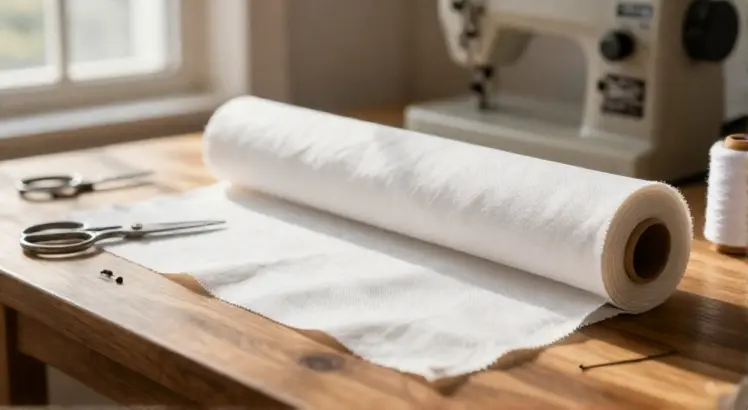
Fabric stabilizer is a temporary or permanent support material used in sewing and embroidery. It reinforces the base fabric, preventing it from stretching, puckering, or distorting during the stitching process. Without this crucial layer, dense needle penetrations can chew up delicate fibers and ruin intricate designs.
You apply a stabilizer by hooping it with the fabric, sticking it on, or ironing it underneath the project. Think of it as a foundation that absorbs the punch of the needle while keeping the grain of the fabric perfectly aligned. It is the secret weapon behind every crisp monogram on a flimsy T-shirt.
The concept is simple, but the execution requires matching the stabilizer weight to your fabric weight. A heavy denim project requires a sturdier support than sheer organza. Using one is not just a recommendation for machine embroidery, it is an absolute necessity for professional results.
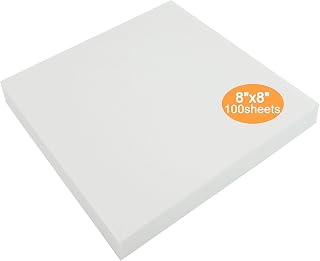
New brothread Tear Away Embroidery Stabilizer 8″x8″ – 100 Precut Sheets
Check PriceThe Critical Importance of Using a Stabilizer
Ignoring stabilizer leads to a phenomenon called fabric flagging, where the material bounces up and down with the needle. This vertical movement causes looped stitches, thread breaks, and eventually, a tangled mess in your machine. A quality stabilizer locks the fibers in place, creating a flat, rigid surface for the hook assembly to function correctly.
Beyond mechanical issues, stabilizer is essential for aesthetic longevity. It supports the thread from underneath so that after repeated washes, your embroidery does not sink into the fabric or look wrinkled. This is particularly vital for knit fabrics, which are naturally stretchy and prone to losing shape.
Professionals use stabilizer to achieve that perfect registration where every outline aligns flawlessly with the fill stitches. If you are working with tricky materials like spandex or minky fabric, the right backing prevents the design from looking distorted. It bridges the gap between craft and high-quality couture.
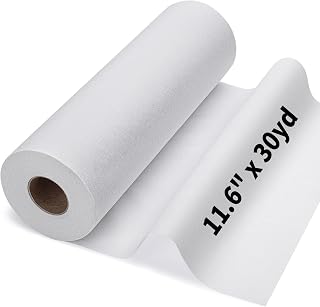
11.6″x30yd Medium Weight Fusible Interfacing for Sewing Iron on Interfacing
Check PriceStabilizer vs. Interfacing: Clearing the Confusion
Many sewists confuse stabilizer with interfacing, but they serve distinct structural purposes. Interfacing is almost always permanent, fused to collars, cuffs, and facings to add crispness for the life of a garment. Stabilizer, however, is often removed either entirely or partially after the decorative stitching is complete.
Interfacing adds a uniform body to a whole pattern piece, whereas stabilizer targets specific high-density stitch areas. You would never use water-soluble stabilizer for a shirt collar, just as you would rarely use thick fusible fleece behind a delicate monogram. The key difference lies in the application: body versus specific stitch support.
Using the wrong product can ruin your project, but understanding this distinction saves you headaches. For more detailed guidance, explore the best fabric stabilizer options tailored to your sewing tasks. Always check if your project needs temporary support or permanent reinforcement.
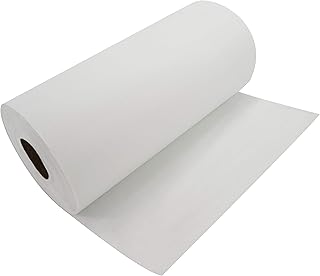
New brothread Tear Away Embroidery Stabilizer 12″ x 50 Yd Roll
Check PriceMain Types of Fabric Stabilizers
Tear Away Stabilizers
Tear away stabilizer is the most common choice for stable, woven fabrics like cotton or linen that do not stretch. Once the embroidery is done, you simply tear off the excess material gently, leaving the stitches intact. It provides excellent support during the sewing process but minimizes bulk behind the design afterward.
However, be cautious on loosely woven materials where tearing can distort the fabric weave or pull at the bobbin thread. It comes in various weights, from a paper-like crispness to a soft, fibrous texture. For a deep dive into lightweight options, check out this comparison of cotton vs linen behavior with stabilizers.
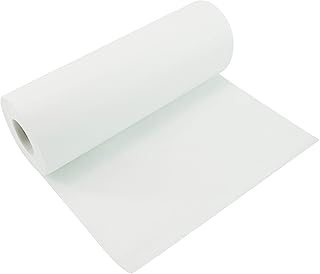
New brothread Tear Away Embroidery Stabilizer 10″ x 25 Yd Roll
Check PriceCut Away Stabilizers
Cut away stabilizer is the gold standard for permanent support, especially on stretchy knits, performance wear, and caps. Instead of tearing the excess, you trim it away close to the design edges using curved appliqué scissors. This remaining ring of stabilizer holds the shape of the embroidery for the entire lifespan of the garment.
It prevents the dreaded wavy look on the front of T-shirts after washing. Although it adds a layer of soft mesh behind the design, it is not visible from the front and feels comfortable on the skin. Many professionals stock this type exclusively for custom work on difficult fabrics like silk blends.
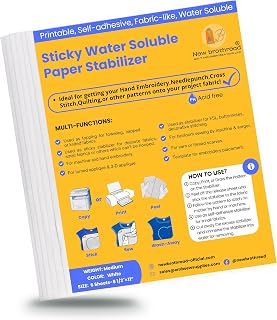
New brothread 6PCS 8.5″x11″ Sticky Water Soluble Embroidery Stabilizer
Check PriceWater Soluble and Wash Away Stabilizers
Water soluble stabilizer dissolves completely in water, leaving zero trace behind. It is indispensable for freestanding lace, free motion embroidery on towels, or toppers that prevent stitches from sinking into textured materials like velvet. You can often rinse a project in warm water or use a damp cloth to quickly dissolve the film.
There are two main forms: a thin, plastic-like film (often called Badgemaster) and a fibrous fabric-like sheet that washes away. The fabric type is excellent for emergency repair patches, while films are great for creating 3D appliqués. It truly unlocks the door to delicate decorative finishing.
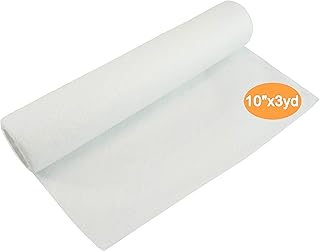
New brothread 10″ x 3 Yd Roll Wash Away Embroidery Stabilizer
Check PriceHeat Away Stabilizers
Heat away stabilizer is perfect for fabrics that cannot be washed or pulled, such as delicate organdy, velvet, or specialty papers. It dissipates into ash when dry heat is applied with an iron. This chemical removal leaves behind a pristine finish without any tugging or moisture distortion.
Always ventilate your room well as the fumes, though minor, can be irritating. The residue must be brushed or vacuumed away carefully. It remains a niche but highly valued tool for specific high-end textile art.
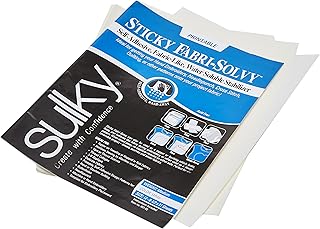
Sulky Sticky Fabri-Solvy Stabilizer 8.5″X11″ 12/Pkg
Check PriceSticky and Peel N Stick Stabilizers
Sticky stabilizer acts like a giant sticky note for your fabric, offering the ultimate hold for tricky items. It is essential for embroidering on socks, shoes, gloves, or thick leather where you cannot fit a hoop. You hoop the sticky paper, expose the adhesive surface, and press your garment firmly onto it.
This method eliminates the hoop burn and movement caused by clamping the actual item. It is a total game changer for small production runs on baby onesies and terry cloth. Make sure to clean your needle frequently, as the adhesive can cause slight gumming if stitching speeds are too high.
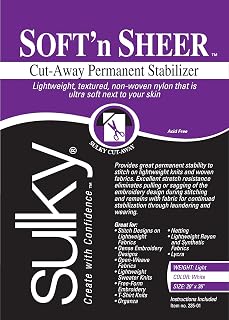
Sulky Of America 235-01 Cut Away Soft N Sheer Stabilizer, 20″ by 1 yd, White
Check PriceMatching Stabilizer Weight to Your Fabric
Selecting the proper weight is just as critical as picking the type. Light dress shirts and wovens generally need a 1.5 to 2 ounce basic tear away . Heavyweight denim or canvas requires a sturdy 3 ounce cut away to support dense, multi-layer stitch structures.
When sewing with very unstable fabrics like loose wovens or slippery satin, you often need a sandwich of both a tear away and a cut away . The rule of thumb is simple: if your fabric stretches 30 percent or more, you must use a fusible mesh cut away to lock the fibers permanently.
Testing is vital because using a stabilizer that is too heavy on sheer curtains will show through. Always digitize or select designs according to the fabric density, lighter stitch counts for lightweight backing, and heavy fills only on dense support layers.
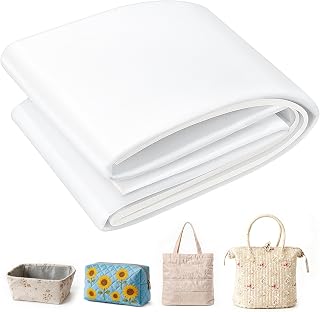
Soft Stable Foam Stabilizer, Falikoco Foam Stabilizer for Sewing, Double Side Fabric Batting, 36×58 Inch Non-Fusible Washable Insert, Lightweight for Bags, Purses, Quilting & Handmade Projects
Check PriceSpecialty Stabilizers: Toppers, Foam, and Fusibles
Specialty stabilizers go beyond basic backing to solve unique surface problems. A water-soluble topper sits on top of the fabric to prevent stitches from burying into high piles like fleece or bathrobes. It holds the thread on the surface, ensuring a crisp definition that stands proud of the nap.
Puffy foam stabilizer is another exciting option used specifically for 3D embroidery, popular on hats and children’s clothing. The foam is placed on the surface, and the thread stitches trap it, creating a raised, rubbery texture. Fusible stabilizers, ironed directly to the back of the fabric, are also critical for preventing shifting on difficult cuts.
Using the right specialty stabilizer can transform a problematic material into a canvas. Whether working with heavy canvas or sheer lace, these accessories deliver specific structural solutions that standard backings simply cannot achieve.
New brothread Cut Away Embroidery Stabilizer 8″x8″ – 100 Precut Sheets
Check PriceCommon Application Mistakes and How to Fix Them
A frequent error is hooping the fabric too tightly or too loosely with the stabilizer, leading to stretching or shifting. Both materials must be taut like a drum but not distorted, with the stabilizer grain parallel to the fabric grain. If the backing peels away while sewing, stop immediately and add basting stitches or temporary adhesive spray.
Another mistake is using water-soluble stabilizer for projects that will be washed frequently, not realizing that once it dissolves, the embroidery loses its support. This causes the stitches to migrate and wrinkle. Always pair a permanent cut away with a water-soluble topper rather than relying solely on the soluble product for long-term wear.
Gummed-up needles are a telltale sign of adhesive buildup when using sticky products without pausing to clean. Industrial alcohol wipes can resolve this in seconds. If you notice stitch quality declining, address the needle coating before adjusting your machine tension.
New brothread Cut Away Embroidery Stabilizer 10″ x 50 Yd Roll
Check PriceStabilizer for Domestic Machines vs. Commercial Units
Domestic sewing machines often require lighter, pre-cut stabilizer sheets because their motor torque and stitch speeds are lower. Commercial embroidery machines, however, run at breakneck speeds of 1,000 stitches per minute. This demands high-tensile strength, heavy-gauge rolls to withstand the aggressive tugging of the material handlers.
Multi-head commercial units also benefit from teaming, using a light tear away for blocking and a strong sticky stabilizer for hold. The cost dynamics differ too, as professionals buy in massive 50-yard bolts to maintain efficiency. Despite the scale difference, the fundamental physics of needle resistance remain the same.
Understanding your hardware capacity helps you adjust your toolkit. For advice on specific setups, consult a guide on the best commercial embroidery machine configurations.
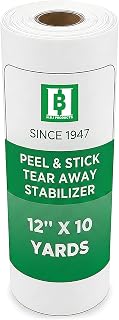
HBI Peel & Stick Tear Away Embroidery Stabilizer Roll, 12 in x 10 yd
Check PriceFAQ: Your Fabric Stabilizer Questions Answered
Can I use regular paper as a cheap stabilizer alternative? No, printer paper lacks tensile strength and contains acids that can yellow your thread and damage your machine. Always use non-woven engineered materials designed for needle penetration.
Is it okay to layer two different stabilizers together? Absolutely, stacking a tear away behind a fusible cut away is a professional technique for the most unruly fabrics. This provides the crisp tear of one and the permanent hold of the other.
How do I store stabilizer rolls to prevent damage? Keep rolls upright in a cool, dry area away from direct sunlight to prevent brittleness. If sheets arrive curled, a warm, dry iron on the reverse side will flatten them out perfectly for hooping.
Does the color of the stabilizer matter? Stabilizer is usually white or black. Use black cut away for dark fabrics to avoid any visible halo around the edges after trimming. Learn more about fabric choices in our guide on the best embroidery fabric for beginners.
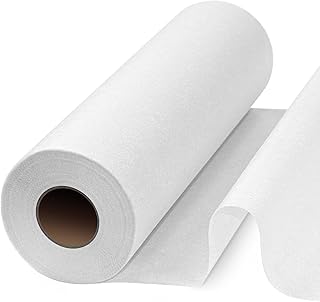
PLANTIONAL 11.6″x30yd Light Weight Non-Woven Fusible Interfacing for Sewing
Check PriceConclusion: The Foundation of Flawless Stitching
Mastering fabric stabilizer is non-negotiable if you want to produce durable, visually striking sewing projects. It is the hidden architecture that holds your meticulous stitches in perfect alignment wash after wash. Whether you are a home sewist or a commercial digitizer, respecting the backing transforms amateur trials into treasured heirlooms.
Take the time to test a scrap of your project fabric with a small stitch-out before committing to the final piece. Let your stabilizer collection grow as your skills advance, and soon matching the right support will become instinctive. Check out more expert sewing resources online for continuous learning.
