
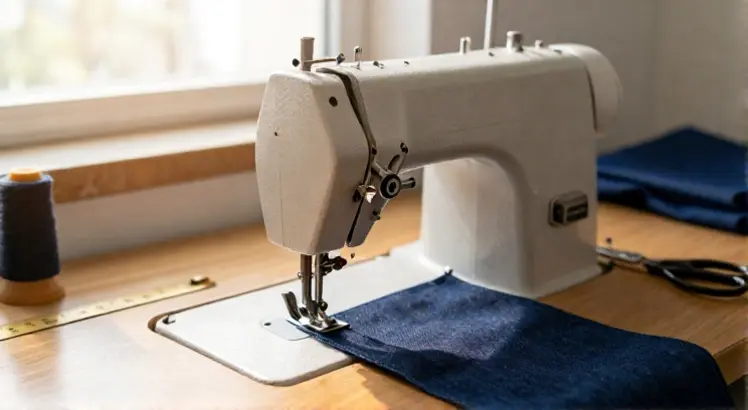
Walk into any sewing studio and you’ll likely hear someone say, Juki machines are incredibly well built, but why are they so expensive? The price tag often surprises first time buyers. This isn’t just a brand premium, it’s a reflection of industrial grade engineering packed into a home machine. Understanding the factors behind the cost reveals why so many professionals swear by the brand.
The Industrial Heritage Behind Juki
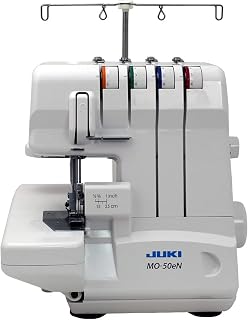
Juki MO-50E Serger
Check PriceJuki Corporation started in 1938 as a manufacturer of industrial sewing machines. For decades they powered garment factories around the world, building a reputation for relentless durability. This commercial DNA is still present in every home model they produce.
Unlike brands that design for occasional hobby use, Juki engineers machines to withstand 24/7 operation. The company’s legacy in high volume production environments directly influences the materials, tolerances, and testing each machine undergoes. You’re not just buying a sewing tool, you’re inheriting nearly a century of refinement from the factory floor.
For a closer look at how this translates into real world performance, check out our comprehensive Juki review. There you’ll see how the heritage materializes in stitch consistency and feed power. A brief history of Juki on Wikipedia further confirms its deep roots in industrial innovation.
Precision Engineering and Build Quality
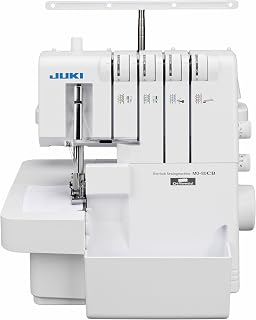
Juki MO-80CB Free-Arm Serger
Check PriceOpen up a Juki and you’ll immediately notice the dense metal frame and carefully machined parts. Most competitors rely heavily on plastic internal components to cut costs. Juki uses cast aluminum and steel in critical stress points, reducing vibration and flex even at full speed.
This insistence on premium materials means a Juki often weighs more than comparable machines from Singer or Brother. That heft isn’t a drawback, it’s engineered stability. The precisely milled feed dogs and hook assemblies allow for flawless fabric handling, from delicate chiffon to heavy denim.
Every unit undergoes rigorous quality control checks that catch imperfections many brands would consider acceptable. The result is a machine that maintains its timing and calibration for decades. You pay upfront for the toolroom quality that prevents frustration and repair bills down the line.
Superior Stitch Quality and Speed
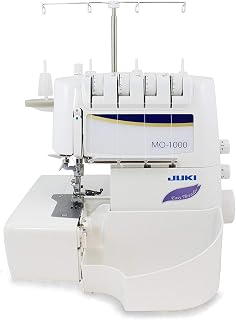
Juki MO-1000 Air Threader Serger
Check PriceThe stitch formation on a Juki is uncannily balanced right out of the box. Advanced feed mechanisms and finely tuned tension assemblies produce locked, even stitches across a huge speed range. Whether you’re creeping through a tricky curve or sewing flat out at 1,500 stitches per minute, the machine never skips a beat.
Speed is another cost driver. Industrial style motors and efficient power transmission allow Juki home machines to achieve blazing sewing speeds without overheating. This isn’t just about finishing projects faster, it’s a testament to the motor’s quality and durability over years of heavy use.
Innovative Features Like Air Threading
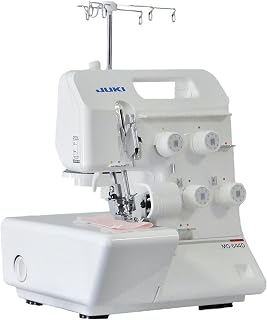
Juki MO644D Portable Serger
Check PriceJuki invests heavily in proprietary technologies that truly simplify the sewing experience. Their air threading system on sergers literally loops the lower threads with a puff of air, eliminating the most dreaded chore of overlocker threading. This is a genuine time saver that relies on precision pneumatic micro engineering.
Other innovations include the box feed system for even fabric feeding and automatic thread trimming on select models. Each of these features requires expensive research, specialized tooling, and meticulous assembly. You’re paying for the convenience, but also for the engineering that makes these systems reliable over tens of thousands of cycles.
Longevity and Resale Value
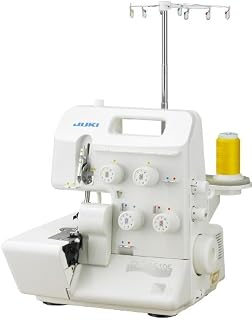
Juki Pearl Line MO-654DE Serger
Check PriceA well maintained Juki often outlasts its owner. It’s common to find 40 year old industrial models still humming in tailoring shops. This longevity dramatically softens the initial sticker shock when you amortize the cost over decades of flawless service.
Strong demand for used Juki machines bolsters resale value significantly. You can recover a surprising chunk of your investment if you ever decide to upgrade. This economic aspect makes the premium price feel less like a pure expense and more like an asset holding its worth.
Comparing Juki to Other Brands
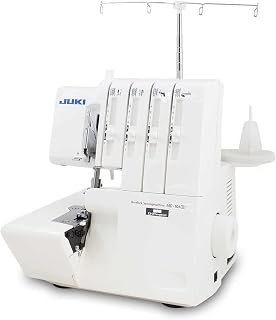
Juki MO-114D Overlock Machine
Check PriceMainstream brands like Singer and Brother focus on affordability and feature count. They pack user friendly touches like automatic needle threaders and LCD screens into attractive price points. Juki instead prioritizes mechanical excellence, often offering fewer flashy gadgets but delivering fundamentally better stitching and longevity.
Bernina, another premium name, competes on luxury and Swiss precision but at an even higher price tier. Juki sits in a unique sweet spot where you get industrial toughness without the extreme luxury markup. For sewists who value reliability over bells and whistles, Juki clearly justifies its cost against mid range competitors.
Our guide to the top-rated Juki serger models breaks down which machines best suit different needs and budgets. Seeing the specs side by side makes the value proposition even clearer.
Frequently Asked Questions
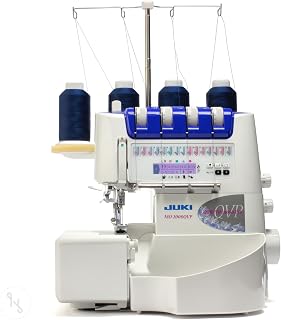
Juki MO-2000QVP Air Thread Serger
Check PriceAre Juki machines only for professionals?
Not at all. While professionals adore them, enthusiastic home sewers benefit enormously from the ease of use and predictable results. A Juki can boost confidence because the machine reliably does what it’s supposed to, leaving you to focus on creativity.
Do Juki machines cost more to repair?
Actually, repair costs tend to be lower over time. The simple, robust mechanical design means fewer electronic failures. Standard parts are widely available, and many technicians are intimately familiar with the brand due to its industrial footprint.
Is it worth buying a used Juki?
Absolutely, if the machine has been serviced. The mechanical simplicity makes a used Juki a very safe bet. You can often find a gently used model that still performs like new for a fraction of the original price.
Is a Juki Worth the Investment?
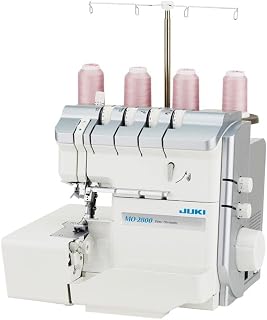
Juki MO-2800 Overlock Machine
Check PriceThe answer hinges on what you value. If you sew frequently, work with varied fabrics, or simply hate machine fighting, a Juki pays for itself in saved time and eliminated aggravation. The initial cost is higher, but the per use cost over its life is remarkably low.
Consider it less like buying a sewing machine and more like acquiring a precision tool that will become a seamless extension of your hands. That confidence has a real monetary value, and for countless devoted users, the price is more than justified. Once you sew on a Juki, it redefines what you expect from a machine.
