
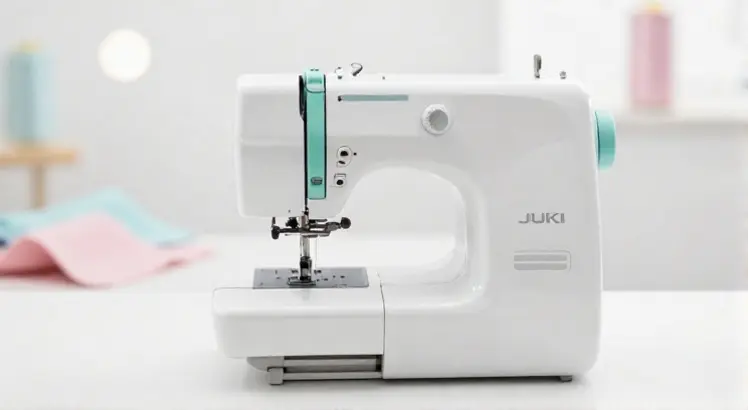
Frayed edges and uneven seams can ruin a sewing project. A reliable serger gives you clean, professional finishes fast. Juki sergers are known for durability and stitch quality, making them a favorite among sewists. Finding the right one for your needs can be tricky with so many models available.
Short Answer: The best overall Juki serger for most users is the MO-2000QVP. It combines automatic air threading, a powerful motor, and exceptional stitch precision. This machine handles everything from lightweight knits to heavy denim with ease. Whether you are a beginner or an advanced maker, it delivers consistent, professional results.
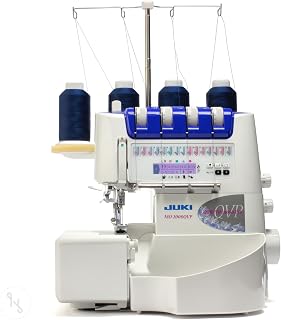
Juki MO-2000QVP Air Thread Serger
Check PriceBest Juki Sergers of 2026
Once you understand the time-saving magic of an overlocker, picking the right brand becomes your next big step. Our hands‑on Juki machine review walks you through the performance and threading ease of a popular home‑serger, so you can see firsthand what makes these machines a favorite. For a clear breakdown of why the stitch itself matters, this Wikipedia overview of overlock stitching explains how a serger trims, seams, and finishes in one pass, giving you the core knowledge to appreciate Juki’s engineering.
1. Juki MO-50E – Budget-Friendly with Handy Rolled Hem
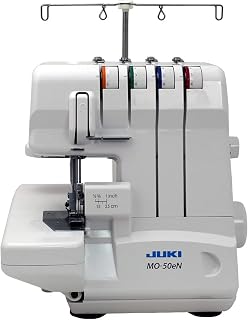
Juki MO-50E Serger
Check PriceWhy it stands out
The MO-50E packs essential serger functions into a compact, affordable machine. Its lay-in tensions and differential feed make setup simple. The built-in rolled hem feature adds versatility for garment edges and home decor projects. Beginners appreciate the helpful automatic lower looper threader.
Key points
- Lay-in tensions with easy threading path
- Adjustable differential feed to prevent puckering or stretching
- Built-in rolled hem without changing foot
- Automatic lower looper threader saves time
Pros
- Very affordable entry point to Juki quality
- Retractable upper knife for overlock or seam finishing
- Lightweight and portable design
- Smooth, quiet operation for a mechanical serger
- Color-coded threading guides reduce confusion
Cons
- Limited to 3 or 4 thread stitches, no cover hem
- Manual threading may frustrate some beginners
Best for
Those new to serging who want a simple, dependable machine without breaking the bank. It suits hobbyists making knit garments, lightweight wovens, and quick rolled hem projects.
2. Juki MO-80CB – Compact Free-Arm for Cuffs and Sleeves
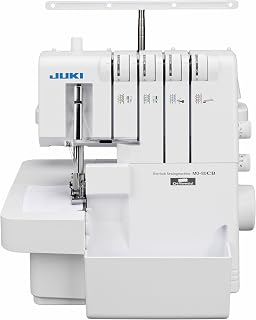
Juki MO-80CB Free-Arm Serger
Check PriceWhy it stands out
The MO-80CB features a rare free-arm design in a serger, making it perfect for sleeves, cuffs, and children’s clothes. It maintains Juki’s sturdy build while shrinking the footprint. You get professional overlocking in tight tubular areas that flatter machines struggle with.
Key points
- Convertible free-arm fits narrow openings easily
- 2/3/4 thread capability for multiple stitch types
- Differential feed adjusts for knit or woven fabrics
- Bright LED lighting illuminates the needle area
Pros
- Excellent for sleeve hems and baby clothing
- Stable stitching even at high speeds
- Simple tension dials with clear markings
- Presser foot lifts high for thick fabrics
- Quiet motor compared to other compact sergers
Cons
- No cover stitch functionality
- Limited throat space for large flat projects
Best for
Sewists who frequently work on small tubular items like armholes, cuffs, and children’s garments. Also great for those with limited workspace who still want Juki precision.
3. Juki MO-1000 – Push-Button Jet Air Looper Threader
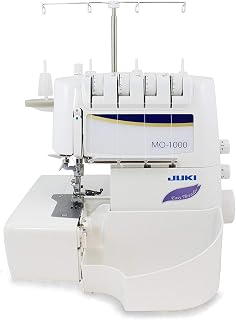
Juki MO-1000 Air Threader Serger
Check PriceWhy it stands out
The MO-1000 eliminates the most tedious serger task with its push-button jet air looper threading. A single touch sends the thread through the lower looper, saving time and frustration. It also offers excellent stitch quality and an easy-to-use control panel.
Key points
- Jet air threading for the lower looper with one button
- Large, clear thread guides for manual threading
- Adjustable differential feed and stitch length dials
- Bright LED light and built-in thread cutter
Pros
- Ultra-fast looper threading reduces downtime
- Stitch quality rivals higher-end models
- Sturdy metal internal frame for stability
- Easy color-coded threading path
- Smooth and relatively quiet operation
Cons
- No upper looper air threading, still manual
- Lacks cover stitch option
Best for
Intermediate sewists who want speed and convenience without stepping up to the most expensive air-threading models. Ideal for those who change thread colors often and hate manual looper threading.
4. Juki MO644D – Portable Power for Basic Overlocking
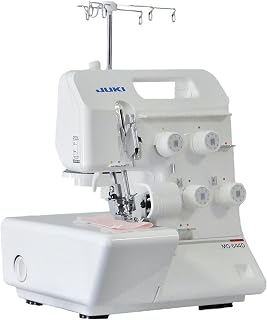
Juki MO644D Portable Serger
Check PriceWhy it stands out
The MO644D is a proven workhorse, celebrated for its reliability and simplicity. It handles everything from delicate chiffon to medium denim without missing a stitch. Its lightweight body makes it easy to carry to classes or sewing retreats, yet it feels solid during use.
Key points
- 2/3/4 thread overlock capability
- Differential feed ratio from 0.7 to 2.0
- Easy rolled hem conversion by turning a knob
- Built-in thread cutter and bright sewing light
Pros
- Proven durability with thousands of loyal users
- Simple to maintain and clean
- Good stitch quality on woven and knit fabrics
- Quick switching between stitch types
- Carry handle adds to portability
Cons
- Manual looper threading takes patience
- Not ideal for heavy-duty or industrial use
Best for
Home sewists who want a dependable, no-frills serger for garment sewing and small craft projects. Excellent for those who teach classes or need a secondary machine.
5. Juki Pearl Line MO-654DE – Bonus Learning Bundle Included
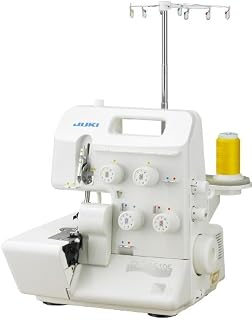
Juki Pearl Line MO-654DE Serger
Check PriceWhy it stands out
This Pearl Line package ships with an electronic workbook and instructional DVD, making the learning curve gentle. The MO-654DE itself is a robust 2/3/4 thread machine with smooth threading and consistent stitch formation. It is an excellent value for crafters who want guidance.
Key points
- Comes with interactive electronic workbook CD
- Full DVD video tutorial included in the box
- Lay-in tension system and color-coded threading
- Knife mechanism can be disengaged for flatlock stitches
Pros
- Educational extras boost confidence for beginners
- Strong motor handles multiple layers well
- Easy changeover to rolled hem
- Stitch dials are clearly labeled and responsive
- Nice stitch quality on rib knits and fleece
Cons
- No air threading feature
- Limited to 4-thread overlock, no cover stitch
Best for
Self-taught sewists or anyone nervous about serger setup. The included learning materials make it one of the best starter kits for mastering overlocking techniques.
6. Juki MO-114D – Simple and Solid 2/3/4 Thread Machine
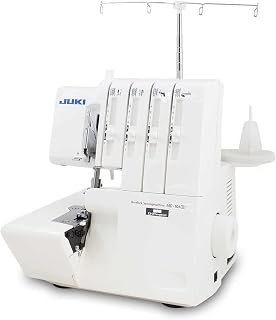
Juki MO-114D Overlock Machine
Check PriceWhy it stands out
The MO-114D focuses on core overlocking without extra frills, delivering reliable stitches year after year. It offers smooth fabric feeding and an easy-to-navigate threading path. This machine is a great minimalist option for those who do not need fancy features.
Key points
- Sturdy metal frame reduces vibration
- Adjustable stitch length up to 4mm
- Knife can be lifted or stored for safety
- Presser foot pressure adjustment dial
Pros
- Minimalist design is easy to maintain
- Good stitch penetration on thicker seams
- Quiet operation for a mechanical machine
- Stable on the table without moving
- Affordable without sacrificing key features
Cons
- No differential feed adjustment
- Limited to basic 4-thread and 3-thread stitches
Best for
Budget-conscious sewists who want a straightforward serger for edge finishing and simple construction. Perfect for those who sew mostly stable woven fabrics and do not need specialty stitch functions.
7. Juki MO-2000QVP – Best Overall with Automatic Air Threading
Juki MO-2000QVP Air Thread Serger
Check PriceWhy it stands out
The MO-2000QVP sets the standard with fully automatic air threading for both needle and loopers. Simply press a button and the machine threads itself in seconds. Its advanced feed system, powerful motor, and precise stitch formation make it the top choice for serious sewists.
Key points
- Automatic needle and looper air threading
- Micro-adjustable differential feed for delicate to thick fabrics
- Improved presser foot lift for thick seams
- Speed up to 1,500 stitches per minute
Pros
- True push-button threading saves enormous time
- Exceptionally even stitches on any fabric type
- Handles thick denim and delicate silks equally well
- Very stable operation at high speed
- LED lights and extra workspace around needle
Cons
- Higher price point than mechanical models
- Still only a 4-thread overlock, no cover stitch
Best for
Advanced home sewists and small business owners who demand speed, precision, and the ultimate threading convenience. It is the ideal upgrade for those tired of manual looper threading.
8. Juki MO-2800 – Modern 2-Needle Overlock with Refined Control
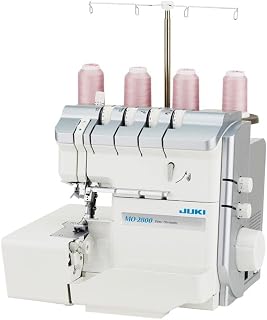
Juki MO-2800 Overlock Machine
Check PriceWhy it stands out
The MO-2800 brings updated ergonomics and smoother stitching to the classic home overlock design. It features two needles and up to four thread options, with an intuitive tension system. The machine runs whisper-quiet even at its top speed.
Key points
- 2-needle, 2/3/4 thread configurations
- Newly designed presser foot for better visibility
- Built-in rolled hem and narrow hemming
- Large, easy-touch tension dials on the front
Pros
- Ultra-quiet motor is perfect for late-night sewing
- Very stable stitch on tricky slippery fabrics
- Clearly marked threading path simplifies setup
- Adjustable foot pressure for different fabric weights
- Compact design does not sacrifice harp space
Cons
- No air threading, still manual loopers
- No cover stitch capability
Best for
Sewists who want a refined, modern overlocking experience with less noise and better control. It suits those who sew garments regularly and value smooth operation over automatic threading.
9. Juki MO-735 – Versatile 5-Thread Serger and Cover Hem
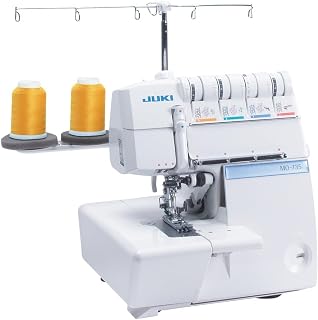
Juki MO-735 5-Thread Serger
Check PriceWhy it stands out
The MO-735 combines a 5-thread safety stitch with cover hem capability in one machine. This eliminates the need for a separate coverstitch machine. It sews knits like a factory finish and overcasts woven seams in one pass, truly expanding your creative possibilities.
Key points
- 5-thread safety stitch sews a strong chain plus overlock
- Switchable to cover hem and topstitching functions
- Push-button lower looper air threading
- Adjustable differential feed and foot pressure
Pros
- Eliminates need for a standalone coverstitch machine
- Professional-looking necklines and hems on knits
- Smooth transition between serger and cover stitch modes
- Powerful motor pierces multiple thick layers
- Lower looper air threader reduces prep time
Cons
- Learning curve for cover stitch setup
- Heavier and takes up more table space
Best for
Enthusiastic garment sewists who sew lots of knits and want both a serger and cover hem in one unit. Small production sewers will appreciate the time saved with a true safety stitch.
10. Juki MO654DE – Trusted Portable Thread Machine in White
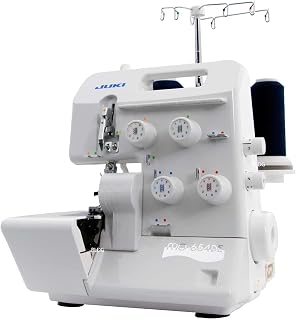
Juki MO654DE Portable Serger
Check PriceWhy it stands out
The white MO654DE is a classic favorite among sewists for its straightforward operation and consistent, beautiful stitches. It is exceptionally portable yet packed with features like differential feed and a retractable knife. Many consider it the best value mechanical serger Juki offers.
Key points
- 2/3/4 thread stitch options with easy dial change
- Simple rolled hem conversion without extra parts
- Adjustable differential feed from 0.7 to 2.0
- Color-coded thread guides and lay-in tensions
Pros
- Proven track record with decades of positive reviews
- Very smooth feeding even at the slowest speeds
- Weighs less than 15 pounds, easy to store
- Quiet compared to other portables
- Knife disengages for faux flatlock stitches
Cons
- No air threading, manual loopers only
- No cover stitch or 5-thread option
Best for
Those who want a no-fuss, portable serger that just works. It is a favorite for sewing classes, retreats, and as a reliable primary machine for home garment construction.
11. Juki MO-735N – Enhanced 5-Thread Cover Hem with LED Lighting
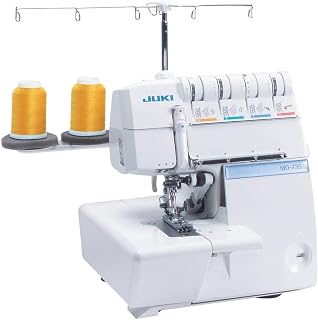
Juki MO-735N 5-Thread Cover Hem
Check PriceWhy it stands out
The MO-735N refines the popular 5-thread design with brighter LED lighting and improved stitch control. It creates a strong 5-thread safety stitch, plus cover hem and triple cover stitches. This updated model addresses previous user feedback for even better ease of use.
Key points
- 5-thread safety stitch and 3-thread overlock combined
- Cover stitch and triple cover stitch for professional hems
- Enhanced LED lighting for a crystal-clear needle view
- Jet air lower looper threading included
Pros
- Bright LEDs reduce eye strain during long sessions
- Cover stitch mode handles elastic and knits beautifully
- Conversion from overlock to cover stitch is manageable
- Stitch quality rivals industrial machines
- Sewing speed stays consistent on thick seams
Cons
- Requires time to learn proper cover stitch tensions
- Larger footprint may not fit small sewing tables
Best for
Serious home sewists and semiprofessionals who need both overlock and cover stitch functions with modern conveniences. Perfect for constructing activewear, lingerie, and everyday knit clothing.
12. Juki MO-6816s – Industrial 5-Thread Safety Stitch with Table
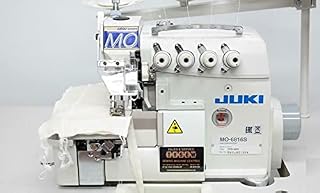
Juki MO-6816s 5-Thread Industrial Serger
Check PriceWhy it stands out
The MO-6816s is a true industrial workhorse, assembled with a table and servo motor for production sewing. It delivers a consistent 5-thread safety stitch at blistering speeds without skipping or breaking threads. This machine is built for daily heavy use in a small factory or studio.
Key points
- 5-thread safety stitch with two needles for strength
- Complete setup includes industrial table and servo motor
- Adjustable speed control via quiet servo drive
- Stitch length up to 4mm, easy manual dial change
Pros
- Rapid sewing speed up to 6,500 stitches per minute
- Superb stitch consistency on denim, canvas, and upholstery
- Servo motor is energy efficient and quiet
- Built to run all day without overheating
- Safety stitch prevents seam failure under stress
Cons
- Occupies a large dedicated floor space
- Overkill for casual home sewing projects
Best for
Small apparel businesses, tailors, or heavy home sewists needing a dedicated industrial overlock station. Ideal for those who construct jeans, bags, or large volumes of garments.
13. Juki MO-3000QVP Akane – Next-Gen Air Threader with Color Touch
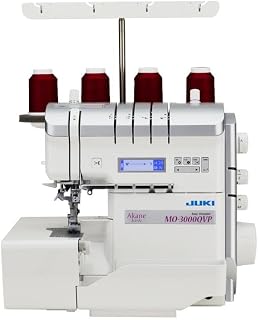
Juki MO-3000QVP Akane Air Threader
Check PriceWhy it stands out
The MO-3000QVP Akane represents the cutting edge of home sergers with fully automatic needle and looper air threading, plus a colorful, intuitive control panel. It virtually eliminates threading struggles. The stitch quality and precision are top-tier, making it a dream for sewists who hate setup time.
Key points
- One-touch air threading for both needles and both loopers
- Large LCD screen or color-coded stitch selection panel
- Advanced differential feed with micro-adjustment
- Extra-large extension table for large projects
Pros
- Total threading automation is a huge time saver
- Stitch quality is flawless from fine to heavy fabrics
- Quiet, vibration-free operation at all speeds
- Clear stitch diagrams on the machine body
- Slide-away wide table supports large quilts or garments
Cons
- Premium price tag is not for beginners on a budget
- Still lacks coverstitch capability
Best for
Enthusiasts and professionals who want the ultimate overlock experience with zero threading frustration. Perfect for quilters, garment designers, and anyone who sews frequently with varied thread types.
How to Choose the Best Juki Serger
Start by identifying the stitch types you need. A basic 3- or 4-thread overlock handles most garment seams and edge finishing. If you sew knits extensively, look for a model with cover hem or 5-thread safety stitch capability.
Threading convenience is another major factor. Traditional manual loopers work fine, but air threading saves time and reduces eye strain. Models like the MO-2000QVP and MO-3000QVP offer full air threading for needles and loopers.
Consider your workspace and portability needs. Compact machines like the MO644D and MO654DE are easy to carry, while industrial models require a dedicated table. Differential feed is essential if you work with both knits and wovens to prevent wavy or puckered seams.
Finally, match your budget to the features you will actually use. A simple mechanical serger may be all you need for occasional projects. Investing in automated features makes sense only if you sew frequently and change threads often.
Mistakes to Avoid When Buying a Juki Serger
One common error is buying too much machine for your skill level. An advanced 5-thread cover stitch model can overwhelm a beginner. Start with a simple 4-thread machine and upgrade later if needed.
Ignoring the importance of differential feed is another mistake. Without it, knits may stretch out and wovens can pucker. Always choose a serger with adjustable differential feed unless you rarely sew stretch fabrics.
Don’t overlook threading complexity. Some sewists avoid their serger simply because threading feels like a chore. If you dread rethreading, a model with automatic air threading is worth the extra cost.
Assuming all Juki sergers include a cover stitch is incorrect. Most overlock machines do not have cover hem functions. Carefully check the description to ensure the machine meets your actual project needs.
Frequently Asked Questions
What is the difference between an overlock serger and a coverstitch machine?
An overlock serger trims the fabric edge and encases it with thread to prevent fraying. A coverstitch machine creates double or triple rows of stitching for hemming knits, very similar to ready-to-wear garments. Some Juki machines combine both functions.
How does air threading work on Juki sergers?
Air threading uses a puff of compressed air generated by the machine to push the thread through the looper tube. You simply press a button or lever after inserting the thread into a small port. It eliminates the need for tweezers and threading diagrams.
Can I use a Juki serger for heavy fabrics like denim?
Yes, but choose the right model. Home machines like the MO-2000QVP and MO-735 handle multiple layers of denim with the correct needle and thread. For constant heavy-duty work, an industrial model such as the MO-6816s is more suitable.
Do I really need differential feed?
Differential feed is crucial if you sew knits or slippery fabrics. It prevents wavy edges on stretch fabrics and puckering on lightweight wovens. Only simple sergers and very basic models lack this feature.
Are Juki serger feet interchangeable between models?
Some presser feet are interchangeable within the home sewing line, but not all. Always check the presser foot shank type. Industrial models use different feet entirely. It is safest to buy feet specifically listed for your model.
How often should I clean and oil my Juki serger?
Clean lint from the loopers and knife area after every project. Oil the machine as recommended in the manual, usually after every 8 to 10 hours of use. Regular maintenance keeps the stitching smooth and extends the machine’s life.
Can I do a rolled hem without changing the foot on a Juki?
Many Juki sergers feature a built-in rolled hem that you engage by moving a lever or turning a dial. This eliminates the need to switch to a separate rolled hem foot. Check the specific model features before buying.
What thread type works best in a Juki serger?
High-quality polyester serger thread in cone form is the standard choice. Textured polyester or wooly nylon can be used in the loopers for soft seams. Always use strong, lint-free thread to avoid tension problems and build-up inside the machine.
Is a 4-thread overlock strong enough for seams?
Yes, a 4-thread overlock creates a secure seam with built-in stretch for knits. It is the most commonly used stitch in garment construction. A 5-thread safety stitch adds an extra chain stitch for even more strength, preferred for wovens.
Do Juki sergers come with a warranty?
New Juki sergers sold by authorized dealers usually include a manufacturer’s warranty covering parts and labor for a set period. Warranty terms vary by model and region, so always verify with the seller before purchase.
Conclusion
Juki sergers offer incredible range, from compact portable units to full industrial setups. The best one for you depends on your sewing habits, fabric types, and the convenience features you value most. Prioritize stitch options, threading ease, and differential feed.
The MO-2000QVP stands out as the best overall choice for its automatic air threading and high-quality stitching. If you need cover hem capability, the MO-735N is a powerful all-in-one solution. Beginners and occasional sewists will find excellent value in the MO654DE or MO-50E.
Take time to match the machine to your specific projects. Investing in a serger that handles your favorite fabrics will make sewing faster and more enjoyable. With proper care, a Juki serger can serve you reliably for many years.
With a specific Juki model catching your eye, it helps to see how it stacks up against the competition. Our comparison of the best serger sewing machines lines up leading brands side by side, highlighting where Juki excels in durability, feed consistency, and stitch quality, so you can confidently narrow down the one that fits your sewing room and budget.
