
Quilting is an art form that blends precision, creativity, and technique. At the heart of every stunning quilt lies an often overlooked hero: the thread. You might be tempted to reach for any spool in your stash, but understanding what is quilting thread and why it matters will elevate your projects from homemade to heirloom quality.
Quilting thread is not just a scaled down version of sewing thread. It is specifically engineered to endure the unique demands of piecing, quilting, and bindings. In this comprehensive guide, we will unravel the mystery behind quilting thread, explore its characteristics, compare types, and help you choose the perfect thread for your next masterpiece.
Understanding Quilting Thread: Definition and Core Purpose
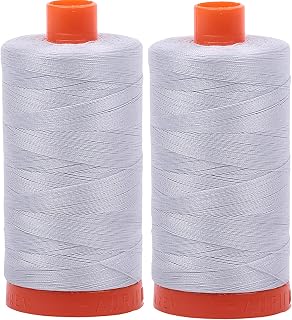
Aurifil Mako 50wt Thread 2 Large Spools Dove 2600
Check PriceAt its simplest, what is quilting thread can be answered as a specialized thread designed for the three distinct phases of quilt making: piecing (joining fabric pieces together), quilting (stitching through multiple layers of fabric and batting), and binding (finishing the edges). Unlike standard sewing thread that is typically used on lighter garment fabrics, quilting thread must glide smoothly through multiple layers without fraying or breaking. Its core purpose is to provide strength, consistency, and a polished finish while maintaining the delicate balance between visibility and blending.
True quilting thread is often characterized by a tighter twist, minimal lint production, and a finish that reduces friction. These properties allow it to withstand the high speed of longarm machines and the constant motion of free motion quilting. Whether you are hand quilting or using a high end domestic machine, the right thread will prevent skipped stitches and tension issues, making your quilting experience enjoyable and efficient.
Key Characteristics That Define Quilting Thread
Aurifil A1050-2600 Mako Cotton Thread Solid 50WT 1422Yds Dove
Check PriceTo fully grasp what is quilting thread, you need to understand its defining traits. Quilting thread typically boasts a smooth, even surface that passes effortlessly through the fabric. One of its most celebrated features is low lint. When you sew for hours on a quilt, lint from inferior threads can accumulate in your machine, causing tension errors and frequent cleaning breaks. Quilting thread is engineered to leave behind significantly less lint, keeping your machine happy and your stitches even.
Another hallmark is a consistent tensile strength. The thread must resist breaking when pulled through dense fabric layers, yet remain fine enough not to create bulky seams. Quilting thread is often mercerized, a treatment that adds luster and strength to cotton fibers. This process also helps the thread accept dyes more evenly, which is critical when you need color fastness across a large quilt. Look for thread labeled as long staple or extra long staple cotton, as these longer fibers create a smoother, stronger thread with fewer loose ends.
Quilting Thread Weight and Ply: Decoding the Numbers
YLI Cotton Quilting Thread – 50 wt Egyptian Cotton for Piecing & Quilting – Low-lint & Strong – 600 Yard Spool – White
Check PriceThread weight is one of the most confusing yet vital aspects of what is quilting thread. The weight number (often shown as 50wt, 40wt, or 30wt) inversely indicates the thread’s thickness: the higher the weight number, the finer the thread. A 50wt thread is a popular choice for piecing because it is thin enough to create flat, precise seams that do not add bulk. A 40wt thread is slightly thicker and often preferred for quilting when you want the stitching to show more prominently. For hand quilting, a heavier 28wt or 30wt thread may be used to achieve a decorative, visible stitch line.
Ply refers to how many individual strands are twisted together to form the thread. Most quilting threads are 2 ply or 3 ply. A 3 ply thread offers extra strength and a rounder profile, which can be ideal when the stitching is a focal point. A 2 ply thread is finer and lays flatter, making it a top choice for piecing where you want the fabric, not the seam, to shine. When selecting thread for your project, always check both the weight and the ply to ensure compatibility with your needle size and machine settings.
Cotton vs. Polyester Quilting Thread: Which One Should You Choose?
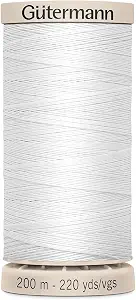
Gutermann Quilting Thread 220 Yards-White 738219-5709
Check PriceThe debate between cotton and polyester thread is central to what is quilting thread all about. Cotton thread, especially long staple, mercerized cotton, is traditional and beloved by purists. It shares the same fiber content as most quilting fabrics, which means it will shrink, wear, and age at a similar rate, preserving the quilt’s integrity over decades. Cotton thread has a soft, matte finish that blends beautifully into natural fibers, making it forgiving on seams that are not perfectly straight.
Polyester quilting thread, on the other hand, offers superior strength and a bit of give. It is resistant to shrinking and fading, making it a robust choice for quilts that will undergo frequent washing, such as baby quilts or bedspreads. Modern high quality polyester threads have evolved; they are no longer the shiny, wiry threads of the past. Trilobal polyester has a subtle sheen and excellent stitch definition.
Some quilters prefer a cotton covered polyester core thread, which combines the natural look of cotton with the strength of polyester. Your choice ultimately depends on the project: use cotton for heirloom quilts and polyester for heavy use items.
How Quilting Thread Differs From All Purpose Sewing Thread
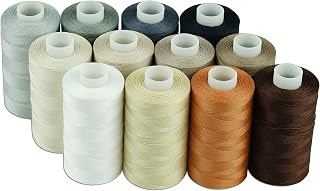
Simthread 12 Multi Colors All Purposes Cotton Quilting Thread 50s/3 Thread for Piecing Sewing etc – 550 Yards Each (Neutral Colors)
Check PriceIf you are new to quilting, you might wonder if that dusty spool of all purpose thread from mending day will do the job. The answer is a firm no, and here is why. All purpose sewing thread is generally a lighter weight (often 40wt or 50wt in name but less robust) with a shorter staple fiber and a weaker twist. It is designed for constructing garments with one or two layers of fabric. When you subject it to the abrasion of multiple layers, thick batting, and dense fabrics, all purpose thread will fuzz, fray, and eventually snap.
In contrast, quilting thread is engineered for endurance. It glides through the sandwich of a quilt top, batting, and backing without creating friction damage. The finish on quilting thread is a critical differentiator; it is often treated or waxed to reduce static and increase smoothness. Using all purpose thread also deposits more lint into your machine, leading to costly maintenance. Understanding what is quilting thread includes recognizing that the investment in specialized thread protects both your machine and your time.
Choosing the Right Quilting Thread for Your Project
Connecting Threads Cream 100% Cotton Thread Spool
Check PriceSelecting the perfect thread involves matching the fiber, weight, and color to your project. For piecing, a fine 50wt, 2 ply cotton thread like a high quality Egyptian cotton is often recommended. Its thinness creates seams that press flat and lie smoothly. When you move to quilting the layers together, you can stay with the same thread or move to a 40wt for more visible quilting definition.
The color choice is strategic: a neutral gray or beige thread blends in seamlessly with many fabric colors, making it a versatile staple in any quilter’s kit. For an in depth look at top performing options, you can explore our guide on the best threads for quilting.
Consider the quilt’s intended use. For a wall hanging that will never be laundered, you can use a delicate metallic or variegated thread for decorative effect. For a child’s blanket, choose a sturdy polyester that withstands aggressive washing. Also, don’t forget the bobbin thread. Many quilters use the same thread for the top and bobbin, but you can use a finer thread in the bobbin to reduce bulk on the back. Always test your thread and needle combination on a practice sandwich before starting the actual quilt to ensure the perfect tension.
Tips for Using Quilting Thread Successfully
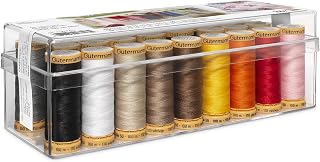
Gutermann Spool Box 26 Cotton Thread Set, Assorted Colors
Check PriceEven the best thread can cause headaches if not handled correctly. Start by using a needle size appropriate for your thread weight. For a 50wt thread, a size 70/10 or 80/12 needle is ideal. A 40wt thread pairs well with an 80/12 or 90/14 needle. The eye of the needle must be large enough for the thread to pass through without resistance, yet small enough to create a clean puncture in the fabric. Change your needle regularly, as a dull needle will shred even the strongest quilting thread.
Store your threads away from direct sunlight and dust. Thread can become brittle over time if exposed to extreme temperatures. When piecing, use a thread that matches the lighter fabric of your pair to minimize shadowing. For quilting that will be the star of the show, consider using a speciality thread. For example, if you are piecing a detailed quilt top, you can refer to our article on the thread for piecing quilts to find specific recommendations that keep your seams perfectly flat.
Frequently Asked Questions About Quilting Thread
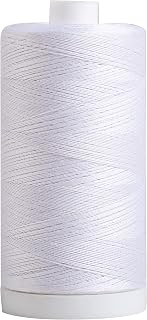
Connecting Threads White 100% Cotton Thread Spool
Check PriceCan I use regular hand sewing thread for hand quilting?
It is not recommended. Hand quilting thread, often called quilting thread in small spools, has a glaze or coating that prevents tangling and helps it slide through the fabric layers. Regular hand sewing thread lacks this coating, tangles more easily, and is too weak to withstand the tugging of hand quilting stitches. Always choose a thread specifically labeled for hand quilting.
How do I prevent my quilting thread from shredding?
Shredding is usually a sign of a needle issue. First, verify your needle size matches the thread. A needle that is too small will fray the thread. Also, check for burrs in the needle eye or on the thread path of your machine. Use a thread net or a thread conditioner if you encounter consistent breakage. Ensure your machine tension is not too tight, which can stretch and weaken the thread before it reaches the fabric.
Does quilting thread expire or go bad?
While thread does not have a strict expiration date, it can degrade over time. Natural cotton thread can weaken after decades, especially if stored in humid or sunny conditions. A simple test is to snap a piece of thread between your hands; if it breaks easily with little resistance, it has lost its integrity. Properly stored, high quality quilting thread can last for many years without issue.
What is the difference between quilting thread and embroidery thread?
Embroidery thread, typically made of rayon or polyester, is designed for decorative surface stitching where sheen and a wide range of colors are paramount. It is usually a 40wt thread but has a lower tensile strength requirement because it does not need to hold layers together structurally. Quilting thread prioritizes strength, low lint, and the ability to create invisible seams or defined patterning in the quilting line. Do not substitute embroidery thread for piecing or quilting unless you are doing machine embroidery on a quilt.
Conclusion: Mastering Quilting Thread for Beautiful Results
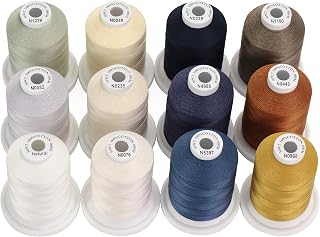
New brothread Multi-Purpose Mercerized Cotton Thread 12 Neutral & Jean Colors
Check PriceWe have journeyed through every stitch of what is quilting thread, from its core definition to the fine nuances of weight, ply, and fiber content. By now, you see that quilting thread is more than just string; it is the backbone that holds your creative vision together. The right thread elevates your piecing accuracy, prevents machine frustration, and contributes to a quilt that can become a cherished family heirloom. Whether you reach for a buttery soft 50wt cotton or a durable trilobal polyester, you are now equipped with the knowledge to make an informed choice.
Remember to match your thread weight to your needle, test your tension, and never underestimate the value of a low lint, high quality spool. As you continue to refine your craft, we invite you to explore more expert resources. For broader quilting wisdom and community tips, you can visit the National Quilters Circle. With each stitch, you are not just making a quilt; you are weaving a story. Happy quilting.
