
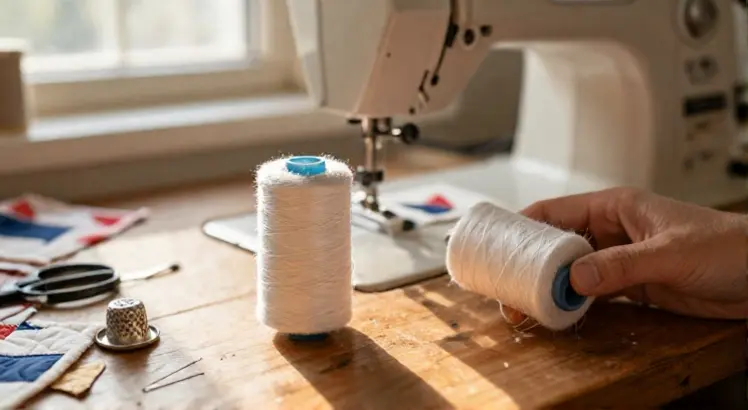
You have a spool of all purpose thread sitting next to your machine and a quilt top begging to be finished. The question pops up naturally, can I use regular thread for quilting? It is a fair inquiry, especially when you want to save a trip to the store. In quilting, the thread is not just a connector, it is a structural backbone. The wrong choice can lead to broken stitches, excessive lint clogging your machine, and a quilt that deteriorates after a few washes. This guide will walk you through the key differences between standard sewing thread and quilting specific thread, helping you make an informed decision that protects your project and your sewing machine.
What Makes Quilting Thread Different From Regular Thread?
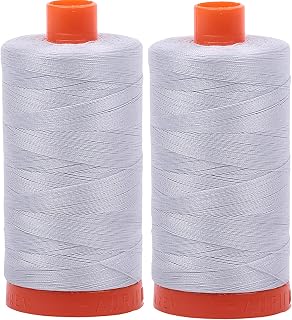
Aurifil Mako 50wt Thread 2 Large Spools Dove 2600
Check PriceAt first glance, regular sewing thread and quilting thread may look identical on the spool. However, they are engineered with different end goals in mind. Regular thread is designed for general garment construction, where flexibility and a bit of stretch are beneficial for seams that move with the body. Quilting thread, conversely, prioritizes strength, low lint, and a smooth finish that glides through multiple layers of fabric and batting without creating friction or fuzz.
A true quilting thread undergoes a mercerization and gassing process that burns off stray fibers, leaving a sleek, round filament that resists tangling and shredding. Using a fuzzy or loosely twisted regular thread can cause skipped stitches and tension headaches on your machine, especially during the thick sandwich of a quilt.
The Importance of Thread Weight in Quilting
Aurifil A1050-2600 Mako Cotton Thread Solid 50WT 1422Yds Dove
Check PriceThread weight is perhaps the biggest technical divider between regular and quilting threads. Most all purpose sewing threads sit around a 40 wt weight, meaning they are thicker and more prominent. The quilting sweet spot is typically 50 wt, a finer thread that sinks beautifully into the fabric layers rather than sitting heavily on top. This fine weight reduces bulk at seam intersections and creates a flatter, softer seam line, crucial when you are pressing your quilt top.
A 40 wt regular thread can cause wavy, distorted stitches in the quilt top because it pushes the fabric fibers apart aggressively. If you look at a masterfully quilted piece, the stitches should barely be felt, not create a rigid ridge. For piecing, explore our guide on the best thread for piecing quilts to see how the right weight elevates accuracy.
Fiber Content Analysis: Cotton vs Polyester
YLI Cotton Quilting Thread – 50 wt Egyptian Cotton for Piecing & Quilting – Low-lint & Strong – 600 Yard Spool – White
Check PriceMany regular threads are a polyester or poly cotton blend, while premium quilting threads are often long staple cotton. Cotton quilting thread shares the same fiber makeup as your cotton quilt fabric, meaning it will shrink, soften, and age at the same rate over time. A polyester all purpose thread is stronger in a raw tensile sense, but it can cut through cotton fibers over decades of washing, a phenomenon known as thread burn.
A garment might be out of style before this happens, but an heirloom quilt is meant to last. High quality cotton threads, like the Egyptian cotton or long staple Mako cotton versions, produce minimal lint and have a matte finish that blends seamlessly with patchwork. The AllPeopleQuilt thread guide emphasizes that a pure cotton thread harmonizes with the quilt top for a truly flat finish.
Thread Finish and Its Effect on Quilting
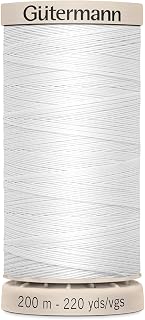
Gutermann Quilting Thread 220 Yards-White 738219-5709
Check PriceRun your fingers down a spool of regular thread and then a quality quilting thread. The regular thread may feel slightly fuzzy or textured, while the quilting thread feels slick, almost like a smooth cord. This difference comes from finishing processes. Quilting threads are mercerized (treated with a caustic solution to increase luster and strength) and then gassed (passed through a flame quickly to singe off any protruding micro fibers).
A thread without this finish, like many general purpose spools, drags through the eye of the needle and the fabric, generating heat and causing the thread to fray. That fraying leads to lint balls collecting under your throat plate and thread breaks that frustrate your quilting flow. A smooth finish also means your machine can maintain consistent tension from the first stitch to the last.
Lint: The Silent Project Killer
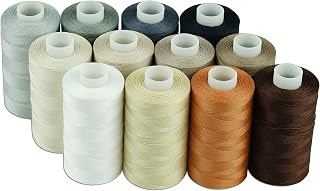
Simthread 12 Multi Colors All Purposes Cotton Quilting Thread 50s/3 Thread for Piecing Sewing etc – 550 Yards Each (Neutral Colors)
Check PriceIf you ask any sewing machine technician what causes the most breakdowns, the answer is lint buildup. Regular thread, especially lower grade poly cotton blends, sheds tiny fibers constantly as it unwinds and passes through the tension discs. In a quilting project that requires hundreds of yards of thread, this shedding compounds quickly. Lint mixes with machine oil, turning into a gummy paste that disrupts the hook assembly timing. A dedicated quilting thread is low lint by design.
The longer staple fibers and the gassed finish mean there are simply fewer loose particles to shed. If you value the longevity of your sewing machine and want to avoid frequent, costly cleanings, switching to a low lint thread is one of the simplest upgrades you can make. Look for a balanced selection in our guide to the best threads for quilting to keep your machine purring.
Strength and Durability: Can Regular Thread Hold Up?
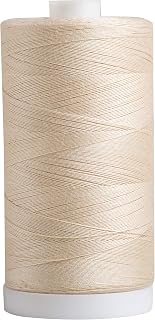
Connecting Threads Cream 100% Cotton Thread Spool
Check PriceA snap test might suggest that a polyester regular thread is stronger than a delicate cotton quilting thread. But quilting strength is not just about tensile breaking point, it is about endurance. Regular thread often has a ‘give’ to it, an elasticity designed for seam comfort. In a quilt, that stretch can lead to puckering and stitches that loosen over time as the batting expands and contracts.
Quilting thread has a firmer, less elastic backbone, which locks the stitches into the batting without loosening. When you wash a quilt repeatedly, a weak regular thread can abrade and snap, leaving gaps in your quilting lines. The tightly twisted nature of a 50 wt cotton quilting thread ensures that the integrity of the stitch remains intact for years.
Stitch Quality and Seam Appearance
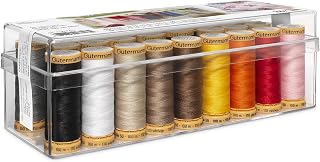
Gutermann Spool Box 26 Cotton Thread Set, Assorted Colors
Check PriceClose up on a quilt seam sewn with regular 40 wt thread, and you might notice a rope like appearance where the thread sits on top. This is particularly visible on high contrast fabrics. Quilting thread, being finer, melts into the fabric, creating a stitch that is secure but visually discreet. The rounded profile of a gassed quilting thread also catches the light evenly, giving your quilt dimension without the stitches competing with your patchwork design.
When you are showcasing intricate piecing, you want the thread to disappear. A thick regular thread can also distort the seam allowance, making it nearly impossible to press your patchwork truly flat. This affects the final alignment of your blocks and creates a bumpy, amateur looking top.
Domestic Machine Quilting vs Longarm Quilting
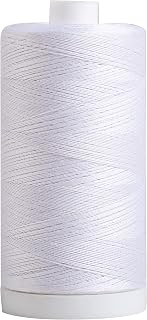
Connecting Threads White 100% Cotton Thread Spool
Check PriceYour sewing machine setup might allow some leniency. Those who push a whole quilt through a domestic sewing machine for the actual stitching often find regular thread causes intense friction and heat because the machine works harder. A longarm machine, with its larger needles and higher speeds, is extremely unforgiving of inferior thread; the thread will snap repeatedly.
Longarmers specifically require high tensile, low lint thread like a 50 wt cotton to maintain a production rhythm. If you are attempting free motion quilting on your domestic machine with regular thread, you will likely battle skipped stitches and constant rethreading. The drag of a slightly fuzzy thread through a quilt sandwich creates erratic tension loops on the back that are a nightmare to unpick.
Hand Quilting With Regular Thread
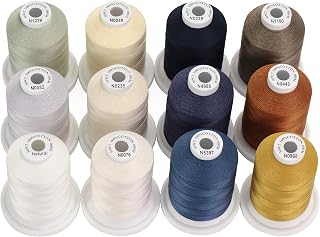
New brothread Multi-Purpose Mercerized Cotton Thread 12 Neutral & Jean Colors
Check PriceHand quilting is a different beast, and here the question ‘can I use regular thread for quilting’ gets a more relaxed answer. Traditional hand quilters often use a glazed cotton thread with a coating that prevents tangling. If you try to use a standard all purpose thread for hand quilting, you will likely end up with knots and a sore hand because the thread does not pull through the batting smoothly.
However, some modern regular threads can be effective for big stitch hand quilting, a decorative style where a thicker thread, like a 30 wt or even a pearl cotton, is intentionally used for visible texture. In this specific case, a thick regular cotton thread or even a heavy polyester can work, but you still want a low twist option to prevent curling and knotting as you hand stitch.
Machine Health: Tension and Clogging Risks
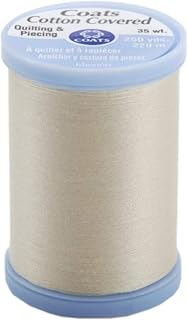
Coats & Clark S925-8010 Cotton Covered Quilting and Piecing Thread, 250-Yard, Natural
Check PriceYour sewing machine is an investment, and feeding it low grade fuel is a risk. Regular thread often has inconsistent diameter, which creates micro fluctuations in tension. One second the stitch is perfect, the next second the bobbin thread is looping on top. This inconsistency wastes fabric and patience. Additionally, many all purpose threads are coated with a waxy finish meant for high speed garment production, which can leave a residue on the tension discs and bobbin case.
This residue attracts dust and gradually tightens the tension unexpectedly. Quilting specific threads are typically cleaner, running with a dry, silky smoothness that maintains a predictable state. Choosing a thread designed for the task minimizes the need to constantly recalibrate your upper tension dial.
Scenarios Where Regular Thread Is Acceptable
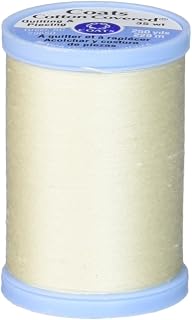
Coats & Clark S925-8020 Cotton Covered Quilting and Piecing Thread, 250-Yard, Cream
Check PriceAll is not lost for that stash of regular thread. In the quilting workflow, piecing the top (joining the patchwork blocks) is less demanding than the final quilting stage. Many quilters use a high quality 50 wt cotton for precision piecing, but in a pinch, a smooth, lint low polyester all purpose thread might work for foundation paper piecing, where the stitches will be removed or hidden under the paper later.
Similarly, if you are constructing a utility quilt, a picnic blanket destined for rough handling, a robust polyester thread might offer the abrasion resistance needed. You can also use regular thread for basting stitches that will be removed. The rule of thumb is this: if the stitch will remain permanent and visible in the finished heirloom, reach for a specialized quilting thread.
Expert Tips for Choosing the Right Thread
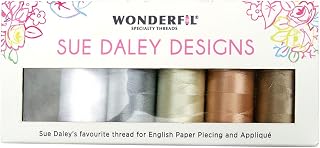
WonderFil Sue Daley Designs Neutrals Specialty Threads, 6 x 273yd spools 2-Ply 80wt Cottonized Soft Polyester Silk-Like Thread
Check PriceMatch the fiber of your thread to the fiber of your quilt top whenever possible. If you sewed your top using high quality quilting cottons, use a long staple cotton thread. Stick to a 50 wt for general machine quilting and piecing to avoid bulk, only moving to a 40 wt or 30 wt if you want a decorative top stitch effect. Always do the drop test on a new spool: hold the thread and let the spool dangle, it should spin smoothly without wobble indicating even winding. And finally, change your needle. A worn needle eye will shred even the best thread. Pair your thread with a sharp microtex or quilting needle of an appropriate size, typically a size 70/10 or 80/12 for 50 wt thread.
Frequently Asked Questions
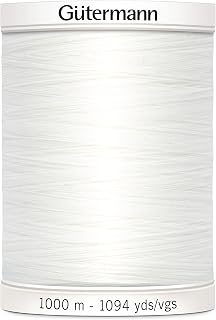
Gutermann Sew-All Thread 1,094yd, Nu White
Check PriceCan I use polyester thread for cotton quilts?
Yes, you can, but you should be cautious. A high quality, low lint polyester thread is strong and durable, but it does not shrink with the cotton fabric. Over many washes, polyester thread can cause a ‘grin through’ effect where it sits higher than the fabric, and it may saw through delicate cotton fibers over decades. If longevity is the goal, cotton thread matches the fabric lifespan better.
What weight thread is best for piecing a quilt?
A fine 50 wt cotton thread is the gold standard for piecing. It allows for exact seam allowances that press flat without adding bulk. A 60 wt is even finer and excellent for miniatures or foundations. Avoid 40 wt for piecing because the thicker thread can distort the seam and make it difficult to match points.
Will regular thread break in my sewing machine while quilting?
It is very likely. The constant friction of pulling through three layers (top, batting, backing) at high speed generates heat that weakens a regular thread with inferior finish. You will experience frequent snapping, fraying, and messy tension loops on the back of your quilt.
Can I use regular thread in the bobbin for quilting?
It is not recommended. A mismatch between the top thread weight and bobbin thread can cause unbalanced tension. Ideally, use the same fine 50 wt thread in both top and bobbin. If you must use a different bobbin thread, a light, fine thread like a 60 wt or a specific bobbin thread works better than a thick all purpose one.
Is hand quilting thread the same as machine quilting thread?
No. Hand quilting thread typically has a waxed or glazed coating to prevent tangling and allow it to slide through the layers with less friction while hand stitching. Machine quilting thread is smooth but not coated, as the coating can gum up a machine. You should not use hand quilting thread in a sewing machine.
