
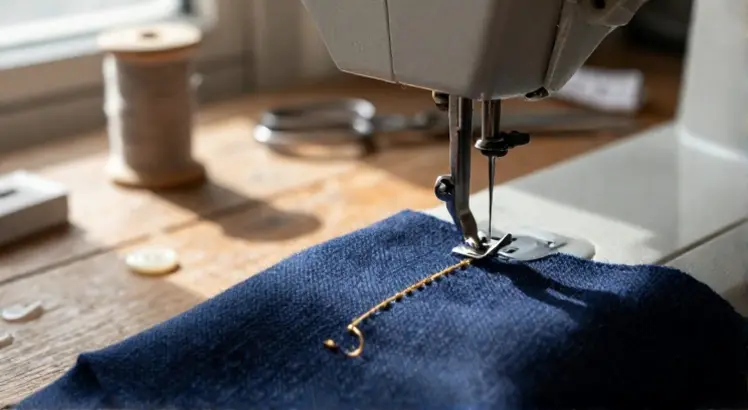
Buttonhole sewing is a specialized technique that reinforces fabric openings, allowing buttons to pass through securely. It creates a durable, finished slit that prevents fraying and adds a polished look to garments. This method is essential for tailored clothing, casual wear, and home decor projects. Mastering it elevates your sewing skills and extends the life of your creations.
Modern sewing machines offer various buttonhole functions, from basic four step processes to precise automatic systems. Understanding how these mechanisms work helps you achieve consistent, professional results every time. Whether you are a beginner or an experienced sewist, learning the nuances of this stitch will transform your approach to garment construction.
What Is Buttonhole Sewing
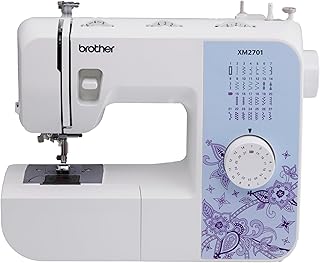
Brother XM2701 Lightweight Portable Sewing Machine
Check PriceButtonhole sewing is the process of stitching a reinforced opening in fabric that accommodates a button. This technique binds the raw edges around the slit, preventing unraveling and providing a clean, durable finish. Many machines now include dedicated buttonhole feet or built in programs to simplify the task. You can learn more about the history of buttonholes on Wikipedia.
Traditional methods required manual measuring and careful freehand stitching, demanding plenty of practice. Today, even entry level machines offer automated or semi automated buttonhole options that produce neat, symmetrical results. The skill remains a cornerstone of fashion design, tailoring, and everyday mending. Understanding the basics allows you to customize closures for coats, shirts, trousers, and accessories.
How a Buttonhole Sewing Machine Works
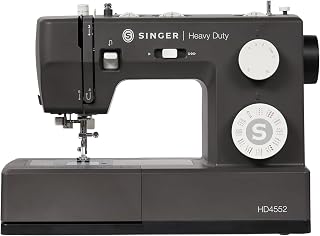
SINGER Heavy Duty 4552 Next Evolution Sewing Machine
Check PriceA buttonhole sewing machine uses a specialized presser foot and a step by step stitching sequence or a built in sensor. The machine automatically determines the button’s size and sews two parallel rows of satin stitches, then bar tacks at each end. For manual models, you adjust a dial or lever to control stitch density and length. The result is a precise, reinforced opening every time.
The mechanism typically moves the fabric forward and backward while the needle zigzags over the slit. Some advanced machines use a sliding buttonhole foot that grips the button and calculates the perfect stitch span. This technology eliminates guesswork and reduces sewing time dramatically. Proper setup ensures balanced tension and prevents puckering or loose threads.
Types of Buttonhole Sewing Machines
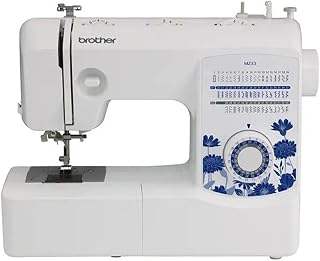
Brother MZ53 Full-Size Sewing Machine
Check PriceMachines are categorized by their buttonhole mechanisms: four step, one step, and fully automatic. A four step machine requires you to manually change the stitch setting for each side of the buttonhole, offering full control but demanding patience. These are common on beginner and mechanical models, providing reliable performance once you learn the sequence.
One step buttonhole machines use a special foot where you insert the button, and the machine completes all sides in a single, seamless operation. Fully automatic computerized machines detect the button size and adjust stitch density without any manual dial changes. Each type suits different skill levels and project demands, so choose based on your sewing volume and desired convenience.
Manual vs Automatic Buttonhole Features
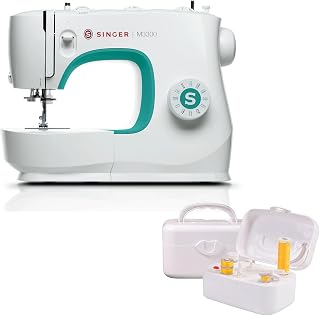
SINGER M3300 Sewing Machine with 97 Stitches
Check PriceManual buttonhole systems rely on dial adjustments and your ability to pivot the fabric at the correct moments. They are cost effective and built into many sturdy mechanical machines. While they require more effort, they teach you the stitch structure and allow on the fly customization for thick or delicate fabrics.
Automatic buttonhole features use sensor technology or a dedicated buttonhole foot to streamline the process. You simply place the button in the foot, lower the presser lever, and start sewing; the machine handles the rest. This consistency is invaluable when sewing multiple buttonholes on a garment, reducing errors and saving time. Advanced models also offer memory functions for repeated identical closures.
Benefits of Buttonhole Sewing
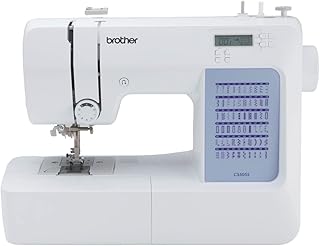
Brother CS5055 Computerized Sewing Machine
Check PriceProper buttonhole sewing significantly increases the durability of your garments. The dense satin stitching reinforces the fabric, preventing the stress that leads to tearing around the button. This strength is crucial for high use items like dress shirts, jeans, and children’s clothing. A well executed buttonhole also elevates the garment’s visual appeal, making it look store bought.
Beyond durability, buttonhole sewing gives you creative freedom in garment design. You can customize thread color, stitch density, and even the shape of the opening, such as keyhole or straight. This personalization helps achieve a perfect match with your fabric and overall style. Mastering this skill means you are no longer limited to pre fastened buttons or simple loops.
Common Uses for Buttonhole Stitches
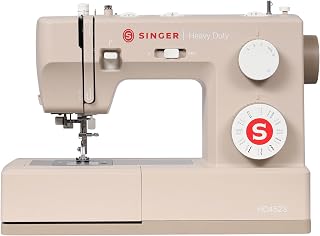
SINGER Heavy Duty 4523 Next Evolution Sewing Machine
Check PriceButtonholes are essential for shirt plackets, jacket fronts, cuffs, and waistbands. They also appear on pillow covers, duvet closures, and even bag flaps. In tailoring, welted buttonholes add a luxurious hand finished touch. Home sewists use them for everyday repairs, replacing worn out buttonholes on favorite garments to extend their lifespan.
You will also find them in decorative applications, where the stitch contrasts with the fabric for a striking detail. Craft projects like tote bags and fabric wallets often incorporate buttonholes as functional design elements. The versatility of the buttonhole stitch means it can adapt to both utility and high fashion seamlessly.
Step by Step Guide to Sewing a Buttonhole
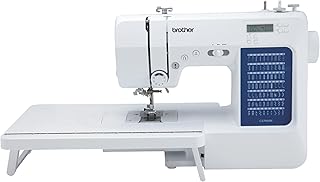
Brother CS7000X Sewing and Quilting Machine
Check PriceStart by marking the buttonhole length on your fabric using tailor’s chalk or a washable pen. Attach the buttonhole foot and select the appropriate stitch on your machine, ensuring the needle aligns with the starting point. Lower the presser foot and begin sewing the first bar tack and left side row of satin stitches. For automatic models, the machine will complete the entire sequence once you engage the lever.
If you are using a four step machine, stop at the end of the first side and pivot or reset the dial for the bar tack, then continue for the second side. Always test on a fabric scrap that matches your project layers and interfacing. After sewing, carefully open the slit with a seam ripper, placing a pin at the end to prevent cutting through the stitches. This careful preparation delivers a crisp, professional result.
Buttonhole Sewing on Different Fabrics
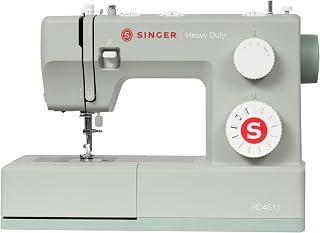
SINGER Heavy Duty 4511 Next Evolution Sewing Machine
Check PriceLightweight fabrics like cotton lawn or silk require stabilizer to prevent puckering during satin stitching. Apply a tear away or wash away interfacing behind the buttonhole area before sewing. Reduce the stitch density slightly so the fabric does not bunch up, and use a fine, sharp needle. Slowing the machine speed also helps maintain control over delicate materials.
For heavyweight fabrics such as denim, canvas, or wool coating, use a heavy duty needle and increase stitch length to accommodate thickness. A topstitching thread adds definition if needed. Test on a seam allowance with the exact number of layers to ensure the buttonhole foot can feed smoothly. With proper adjustments, you can achieve clean, robust closures even on the bulkiest projects.
Troubleshooting Buttonhole Issues
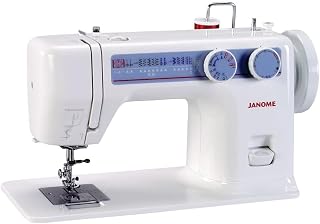
Janome 712t Treadle Sewing Machine
Check PriceUneven stitch density often results from incorrect tension or a dull needle. Re thread the machine, install a fresh needle, and test on scrap fabric. If the fabric is not feeding properly, check that the presser foot pressure is adjusted for the material’s weight. Skipped stitches can indicate the need for a ballpoint or stretch needle, especially on knits.
A common problem is the buttonhole not closing neatly at the bar tack. This can happen if the stitch length is too short or the fabric shifts during sewing. Try reducing the stitch width slightly and holding the fabric taut but not stretched. Cleaning the feed dogs and ensuring the machine is debris free also resolves many feed irregularities.
Choosing the Right Buttonhole Sewing Machine
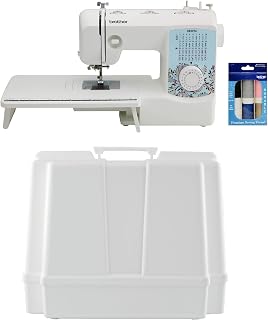
Brother XR3774 37-Stitch Sewing and Quilting Machine
Check PriceConsider how frequently you will sew buttonholes and the types of fabrics you use. If you only sew occasional cotton projects, a reliable four step machine is often sufficient. Frequent garment sewists benefit from a one step or automatic model for speed and consistency. Be sure to explore our guide on the best buttonhole sewing machine for recommendations that match your workflow.
Evaluate the ease of adjusting stitch width and density, as some machines offer digital precision while others use manual dials. The availability of different buttonhole styles, like the keyhole or rounded end, can also be important for tailored projects. A sturdy, well reviewed machine will give you years of frustration free buttonhole sewing and overall creative enjoyment.
Maintenance of the Buttonhole Mechanism
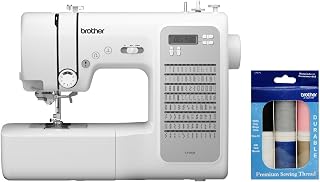
Brother CP100X Computerized Sewing and Quilting Machine
Check PriceRegular cleaning keeps the buttonhole function smooth and precise. Lint and thread debris can accumulate around the feed dogs and the buttonhole lever, interfering with the fabric’s movement. After each project, remove the needle plate and brush away dust with the included lint brush. For computerized models, follow the manufacturer’s guidance on internal sensor care.
Lubricate the moving parts as recommended in your machine’s manual, focusing on the hook race and the buttonhole mechanism linkage. Inspect the buttonhole foot for any burrs or wear that might snag delicate fabrics. A well maintained machine delivers uniform satin stitches and prevents costly repairs. This simple habit extends the life of your investment considerably.
Popular Buttonhole Sewing Machine Brands
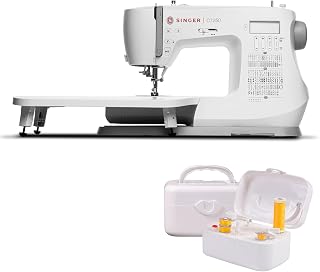
SINGER C7250 Sewing & Quilting Machine
Check PriceBrother, Singer, and Janome are leading brands known for their user friendly buttonhole systems. Brother offers many models with one step automatic buttonholes at affordable prices, making them popular for home sewists. Singer combines traditional durability with modern features, including heavy duty machines that handle denim buttonholes with ease. Janome is respected for its precise engineering and quiet operation.
Each brand provides a range of buttonhole styles, from basic rectangular to elegant keyhole shapes. High end computerized machines from these companies often include memory presets and multiple sensor driven feet. When selecting a brand, consider long term support, availability of accessories, and local dealer services. This ensures your machine remains a reliable tool for years to come.
Tips for Perfect Buttonholes Every Time
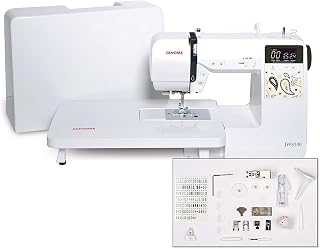
Janome JW8100 Fully-Featured Computerized Sewing Machine
Check PriceAlways interface the buttonhole area, even on medium weight fabrics, to stabilize the weave and prevent distortion. Use a thread color that complements or subtly contrasts your fabric for a designer look. Practice on the exact fabric stack you will use in the final garment, including any linings or facings. This habit reveals tension or feeding problems before you start on your main piece.
Keep a fresh, sharp needle in your machine, as a dull point can cause fabric pulls and uneven stitches. Adjust the stitch width to match your thread weight, narrower for fine threads and wider for thicker topstitching. Finally, open the buttonhole gently with a sharp seam ripper and a pin at the far end to protect the bartack. Learn more about the process with our detailed how to use a buttonhole machine guide.
Frequently Asked Questions
What is the difference between a four step and a one step buttonhole
A four step buttonhole requires you to manually adjust the stitch selector for each side and the bar tacks, giving you full control over the sequence. A one step buttonhole uses a special foot that measures the button and completes the entire buttonhole automatically without any dial changes. The one step option is faster and more consistent, while the four step teaches you the fundamentals.
Do I need a special presser foot for buttonholes
Yes, most machines use a dedicated buttonhole foot that has a sliding mechanism or a slot to hold the button. This foot guides the fabric and ensures the stitch length matches the button’s diameter. Some advanced machines include a sensor buttonhole foot that works with the machine’s computer for perfect results. Using the correct foot is essential for even satin stitches.
Can I sew buttonholes on stretchy knit fabrics
Absolutely, but you must stabilize the area with a knit interfacing or a strip of fusible tape to prevent stretching and tunneling. Use a ballpoint or stretch needle and reduce the presser foot pressure if possible. A slightly longer stitch length also helps the knit maintain its elasticity without breaking threads. Testing on a scrap is vital to dial in the settings.
Why does my buttonhole look messy or skip stitches
Messy buttonholes often result from incorrect upper or bobbin tension, a worn needle, or lack of proper interfacing. Skipped stitches can happen if the needle type is wrong for the fabric, such as using a universal needle on heavy denim. Check that the machine is clean and threaded correctly, and experiment with stitch density settings on a test piece. Consistent preparation solves most aesthetic issues.
How do I prevent the fabric from puckering around the buttonhole
Puckering is commonly caused by excessive stitch density or insufficient stabilization. Always apply a lightweight interfacing behind the buttonhole area, even on woven fabrics. Reduce the stitch width and length slightly so the satin stitch lies flat without pulling. Gently hold the fabric taut but not stretched while sewing, and avoid forcing the machine speed.
Can I use an automatic buttonhole foot on any machine
Automatic buttonhole feet are designed to work with specific machine models that support the sliding sensor or built in programs. Always check your machine’s compatibility and consult the manual. Some manufacturers offer universal feet that fit a range of snap on shanks, but functionality may be limited. For full automation, the machine must have the corresponding electronic control.
What is the best thread for sewing buttonholes
All purpose polyester or cotton wrapped polyester thread works well for most buttonholes because it is strong and has a slight sheen. For decorative effects, you can use topstitching thread or even silk thread on delicate fabrics. Match the thread weight to your fabric and needle size to ensure smooth feeding. Always use quality thread to minimize lint and breakage.
Conclusion
Buttonhole sewing is far more than a basic technique, it is a mark of craftsmanship and garment longevity. A beautifully sewn buttonhole reinforces stressed areas while adding a professional finish that homemade items sometimes lack. Investing time to understand the mechanics, from manual four step methods to fully automatic sensors, transforms your sewing confidence. With the right machine, proper interfacing, and a little practice, you can produce closures that rival ready to wear quality.
The variety of modern machines means there is a perfect buttonhole solution for every sewist, whether you are mending a shirt or constructing a tailor made jacket. Brands like Brother, Singer, and Janome continue to innovate, making automatic buttonholes accessible to beginners and experts alike. Remember to maintain your machine, always test on scraps, and use the correct needle and foot for your fabric type. These simple habits eliminate common problems like puckering, skipped stitches, and uneven density.
As you advance, explore creative options such as decorative thread contrasts, keyhole buttonholes for tailored pieces, and even corded buttonholes for extra structure. Each successful buttonhole you sew builds your skill set and elevates every garment you create. Embrace this essential technique, refer back to our detailed guides whenever a challenge arises, and enjoy the satisfaction of perfectly finished closures on all your sewing projects.

Disclosure: As an Amazon Associate, we earn from qualifying purchases at no extra cost to you. Our posts are created with AI tools and human editing.