
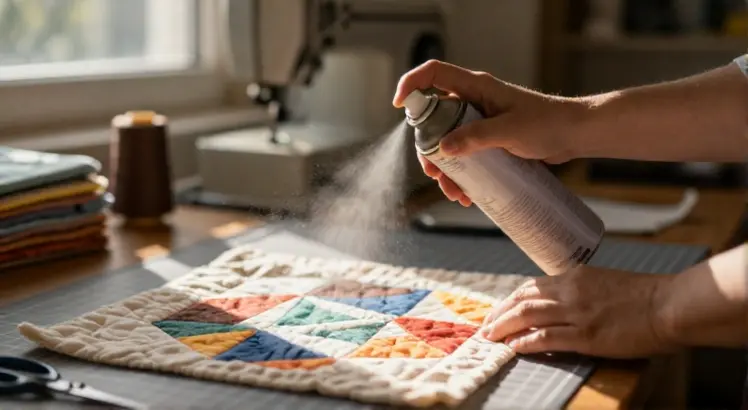
Quilters know that crisp fabric is easier to cut, piece, and press. One tool that changes the entire process is Press spray starch. Using Press spray starch for quilting helps stabilize cotton, reduces stretching on bias edges, and creates sharper seams. Whether you work with precuts, yardage, or tiny applique pieces, a light spray before pressing can make your blocks more accurate.
The craft has a rich legacy worth exploring on Wikipedia’s quilting page. This guide explains how to choose, apply, and store Press spray starch for the best quilting results. You will also find product options and practical tips to avoid common mistakes.
What Is Press Spray Starch and Why Does It Matter
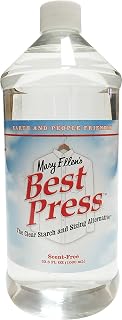
Mary Ellen Products Best Press Refills 33.8 Ounces Scent Free
Check PricePress spray starch is a liquid fabric treatment that adds temporary body to fabric. It is not the same as heavy laundry starch. A light spray fills the fibers and helps the iron flatten seams and folds. Quilters love it because it makes cotton feel more like paper, which is ideal for accurate rotary cutting and machine piecing. It also prevents the wavy edges that can appear on bias cuts. Using Press spray starch for quilting gives you control without making fabric feel rigid or sticky.
How Using Press Spray Starch for Quilting Improves Accuracy
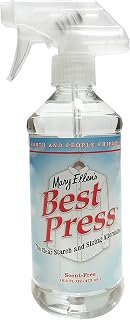
Mary Ellen Best Press Clear Starch Alternative 16.9oz Scent Free
Check PriceAccuracy starts with stable fabric. When fabric is soft and slippery, even careful cutting can lead to off grain pieces. Press spray starch adds grip and body, so your ruler stays put and your rotary cutter moves cleanly. Seam allowances press open or to one side without fighting the fabric memory. Use a pressing cloth for ironing if your iron plate is not perfectly clean. This small habit protects light fabrics from shine and keeps your starch layer smooth.
Choosing the Right Press Spray Starch for Your Fabric
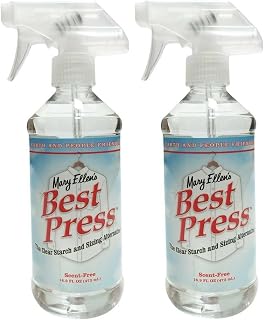
Mary Ellen Best Press 2 Pack Clear Starch Alternative Ironing Spray Scentless 16.9 oz
Check PriceNot all fabrics respond the same way to starch. Quilting cotton, linen blends, and lightweight lawn benefit the most from a light to medium mist. For batiks, which are tightly woven, use less product to avoid white residue. Press spray starch is a modern alternative to heavy grocery store starch. It is designed to leave no flakes and to rinse out cleanly. If you sew with silk or delicate materials, test a small swatch first. You can adjust the spray distance and iron temperature to avoid over crisping the surface.
How to Apply Press Spray Starch Without Sticky Residue
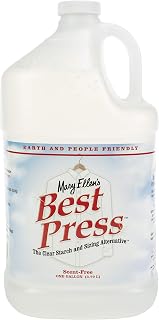
Mary Ellen Best Press Refills 1 Gallon Scent Free
Check PriceApplication technique matters as much as the starch itself. Follow these steps for a clean finish.
- Lay the fabric flat on a pressing mat or ironing board.
- Hold the bottle about 8 inches away from the fabric surface.
- Spray a light, even mist. Do not soak the fibers.
- Wait a few seconds, then press with a hot dry iron.
- Repeat on the other side if you need extra body.
Using too much starch can create a white film or make fabric stick to the iron. If that happens, wipe the soleplate with a damp cloth while the iron is unplugged and cool.
Pressing Techniques That Work Best With Spray Starch
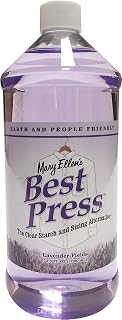
Mary Ellen Products Best Press Refills 33.8 Ounces Lavender
Check PriceQuilting is more about pressing than ironing. The difference is movement. When you iron, you slide the iron back and forth, which can distort seams. When you press, you lift the iron up and down in one spot. This is especially important after applying Press spray starch. The starch locks the fibers in place as heat hits the fabric. Use an up and down motion, then hold the iron for about three seconds on each seam. This sets the seam and helps the starch dry without shifting the block.
Scented or Scent Free Options for Sensitive Skin
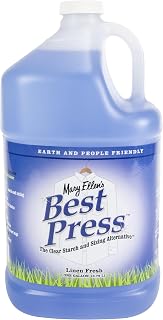
Mary Ellen Products Best Press Refills 1 Gallon Linen Fresh 128 Fl Oz
Check PriceMany quilters prefer scent free formulas to avoid headaches or skin irritation. Press spray starch comes in several light scents, such as lavender and linen fresh, but unscented versions are also widely available. If you sew in a small room or have allergies, a scent free product is a safe choice. If you enjoy a subtle fragrance while pressing, a lavender spray can make the process more relaxing. Always check the label for ingredients. Store the bottle away from direct sunlight to keep the fragrance and formula stable.
Refills and Bulk Sizes for Frequent Quilters
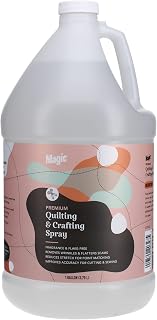
Magic Premium Quilting and Crafting Spray Best Press Spray Starch for Quilting
Check PriceSerious quilters go through starch quickly, especially during large piecing projects. Buying refills or gallon sizes reduces plastic waste and lowers the cost per ounce. You can refill a smaller spray bottle and keep the large container stored in a cool place. This setup works well if you press many yards at once or prep backings and borders. Use a funnel to avoid spills, and label the refill bottle clearly. A concentrated or ready to use refill will keep your quilting routine running without constant trips to the store.
Comparing Clear Starch Alternatives to Traditional Starch
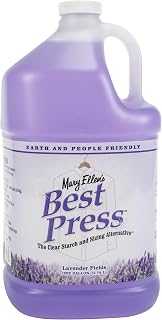
Mary Ellen Products 128 Ounce Best Press Gallon Refill Lavender
Check PriceTraditional starch can flake and leave a white residue on dark fabrics. Clear starch alternatives are formulated to dissolve evenly and leave no visible powder. They often contain fabric conditioners that help the iron glide. This is a major advantage when working with dark batiks, black solids, or richly printed fabrics. Using Press spray starch for quilting in a clear formula means you can prep all your pieces without fear of spots. It also rinses out with water, so your finished quilt remains soft after washing.
Common Mistakes When Using Press Spray Starch
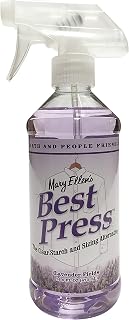
Mary Ellen Products Alt 16 Oz Starch Alternative Lavender Fields
Check PriceA few errors can make starch feel frustrating. Avoid these common pitfalls.
- Spraying too close, which causes wet spots and streaks.
- Pressing before the spray has a chance to penetrate the fibers.
- Using a cold iron, which does not activate the starch.
- Leaving starch on fabric for months, which can attract pests in humid climates.
- Oversaturating delicate fabric instead of applying thin layers.
If you notice flaking, dilute the spray slightly with distilled water or reduce the amount you apply.
Using Spray Starch for Piecing, Applique, and Bias Edges
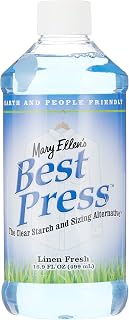
Mary Ellen Products Best Press Linen Fresh Spray Starch 16 Ounce
Check PriceSpray starch shines in detailed work. For paper piecing, starch helps seam allowances press flat and stay put. For applique, a light starch spray on the wrong side of the fabric makes turned edges easier to shape and finger press. For bias binding and curved seams, starch controls the stretch that often causes distortion. Many quilters also mist the outer edges of a block before measuring it. This reduces waviness and keeps the block square. The result is a cleaner finished top with less trimming.
How Spray Starch Helps With Quilting Cotton and Precuts
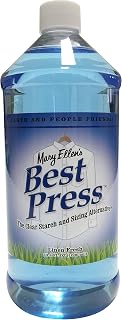
Mary Ellen 33.8 Ounce Best Press Refills Linen Fresh
Check PricePrecuts such as charm squares and jelly rolls arrive with folded edges and soft sizing. A light mist of Press spray starch returns body to the fabric, making it easier to cut and piece accurately. This is especially helpful when sewing narrow strips for log cabin or Dresden blocks. Pair your starch routine with a quality wool pressing mat for quilting to hold heat and create flat seams. Together they improve precision and reduce the need for aggressive pressing.
Storage and Shelf Life Tips for Press Spray Starch
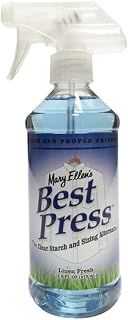
Mary Ellen Products 2 Pack Best Press Clear Starch Alternative 16 Ounce Linen Fresh
Check PriceProper storage extends the life of your starch. Keep the bottle tightly sealed and store it at room temperature. Avoid extreme heat, cold, or direct sunlight. If the nozzle clogs, remove it and rinse with warm water. Shake the bottle gently before each use to mix the formula evenly. Most Press spray starch products last for a year or more when stored well. If you notice a change in color or odor, discard the product. Clean the sprayer after each project if you use starch infrequently.
Frequently Asked Questions About Press Spray Starch
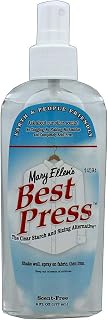
6oz Best Press Spray Scent Free
Check PriceCan I use Press spray starch on dark fabric
Yes. Clear formulas are ideal for dark fabric. Test a small scrap first to ensure no residue remains after pressing.
Does spray starch make quilts stiff
No. A light mist adds temporary body. After washing, the starch rinses out and the quilt returns to a soft feel.
Can I make my own spray starch at home
Some quilters mix cornstarch and water, but commercial Press spray starch is more consistent and less likely to clog or flake.
Press spray starch is a simple upgrade for any quilting space. It improves cutting accuracy, reduces seam distortion, and helps blocks fit together beautifully. Start with a light mist, press with a hot iron, and adjust the amount for your fabric type. With the right product and a steady pressing routine, your quilt tops will look flatter and more professional from the first block to the final border.
