
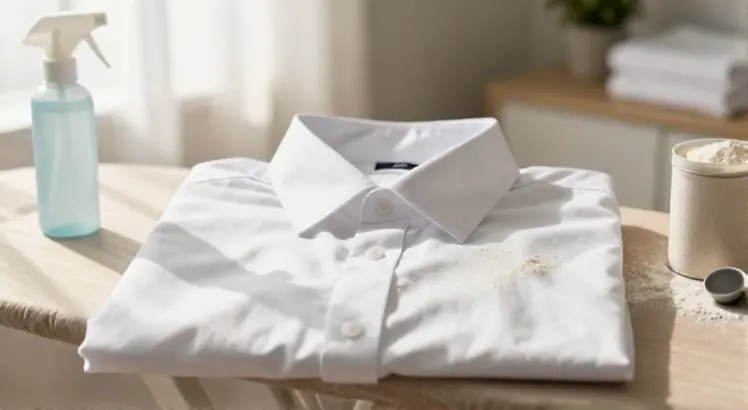
When you press a shirt, a quilt block, or a delicate sewing project, the finish you choose can make or break the result. Two contenders dominate the ironing station: traditional laundry starch and the newer Best Press formula. Both promise crispness, body, and easier handling of fabric. But how do they really compare? And which one deserves a permanent spot in your sewing toolkit?
This guide unpacks everything from ingredients and ease of use to residue, scorching risks, and value for money. By the end, you will know exactly when to reach for starch and when Best Press is the smarter choice.
Understanding Fabric Finishes: Starch and Sizing
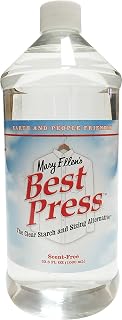
Mary Ellen Products Best Press Refills 33.8 Ounces-Scent Free
Check PriceFabric finishes are not a modern invention. For centuries, people have used starch to stiffen collars, give table linens a formal snap, and prepare cloth for precise cutting. Traditional laundry starch, often derived from corn, wheat, or rice, coats fibers with a thin, rigid layer. When heat from the iron activates it, the fabric becomes temporarily stiffer and smoother. This stiffening helps turn frayed edges into crisp, foldable lines, a huge benefit in garment sewing and quilting.
Sizing is a lighter cousin, adding minimal body without the crispness of starch. Best Press falls into a different category altogether: a clear starch alternative that contains no wheat or corn based starches at all. Instead, its unique liquid formula penetrates fibers to add a soft, controlled stiffness that resists flaking and washes out easily. Understanding these definitions sets the stage for a fair head to head comparison.
What Is Traditional Laundry Starch?
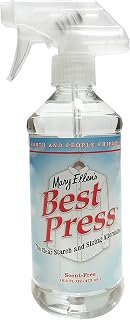
Mary Ellen’s Best Press Clear Starch Alternative 16.9oz, Scent-Free
Check PriceTraditional starch comes in powder or liquid concentrate form. You mix it with water according to how heavy a finish you want. Once dissolved, the mixture is applied to fabric either by dipping, spraying, or painting it on before ironing. The heat of the iron dries the starch and bonds it to the fibers, creating that familiar stiff, board like finish. For full details on the chemistry behind this process, this traditional laundry starch guide is a helpful resource.
One clear advantage is the degree of stiffness you can achieve. Heavy starch can make cotton stand up like paper, which is exactly what some sewists want when handling tricky bias edges or creating structured items. The downsides, however, are significant: mixing can be messy, the mixture can spoil if not used quickly, and many starches attract silverfish and other pests. Moreover, traditional starch tends to build up on the iron’s soleplate, leaving a scorched residue that can stain fabrics over time.
Introducing Best Press: The Modern Alternative
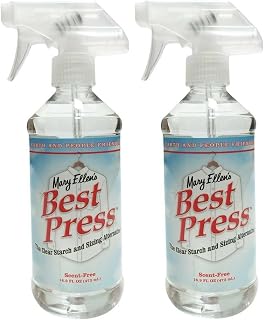
Mary Ellen’s Best Press -2 pack – Clear Starch Alternative Ironing Spray, Scentless, 16.9 oz
Check PriceMary Ellen’s Best Press entered the market as a revolutionary clear starch alternative designed specifically for sewists and quilters. Unlike traditional starch, it comes ready to use in a spray bottle. There is no mixing, no spoilage, and no sticky residue. The formula uses a proprietary blend that includes a small amount of silicone to provide a silky, non sticky crispness. It does not attract bugs and, critically, it will not scorch or turn brown on the iron’s plate.
Best Press is available in a variety of scents including lavender, linen fresh, and entirely scent free versions for those with sensitivities. For anyone who wants a crisp finish without the harsh stiffness of heavy starch, Best Press offers a middle ground that is functional, pleasant to work with, and forgiving on all fabric types from delicate silks to sturdy quilting cottons.
Ingredients and Formulation Showdown
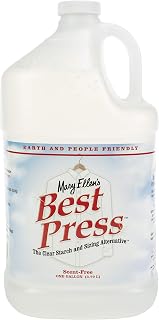
Mary Ellen’s Best Press Refills 1 Gallon-Scent Free
Check PriceTraditional starch relies on natural polymers. Think cornstarch, potato starch, or modified wheat protein. When water evaporates under heat, the starch molecules bond and create a brittle, hard film. That film can flake off as a white powder if the mixture was too concentrated or if the fabric is handled roughly before the starchy layer wears off. The film also leaves a coating that can dull needles and gum up sewing machine parts over long term use.
Best Press replaces those starches with a water based solution that includes a softening agent and a fine, synthetic polymer. This combination penetrates fiber rather than sitting on top of it. The result is a fabric that feels naturally crisp, not coated. The silicone component also lubricates the needle as you sew, which is a subtle but real benefit for machine piecing. No powder, no flakes, and zero attraction to insects makes Best Press a healthier choice for your sewing room and your fabrics.
The Perfect Crispness: Comparing Body and Stiffness
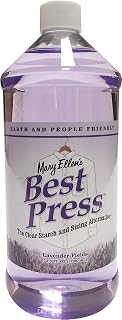
Mary Ellen Products Best Press Refills 33.8 Ounces-Lavender
Check PriceIf you are sewing a crisp men’s dress shirt collar or pleating a heavily structured garment, traditional heavy starch gives you a level of rigidity that Best Press cannot fully match. The stiffness is immediate and dramatic. However, for most sewing and quilting applications, that extreme boardiness is overkill. It can make fabric difficult to manipulate, cause needle breakage, and feel uncomfortable against the skin.
Best Press provides what many users call a soft crisp finish. Fabric holds a crease beautifully, resists shifting while cutting, and presses flat without losing its natural drape. For quilters, this is the sweet spot. Blocks stay true to size, seams lie perfectly flat, and the finished quilt retains a cozy hand. The controlled body eliminates the papery feel of heavy starch while still giving you all the precision you need.
Ease of Use and Convenience
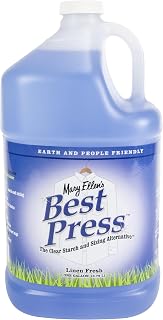
Mary Ellen Products Best Press Refills 1 Gallon-Linen Fresh, 128 Fl Oz
Check PriceMixing powdered starch requires measuring, dissolving in cold water first, then adding boiling water, and waiting for it to cool. The homemade mixture must be stored in the refrigerator if not used all at once, and it can turn moldy quickly. Large projects mean mixing large batches, and transferring the liquid into a spray bottle often leads to clogged nozzles.
Best Press arrives in a factory sealed spray bottle or gallon refill jug. You simply shake the bottle lightly and spray directly onto fabric. There is no measuring, no waiting, and no waste. The spray nozzle rarely clogs, and when the bottle empties, you can refill it from the economical gallon size. This grab and go convenience drastically reduces the time between deciding to press and finishing your project. For busy sewists, this advantage alone can tip the balance.
Residue, Flaking, and Fabric Buildup
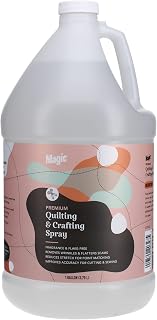
Magic Premium Quilting & Crafting Spray – Best Press Spray Starch for Quilting
Check PriceOne of the loudest complaints about traditional starch is the white flaking that appears on dark fabrics after ironing. Even when the mixture is properly diluted, the starch sits on the surface and can crack off. This residue also embeds itself in the iron’s steam vents and soleplate, requiring frequent cleaning. Over time, the buildup can transfer yellowish stains to lighter fabrics.
Best Press is engineered to leave no visible residue. Because it absorbs into the fibers rather than coating them, you will not see flaking even on black or navy cottons. The iron stays remarkably clean, and no sticky gunk accumulates on your pressing surface. If you ever need to re-wet a seam for re-pressing, Best Press re activates with a light spritz of water, whereas starch can turn gummy. This clean behavior extends the life of your iron and keeps your sewing projects pristine.
Scorching and Heat Sensitivity: Safety First
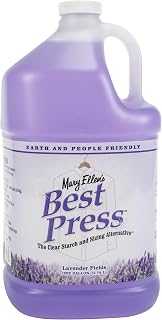
Mary Ellen Products 128-Ounce Best Press Gallon Refill, Lavender
Check PriceIf you have ever held an iron too long on a starched shirt, you know the acrid smell and the brown, scorched spot left behind. Traditional starch is essentially a food product, and like any carbohydrate, it burns under high heat. This scorching risk forces you to keep the iron moving and to avoid high temperature settings that might otherwise speed up your work.
Best Press is scorch resistant. Its formulation does not contain burnable starches, meaning you can use it with confidence on hot cotton settings without fear of browning. This property is especially valuable when pressing thick quilt seams or using a tailor’s clapper, where the iron may rest for a moment. A pressing spray that forgives a pause is a genuine time saver and fabric protector.
Fragrance and Sensory Experience
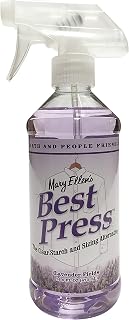
Mary Ellen Products Alt 16 Oz Starch Alternative, Lavender Fields
Check PriceTraditional starch has a neutral, sometimes slightly cooked scent when heated. It adds no pleasant fragrance to your sewing room. Some sewists even find the smell unappealing. Best Press, by contrast, turns pressing into a sensory pleasure. The lavender variety releases a soft, calming aroma that many associate with a clean and orderly workspace. Linen fresh evokes freshly laundered sheets, while the scent free version respects allergies and chemical sensitivities.
The fragrance is subtle and does not linger on fabrics after washing. It makes the process of ironing multiple quilt blocks far more enjoyable, transforming an often tedious chore into a soothing ritual. If fragrance is important to you, Best Press offers a clear edge.
Best Press in Quilting: A Game Changer
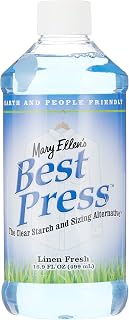
Mary Ellen Products Best Press Linen Fresh Spray Starch, 16 Ounce
Check PricePrecision piecing demands fabric that holds its shape, resists diagonal stretch, and lies perfectly flat at every intersection. This is where Best Press truly shines. A light spritz before cutting keeps the grain straight, and pressing after each seam locks the block into accuracy. Many quilters swear by the best press spray starch for quilting for flawless seams and square blocks every time.
Because Best Press does not leave a flaky residue, you can press open seams without worrying about white dust marring dark prints. The needle glides through the treated fabric smoothly, extending the time between needle changes. For an in depth look at how the product improves your workflow, explore our guide on using spray starch for precise piecing. It covers tips for applying just the right amount and achieving a perfectly flat block without over softening the hand.
When Traditional Starch Still Wins
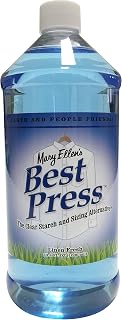
Mary Ellen’s 33.8-Ounce Best Press Refills, Linen Fresh
Check PriceDespite the many advantages of Best Press, there are scenarios where traditional starch is the better tool. Heirloom sewing, historical costume replication, and extreme fabric manipulation can call for heavy duty stiffness. When you need cotton organdy to behave like paper, nothing replaces a strong starch solution applied and ironed until the fabric is slick and rigid. Additionally, traditional starch is inexpensive and can be made from kitchen staples, which matters if you process large volumes of fabric on a tight budget.
Traditional starch is also preferred by some dry cleaners and traditional tailors who rely on commercial grade steam cabinets. If you are accustomed to a specific starching process and do not mind the upkeep, you may still choose it for shirts and table linens. However, for home sewists who prioritize speed, cleanliness, and versatility, the scales tip heavily toward Best Press.
Cost and Value: Penny Wise or Pound Foolish
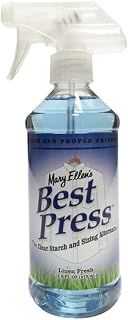
Mary Ellen Products (2-Pack Best Press Clear Starch Alternative 16 Ounce Linen Fresh
Check PriceOn the surface, a box of laundry starch costs less than a bottle of Best Press. But the true cost includes your time, iron maintenance, and potential fabric damage. The convenience of a ready to use, no mess spray is a tangible value, especially when you factor in how long a gallon of Best Press lasts. Many users report that a single gallon refill serves dozens of quilts, because a little fluid goes a long way when applied with a light touch.
Moreover, the risk of scorching or flaking with traditional starch can ruin a nearly finished project, which is far more expensive than the price difference between the two products. When you account for these hidden costs, Best Press often emerges as the smarter long term investment for quality driven crafters.
Frequently Asked Questions
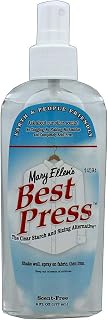
6oz Best Press Spray Scent Free
Check PriceCan I use Best Press on all fabric types?
Yes. Best Press is safe for cotton, linen, silk, synthetics, and blends. Always test on a hidden area first, but the formula is engineered to be gentle and residue free on everything from delicate batiste to heavy twill.
Does Best Press wash out completely?
Absolutely. The water soluble polymers and softening agents release fully in a standard laundry cycle, leaving no buildup that attracts dirt or insects.
Why does traditional starch sometimes turn yellow on fabric?
Organic starches can oxidize over time, especially when exposed to heat and light. Storage in a hot attic or repeated high heat ironing can accelerate yellowing. Best Press avoids this issue because it contains no organic starches that degrade.
Can I make my own starch alternative that works like Best Press?
Vodka and water mixtures or diluted liquid stabilizers offer some crispness, but they lack the anti stick and anti scorch properties of Best Press. For occasional light use these DIY options may work, but they rarely deliver the consistent, clean finish of a formulated product.
Is Best Press safe for antique quilts and vintage textiles?
Yes. Many conservation minded quilters use Best Press precisely because it is chemically stable and will not accelerate fiber degradation. The scent free version is especially recommended for historic fabrics.
How do I remove Best Press if I applied too much?
Simply re dampen the fabric with plain water and press again. The excess product will dilute and evaporate cleanly. Unlike starch, it will not turn gummy or require laundering.
With the facts laid out, the choice aligns with your priorities. If you crave extreme stiffness for period garments, traditional starch still holds its ground. For everyone else, the clean, convenient, and fragrantly versatile Best Press redefines what a pressing aid can do. Your iron stays spotless, your quilts lie flat, and your sewing room smells like a field of lavender or freshly washed linen. Upgrade your pressing ritual and feel the difference in every stitch.
