
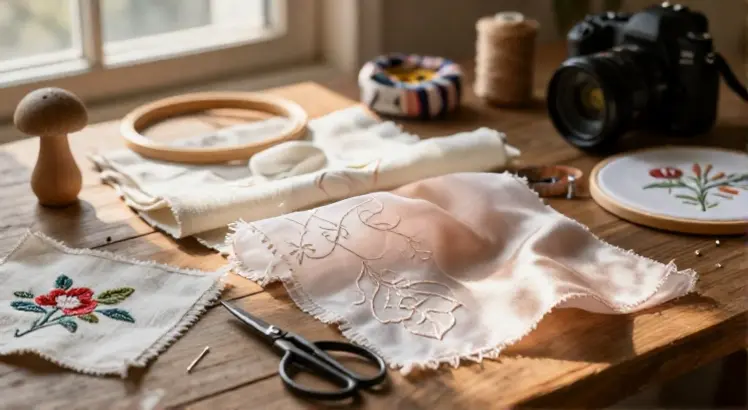
Every embroidery project starts with one crucial decision, the fabric itself. The weave, fiber content, and weight of your cloth determine how easy it is to stitch, how the finished piece drapes, and how long your work will last. A carefully chosen background enhances your thread work and prevents frustrating snags or puckers. Understanding the many types of embroidery fabrics lets you pick the perfect canvas for anything from delicate floral motifs to heavy beadwork.
Beginners often wonder if they can simply grab any piece of leftover cotton. While that sometimes works, certain fibers make stitching smoother and highlight your intricate details better. Fabrics with a stable weave, like a tightly woven cotton or linen, keep your patterns crisp and even. On the other hand, loose, stretchy textiles can distort your design and lead to uneven tension.
In this guide we will walk you through the most popular options available today. You will discover the distinct characteristics of natural fibers, synthetics, and specialty beading foundations. We will also share actionable tips to help you match the right fabric to your technique, whether you are stitching freehand, following a pattern, or adding dimensional embellishments.
Why Choosing the Right Embroidery Fabric Can Make or Break Your Project
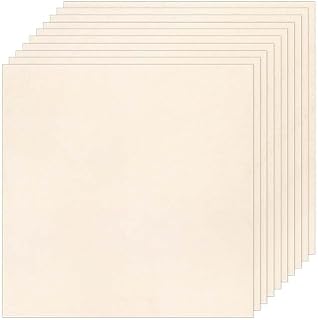
10 PCS Beige Natural Cotton Embroidery Fabric Cloth (5.9 × 5.9 Inch)
Check PriceThe fabric you select directly impacts needle penetration, stitch definition, and overall comfort while you work. A high quality fabric keeps your thread from sinking into the fibers and disappearing. It also provides a consistent, smooth surface that allows your needle to glide without excessive resistance. When you pair the wrong base cloth with a heavy stitch style, you risk pulled threads, distorted patterns, and hand fatigue.
Stability is a key factor. Fabrics like weaves that shift easily, or those with a loose open structure, often require a stabilizer to prevent bunching. For hand embroidery, a medium weight, tightly woven cotton or linen offers the ideal balance of drape and firmness. This type of best embroidery fabric for beginners helps you master even tension without complicated hooping tricks.
Your end use also guides the choice. A garment that needs to be washed frequently calls for a colorfast, durable fabric like a cotton broadcloth. Display pieces behind glass can tolerate more delicate, sheer materials such as silk organza. Always consider how the finished embroidery will be displayed, worn, or cleaned before you stretch your first thread.
Natural Fibers: Cotton, Linen, and Silk for Embroidery
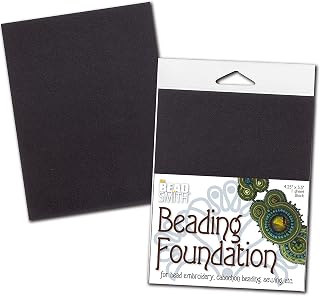
The Beadsmith Beading Foundation – 4.25 x 5.5 inches – Black Fabric
Check PriceNatural fibers are the backbone of traditional embroidery. They breathe well, have a soft hand, and accept needle work beautifully. The three most revered options are cotton, linen, and silk. Each brings distinct qualities to the hoop that can elevate your artistic expression.
Cotton Embroidery Fabrics
Cotton is the most accessible and beginner friendly fabric. Quilting cottons, muslin, and broadcloth are all popular choices because they have a tight, even weave that holds stitches neatly. The affordability of cotton lets you practice freely without worrying about costly mistakes. Pre cut cotton squares like the ones featured in many starter kits are especially handy for small hoops and sampler designs.
If you are still building confidence, it helps to learn if muslin is suitable for your first few projects. Unbleached muslin is a budget friendly, versatile option that works well for learning basic stitches. Just be aware that its slightly looser weave may require a hoop to maintain consistent tension. Overall, cotton’s forgiving nature makes it the go to recommendation for new embroiderers.
Linen and Silk Blends
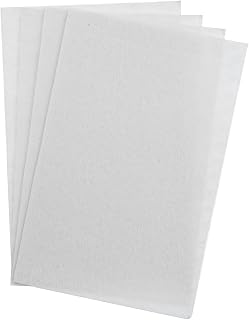
John Bead GoodFelt Beading Foundation 1.5mm 5x8in 4pcs White
Check PriceLinen offers a luxurious natural slub texture that adds depth to your stitches. It is stronger than cotton and becomes softer with each wash, making it perfect for heirloom table runners and garments. Many advanced stitchers adore evenweave linens for counted thread techniques because the threads are visually prominent. The slightly crisp feel of linen holds the fabric firmly in place, reducing the need for excessive stabilizing.
Silk fabric and silk blends sit at the top tier of embroidery grounds. Their lustrous sheen beautifully complements metallic threads and intricate satin stitches. Working with silk, however, demands a gentle hand and a very sharp needle. The fabric is slippery and can show puncture marks, so it is best reserved for experienced stitchers creating special occasion pieces.
Synthetic and Blended Fabrics Every Stitcher Should Know

FINGERINSPIRE 12 Sheet Stiff Stuff Beading Foundation White 5.9×3.93inch
Check PriceModern embroidery often ventures beyond natural fibers. Synthetics and blends provide unique properties such as stretch, shimmer, or extreme durability. Knowing how to work with these textiles opens up design possibilities for accessories, activewear, and experimental mixed media art.
Polyester Blends and Organza
Polyester cotton blends offer the best of both worlds, the breathable comfort of cotton with the wrinkle resistance of polyester. These fabrics are great for embroidered home décor items that need to hold up to regular use. Polyester organza, a sheer and crisp fabric, creates a stunning effect when floral motifs are stitched on its see through surface. The transparent background gives layered projects a delicate, ethereal dimension.
The key to embroidering on synthetic organza is using a light, even tension and a fine needle. A hoop is absolutely essential to keep the slippery material from shifting. Backing your organza with a wash away stabilizer will prevent the fabric from puckering under dense stitching. This technique delivers a clean, professional finish on translucent layers.
Felt and Performance Synthetics
Felt, whether made of wool or acrylic, is a non woven fabric that will not fray. This makes it exceptionally easy to work with for appliqué and freestanding embroidery. Its soft, slightly fuzzy surface holds stitches well and allows for dense coverage without distortion. Felt is widely used in crafting ornaments, patches, and children’s toys.
For functional items like backpacks and jackets, sturdy nylon or cordura remains a popular canvas. These tough synthetics require a sharp needle and strong thread but yield embroidery that withstands rugged outdoor use. Always test your stitch density on a scrap of the performance fabric first. Adjusting your machine or hand tension prevents the design from pulling too tight on the unforgiving surface.
Specialty Fabrics: Canvas, Evenweave, and Beading Foundations
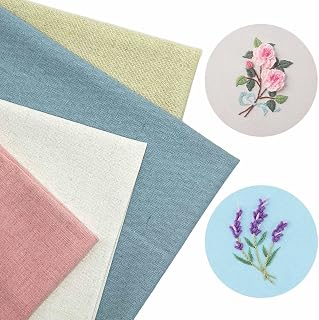
4pcs Nature Linen Needlework Fabric, Kurilai Solid Colour Embroidery Fabric
Check PriceSome embroidery techniques demand a highly specialized foundation. Canvas work, traditional needlepoint, and bead embroidery all rely on fabrics that can support heavy threads, dense stitches, and the weight of crystals. These substrates are engineered to hold their shape and provide a perfect grid for precision stitching.
Canvas and Aida Cloth
Mono needlepoint canvas has a stiff, open mesh that is ideal for tapestry wool work. Aida cloth, popular in cross stitch, features an easily countable grid of squares. Both materials are classic choices for beginners learning counted embroidery because the holes guide your needle placement perfectly. They completely eliminate the guesswork of maintaining even stitch spacing.
When working on canvas, using a blunt tapestry needle prevents you from accidentally splitting the canvas threads. A frame is often better than a hoop because it keeps the stiff fabric uniformly taut without distorting the weave. This setup allows you to apply consistent tension when pulling thick wool or pearl cotton through the rigid openings.
Beading Foundations and Stiff Stuff
Bead embroidery requires a very stable, non fraying backing. Products like Stiff Stuff and various beading foundations are thick, compressed sheets that hold heavy beads securely. Unlike regular fabric, these foundations do not require a hoop and can be cut into any shape. They are an absolute game changer for creating intricate beaded jewelry and statement brooches.
The Beadsmith beading foundation and GoodFelt sheets offer a smooth, dense surface that resists warping. You simply glue, stitch, or attach your cabochons and seed beads directly onto the material. Because the foundation remains rigid, your finished piece maintains its form beautifully. Pairing these tools with a fine beading needle, like those in a beading needle set, makes the process much more enjoyable.
How to Select the Best Fabric for Your Specific Embroidery Style
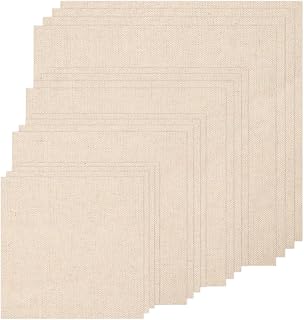
16 PCS Beige Linen Needlework Embroidery Fabric Cloth (Pre-Cut Different Sizes)
Check PriceMatching the fabric to your technique is the secret to a polished result. A fabric that works wonderfully for delicate surface stitching may be a disaster for heavy textured knots. This section breaks down the ideal choices for the most common embroidery styles, so you can walk into the craft store with confidence.
- Surface Embroidery and Crewel: Tightly woven linen or cotton twill. The smooth surface lets your stem stitches and satin fills stand out, while the firm grip of the fabric keeps dense filling from puckering.
- Cross Stitch and Counted Work: Evenweave linen or Aida cloth. The precise thread count ensures all your X shaped stitches are the exact same size, creating a beautiful uniform pattern across the entire project.
- Stumpwork and 3D Embroidery: A tightly woven cotton calico covered with a layer of felt. This provides a solid base that can support wired leaves and raised padding without collapsing or tearing.
- Bead Embroidery: A stiff beading foundation like GoodFelt or Stiff Stuff. These dense non woven sheets hold heavy glass beads, sequins, and crystals perfectly flat, and no hoop is required.
Consider your thread weight as well. A heavy pearl cotton requires a fabric with enough strength and open spaces to accommodate its thickness. Fine silk threads demand an equally refined ground with a high thread count. By balancing these elements you avoid the frustration of a needle that is too large or a thread that saws through delicate fibers. For more insights, this guide to embroidery fabrics on The Spruce Crafts is a helpful external reference.
Common Mistakes When Picking Embroidery Fabrics and How to Avoid Them
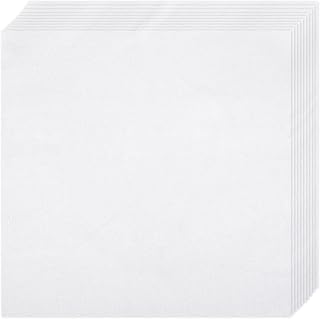
10 PCS White Cotton Embroidery Fabric Cloth (9.8 × 9.8 Inch)
Check PriceEven experienced stitchers occasionally grab the wrong fabric for a project. The most frequent misstep is choosing a very stretchy knit for freehand embroidery. Without proper stabilizing, your beautiful design will pucker and warp badly once you release the hoop. Always back stretchy or loosely woven fabrics with a firm iron on interfacing before you start stitching.
Another common error is ignoring thread count and fiber content. A coarse, loosely woven jute may look rustic and charming, but it will fray badly and snag your precious silk threads. For heirloom quality work, always test your fabric first. Stitch a small sample motif in the corner to see how the material reacts to needle, thread, and tension.
Finally, never skip pre washing your fabric, especially for natural fibers. Cotton and linen can shrink significantly after their first wash. If you stitch on unwashed fabric and later clean the piece, the ground will shrink around your embroidery. This causes ugly puckering and permanently ruins the flat, smooth appearance you worked so hard to achieve.
Frequently Asked Questions About Types of Embroidery Fabrics

DMC Linen Fabric – 28 Count – Cream
Check PriceWhat is the absolute best fabric for a complete beginner to embroidery?
Quilting grade cotton or a pre cut cotton square is the best choice. It has a tight weave that prevents stitches from pulling through, it is very affordable, and it does not stretch. The stable surface gives beginners a forgiving platform to learn consistent tension without fighting the fabric.
Can I use polyester or synthetic fabric for hand embroidery?
Yes, you absolutely can. The most important step is to fuse a lightweight, iron on stabilizer to the back of the synthetic fabric first. This prevents the slippery synthetic fibers from puckering and distorts. Polyester organza and high quality felt are two popular synthetic options that stitch up beautifully.
Do I really need a special beading foundation for bead embroidery?
While you can bead on fabric backed with a stabilizer, a dedicated beading foundation yields vastly superior results. The dense, stiff material prevents bumpy textures and does not collapse under the weight of heavy beads. It also eliminates the need for a hoop, making the beading process faster and more precise.
How do I prevent my linen fabric from warping in the hoop?
Always bind the edges of your linen with masking tape or bias tape to stop fraying. When you place it in the hoop, stretch the fabric evenly in a drum tight manner. If the fabric still feels slubby and loose, lightly mist it with water, which will shrink the fibers tight as it dries and secure your stitching ground.
Build Your Embroidery Fabric Stash with Confidence

GoodFelt Beading Foundation 1.5mm 8.5x11in 4pcs White
Check PriceExploring the many types of embroidery fabrics is a journey that directly enhances your finished art. From the soft comfort of natural cotton to the rigid reliability of beading foundations, each textile serves a unique purpose. Understanding the properties of different weaves empowers you to sew with control, avoid distortion, and protect your work for years to come.
The right fabric does more than just hold thread, it becomes an integral part of the visual story you are telling. A richly textured linen adds rustic warmth, while a glossy silk backdrop screams elegance. Never underestimate the power of the background in making your embroidered colors and textures pop.
Start building your personal stash with a small selection of high quality cottons, a linen blend, and a pack of stiff beading sheets. Test different materials with your favorite stitches to feel the difference firsthand. As your confidence grows, you will be able to select the perfect ground for any pattern, needle, or thread with complete creative freedom.

Disclosure: As an Amazon Associate, we earn from qualifying purchases at no extra cost to you. Our posts are created with AI tools and human editing.