
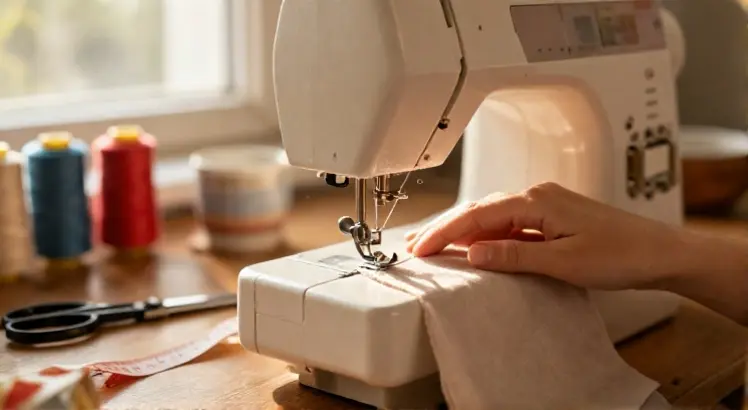
Getting comfortable with your machine is the first and most important step. Every table top sewing machine has the same core parts, even if they look slightly different. Learning what each part does will make the whole process much smoother and less intimidating.
Start by finding the power switch, the handwheel, the presser foot lever, and the stitch selector. The handwheel lets you manually move the needle, which is very useful for careful work. The presser foot holds your fabric flat while the feed dogs underneath move it along at an even pace.
Consult your machine manual to identify specific features. Many modern machines have a top drop in bobbin, a free arm for sewing sleeves, and adjustable stitch width. Do not worry if it feels like a lot to remember at once because it will become second nature with a little practice.
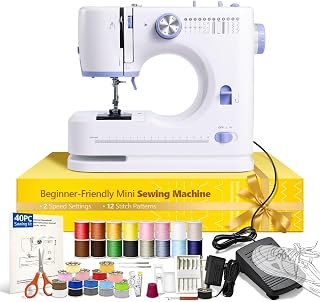
Portable Tabletop Beginner Mini Sewing Machine for Home Use
Check PriceSetting Up Your Machine Correctly
A proper setup is the key to avoiding frustration later. Place your machine on a sturdy, flat table where you have room to guide fabric. Ensure the power cord is out of the way to prevent it from catching on your chair or feet while you work.
Plug in the machine and turn on the power switch, usually located on the right side. Before threading, raise the needle to its highest position by turning the handwheel toward you. This simple step prevents the needle from getting snagged or bent during the threading process and makes the eye easier to reach.
Attach your presser foot if it is not already on the machine. Check that the standard zigzag foot or a straight stitch foot is securely clipped into place. You should hear a click when it locks onto the shank, ensuring it will not slip off while you are stitching at high speed.
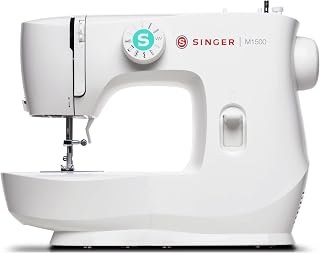
SINGER M1500 Lightweight & Portable Sewing Machine
Check PriceThreading the Upper Thread Path
Threading the top of the machine seems complicated, but it always follows a specific path. Start by placing a spool of thread on the spool pin and secure it with the cap. Pull the thread through the top thread guide, then down toward the needle area following the arrows printed on the machine.
Wrap the thread around the tension dial in the specified direction. Make sure the thread clicks firmly between the tension discs to ensure proper stitch formation. If the thread is not inside the tension discs, you will end up with loopy, tangled stitches on the bottom of your fabric.
Guide the thread down to the needle and thread the needle from front to back. Many machines have a built in needle threader to help with this step. Pull about six inches of thread through the eye and lay it toward the back of the machine, away from your starting point.
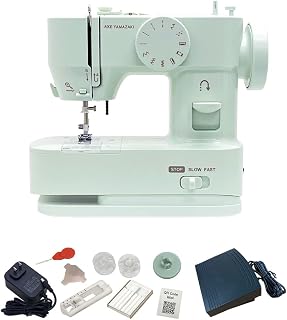
AXE YAMAZAKI YS-10 Sewing Machine
Check PriceWinding and Inserting the Bobbin
A well wound bobbin is essential for smooth sewing. Place an empty bobbin on the bobbin winder spindle and push it against the stopper. Follow your machine instructions to disengage the handwheel so the needle does not move while you are winding thread onto the bobbin.
Run the thread from your spool through the bobbin winding tension guide and wrap it around the empty bobbin a few times. Press the foot pedal or press the start button to begin winding. The machine will stop automatically or you will stop when the bobbin is full and tight.
Drop the wound bobbin into the bobbin case with the thread spinning counterclockwise. Pull the thread through the small slot and guide it under the tension spring. Replace the cover and you are ready to draw up the bobbin thread for your first stitch on a table top sewing machine.
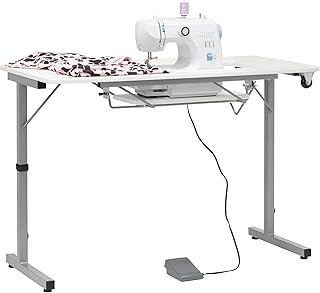
Rollaway II Compact Portable Folding Sewing Table
Check PriceMaking Your First Stitches
Begin with a scrap piece of fabric to test your settings. Place the fabric under the presser foot and lower the foot using the lever on the back. Hold the thread tails behind the presser foot for the first few stitches to prevent them from being pulled into the machine.
Use the foot pedal slowly at first to control your speed. Guide the fabric gently with your hands but never push or pull it. The feed dogs on the table top sewing machine will move the fabric automatically, and forcing it can break needles or bend the needle shaft.
To secure a seam, use the reverse lever to sew a few stitches backward. Then switch back to forward and stitch to the end of the fabric. Raise the needle, lift the presser foot, and pull the fabric away to the left before snipping the threads with the thread cutter on the side.

Brother XM2701 Portable Sewing Machine
Check PriceAdjusting Tension and Stitch Settings
Stitch quality depends on the balance of the top and bottom tension. Most fabrics sew perfectly with the tension dial set to four or five. If you see loops on the bottom of the fabric, the top thread is too loose, and you should increase the tension number.
If you see gathering or puckering on the top, the top tension is too tight. Decrease the tension dial slightly and test again on a new scrap. Always test after adjusting tension to avoid ruining your actual project with wonky stitches and unsightly thread nests.
Select the right stitch for your project using the dial or digital panel. A straight stitch is best for basic seams, while a zigzag is used for stretchy fabrics and edge finishing. Refer to your manual for the recommended settings for different fabric types like denim or satin.
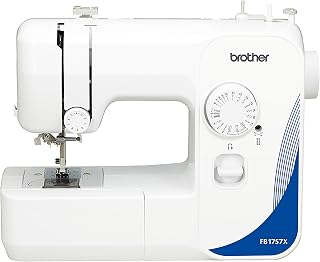
Brother FB1757X Mechanical Sewing Machine
Check PricePracticing Straight Lines and Corners
Controlling the fabric is the hardest part of learning how to use a table top sewing machine. Do not watch the needle while you sew. Instead, keep your eyes on the edge of the fabric as it lines up with the seam guide markings on the metal plate.
To sew a corner, stop with the needle down in the fabric. Lift the presser foot, pivot the fabric around the needle, and lower the foot again. Continue sewing in the new direction, keeping the fabric aligned with your chosen seam allowance for a crisp, professional turn.
Practice by sewing pages of lined paper without thread in the machine. This is a cheap and effective way to train your hand eye coordination. The holes left by the needle will show you how steady your line of stitching really is.

Brother CS5055 Computerized Sewing Machine
Check PriceSewing Different Fabric Types
Different materials require different needles and techniques. Fine fabrics like silk need a sharp, fine needle to avoid snags. Heavy materials like canvas require a larger needle designed to punch through dense fibers without breaking under the strain of the motor.
Stretchy fabrics should be sewn with a ballpoint needle and a zigzag stitch. This allows the seam to stretch with the fabric without popping. If you are working with lint heavy fabrics, check out tips for tablecloth fabric or sewing canvas to understand fiber behavior.
Always test your needle and thread combo on a scrap of your actual project fabric. This ensures you get the tension and stitch length right before committing to the final garment or quilt. It saves time and prevents damage to expensive materials, even when your table top sewing machine is brand new.

Brother XR3774 Sewing and Quilting Machine
Check PriceBasic Maintenance and Cleaning
Regular cleaning keeps your machine running smoothly for years. Turn off and unplug the machine before opening the bobbin area. Use the small brush that came with your machine to sweep out dust, lint, and broken thread bits from the feed dogs and bobbin case.
Lint buildup is the number one cause of machine jams and timing issues. If you sew often, clean the bobbin area after every project. You should also apply a drop of sewing machine oil to the moving parts if your manual requires it for your specific model.
Change your needle frequently, ideally after every eight hours of sewing. A dull needle leads to skipped stitches and damage to fabric. The CDC ergonomics guidelines also remind us that a well maintained machine reduces strain on your hands and back. Keep your machine covered when not in use to prevent dust accumulation.
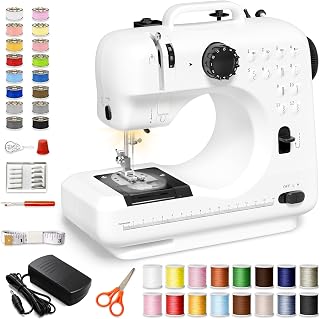
Portable Tabletop Beginner Mini Sewing Machine (Black)
Check PriceComparing Mechanical vs Computerized Models
Table top machines come in two main forms. Mechanical machines use dials and knobs to adjust stitch width, length, and selection. They are durable, easy to repair, and often cheaper, making them excellent for beginners who want to learn the fundamentals without digital distractions.
Computerized machines have a digital screen and push buttons for stitch selection. They often include automatic features like thread cutters, needle up and down positioning, and speed control. These features are convenient, but they also mean more electronics that could potentially fail over time.
A mechanical model is perfect for straight sewing and heavy work. A computerized unit is better for decorative stitches and quilting. Consider your own skill level before investing, as a table top sewing machine with a walking foot can handle almost any home project.
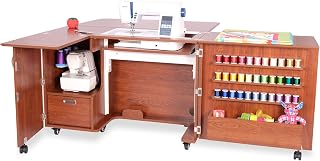
Arrow Sewing Cabinet K8405 Wallaby II
Check PriceSelecting the Right Needle and Thread
The needle is the most important tool on your machine. Universal needles work for most woven fabrics, but knits need a ballpoint. Sharp needles are for silks and tightly woven materials, while denim needles are reinforced to handle thick layers without bending out of alignment.
Thread weight matters too. All purpose polyester thread is strong and flexible for most sewing. Cotton thread is beautiful for quilting but may snap easier on high speed machines. Always match the thread fiber to the fabric fiber for the best results on your table top sewing machine.
Check that your needle is inserted correctly with the flat side facing the back. If the needle is not pushed up all the way into the clamp, it will miss the bobbin hook and skip stitches. Tighten the needle screw firmly to prevent the needle from falling out during a seam.

Foldable Sewing Machine Table with Adjustable Platform
Check PriceTroubleshooting Common Issues
Skipped stitches are almost always caused by the wrong needle or a bent needle point. Replace the needle with a fresh one of the correct type for your fabric. Re thread the machine top and bottom to ensure the thread is seated properly in the tension discs.
A bird nest or thread jam under the fabric means your top thread is not in the take up lever. Raise the presser foot to open the tension discs, then completely re thread the top of the machine. Remember that threading with the presser foot down prevents the thread from entering the tension.
If the machine is loud or binding, it likely needs oil. Consult your manual for lubrication points and apply one drop only. A table top sewing machine should purr quietly, not clatter, so if the noise continues, take the machine to a professional technician for a tune up.
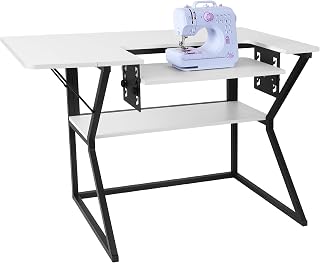
Large Sewing Machine Table with Adjustable Platform
Check PriceHelpful Accessories for Beginners
A few extra tools make sewing much easier. A seam ripper is essential for fixing mistakes and unpicking basting stitches. Tailor scissors dedicated only to fabric will stay sharp longer and cut cleanly without fraying your edges or making your hands tired.
Magnetic seam guides help you keep a straight line on the metal plate. A magnetic pin cushion keeps your pins organized and easy to reach while you work. These small investments improve your accuracy and speed when using a table top sewing machine and build your confidence.
Invest in a table or cabinet that brings the machine bed level with the surface. This supports larger projects like quilts and prevents the fabric from dragging. Check out best sewing tables to find a stable setup that fits your budget and your room size.
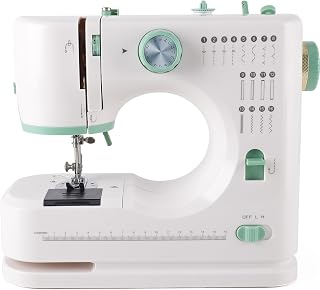
Twin Needle Sewing Machine, 16 Stitches Double Thread
Check PriceFrequently Asked Questions
Why is my thread bunching up underneath the fabric?
Bunching on the bottom is almost always a top threading issue. The top thread is not in the tension discs, often because you threaded with the presser foot down. Raise the foot, unthread completely, and re thread slowly following the guides.
How often should I oil my sewing machine?
Refer to your manual for the exact frequency. Generally, oil after eight to ten hours of active sewing time. Use only clear sewing machine oil, never household or cooking oil, as those will gum up the internal parts and seize the motor.
Do I need a special table for a table top machine?
You can use any sturdy desk or counter. However, a dedicated sewing desk with a drop in platform reduces vibration and supports large fabric pieces. This prevents drag and keeps your seams straight when handling heavy projects like denim or quilts.
What is the easiest stitch for a beginner to learn?
The straight stitch is the foundation of all sewing. Set your stitch length to 2.5mm for standard seams. Practice sewing straight lines and pivoting corners on paper before moving to fabric to build muscle memory and confidence quickly.
Conclusion
Learning how to use a table top sewing machine is a rewarding skill that unlocks endless creative potential. Start with the basics of threading and tension, then practice straight lines until the movement feels natural. Mastery comes from patience and repetition, not from rushing into complex projects immediately.
Keep your machine clean and your needle sharp to avoid unnecessary frustration. Use the right tools for the job, including the correct needle and thread for your specific fabric. With these skills, you will be ready to tackle simple clothing, home decor, and embroidery projects in no time.
Remember that every expert was once a beginner who made messy seams and tangled threads. Embrace the learning process and enjoy the satisfaction of creating with your own two hands. Now thread up that machine and start stitching your first project today.

Disclosure: As an Amazon Associate, we earn from qualifying purchases at no extra cost to you. Our posts are created with AI tools and human editing.