
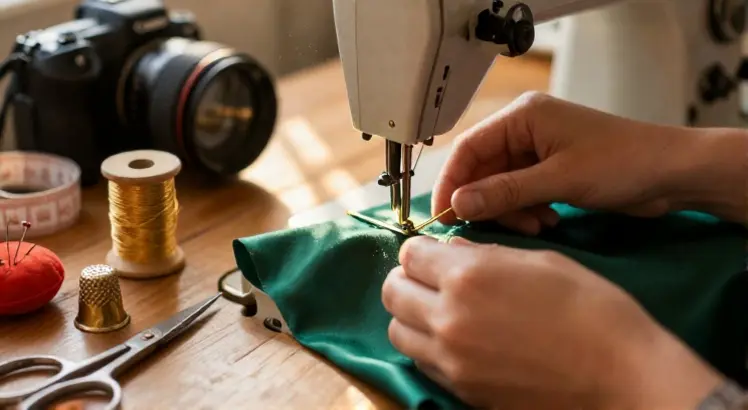
Shiny, reflective stitches can transform any project from plain to spectacular. However, many sewists find sewing with metallic thread intimidating. It snaps, frays, and tangles if you are not prepared. But once you understand the right techniques, you can add a luxurious shimmer to your garments, quilts, and embroidery work with confidence. This guide breaks down everything you need: from choosing the best metallic thread to adjusting your machine settings.
Why Choose Metallic Thread for Your Projects
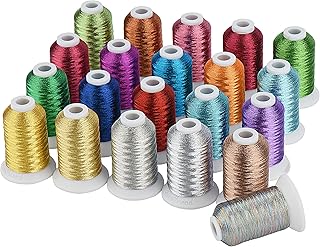
Simthread Best 21 Colors Metallic Embroidery Machine Thread Kit
Check PriceThere is a reason sewists love metallic finishes. A subtle silver outline on a quilt border, a sparkling gold monogram on a jacket, or festive Christmas stitching on a table runner all catch the light beautifully. Using metallic thread adds dimension and a professional, high-end look. Unlike standard cotton or polyester, this speciality thread contains a polyester or nylon core wrapped with a metallic foil. This construction gives it that signature shimmer but also creates the common headaches beginners face.
If you have avoided decorative stitching because you think it is too complicated, rest assured. By following a few simple setup steps, you can master sewing with metallic thread just like you learned to handle delicate silks or heavy denim.
Common Challenges and How to Overcome Them
Before we dive into the step-by-step method, it helps to understand why metallic thread behaves differently. The main issues you will encounter are:
- Frequent thread breaks due to friction and heat
- Uneven tension causing loops or skipped stitches
- Fraying and shredding as the foil separates from the core
- Tangles and nesting when the thread twists too much
Each of these problems has a practical solution. The secret is in your needle choice, machine speed, and thread path setup. We will cover all of them.
Essential Tools for Sewing with Metallic Thread
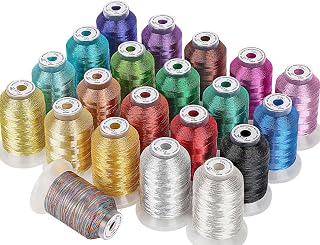
New brothread 21 Assorted Colors Metallic Embroidery Machine Thread Kit
Check Price1. The Right Needle
A universal needle is the first enemy of metallic thread. You need a needle with a larger, smoother eye to reduce friction. A metallic needle or a topstitch needle in size 80/12 or 90/14 works best. The elongated eye protects the delicate foil and prevents shredding. If you are doing dense embroidery, consider a titanium-coated needle that stays cooler.
2. Quality Metallic Thread
Not all metallic threads are created equal. Cheap versions shed metallic flakes that clog your machine. Invest in a reputable brand known for smooth delivery. We have tested many options and you can find a curated list in our guide to the best metallic embroidery threads. Look for threads labeled as ‘machine embroidery’ or ‘multi-purpose’ with a flexible nylon core. Flat, ribbon-like metallic threads often perform better than round ones because they lie flatter against the fabric.
3. Stabilizer and Backing
Even with perfect tension, metallic stitches can pull and pucker lightweight fabrics. A stabilizer is non-negotiable. For machine embroidery, use a medium-weight cutaway stabilizer. For decorative topstitching, a tear-away stabilizer under the fabric provides a smooth foundation. You can also use a water-soluble topping on fluffy fabrics like fleece to prevent the thread from sinking into the pile.
4. Thread Stand and Guides
Metallic thread on a horizontal spool pin will feed unevenly and cause twisting. A vertical thread stand lets the thread unwind in a straight line, reducing the spiral effect that leads to snapping. Always thread your machine carefully, following the exact path, and avoid using the built-in thread cutter if possible; it can fray the next stitch.
Step-by-Step: Setting Up Your Machine for Metallic Thread
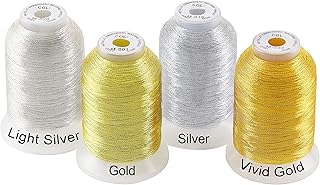
New brothread Metallic Embroidery Machine Thread – 2 Gold + 2 Silver Colors
Check PriceNow, let us walk through a reliable setup sequence. This method works on most home sewing and embroidery machines.
Step 1: Wind the Bobbin with Regular Thread
Keep metallic thread on the top only. Wind your bobbin with a fine polyester or cotton thread that matches your fabric or a neutral color. Polyester bobbin thread reduces lint and provides a smooth lockstitch. The metallic top thread will sit beautifully on the right side, and the bobbin thread will not compete.
Step 2: Lower the Top Tension
Metallic thread is stiffer than regular thread and often needs less tension. Start by decreasing your top tension dial by one or two numbers. For example, if your normal setting is 4, try 2.5 or 3. Test on a scrap of the actual fabric and stabilizer sandwich to see if stitches look balanced. A slight loosening prevents the thread from snapping.
Step 3: Slow Down Your Stitching Speed
High-speed stitching generates heat, and heat is the number one cause of metallic thread breakage. Slow your machine to half speed or even slower. If you have a speed control slider, set it to the lowest or middle setting. The controlled, steady pace allows the needle to pierce smoothly and the thread to glide without overheating.
Step 4: Use a Thread Net or Lubricant
If your thread spool is large or wobbly, slip a reusable thread net over it. This keeps the thread feeding evenly. Some sewists also use a specialized silicone thread lubricant (like Thread Magic) to coat the metallic thread lightly. If you apply a conditioner, clean the needle eye afterward to remove any buildup.
Step 5: Choose the Right Stitch
Metallic thread truly shines in straight stitches, zigzag, decorative stitches, and embroidery designs. Avoid dense satin stitches over 4mm width unless your thread and machine can handle it. A narrow satin stitch or a simple outline is safer. For free-motion quilting, use a metallic needle and keep your movement fluid to minimize thread friction.
A pro tip: always test your setup on a fabric scrap stacked with the same stabilizer you intend to use. Run at least a 4-inch line of stitching to check for skipped stitches or tension issues. It is much easier to tweak the settings now than to unpick metallic thread later.
Troubleshooting Common Metallic Thread Problems
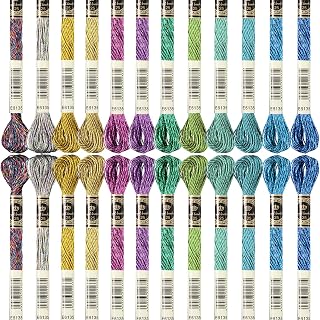
WILLBOND 24 Pcs Metallic Embroidery Floss Cotton Stitch Thread
Check PriceEven with preparation, you might face hiccups. Here is how to fix them fast.
Thread Keeps Breaking Every Few Stitches
Check your needle. Is it new? A slightly worn needle will snag metallic thread immediately. Replace the needle with a fresh metallic or topstitch needle. Also, re-thread the machine, making sure the thread is not catching on any rough spots. Switch to a vertical thread feed. If the problem persists, lower the top tension further and test again.
Stitches Look Loopy or Uneven
Uneven tension often comes from a mismatch between top and bobbin. Try a different bobbin thread, such as a fine 60-weight polyester. Increase the bobbin tension slightly if your machine allows, though that is less common. Often, simply selecting a quality bobbin fill like pre-wound bobbins solves the issue. For more details on machine adjustments, see our complete guide on using metallic thread that covers tension tweaks in depth.
Lots of Metallic Dust in the Machine
Low-quality metallic threads shed foil flakes. Stop and clean your machine frequently: remove the needle plate, brush out the bobbin area, and wipe down the top thread path. Using a lint-free cloth and a small vacuum attachment keeps the feed dogs free. If you see heavy shedding, switch to a reputable brand immediately.
Creative Project Ideas Using Metallic Thread
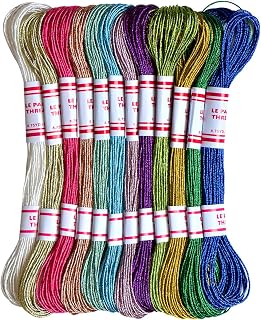
12 Skeins Metallic Embroidery Floss Assorted
Check PriceOnce you feel confident, you will want to add shimmer everywhere. Here are a few inspiring ways to use your new skills:
- Quilt binding and topstitching: A gold or silver metallic straight stitch along quilt blocks gives a subtle, elegant frame.
- Holiday table linens: Embroider snowflakes or stars on napkins with silver metallic thread for a festive touch.
- Garment details: Add a metallic zigzag along a cuff, collar, or pocket edge on a denim jacket. It mimics the high-end couture look.
- Free-motion art quilts: Use metallic thread to highlight water ripples, stars, or abstract lines. The texture pops against matte cotton.
- Custom patches and labels: Create personalized woven labels with your name in shiny thread.
One popular approach is to use a twin needle with metallic thread for decorative hemming on skirts or cuffs. Just remember to slow down and use a stabilizer.
Frequently Asked Questions
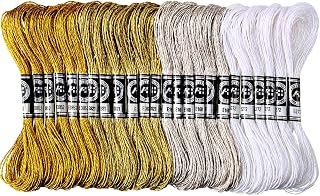
WILLBOND 24 Skeins Glitter Metallic Embroidery Floss
Check PriceCan I use metallic thread in a regular sewing machine?
Yes, absolutely. Any standard home sewing machine can handle metallic thread as long as you switch to the correct needle, adjust tension, and slow the speed. Embroidery-only machines may have built-in settings, but a mechanical or basic computerized machine works fine.
What is the best needle for metallic thread?
A metallic or topstitch needle size 80/12 or 90/14 is ideal. These needles have a larger, smoother eye and a deeper groove to protect the fragile metallic coating. Titanium-coated versions last longer and reduce heat buildup.
Do I need special tension settings for metallic thread?
Usually, you will lower the top tension by 1 to 2 numbers. Start with a lower setting, then test on a scrap. The goal is a balanced stitch where the metallic thread sits on top without pulling the bobbin thread to the surface.
Why does my metallic thread keep shredding?
Shredding happens when the metallic foil rubs against a rough needle eye or a sharp thread path. Replace the needle with a new metallic needle, re-thread carefully, and check for burrs on the thread guide. Using a thread stand and a net also minimizes abrasion.
Can I use metallic thread for sewing entire seams?
It is not recommended. Metallic thread is decorative, not structural. Use regular polyester or cotton for construction seams, and save metallic thread for topstitching, embroidery, and embellishment.
Conclusion
Sewing with metallic thread does not have to be a struggle. With the right needle, a slight tension adjustment, a slower pace, and quality thread, you can achieve stunning results that rival high-end store-bought items. Remember to test on a scrap first, clean your machine regularly, and let the shimmer shine exactly where you want it. Ready to explore more? Professional tips from Threads magazine offer another layer of advanced tricks if you want to dive deeper. Now, thread up and enjoy watching your projects sparkle.
