
Nothing adds a touch of luxury to a sewing project quite like the glint of metallic thread. Whether you are adding festive sparkle to a holiday dress, stitching a custom monogram, or quilting a shimmering pattern, metallic thread elevates your work. But if you have ever found yourself snapping thread, shredding at the needle eye, or dealing with uneven loops, you are not alone. Learning how to use metallic thread can feel intimidating at first.
The good news is that with the right preparation and a few simple adjustments, you can tame this tricky material. The secret is understanding that metallic thread is not like cotton or polyester. It has a unique structure and temperament that requires a gentle touch. This guide will walk you through every step to get consistent, beautiful results from your metallic projects.
Why Metallic Thread Acts Differently
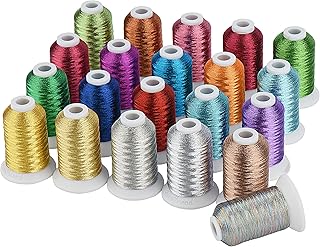
Simthread Best 21 Colors Metallic Embroidery Machine Thread Kit
Check PriceMetallic thread is typically a core of nylon or polyester wrapped in a very fine layer of metal foil, often with an outer coating to protect the color. This construction makes it stiffer, rougher, and more abrasive than standard thread. It generates more friction as it passes through the needle eye and tension disks. That friction leads to heat, which weakens the thread and causes the shredding and breakage many sewers dread.
Understanding this abrasive nature is the first step to mastering how to use metallic thread successfully. Your goal is to reduce friction at every possible contact point, from the spool pin to the needle.
Choosing the Right Supplies
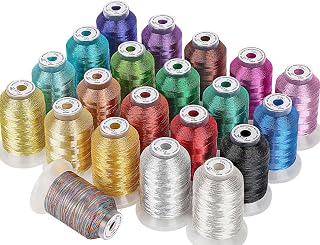
New brothread 21 Assorted Colors Metallic Embroidery Machine Thread Kit
Check PriceRushing into a project with poor-quality thread or a standard needle is the most common cause of frustration. Invest in the right tools before you start stitching.
Selecting a Quality Metallic Thread
Not all metallic threads are created equal. Avoid old, vintage, or unbranded spools that feel brittle. A smooth, supple thread will behave much better. Look for threads specifically labeled for machine embroidery or sewing. A high-quality metallic thread will have a consistent diameter and a soft hand. If you are looking for reliable options, you can explore our best metallic thread recommendations for top-performing brands.
The Right Needle Makes All the Difference
Never use a universal needle when working with metallic thread. The friction will shred the thread instantly. Instead, reach for a needle engineered for specialty threads:
- Metallic or Metallica Needles: These have an elongated, Teflon-coated eye and a large groove to protect the delicate thread and reduce heat buildup.
- Topstitching Needles: With an extra-sharp point and a very long eye, these work well when metallic needles are not available.
- Embroidery Needles: Designed with a larger eye and a special scarf to prevent skipped stitches, they are a decent backup for decorative work.
Size matters. A 80/12 or 90/14 needle usually works well, but test on your specific fabric. A needle that is too small will pinch the thread, while one that is too large leaves unsightly holes.
How to Prepare Your Machine
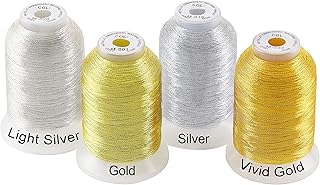
New brothread Metallic Embroidery Machine Thread – 2 Gold + 2 Silver Colors
Check PriceEven a top-tier sewing machine can fight you if it is not set up correctly. Small tweaks make metallic thread glide smoothly.
Winding the Bobbin
Whenever possible, use metallic thread only on the top of your machine. Wind the bobbin with a fine, strong polyester bobbin thread or a matching cotton thread. Metallic thread in the bobbin adds unnecessary tension issues and can jam the bobbin case. Stick to using metallic only as the decorative, visible thread.
Adjusting Tension and Speed
Metallic thread stretches less than cotton and reacts poorly to high tension. Loosen your upper tension setting, trying a setting around 2 to 3 instead of the standard 4. The goal is a smooth stitch where the metallic thread sits flat on the fabric surface without the bobbin thread pulling up to the top.
Slow down. Stitching at a moderate or slow speed reduces heat buildup and gives the thread time to unwind without snapping. If your machine has a speed control, set it to medium-low.
Feeding the Thread Without Friction
How the thread comes off the spool matters enormously. A vertical spool pin forces the thread to twist as it unwinds, adding extra friction. Use a horizontal spool pin if you have one. Even better, place the spool on a separate thread stand behind the machine. This lets the thread unwind straight and freely.
A simple trick is to slip a small piece of a foam pad or a soft mesh net over the spool. This prevents the thread from catching on the spool edge and snapping. If you are using a spool with a rough rim, protect it with a spool cap.
Step-by-Step: How to Use Metallic Thread
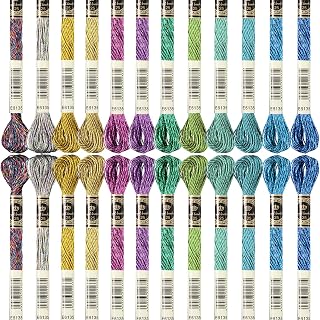
WILLBOND 24 Pcs Metallic Embroidery Floss Cotton Stitch Thread
Check PriceAfter you have gathered your supplies and prepped the machine, follow this workflow for the best results. These steps apply whether you are doing machine embroidery, decorative topstitching, or quilting.
- Thread the machine carefully. Go through the standard path but avoid any unnecessary guides if you can. The straighter the path, the better.
- Use a thread lubricant. A tiny dab of liquid thread conditioner like Sewers Aid applied directly to the needle or the spool works wonders. It dramatically reduces friction and heat. Do not use silicone-based products near your machine if it is not recommended by the manufacturer, but many sewers swear by a drop on the needle eye.
- Stitch a test sample. Always test on a scrap of the exact fabric and stabilizer you will use for the project. Check for even stitches, thread shredding, and proper tension. Adjust the upper tension slightly and test again until the stitch looks perfect from both sides.
- Begin at a slow, steady pace. Start your machine slowly and maintain a consistent speed. Avoid sudden bursts or manual wheel jerks when the needle is near the thread, as this can cause the thread to catch and break.
- Stop and re-thread if needed. If the thread breaks even once, do not keep going. Cut the thread, remove any debris from the needle area, and re-thread completely. A tiny shard of metal foil can clog the eye.
For a deeper dive into taming this material, take a look at our detailed tips for sewing with metallic thread. It covers machine settings and troubleshooting in even greater detail.
Common Problems and Fixes
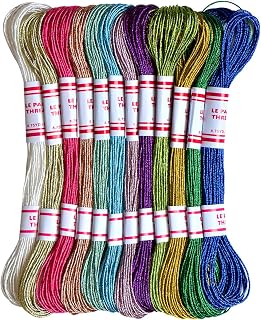
12 Skeins Metallic Embroidery Floss Assorted
Check PriceEven experienced sewers hit snags. Recognizing the symptoms of trouble early saves fabric and frustration.
Thread Shredding or Breaking
This is the number one complaint. First, change to a brand-new metallic needle. Even a slightly worn needle will catch the foil. Second, reduce your upper tension. Third, slow down your stitching speed. Finally, reposition the spool so it feeds directly upwards without twisting. As sewing professionals at Threads Magazine emphasize, gravity and a straight feed path are your best friends with specialty threads.
Skipped Stitches
Skipped stitches usually mean the needle cannot penetrate the fabric cleanly or the thread is not being grabbed properly. Switch to a sharp needle like a topstitch or microtex needle if your metallic needle is not helping. Also ensure you are using the right stabilizer for the fabric; a bit of tear-away or wash-away stabilizer provides a smooth surface for the needle to glide through.
Uneven or Loopy Stitches
This often points to incorrect tension or bobbin issues. Re-thread the entire machine, making sure the presser foot is up while threading so the thread seats properly in the tension disks. Then, adjust the upper tension slightly looser. Check that your bobbin is wound evenly with a fine thread, not metallic.
Creative Techniques with Metallic Thread
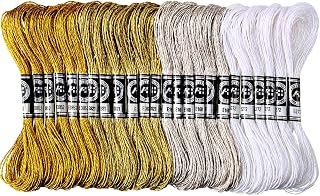
WILLBOND 24 Skeins Glitter Metallic Embroidery Floss
Check PriceOnce you have mastered the basics, the design possibilities expand. Use a twin needle with metallic thread for parallel rows of shimmer on hems. Pair metallic thread with a decorative stitch on your machine for a quick embellishment along collars or pockets. For quilting, a subtle metallic thread in the top can add a gentle sparkle to dense stipple patterns. Just remember to always lengthen your stitch slightly, around 3.0 mm, to prevent the metallic thread from being overworked in tight curves.
Frequently Asked Questions
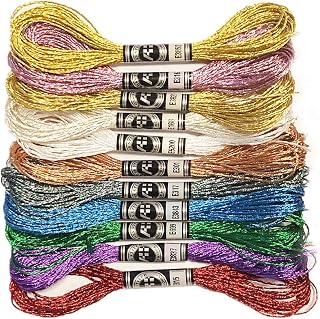
11 Skeins Metallic Embroidery Thread Set
Check PriceCan I use metallic thread in a standard sewing machine?
Absolutely. Any home sewing machine that can lower the feed dogs or do free-motion work can handle metallic thread. You simply need the right needle and tension settings. It is far less intimidating than it seems.
What is the best tension setting for metallic thread?
Start at a lower tension than usual, around 2 or 3 on the dial. The goal is to let the metallic thread lie smoothly on the fabric surface. Always run a test stitch and adjust until the bobbin thread does not peek through to the top.
Does metallic thread work for hand sewing?
Yes, but use shorter lengths and a needle with a large eye. Condition the thread lightly with beeswax or a thread conditioner to tame its springy nature. Threads like DMC metallic floss are designed specifically for hand embroidery and are much easier to work with than machine thread used by hand.
Why does my metallic thread keep twisting?
Twisting is a classic sign of incorrect spool positioning. Use a thread stand that allows the thread to pull straight off the spool without rotation. If you must use a vertical pin, position the spool cap close to the spool to minimize wobble.
Conclusion
Learning how to use metallic thread is a skill that rewards patience. Once you understand that this material demands a friction-free path, slow speeds, and a dedicated metallic needle, it stops being a source of dread and becomes a creative tool. By selecting a high-quality thread, prepping your machine carefully, and testing before you stitch, you will produce designs that shimmer without snagging. Take these tips to your next project and enjoy the sparkling results you have always wanted.
