

If you own a serger or overlock machine, you know that the thread situation can quickly get out of hand. Unlike standard sewing machines that use small spools, sergers require large cones of thread in multiple colors. Finding effective serger thread storage ideas is essential not just for keeping your craft room tidy, but also for ensuring your thread remains tangle-free and ready for your next project. In this guide, we will explore practical, space-saving solutions to help you organize your collection like a pro.

Sew Tech Thread Rack for 60 Spools or 30 Cones, Wall Mounted Large Thread Holder
Check PriceWhy Proper Serger Thread Storage Matters
Before diving into the storage solutions, it is important to understand why organization is critical for serger users. Serger thread cones are top-heavy and can easily roll off shelves or become “thread nests” if not stored correctly. Proper storage prevents dust accumulation, which can weaken the fibers over time, and keeps your color palette visible so you aren’t digging through boxes to find the perfect shade of teal.
Top 7 Serger Thread Storage Ideas
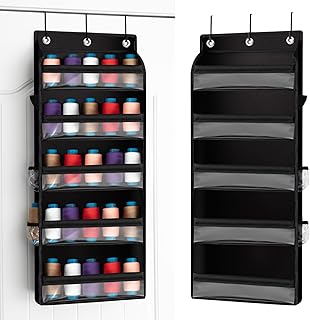
Tegeme 5-Tier Hanging Thread Holder with PVC Window & Side Pockets
Check Price1. Wall-Mounted Thread Racks
The most popular method among sewers is the classic wall-mounted rack. These are specifically designed to hold cones rather than flat spools. By mounting your thread on the wall, you free up valuable table space and turn your thread collection into a decorative element.
- Pros: High visibility; keeps cones off your work surface; easy to access.
- Cons: Requires wall space; can look cluttered if you have hundreds of cones.
2. Stackable Plastic Storage Bins
If you prefer to keep your thread out of sight or need to protect it from direct sunlight (which can fade colors), clear stackable bins are an excellent choice. Look for bins with dividers to prevent the cones from tipping over.
3. The IKEA Alex Hack (Drawer Storage)
Many sewing enthusiasts use IKEA Alex drawers or similar storage carts. You can use small plastic cups or custom 3D-printed inserts to stand the cones up inside the drawers. This is one of the best methods for organizing your sewing room because it keeps everything dust-free and hidden away.
4. Rolling Thread Carts
For those with a large collection of high-quality serger cones, a rolling cart with multiple tiers is a game-changer. This allows you to move your thread station to your machine, making it easier to swap colors without walking back and forth across the room.
5. Repurposed Shoe Organizers
A hanging shoe organizer (the kind that goes over a door) is a budget-friendly way to store thread. The clear plastic pockets are often the perfect size for a cone or two. This is a great “starter” solution if you are looking for serger thread storage ideas that don’t require a trip to the hardware store.
6. Pegboard Systems
Pegboards are incredibly versatile. By adding specialized “cup hooks” or small shelves, you can create a custom layout that grows with your collection. You can even add a small shelf for your serger machine accessories right next to your thread.
7. Thread Trees or Stands
If you have a dedicated sewing table, a “thread tree” is a vertical stand that allows you to pull thread directly from the cone while it sits on the stand. This is particularly useful for sergers, as it helps manage the thread path and reduces the chance of the cone bouncing around while the machine is running at high speeds.
How to Organize Your Thread by Color
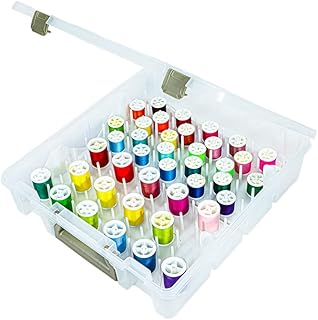
ArtBin Super Satchel Thread Box – Versatile Thread Storage for Sewing, Embroidery, and Quilting
Check PriceOnce you have chosen your storage method, the next step is organization. Most sewers find that organizing by color (the ROYGBIV method) is the most efficient. Grouping “neutrals” (black, white, gray, beige) in a separate section also saves time. If you do a lot of specific projects, consider grouping “project-specific” threads together so you can grab an entire set of cones at once.
Protecting Your Thread from the Elements
Thread is an investment. To ensure your overlocker threads last for years, you must protect them from three things: dust, sunlight, and humidity. Dust acts as an abrasive, while sunlight weakens the nylon and polyester fibers. If you live in a humid climate, consider adding silica gel packets to your storage bins to prevent mold or “sticky” thread.
Frequently Asked Questions (FAQ)
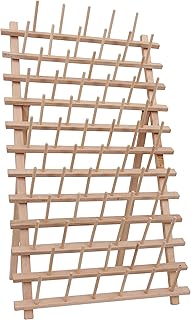
Threadart 66 Large Spool Cone Wood Thread Rack | Made of Hardwood
Check PriceIs it okay to store serger thread in plastic bags?
While plastic bags keep dust out, they can trap moisture. If you choose to use bags, make sure they are breathable or that you live in a very dry environment. Rigid containers are generally a better choice for long-term storage.
How do I stop serger cones from unraveling in storage?
Most modern cones have a small notch at the top to tuck the tail of the thread. If your cones don’t have this, you can use a small “thread saver” (a plastic clip) or simply use a piece of painter’s tape over the end to keep it from unwinding.
Should I store my thread horizontally or vertically?
Serger thread is designed to be pulled from the top (vertical) or the side (horizontal). Most storage ideas, like racks and trees, keep them vertical. This is usually preferred as it prevents the cone from rolling and keeps the label facing outward for easy identification.
Conclusion
Finding the right serger thread storage ideas can transform your sewing experience from frustrating to fluid. Whether you opt for a high-tech pegboard system or a simple set of stackable bins, the goal is to keep your threads visible, accessible, and protected. Start by assessing how much space you have and how many cones you own, then choose the solution that best fits your workflow. For more tips on maintaining your sewing space and equipment, check out our guide on optimizing your craft room setup.

Disclosure: As an Amazon Associate, we earn from qualifying purchases at no extra cost to you. Our posts are created with AI tools and human editing.