
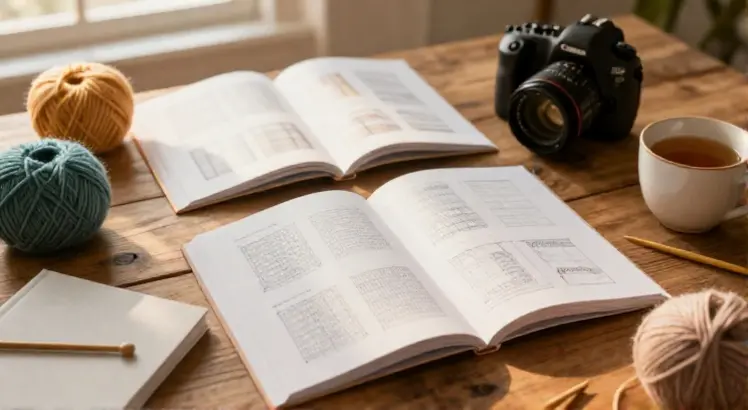
Many crafters wonder if investing in knitting books is a smart move in today’s digital age. YouTube tutorials and online blogs offer endless free content at the click of a button. Yet printed books continue to hold a special, often irreplaceable, role in a knitter’s journey. Understanding what makes them valuable can help you decide if they belong on your shelf.
Knitting books provide a structured, curated learning experience that scattered online searches rarely deliver. They are vetted by professionals and organized to build skills in a logical order. This article explores the benefits, compares books to digital resources, and highlights top picks worth your time. You will gain clear insight into whether knitting books deserv a place in your crafting toolkit.
We carefully selected products based on clarity, depth of instruction, and reader reviews. Each recommendation serves a distinct purpose, from mastering basics to exploring advanced colorwork. For a broader comparison of available titles, see our curated list of top knitting books. Let us dive into the tangible reasons printed guides remain essential.
The Tangible Benefits of Knitting Books
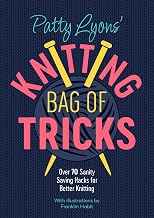
Patty Lyons’ Knitting Bag of Tricks: Over 70 sanity saving hacks for better knitting
Check PriceKnitting books offer a distraction free environment that no tablet or phone can match. You can spread them open on your lap while your hands stay busy with yarn and needles. There are no pop up notifications, no autoplay videos, and no battery drain to interrupt your flow. This focused setting is ideal for absorbing complex techniques that demand your full attention.
Physical books also excel at visual clarity and permanence. High quality photographs and detailed charts remain crisp on the page without requiring zooming or screen brightness adjustments. You can scribble notes in the margins, attach sticky tabs, and dog ear important pages for quick reference. These personalized annotations turn a store bought guide into a bespoke companion tailored to your learning style.
Additionally, books function reliably in any setting, whether you are crafting in a sunny park or a dimly lit living room. They never crash, never need updates, and never become incompatible with new operating systems. A well bound knitting book can last decades, becoming a cherished resource passed down through generations. This longevity makes them an investment rather than a disposable expense.
Are Knitting Books Better Than Online Tutorials?
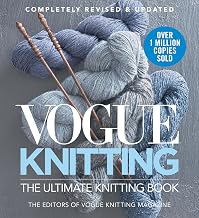
Vogue® Knitting The Ultimate Knitting Book: Completely Revised & Updated
Check PriceThe debate between printed books and online tutorials often comes down to depth versus speed. Online videos are excellent for quickly demonstating a single stitch or a specific cast on method. Yet they frequently skip the underlying theory that helps you adapt and problem solve later. Books provide that crucial context, explaining not just the how but the why behind each technique.
Another key difference lies in quality control and editorial oversight. Anyone can upload a knitting tutorial on the internet, regardless of their actual expertise or teaching ability. Published books undergo rigorous editing, technical review, and fact checking before reaching the shelf. Organizations like the Craft Yarn Council set industry standards that reputable authors follow closely, ensuring you learn correct methods from the start.
Books also organize information in a sequential, comprehensive manner that fragmented online content cannot replicate. A single volume can carry you from casting on your first stitch to binding off a finished sweater. Online, you would need to piece together dozens of separate resources to achieve the same scope. For structured learners, this cohesive roadmap is invaluable and time saving.
How Knitting Books Build Strong Foundational Skills
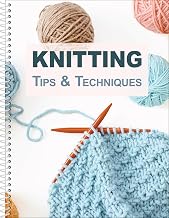
Knitting Tips & Techniques
Check PriceBeginning knitters benefit immensly from the structured progression found in well crafted instructional books. These guides start with fundamental topics like yarn weights, needle types, and basic stitch formation. Clear illustrations and patient explanations help novices avoid the frustration that often leads to abandoned projects. Having a reliable reference on hand builds confidence faster than jumping between unrelated online clips.
Intermediate crafters also gain substantial value from books that refine and correct their technique. Many self taught knitters develop inefficient habits that limit their speed or cause hand fatigue. A thorough reference book reveals proper tensioning, ergonomic movement, and stitch mount subtleties that videos gloss over. Correcting these foundational issues early prevents long term frustration and physical discomfort.
Books also teach you to read your knitting, a critical skill for spotting mistakes before they compound. Understanding how stitches sit on the needle and how they relate to the fabric below empowers you to fix errors independently. This diagnostic ability separates confident knitters from those who rely constantly on external help. For more guidance on essential tools, explore our article on choosing the right knitting needles.
Stitch Dictionaries and Visual Learning
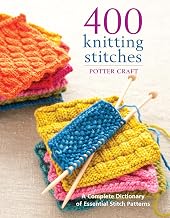
400 Knitting Stitches: A Complete Dictionary of Essential Stitch Patterns
Check PriceStitch dictionaries are among the most beloved knitting books for a compelling reason. They catalogue hundreds of textured, lace, and cabled patterns in a format optimized for visual browsing. Each entry includes a clear swatch photograph alongside written instructions and often a chart. This multi pronged presentation caters to different learning preferences, helping every knitter absorb the pattern effectively.
The tactile experience of flipping through a stitch dictionary sparks creativity in ways that scrolling a screen cannot. You might land on a beautiful wave pattern or an intricate lattice that you were not specifically seeking. This serendipitous discovery often leads to your most original and satisfying projects. Digital databases, by contrast, require you to know what you want before you can find it.
Stitch dictionaries also serve as a valuable design resource for knitters ready to create their own patterns. By combining stitch motifs with standard garment shapes, you can produce truly custom pieces. The reference stays useful for years, as the same stitch pattern can look entirely different in various yarn weights and fibers. This versatility gives a single stitch dictionary extraordinary long term value.
Pattern Books for Garment Construction
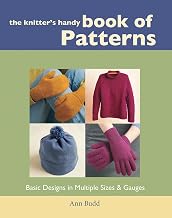
The Knitter’s Handy Book of Patterns: Basic Designs in Multiple Sizes and Gauges
Check PricePattern books offer something that single pattern downloads cannot: a cohesive collection built around a unifying theme or technique. A well curated pattern book teaches you as you knit, with each project reinforcing skills from the previous one. By the time you finish the final garment, you have internalized multiple construction methods and design principles. This progressive learning approach is far more effective than knitting isolated, unrelated patterns.
Garment focused books also provide critical information on sizing, ease, and fit modification. Understanding how to adjust a pattern for your unique body shape transforms your knitting results dramatically. Online single patterns rarely include the depth of schematic detail and alteration guidance found in book format. A good pattern book educates you to become a skilled modifier, not just a passive instruction follower.
The investment value of pattern books is also notable when compared to individual pattern purchases. A book containing twelve garment patterns typically costs less than buying three single patterns online. Beyond the explicit patterns, you gain a reference library of techniques applicable to countless future projects. This cost effectiveness makes books a financially savvy choice for dedicated knitters.
Troubleshooting and Reference Guides
The Knitter’s Handy Book of Top-Down Sweaters: Basic Designs in Multiple Sizes and Gauges
Check PriceEvery knitter, from beginner to expert, encounters problems that require immediate, reliable solutions. A dropped stitch, a mis crossed cable, or a hole in your fabric can stop progress cold. Comprehensive reference books are organized precisely for these moments of crisis, with indexed troubleshooting sections that deliver fast answers. You can find the fix without wading through irrelevant search results or sitting through a lengthy video intro.
The best reference guides include detailed photographic sequences showing exactly how to repair common mistakes. These step by step visuals are captured under controlled lighting conditions for maximum clarity. Unlike user generated content online, professional book photography ensures you can see every strand of yarn clearly. This visual precision is especially crucial when you are trying to decipher a complex fix under less than ideal lighting.
Reference books also cover edge cases and advanced scenarios that free content rarely addresses. Topics like steeking, complex shapings, or combining multiple stitch patterns in one piece are thoroughly explained. Having this depth of knowledge at your fingertips empowers you to tackle ambitious projects with confidence. The book becomes a trusted mentor that is always available, never impatient, and endlessly knowledgable.
Frequently Asked Questions
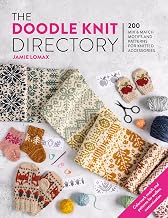
The Doodle Knit Directory: 200 mix & match motiffs and patterns for knitted accessories
Check PriceAre knitting books suitable for absolute beginners? Yes, many excellent books are written specifically for those who have never held needles. Look for titles that include large photographs, clear diagrams, and project based learning from simple scarves upward. A beginner focused book provides the structured pathway that prevents the scattergun confusion of random online searching.
How do I choose the right knitting book for my skill level? Read the publisher’s description carefully and scan customer review images of the table of contents. Books labeled ‘techniques’ or ‘reference’ suit all levels, while ‘project’ books often target a specific proficiency range. Honest self assessment of your current abilities ensures you select a book that challenges without overwhelming you.
Can a single knitting book replace online learning entirely? A comprehensive reference book can cover the vast majority of techniques you will ever need. However, some knitters benefit from seeing motion demonstrated for certain complex maneuvers like brioche or entrelac. The ideal approach combines a solid book foundation with occasional video supplementation for challenging new skills.
Are older or vintage knitting books still useful today? Absolutely, many classic books contain timeless techniques and elegant designs that remain perfectly relevant. Modern updates may include more inclusive sizing and contemporary yarn suggestions, which is helpful. Vintage books offer unique historical patterns and a connection to the rich heritage of the craft. They are well worth picking up at secondhand shops or library sales.
Final Verdict on Knitting Books
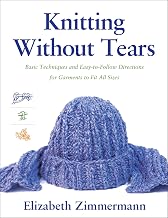
Knitting Without Tears: Basic Techniques and Easy-to-Follow Directions for Garments to Fit All Sizes
Check PriceKnitting books are unequivocally good investments for anyone serious about developing their craft. They provide structured, vetted, and durable knowledge that complements, rather than competes with, free online resources. The best titles grow alongside you, offering value at every stage of your knitting journey from novice to expert. Building a small library of trusted references transforms how you approach projects and solve problems.
We recommend starting with one comprehensive technique reference and one stitch dictionary to form your core library. From there, add pattern books and specialized guides as your interests expand into areas like colorwork, lace, or garment design. The right book, sitting open beside your favorite chair, becomes more than a learning tool. It becomes a cherished companion in your creative life, ready whenever inspiration strikes or help is needed.
Whether you are casting on your first garter stitch square or designing complex Fair Isle sweaters, a good book has your back. Choose one of the recommended titles above and experience the difference that structured, print learning can make. Happy knitting, and may your stitches be even and your yarn never tangle.
