
Knitters often find themselves stuck on a tricky stitch, unsure how to fix a mistake, or bored with the same old patterns. You want clear instructions, trustworthy references, and fresh inspiration that stays open on your lap. The right book can turn frustration into fast improvement and fuel your creativity.
You deserve resources that grow with you, whether you are casting on your first scarf or designing a cabled sweater. In this guide we highlight thirteen outstanding titles to solve your biggest knitting headaches. Keep reading to find your next favorite knitting companion.
The overall best knitting book for most stitchers is Vogue® Knitting The Ultimate Knitting Book: Completely Revised & Updated. It offers an encyclopedia of techniques, clear illustrations, and timeless patterns that support every skill level. It is the one volume you will return to for years.
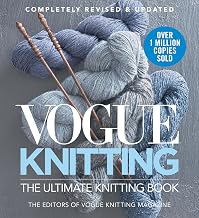
Vogue® Knitting The Ultimate Knitting Book: Completely Revised & Updated
Check PriceBest Knitting Books of 2026
When picking up a new knitting book, you’ll want the foundational tools to match the skills you’re learning. Our guide to the best knitting needles for beginners and beyond helps you select the right size and material to practice the stitches explained in your books. For a deeper dive into every technique, the Wikipedia knitting resource offers a free, authoritative reference to painlessly clarify terms and methods from any project.
1. Patty Lyons’ Knitting Bag of Tricks: Over 70 sanity saving hacks for better knitting – Solve Common Mistakes
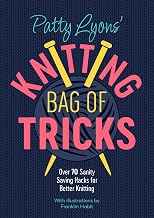
Patty Lyons’ Knitting Bag of Tricks: Over 70 sanity saving hacks for better knitting
Check PriceWhy it stands out
Patty Lyons delivers a witty, no-panic guide that tackles everyday knitting emergencies. Every hack solves a real snag – like fixing tension or counting rows – with photos that make the fix instant. It feels like a trusted friend sitting in your project bag.
Key points
- Over 70 practical problem-solving hacks
- Organized by common issue for quick reference
- Photo-rich step-by-step guidance
- Suitable for adventurous beginners and beyond
Pros
- Humorous, stress-reducing writing style
- Immediate fixes without flipping through chapters
- Builds true technique understanding
- Sturdy binding handles repeated use
- Covers hand knitting glitches thoroughly
Cons
- Not a pattern book for projects
- Some hacks assume basic cast-on knowledge
Best for
Knitters who want to stop fearing mistakes and start fixing them like a pro. Ideal for anyone who craves a cheerful, hands-on troubleshooting mentor they can bring anywhere.
2. Vogue® Knitting The Ultimate Knitting Book: Completely Revised & Updated – The Comprehensive Reference
Vogue® Knitting The Ultimate Knitting Book: Completely Revised & Updated
Check PriceWhy it stands out
This iconic volume has taught generations of knitters with its vetted techniques and timeless designs. The revised edition adds modern methods and fresh photography while keeping the classic drill-down approach. It remains the closest thing to a knitting degree in book form.
Key points
- Encyclopedic coverage from cast-on to advanced garment shaping
- Fully updated with contemporary yarn and tool guidance
- Includes designer patterns for sweaters, hats, and shawls
- Large format with clear diagrams and full-color photos
Pros
- All-in-one reference for technique and pattern
- Trusted Vogue quality; used in many knitting schools
- Step-by-step visuals demystify complex moves
- Stays relevant across decades of knitting trends
- Excellent for both visual and text learners
Cons
- Bulky to transport to knit nights
- Beginners may feel overwhelmed by the sheer density
Best for
Dedicated stitchers who want one authoritative book to guide them from beginner projects to intricate sweater construction. An heirloom reference for serious crafters.
3. Knitting Tips & Techniques – Practical Quick-Reference Guide
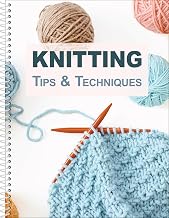
Knitting Tips & Techniques
Check PriceWhy it stands out
This compact spiral-bound book lies flat on your workspace, making it the perfect hands-free reference while knitting. It distills core techniques into bite-sized topics with large photos, so you can glance and go. The price makes it an accessible entry point.
Key points
- Spiral binding for lay-flat ease during use
- Cvers basic stitches, increases, decreases, and seaming
- Large step-by-step color photos
- Lightweight and portable
Pros
- Extremely beginner-friendly format
- Affordablke without sacrificing clarity
- Stays open on the table during practice
- Light enough to pack in a project bag
- Covers many foundational techniques
Cons
- Limited depth on advanced garment shaping
- Narrower technique selection than comprehensive guides
Best for
New knitters or anyone who prefers a hands-on, open-book reference while practicing. Ideal for workshops and classes where you need quick answers.
4. 400 Knitting Stitches: A Complete Dictionary of Essential Stitch Patterns – Stitch Inspiration Library
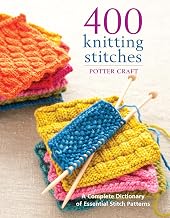
400 Knitting Stitches: A Complete Dictionary of Essential Stitch Patterns
Check PriceWhy it stands out
This stitch dictionary is a treasure chest for knitters itching to design their own fabrics. Each of the 400 patterns is photographed in a clean swatch, with both written and charted instructions. It makes substituting a new texture into any pattern completely doable.
Key points
- 400 stitch patterns organized by texture family
- Clear color swatch photograph for every entry
- Includes knit-purl combinations, cables, and lace
- Written and charted instructions side by side
Pros
- Endless design possibilities for scarves, blankets, and garments
- Easy to compare textures with consistent swatch format
- Charts make complex repeats manageable
- Sturdy softcover holds up well
- Great for breaking pattern boredom
Cons
- Not a technique teaching book
- Lace identification could use better indexing
Best for
Design-minded knitters and those who love to customize simple patterns with unique textures. Anyone ready to move beyond stockinette and ribbing will find a thousand new projects here.
5. The Knitter’s Handy Book of Patterns: Basic Designs in Multiple Sizes and Gauges – Versatile Pattern Generator
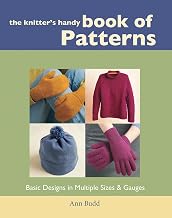
The Knitter’s Handy Book of Patterns: Basic Designs in Multiple Sizes and Gauges
Check PriceWhy it stands out
Ann Budd gave knitters a magic formula book. Instead of rigid patterns, you get master recipes for hats, gloves, sweaters, and more, each graded over a huge range of gauges and sizes. Just plug in your yarn and stitch count, and you have a custom pattern.
Key points
- Basic designs for mittens, hats, socks, sweaters, and vests
- Each design provided in multiple gauges and sizes
- Works with any yarn weight after swatching
- Spiral-bound for easy flat reference
Pros
- Makes substituting yarn foolproof
- Universal sizing from toddler to adult large
- Reduces reliance on single-gauge patterns
- Builds confidence in understanding construction
- Spiral binding is a workshop dream
Cons
- Designs are classic rather than highly textured
- Requires basic math and swatch commitment
Best for
Yarn stashers and mindful knitters who want to knit favorite bases in any yarn without hunting for new patterns. A must for any serious pattern adapter.
6. The Knitter’s Handy Book of Top-Down Sweaters: Basic Designs in Multiple Sizes and Gauges – Top-Down Sweater Bible
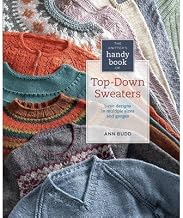
The Knitter’s Handy Book of Top-Down Sweaters: Basic Designs in Multiple Sizes and Gauges
Check PriceWhy it stands out
Ann Budd takes the beloved formula book to sweaters you try on as you knit. Top-down construction eliminates seaming guesswork and lets you adjust fit on the fly. This spiral volume provides master recipes for pullovers, cardigans, and yoked sweaters in any gauge.
Key points
- Top-down seamless sweater recipes for multiple gauges
- Includes yoke, raglan, and set-in sleeve styles
- Detailed sizing from child through adult XXL
- Spiral format with sturdy pages
Pros
- Eliminates dreaded sleeve seaming
- Customizable to your yarn and body shape
- Works with sport weight to bulky yarn
- Clear schematic drawings guide every step
- A permanent wardrobe designer tool
Cons
- Assumes comfortable knitting in the round skills
- Less variety in neckline shaping than some want
Best for
Kitters ready to graduate from scarf-land to well-fitting handknit sweaters. Adventurous improvers who want to reuse one book for every sweater in their queue.
7. The Doodle Knit Directory: 200 mix & match motifs and patterns for knitted accessories – Colorwork Playground
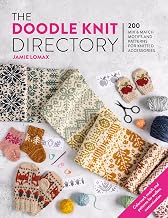
The Doodle Knit Directory: 200 mix & match motifs and patterns for knitted accessories
Check PriceWhy it stands out
This directory unleashes playful fair-isle and intarsia motifs that you can combine into unique accessories. With 200 charted doodles, you can build hats, mittens, and cowls that express your personality. The mix-and-match approach turns every project into a conversation piece.
Key points
- 200 colorwork motifs in clear chart form
- Guidance on combining motifs into patterns
- Includes full accessory patterns as springboards
- Color-coded sections for seasonal and whimsical themes
Pros
- Endless customization for gift knitting
- Charts are large and easy to follow
- Works great with stash leftovers
- Encourages creative design confidence
- Motif dictionary is unique among knitting books
Cons
- Assumes basic stranded colorwork knowledge
- Limited guidance on motif placement for garments
Best for
Kitters who love colorwork and want to break free from following exact pattern repeats. Perfect for accessories designers and those who enjoy whimsical, personalized details.
8. Knitting Without Tears: Basic Techniques and Easy-to-Follow Directions for Garments to Fit All Sizes – Gentle Beginner Guide
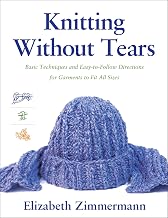
Knitting Without Tears: Basic Techniques and Easy-to-Follow Directions for Garments to Fit All Sizes
Check PriceWhy it stands out
Elizabeth Zimmermann’s classic voice guides you with warmth and wit, removing the fear from garment knitting. She teaches you to understand knitting construction rather than blindly follow instructions. This slim book has launched thousands of confident knitters with its clean philosophy.
Key points
- Master seamless sweaters and the percentage system
- Emphasis on knitting logic, not just rote steps
- Written with humor and a calming tone
- Teaches long-tail cast-on, gauge, and finishing
Pros
- Liberating approach to sweater design
- Compact and rereadable
- Shifts knitter mindset from follower to creator
- Classic, never dated advice
- Perfect for knitters returning after a break
Cons
- Black-and-white illustrations feel vintage
- Lacks step-by-step modern photo tutorials
Best for
Beginner and intermediate knitters who want to knit sweaters that fit without frustration. A soul-soothing classic for those who learn best through reasoning rather than rigid steps.
9. The Colorwork Bible: Techniques and Projects for Colorful Knitting – Color Mastery Deep Dive
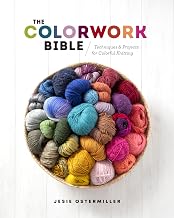
The Colorwork Bible: Techniques and Projects for Colorful Knitting
Check PriceWhy it stands out
This comprehensive manual takes you from simple stripes to advanced intarsia and stranded knitting. Each technique gets dedicated project- based lessons, so you immediately practice what you learn. The photography is crisp and inspirational, making colorwork feel approachable.
Key points
- Covers stripes, mosaic, fair-isle, intarsia, and double knitting
- Each chapter includes a complete project to practice
- Design tips for choosing and combining colors
- Clear charts and yarn management advice
Pros
- One-stop resource for every major colorwork style
- Gorgeous project photography motivates practice
- Troubleshooting tips reduce colorwork tension problems
- Modern palettes and fresh designs
- Suitable for adventurous advanced beginners
Cons
- Some projects require a lot of yarn colors
- Not as deep on intarsia design math as advanced designers may want
Best for
Kitters ready to explore colorful knitting beyond basic stripes. Those who learn best through making actual projects and want a single volume covering all major color techniques.
10. Cast On, Bind Off: 54 Step-by-Step Methods; Find the perfect start and finish for every knitting project – Edge Perfection Library
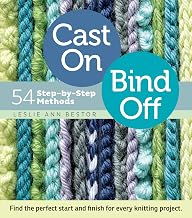
Cast On, Bind Off: 54 Step-by-Step Methods; Find the perfect start and finish for every knitting project
Check PriceWhy it stands out
Never settle for a curling edge again. This book is the only resource you need to perfectly start and finish any project, with 54 cast-ons and bind-offs clearly photographed. It shows when to use each method for stretch, stability, or decorative effect, turning edges into a design feature.
Key points
- 54 cast-on and bind-off methods with close-up photos
- Detailed guidance on edge purposes: stretchy, firm, decorative
- Spiral-bound edition available for easy use
- Includes pros and cons for every technique
Pros
- Solves the number one finishing frustration
- Lay-flat binding makes following steps effortless
- Mathes edge stretches to garment needs
- Upgrades even simple patterns
- Compact and portable reference
Cons
- Focused only on edges, not other techniques
- Some methods may require practice with waste yarn
Best for
Any knitter frustrated by uneven, tight, or flimsy project edges. Essential for perfectionists and those who want their handmade items to look polished from cast-on to bind-off.
11. Knitting Patterns & Projects – Inspiration and Project Collection
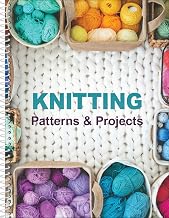
Knitting Patterns & Projects
Check PriceWhy it stands out
This spiral-bound volume compiles a broad range of wearable accessories and home pieces with beginner-friendly instructions. The large photos and straightforward layouts make it easy to pick a project and start right away. It is an affordable pattern library you will reach for often.
Key points
- Dozens of patterns for scarves, hats, blankets, and wraps
- Lay-flat spiral binding for hands-free reference
- Patterns use popular yarn weights and clear schematics
- Skill levels marked for each pattern
Pros
- Value-packed versatile pattern collection
- Great for gift knitting and stash busting
- Consistent format reduces confusion
- Suitable for confident beginners and up
- Lightweight and easy to pack
Cons
- Limited garment patterns like sweaters
- Some techniques assume basic knit and purl fluency
Best for
Beginner to easy knitters craving a go-to pattern stash for quick, satisfying makes. Perfect for social knitting nights when you want a no-stress project.
12. Crochet Techniques & Tips: For Beginner & Experienced Crocheters – Crochet Reference Companion
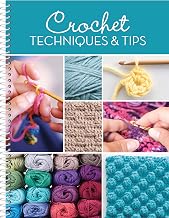
Crochet Techniques & Tips: For Beginner & Experienced Crocheters with Step-by-Step Instructions & Photos | 20+ Stitches, Edging & Joining | Spiral Bound Craft Book Gift
Check PriceWhy it stands out
While this is a crochet book, many bi-craftal stitchers love having a clear, spiral-bound reference for both crafts. The close-up photos and step-by-step layout mirror the best knitting handbooks. If you blend knitting with crochet edgings or mixed media, this is a handy partner book.
Key points
- Over 20 crochet stitches including edging and joining
- Spiral binding stays open while you hook
- Large, full-color tutorial photos
- Covers both basic and decorative techniques
Pros
- Ideal for knitters adding crochet borders
- Clear enough for complete crochet beginners
- Durable and portable
- Includes join-as-you-go methods
- Attactive price point for a technique book
Cons
- Not a knitting resource – fully crochet focused
- Limited project patterns inside
Best for
Dual-craft makers and knitters who frequently embellish with crochet. A nice desk companion for anyone curious about the sister craft without committing to a massive library.
13. Patty Lyons’ Knitting Bag of Tricks: The Official Workbook: Hands-on exercises to improve your knitting skills – Practice Companion
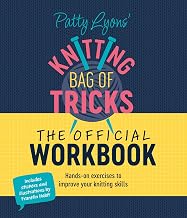
Patty Lyons’ Knitting Bag of Tricks: The Official Workbook: Hands-on exercises to improve your knitting skills
Check PriceWhy it stands out
This workbook turns Patty’s original hacks into active practice sessions. Each exercise includes swatch prompts, reflection questions, and space to record your progress. It ensures the tricks move from your head into your hands, building muscle memory for a lifetime of better knitting.
Key points
- Hands-on exercises companion to the original Bag of Tricks
- Prompts to practice tension, increases, and fixes
- Journal-style pages for notes and swatch mounting
- Builds independence in diagnosing knitting issues
Pros
- Reinforces learning through doing
- Creates a personal reference journal
- Perfect for knitting groups and retreats
- Works even without the original book
- Reduces reliance on video tutorials alone
Cons
- Requires time commitment to work through
- Not a standalone technique encyclopedia
Best for
Hands-on learners who want to make lasting skill gains. Perfect for those who already own Bag of Tricks or want a structured practice plan to overcome knitting weaknesses.
How to Choose the Right Kniting Book
Start by identifying your biggest knitting friction point. If you constantly search for fixes mid-project, a troubleshooting book like Patty Lyons’ guide saves the day. Books that teach technique logic rather than just recipes help you solve future problems on your own.
Consider how you knit and where you use your reference. Spiral-bound editions lie flat and are perfect for following along hands-free. A dense comprehensive volume like Vogue sits best on your shelf for study, while compact spiral books go in your project bag.
Match the book to your crafting goals. Designers need stitch dictionaries and formula books. Beginner garment knitters thrive with recipe-style pattern guides. If color is your jam, a colorwork bible accelerates your skills faster than scattered online tutorials.
Finally, check whether the book grows with you. The best knitting books remain relevant for years, not just weeks. Look for clear indexing, charts you can read later, and a voice that makes you excited to pick up your needles again.
Common Mistakes to Avoid When Buying Kniting Books
Buying a book that is far above your current skill level leads to frustration. Choose one that matches your comfort zone while offering a slight challenge. A book that skips basic definitions can leave you stuck and reaching for your phone.
Skipping reviews and interior previews often means missing key format details. Some books rely heavily on text-only instructions, which can overwhelm visual learners. Always look for sample pages that show both written steps and clear photographs or charts.
Grabbing multiple books at once without a plan scatters your learning. Pick one reference and one project or technique book to build confidence first. Resist the urge to collect just because a title is popular in your knitting group.
Ignoring the physical binding is a practical mistake you will regret during a cast-on. Hardcovers that refuse to lie flat will gather dust. Prioritize books that stay open, whether through spiral binding or a supple sewn spine, so your hands remain free for the actual knitting.
Frequently Asked Questions
What is the single best knitting book for beginners in 2026?
Vogue® Knitting The Ultimate Knitting Book is the top all-in-one choice because it teaches fundamentals through advanced skills with clear visual support. Knitting Without Tears is another gentle on-ramp that builds creative confidence.
Are these books suitable for left-handed knitters?
Most technique books teach right-handed methods by default, but left-handed knitters can often mirror images or learn continental style. Books like Vogue Knitting show movements clearly enough to reverse. Some left-handed knitters prefer video supplements for tough moves.
Do the books include video tutorials or online access?
Print editions rarely include full video links, but many titles have strong companion content on publisher sites or YouTube searches. Patty Lyons’ Knitting Bag of Tricks has become popular alongside her online workshops, though the book stands alone.
Which book has the most stitch patterns?
400 Knitting Stitches delivers exactly what its title promises with both written and charted instructions. For even more variety, some knitters combine it with The Doodle Knit Directory for colorwork motifs.
Can I find sweater patterns in these books?
Yes. The Knitter’s Handy Book of Patterns and Top-Down Sweaters are specifically recipe-based sweater books for endless possibilities. Vogue Knitting also includes several garment patterns within its technique chapters.
Are the books sprial bound for easy use?
Some are, including Knitting Tips & Techniques, Knitting Patterns & Projects, Cast On, Bind Off, and Crochet Techniques & Tips. Check the edition before buying because the same title may be available in both sprial and hardcover.
Do these books cover continental knitting?
Continental style is typically shown as an alternative in major reference books. Vogue Knitting highlights it alongside English throwing. If you strictly knit continental, the technique fundamentals still apply without issue.
Is there a book that teaches how to fix mistakes?
Patty Lyons’ Knitting Bag of Tricks and its Official Workbook focus almost entirely on mistake diagnosis and repair. Vogue Knitting also has detailed sections on picking up dropped stitches and correcting tension errors.
Are these books updated with modern techniques?
The completely revised Vogue Knitting and newer titles like The Colorwork Bible reflect current yarns and design trends. Classic books such as Knitting Without Tears remain timeless in their approach, even if photos are vintage.
Can I use these books along with online videos?
Absolutely. Many knitters keep a sprial-bound reference open while watching tutorials. The books provide a solid framework that makes online learning stick because you understand the why behind each move.
Conclusion
Investing in a well-chosen knitting book is one of the smartest moves you can make for your craft. Instead of scrolling through endless search results, you gain a trusted voice that knows exactly where you stumble and how to lift you up. The right book becomes a quiet teacher on your shelf.
Whether you need a stitch dictionary, a sweater recipe generator, or a panic button for dropped stitches, the books on this list have your back. Each title fills a specific need, so you never have to knit alone in confusion again. Start with the one that matches your biggest challenge.
We recommend beginning with Vogue® Knitting The Ultimate Knitting Book for a complete foundation. Then add targeted companions like Patty Lyons’ Bag of Tricks for troubleshooting and 400 Knitting Stitches when you are ready to play with texture. Your next project will feel calmer and more creative.
Pick one book today, swatch a new technique, and watch your confidence soar. The only wrong choice is staying stuck. Happy knitting, and may your edges always stay flat.
After mastering hand knitting, you might consider how machinery can transform your workflow. Our review of user-friendly knitting machines for home studios shows you how these devices can quickly turn the patterns from your library into finished garments, saving time on large or repetitive sections.
