
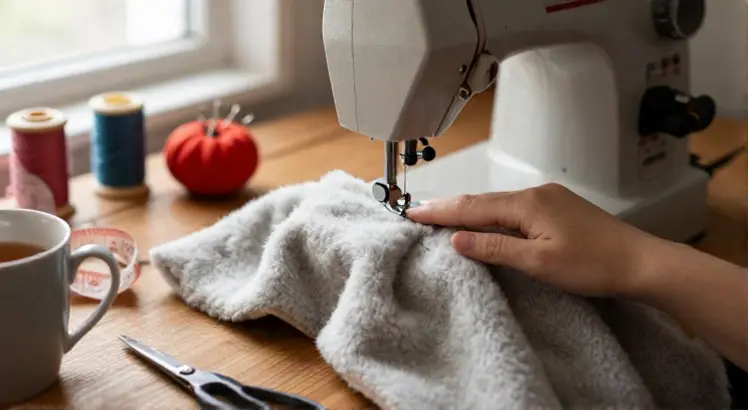
Many sewists wonder, is fleece difficult to sew? The short answer is no, fleece is one of the friendliest fabrics for beginners. Its forgiving nature, lack of fraying, and gentle stretch make it an excellent choice for cozy blankets, jackets, and accessories. However, like any fabric, fleece has a few quirks. In this guide, we will explore everything from needle selection to troubleshooting common issues, so you can sew fleece with confidence and enjoy every step.
Understanding Fleece: Is It Tricky?
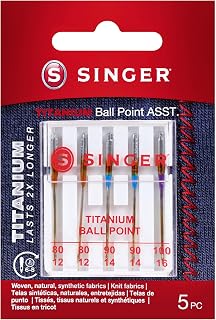
SINGER Titanium Ball Point Needles, 80/11-100/16, 5Ct, for Knit Fabric
Check PriceFleece is a knit fabric, typically made from polyester fibers, though you can also find natural blends. What sets fleece apart is its brushed surface, which creates a soft, insulating nap. Because the edges do not ravel, you never need to finish seams, and you can skip serging or zigzag stitching if you prefer a clean, simple look. The fabric has a slight mechanical give, but it is not as stretchy as jersey or spandex.
This stability combined with a no fray nature answers the big question ‘is fleece difficult to sew’ with a reassuring ‘not at all’. Still, the bulk can cause skipped stitches if your tools are wrong, and the pile can make layers shift during feeding. Understanding these traits helps you adjust your setup and enjoy a smooth sewing experience.
Choosing the Right Needle and Thread for Fleece
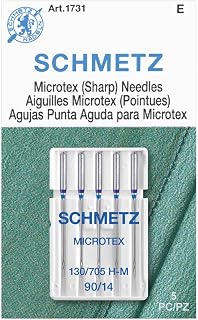
SCHMETZ Microtex Sharp Sewing Machine Needles – Quilting & Topstitching Supplies, Size 90/14, 5-Needle Card, Pack of 1
Check PriceA needle swap transforms your fleece project. The ideal choice is a ballpoint or jersey needle, sized 80/12 or 90/14. These rounded tips slide between the knit fibers rather than piercing them, which prevents snags and runs. Many sewists also get excellent results with a universal needle, especially on stable anti-pill fleece.
For a deep dive into specific recommendations, see our guide on the best needle for sewing fleece. Pair your needle with good quality all purpose polyester thread. Cotton thread can snap under the slight stretch, and heavy topstitching thread often creates tension loops on fleece. Stick with a smooth, strong polyester that glides through the nap without breaking.
Mastering Sewing Machine Settings for Fleece
FIVEIZERO 80/40 PCS Premium Stainless Steel Sewing Needles, 7 Sizes Large Eye Sewing Sharp Needles, Leather Needle Embroidery Thread Needle with Threaders for Handsewing Art Crafts
Check PriceYour machine settings play a huge role in how easily fleece feeds. Extend your stitch length to 3.0 mm or 3.5 mm. Short stitches can bunch the fluffy surface and lead to wavy seams. Loosen the needle tension slightly, then test on a scrap. If the underside shows loops, reduce the top tension until the stitch interlocks cleanly inside the fabric. Thick layers and the fabric’s texture benefit from a walking foot or an even feed mechanism.
These attachments prevent the bottom layer from sneaking ahead and creating puckers. If your machine has adjustable presser foot pressure, lighten it so the bulk glides without stretching. A standard zigzag stitch set to a narrow width can also act as a stretch seam for high movement areas, though a straight stitch works perfectly for most seams.
Top Tips for Stress Free Fleece Sewing
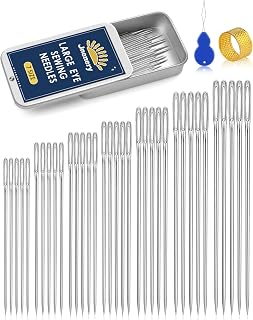
JNENERY Large Eye Sewing Needles 7Sizes Stainless Steel Needles Hand Sewing
Check PriceSeasoned sewists rely on a few simple habits to make fleece a joy. First, replace pins with sewing clips or wonder clips. Pins can leave permanent holes in the dense pile, and clips hold thick layers without shifting. Second, use a rotary cutter and a self healing mat for crisp, accurate edges instead of dragging scissors through the loft. When you must iron, always place a pressing cloth between the iron and the fleece; direct heat can melt the fibers or flatten the nap permanently.
You can find an excellent step by step demonstration on sewing fleece successfully. Gently guide the fabric rather than pushing or pulling, because tension at the needle can distort the shape. If you are adding ribbing or bands, use a lightning bolt stretch stitch to keep the hem elastic. Finally, organize your scraps into color coordinated piles; fleece is forgiving enough for last minute patchwork accents.
- Replace pins with clips to avoid permanent holes
- Cut with a rotary cutter for sharp, even edges
- Use a press cloth; never apply a hot iron directly to fleece
- Handle gently and let the feed dogs move the fabric
- Test stitch length and tension on identical scrap layers
Comparing Fleece to Other Fabrics: A Sewing Difficulty Overview
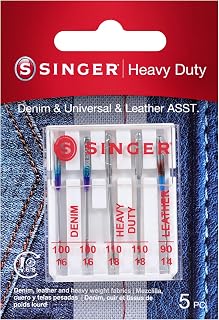
SINGER Heavy Duty Needles 90/14 100/16 110/18 Denim Leather 5-Count
Check PriceWhen asking ‘is fleece difficult to sew’, it helps to put the fabric side by side with others. Fleece is easier than most knit fabrics because the edges stay put. Compare it to a slinky rayon jersey that curls at the cut line, or to delicate silk that slides off your table. Fleece is far more cooperative. Even among plush fabrics, fleece is a dream. Sewing plush fabrics like minky often involves shedding fibers and slippery backings, while fleece stays stable and barely moults.
Denim and canvas demand heavy duty needles and sturdy machines, but fleece hums along on a standard domestic setting. Linen wrinkles and frays, satin is shifty, and lace requires careful handling, yet fleece lets you skip seam finishes and still look polished. This forgiving character makes it a top choice for beginners building confidence and for experienced makers whipping up fast gifts.
Frequently Asked Questions
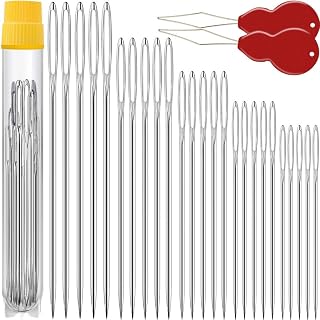
Premium Large Eye, Large Gauge Needles for Hand Sewing – Assorted Sizes, Including Embroidery – 25/50 PCs with 2 Threaders
Check PriceIs fleece good for beginner sewing projects?
Absolutely. Fleece hides small errors beautifully because it does not fray, and its slight stretch forgives minor alignment slips. Cozy blankets, simple scarves, and pull on hats are ideal first projects that deliver professional looking results quickly.
What stitch length is best for fleece?
A longer straight stitch between 3.0 mm and 3.5 mm prevents tunneling and lets the plush layers lie flat. If you are sewing a stretchy fleece style, a narrow zigzag (width 1.0, length 3.0) adds comfortable give without waviness.
Can I use a regular sewing machine for fleece?
Yes, any home sewing machine handles fleece well once you attach the right needle and adjust the tension. A walking foot is helpful for thick or slippery layers, but a standard presser foot works too if you baste or clip carefully.
Does fleece fray when cut?
No, fleece is a nonwoven knit fabric, meaning the cut edges remain clean without a single loose thread. This is one of the main reasons it is such a user friendly material for both sewing and no sew projects.
What needle should I use for fleece?
Ballpoint or jersey needles size 80/12 or 90/14 are the safest bet. They separate the knit loops instead of cutting them, which keeps your seams smooth and free of laddering. Be sure to change your needle regularly, as fleece can dull points faster than thin wovens.
With the right preparation, the question ‘is fleece difficult to sew’ turns into a confident ‘not at all’. Select a ballpoint needle, lengthen your stitch, and treat the fabric gently. These simple adjustments open the door to a world of soft, snuggly projects that delight sewists at any level. Whether you are stitching a quick blanket for a friend or a full zip jacket for yourself, fleece rewards you with cozy, durable creations every time.
