
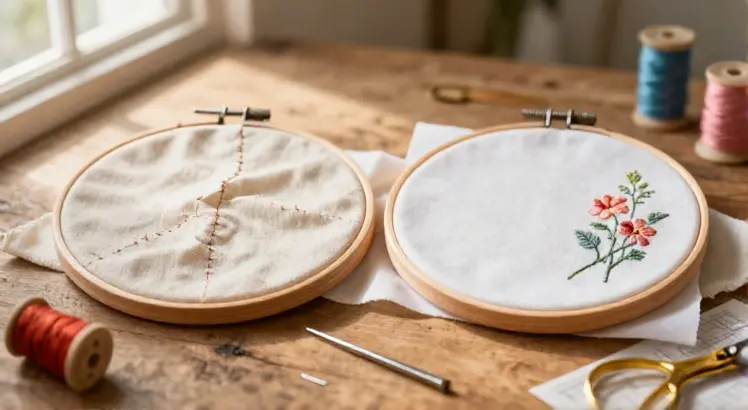
Many beginners wonder if a stabilizer is necessary for embroidery. The short answer is yes, stabilizer is a core part of machine embroidery. It supports the fabric, prevents puckering, and keeps stitches clean.
What Does a Stabilizer Do in Embroidery?
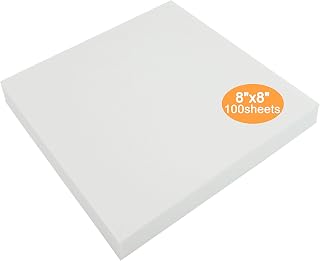
New brothread Tear Away Embroidery Stabilizer 8″x8″
Check PriceA stabilizer is a backing material placed under fabric during embroidery. It gives the fabric extra support so the needle can form even stitches. Without support, the fabric moves and the design becomes distorted. Stabilizer also helps maintain the shape of the final embroidery.
The main role is to prevent shifting, stretching, and puckering. Dense embroidery designs push the fabric down with every stitch. A stabilizer balances that pressure and keeps the surface flat. This is especially important for knit and stretch fabrics.
Stabilizer also supports the thread and helps the design last longer. When you wash or wear the item, the embroidery stays intact. The right stabilizer choice reduces thread breaks and machine jams. It creates a professional finish every time.
For more about embroidery as a craft, visit Britannica’s embroidery guide. Understanding the basics helps you see why support materials matter so much.
What Happens When You Skip Stabilizer?
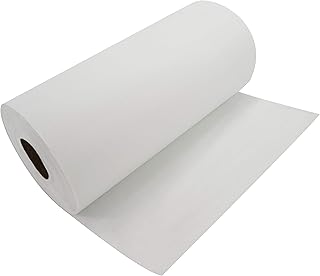
New brothread Tear Away Embroidery Stabilizer 12″ x 50 Yd Roll
Check PriceSkipping stabilizer can cause immediate problems with your embroidery. The fabric may pucker, and the design can look uneven. Dense stitching can pull the fabric into a wrinkled mess. You may also see gaps between the stitches and the fabric.
Without a stabilizer, stretchy fabrics like knits can become wavy and loose. The embroidery may start to sag after a few washes. Threads can snap because the fabric moves during stitching. The final piece will rarely have a crisp, clean finish.
Even small designs can ruin a project if the fabric is not supported. The needle can push the fabric into the machine throat plate. This causes skipped stitches and uneven tension. A stabilizer prevents these issues before they start.
Main Types of Embroidery Stabilizers
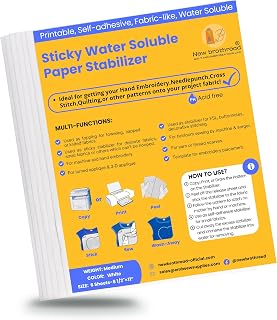
New brothread Sticky Water Soluble Embroidery Stabilizer
Check PriceThere are three main categories of stabilizer used in machine embroidery. Each type has a specific purpose and removal method. The most common are tear away, cut away, and water soluble. You can explore the best embroidery stabilizers for detailed product comparisons.
Tear Away Stabilizers
Tear away stabilizer is designed to be removed by tearing after stitching. It works well on stable woven fabrics that do not stretch. You tear away the excess backing carefully without pulling the stitches. This type is popular for denim, canvas, and towels.
Cut Away Stabilizers
Cut away stabilizer remains behind the embroidery permanently. You trim the excess with scissors after completing the design. It provides the strongest support for stretchy fabrics and dense designs. It also prevents the embroidery from distorting over time.
Water Soluble Stabilizers
Water soluble stabilizer dissolves completely in water after stitching. It is ideal for freestanding lace, cutwork, and toppings on textured fabrics. You can also use it on the front of towels to prevent stitches from sinking. Once dissolved, no backing remains visible.
Tear Away vs Cut Away: A Detailed Comparison
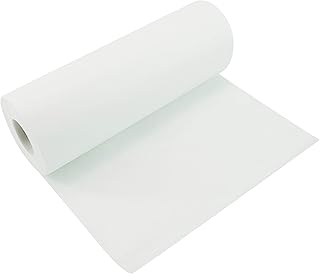
New brothread Tear Away Embroidery Stabilizer 10″ x 25 Yd
Check PriceTear away and cut away stabilizers serve different purposes. Tear away is faster to remove and leaves no backing behind. Cut away provides lasting support and is better for stretchy fabrics. Your fabric type should determine which one you use.
For stable woven fabric, tear away is often enough. It is easy to remove and keeps the back of the design clean. For knit, fleece, or performance fabric, cut away is the safer choice. It prevents distortion and keeps the embroidery smooth after washing.
Dense designs with many stitches also favor cut away. The extra support prevents puckering and thread breaks. In contrast, light designs on sturdy fabric work well with tear away. Compare the fabric and stitch count before deciding.
How to Choose the Right Stabilizer Weight
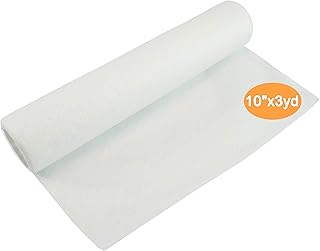
New brothread Wash Away Embroidery Stabilizer
Check PriceStabilizer comes in different weights, often listed as light, medium, and heavy. Lightweight stabilizer works for low stitch count designs on stable fabrics. Heavyweight stabilizer supports dense designs and thick or stretchy materials. The weight should match the stress level of the embroidery.
A general rule is to use a heavier stabilizer when the design is dense. For a light monogram on cotton, a medium weight may be enough. Towels and terry cloth often need a heavier tear away or cut away. You can also layer two sheets for extra support without changing the design.
For more guidance, see how to use embroidery stabilizer with step by step instructions. Testing on a fabric scrap is the best way to check support. Stitch a small section and inspect the back and front for puckering. If the fabric shifts or the stitches sink, move up a weight.
Water Soluble Stabilizers and Toppings
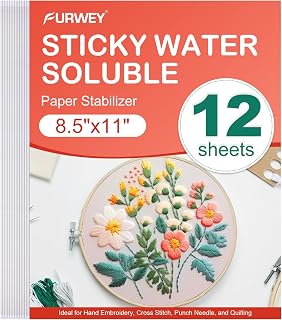
FURWEY Water Soluble Stabilizer for Embroidery
Check PriceWater soluble stabilizer is unique because it disappears completely. It is often used as a topping on towels, fleece, and other high pile fabrics. The topping holds the fibers down so stitches do not sink into the texture. After rinsing, only the embroidery remains on the surface.
This type is also essential for freestanding lace designs. The entire design is stitched on water soluble backing, then soaked to melt the support. What remains is the lace itself, with no backing film. You can also use it for cutwork and 3D embroidery.
Some water soluble stabilizers come with an adhesive backing. These sticky versions are great for hard to hoop items or small patches. You stick the stabilizer to the item, stitch, then wash away the rest. It gives you precise placement without shifting.
Step by Step Guide to Using Stabilizer
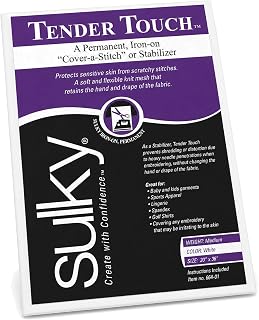
Sulky Cut-Away Embroidery Stabilizer Iron-On
Check PriceStart by hooping the stabilizer with the fabric, not the fabric alone. Many people hoop both layers together so the fabric stays tight. If the design is dense, add an extra layer of stabilizer beneath. Make sure the stabilizer is larger than the hoop area.
For sticky stabilizer, peel the release paper and press the fabric onto it. Then hoop the sticky sheet without stretching the fabric. For regular backing, position the fabric over the stabilizer and smooth out wrinkles. A firm hoop prevents movement and gives you clean registration.
After stitching, remove the stabilizer according to its type. Tear away carefully from the outer edges toward the design. Cut away close to the stitches but do not snip the threads. Water soluble stabilizer needs a warm water rinse or soak.
Common Mistakes to Avoid
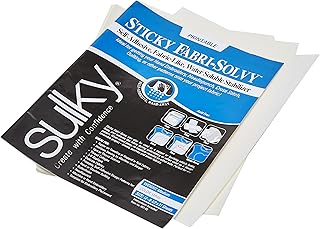
Sulky Sticky Fabri-Solvy Stabilizer
Check PriceOne common mistake is using no stabilizer at all. This causes puckering and uneven stitches on almost any fabric. Another error is using the wrong type for the fabric. For example, tear away on a knit can fail after washing.
Many beginners choose a stabilizer that is too lightweight. Dense designs need heavier support, especially on stretchy material. Hooping only the fabric without stabilizer is also a frequent error. The fabric may stretch out of shape before you even start stitching.
Do not tear away stabilizer too aggressively after stitching. Pulling hard can distort the design and break threads. Use small scissors for cut away instead of ripping it off. This keeps the embroidery smooth and professional.
Frequently Asked Questions
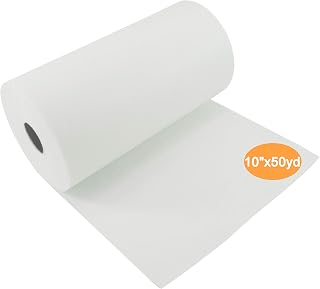
New brothread Cut Away Embroidery Stabilizer 10″ x 50 Yd
Check PriceCan I use a regular fabric as a stabilizer?
Some sewists use extra fabric or interfacing as a temporary support. However, these are not designed for machine embroidery stress. A proper stabilizer releases cleanly or dissolves without damaging the design. It is worth investing in the right product for predictable results.
Is stabilizer necessary for hand embroidery?
Hand embroidery does not require the same type of machine stabilizer. A hoop holds the fabric tight during hand stitching. You may still use a light backing to prevent thin fabric from pulling. But the heavy support needed for machine embroidery is not essential.
What is the best stabilizer for towels?
Towels are thick and textured, so a tear away or cut away backing works well. Many embroiderers add a water soluble topping on the towel face. The topping keeps stitches from sinking into the loops. After washing, the topping disappears and the design stays sharp.
Can I use stabilizer for applique?
Yes, stabilizer is very helpful for applique embroidery. A tear away backing keeps the base fabric stable while stitching the applique pieces. A light water soluble topping can also help with thick fabrics. The choice depends on the base fabric and design density.
Conclusion
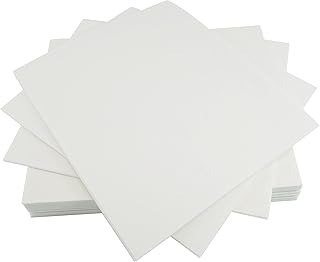
New brothread Cut Away Embroidery Stabilizer 8″x8″
Check PriceA stabilizer is necessary for embroidery if you want clean, lasting results. It prevents puckering, distortion, and thread breaks. The right type and weight depends on your fabric and design. Taking time to test stabilizers will improve every project.
Start with a basic tear away for stable fabrics and a cut away for knits. Add a water soluble topping for textured or high pile fabric. Keep a few different types on hand so you are ready for any project. Your embroidery will look sharper and last longer.

Disclosure: As an Amazon Associate, we earn from qualifying purchases at no extra cost to you. Our posts are created with AI tools and human editing.