
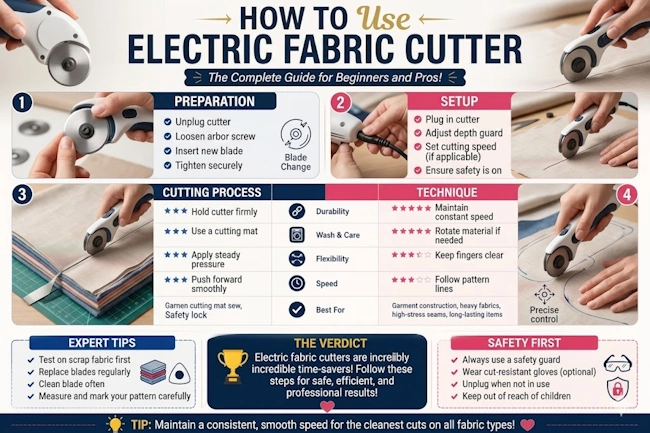
If you’ve ever struggled to cut thick denim, multiple layers of quilting cotton, or slippery silk with manual scissors, learning how to use electric fabric cutter will change your sewing workflow forever. These handheld power tools slice through fabrics faster, straighter, and with less hand fatigue than traditional shears, making them a must-have for sewists tackling large projects or tough materials. Whether you’re a beginner looking to upgrade your toolkit or an intermediate maker wanting to refine your cutting technique, this guide covers everything you need to know to use an electric fabric cutter safely and effectively.
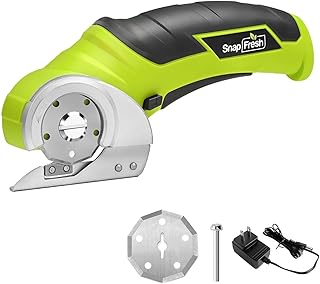
SnapFresh Cordless Electric Scissors, 4V Electric Mini Box Cutter, Carpet & Cardboard Cutter Tool with a Replacement Blade/Charger, Rotary Cutter for Cardboard Packages Leather Plastic (Green)
Check PriceWhat Is an Electric Fabric Cutter?
An electric fabric cutter is a battery-operated or corded power tool designed to cut fabric faster and more precisely than manual scissors or rotary cutters. Unlike manual tools that rely on your hand strength, electric cutters use a motor to power a rotating blade or reciprocating scissor blades, reducing strain during long cutting sessions. They’re popular among quilters, upholsterers, costume designers, and hobby sewists who need to cut large pieces or multiple fabric layers quickly.
Common Types of Electric Fabric Cutters
Not all electric fabric cutters are the same. The three most common types you’ll encounter are:
- Rotary electric cutters: These feature a circular rotating blade (similar to a manual rotary cutter, but powered by a motor) that glides along a cutting mat. They’re ideal for cutting straight lines, multiple fabric layers, and quilting squares. Rotary models are the most popular choice for quilters and sewists working with multiple fabric layers, and you can check our roundup of top-rated electric rotary fabric cutters to find a model that fits your budget.
- Electric fabric scissors: These look like traditional scissors but have a motor that powers the blade movement, so you don’t have to squeeze the handles manually. They’re perfect for curved cuts, detailed shapes, and tight corners. Our guide to the best electric fabric scissors breaks down the top options for beginners and pros alike.
- Industrial electric cutters: Heavy-duty, corded models designed for thick materials like leather, canvas, and upholstery foam. These are typically used by professional upholsterers and costume shops, as they can cut through 10+ layers of heavy fabric at once.
Essential Safety Precautions Before You Start
Electric fabric cutters have sharp, fast-moving blades that can cause serious injury if used incorrectly. Always prioritize safety before turning on your tool. For official safety standards, refer to Joann’s official fabric cutting guidelines, which align with industry best practices for power cutting tools.
Must-Have Safety Gear
- Cut-resistant gloves: Look for gloves rated ANSI Level 3 or higher to protect your hands if the blade slips. Never hold fabric taut with your bare hands while cutting.
- Safety goggles: Small fabric fibers or blade debris can fly into your eyes during cutting, especially when working with synthetic materials.
- Non-slip cutting mat: A self-healing cutting mat prevents the blade from slipping and protects your work surface. Make sure the mat is larger than the fabric piece you’re cutting.
Workspace Setup Tips
Set up your cutting area for maximum safety and efficiency:
- Use a sturdy, waist-high table to avoid back strain while cutting.
- Ensure your workspace has bright, shadow-free lighting. Clip-on LED lights work well for detailed cutting.
- Keep kids, pets, and loose clothing away from the cutting area. Tie back long hair to avoid it getting caught in the motor.
- Keep a first aid kit nearby in case of minor cuts.
SnapFresh Cordless Electric Scissors, 4V Electric Mini Box Cutter, Carpet & Cardboard Cutter Tool with a Replacement Blade/Charger, Rotary Cutter for Cardboard Packages Leather Plastic (Green)
Check PriceStep-by-Step Guide: How to Use Electric Fabric Cutter
Follow these six simple steps to cut fabric safely and accurately every time. This process works for most rotary and scissor-style electric cutters, but always check your tool’s manual for model-specific instructions.
Step 1: Prepare Your Fabric and Workspace
Pre-wash and iron your fabric to remove wrinkles, which can cause uneven cuts. Lay the fabric flat on your cutting mat, smoothing out all creases. If you’re cutting multiple layers, pin or clip them together every 6-8 inches to prevent shifting. Use a ruler or yardstick to mark your cutting lines with fabric chalk or a washable marker.
Step 2: Choose the Right Blade for Your Fabric
Most electric cutters come with interchangeable blades. Use a fine-tooth blade for delicate fabrics like silk and chiffon, a standard blade for cotton and linen, and a heavy-duty blade for denim, canvas, and leather. Dull blades will snag fabric and require more pressure, increasing the risk of slips. Replace blades every 3-6 months with regular use, or sooner if you notice frayed edges on your cuts.
Step 3: Power On and Test the Cutter
Plug in your corded cutter or insert fully charged batteries for cordless models. Turn on the tool and let the blade reach full speed before touching it to fabric. Test the cutter on a scrap piece of the same fabric you’re cutting to check blade sharpness and adjust your grip pressure. If the blade snags or skips, turn off the tool and replace the blade before proceeding.
Step 4: Position the Cutter Correctly
For rotary cutters: Hold the tool perpendicular to the cutting mat, with the blade resting lightly on the mat surface. Guide the cutter along your marked line with your dominant hand, using your non-dominant hand to hold the ruler in place (wear a cut-resistant glove on this hand!).
For electric scissors: Insert the fabric between the blades, holding the handles as you would traditional scissors. The motor will power the blade movement, so you only need to guide the scissors along your cutting line.
Step 5: Cut with Steady, Even Pressure
Never force the cutter through fabric. Let the motor do the work: apply light, consistent pressure as you guide the tool along your marked line. For straight cuts, move the cutter in one smooth motion rather than stopping and starting. For curved cuts, slow down and rotate the fabric (not the cutter) to maintain accuracy. If the blade stalls, turn off the tool immediately and remove it from the fabric – forcing it can burn out the motor or break the blade.
Step 6: Turn Off and Store Properly
Once you finish cutting, turn off the tool and wait for the blade to stop spinning completely before setting it down. Unplug corded models or remove batteries for cordless ones if you’re storing them long-term. Wipe the blade clean with a dry cloth to remove fabric fibers, and store the cutter in its protective case to prevent blade damage.
Pro Tips for Cutting Different Fabric Types
Different fabrics require slight adjustments to your cutting technique. Here’s how to get clean cuts every time:
Cutting Delicate Fabrics (Silk, Chiffon, Lace)
- Use a fine-tooth blade and the lowest speed setting if your cutter has adjustable speed.
- Place a layer of tissue paper under the fabric to prevent it from slipping on the cutting mat.
- Avoid cutting more than 2 layers at once, as delicate fabrics can shift easily.
Cutting Thick Fabrics (Denim, Canvas, Leather)
- Use a heavy-duty blade and cut no more than 4 layers at once to avoid stalling the motor.
- For leather, use a specialized leather blade to prevent tearing.
- Apply slightly more pressure than you would for thin fabrics, but still let the motor do the work.
Cutting Stretchy Fabrics (Spandex, Jersey, Minky)
- Place a layer of non-slip shelf liner under the fabric to prevent it from stretching while cutting.
- Cut single layers only, as stretchy fabrics can distort when layered.
- Use a rotary cutter for stretchy fabrics, as electric scissors can sometimes pull the fabric and cause uneven edges.
SnapFresh Cordless Electric Scissors, 4V Electric Mini Box Cutter, Carpet & Cardboard Cutter Tool with a Replacement Blade/Charger, Rotary Cutter for Cardboard Packages Leather Plastic (Green)
Check PriceHow to Maintain Your Electric Fabric Cutter
Regular maintenance extends the life of your cutter and ensures safe, accurate cuts. Follow these simple steps:
Blade Care and Replacement
Wipe the blade with a dry cloth after every use to remove fabric fibers and lint. For sticky residue (like from fusible interfacing), use a small amount of rubbing alcohol on a cloth. Replace blades as soon as you notice frayed edges, snagging, or increased cutting resistance. Never use a dull blade, as it requires more pressure and increases the risk of slips.
Motor Maintenance
Check the motor vents for lint buildup every month, and use a small brush or compressed air to clear any debris. Avoid cutting through pins or zippers, as metal can damage the motor and blade. If your cutter starts making unusual noises or loses power, stop using it immediately and contact the manufacturer for repairs.
Storage Best Practices
Store your cutter in a cool, dry place away from direct sunlight. Always use the protective blade cover or case when storing to prevent accidental cuts and blade damage. For cordless models, remove the batteries if you won’t be using the cutter for more than a month to avoid battery corrosion.
Frequently Asked Questions
Can I use an electric fabric cutter on all fabric types?
Yes, but you need to use the correct blade and technique for each fabric. Delicate fabrics require fine-tooth blades and slow speeds, while thick fabrics need heavy-duty blades. Avoid using electric cutters on bonded waterproof fabrics (like PUL) as the heat from the blade can melt the material.
Do I need special blades for different fabrics?
While you can use a standard blade for most cotton and linen fabrics, investing in specialized blades will give you cleaner cuts and extend the life of your cutter. Fine-tooth blades are essential for delicate fabrics, and heavy-duty blades are a must for thick materials like denim and leather.
How often should I replace the blade?
With regular use (2-3 times per week), replace blades every 3-6 months. If you cut thick fabrics frequently, you may need to replace blades every 1-2 months. Always replace the blade as soon as you notice it’s not cutting cleanly.
Is an electric fabric cutter better than manual scissors?
For large projects, multiple layers, or thick fabrics, electric cutters are far more efficient and reduce hand fatigue. Manual scissors are still better for very small, detailed cuts (like trimming thread) or for sewists who only work on occasional small projects. Many sewists keep both tools in their toolkit.
Can beginners use electric fabric cutters safely?
Absolutely. As long as you follow all safety precautions, wear cut-resistant gloves, and practice on scrap fabric first, beginners can use electric cutters safely. Start with thin cotton fabrics before moving to thick or delicate materials to build your confidence.
Conclusion
Learning how to use electric fabric cutter is a game-changer for any sewist looking to save time, reduce hand strain, and get more accurate cuts. Remember to always prioritize safety, choose the right blade for your fabric, and maintain your tool regularly to keep it working like new. Start with small projects to build your technique, and soon you’ll wonder how you ever managed with manual scissors alone. Whether you’re quilting, sewing clothes, or upholstering furniture, an electric fabric cutter will become one of your most-used sewing tools.
