
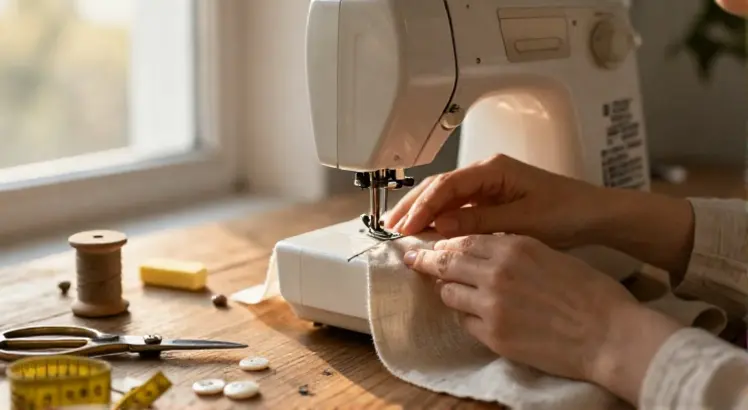
Learning how to use a handheld sewing machine can transform your mending routine. These compact gadgets deliver quick stitches for hemlines, repairs, and small craft projects without the bulk of a full sewing machine. Mastering the basics takes just a few minutes of practice. This guide walks you through every step with clarity.
Getting to Know Your Handheld Sewing Machine
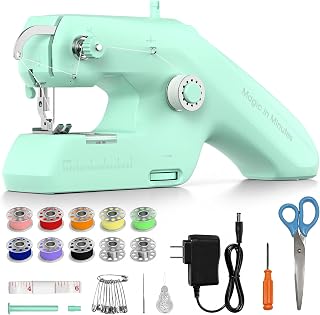
Vaspow Double Thread Handheld Sewing Machine
Check PriceBefore you start sewing, familiarize yourself with the machine’s key components. The most visible parts include the needle plate, the presser foot, and the tension control dial. You will also find the power switch and the hand wheel on the side. Recognizing these elements helps you operate the device safely and efficiently.
Most handheld models are lightweight and ergonomically designed for a single hand grip. The thread spool pin sits on top while the bobbin compartment is at the front. Pay attention to the threading guides marked on the body, they simplify the process. A comfortable hold reduces hand fatigue during longer mending sessions.
Unboxing and Initial Setup
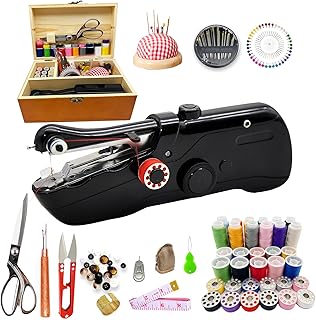
Handheld Sewing Machine with Wooden Storage Box
Check PriceWhen you unbox your new machine, check the included accessories. Most kits come with extra needles, a threader, and a small bobbin. Read the user manual to identify the correct battery type or power adapter it supports. Setting up on a flat, stable surface ensures smooth operation.
Insert fresh batteries if you are using cordless mode. Align the power plug securely if using the adapter. Always turn the power off before threading or changing needles. This simple habit prevents accidental starts and needle pricks.
Threading the Machine Correctly
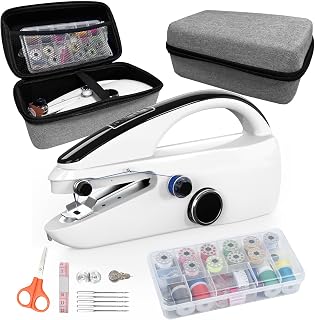
Portable Handheld Sewing Machine with Storage Kit
Check PriceThreading a handheld sewing machine is straightforward once you follow the numbered guides. Start by placing a spool of thread on the spool pin. Pull the thread through the first guide, around the tension disc, and down to the needle. Always thread with the machine turned off for safety.
Use the needle threader if your dexterity is limited, and check our guide on using a needle threader for extra tips. Pull about 4 inches of thread through the needle eye. Both top and bottom threads must be drawn to the back. A proper thread path eliminates skipped stitches.
Choosing the Right Needle and Thread
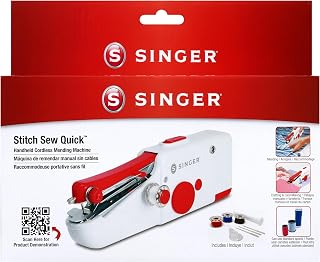
SINGER Stitch Sew Quick Portable Mending Machine
Check PriceSelecting the correct needle and thread prevents fabric damage and machine jams. Light to medium weight fabrics like cotton and linen work best with size 11 or 14 needles. Pair polyester all purpose thread for most quick mends. Heavier threads may clog the tiny bobbin system.
Consult your manual for compatible needle types. Replace blunt needles immediately, they can snag delicate materials. Using high quality thread reduces lint buildup inside the machine. Keep spare needles and small spools ready in your kit.
Preparing Your Fabric for Stitching
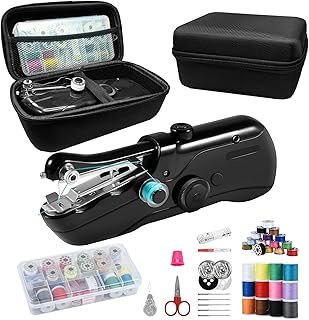
Handheld Sewing Machine with Storage & Dual Power
Check PriceGood fabric preparation makes a huge difference in stitch quality. Iron your material to remove wrinkles and fold lines. Align raw edges with pins or fabric clips, keeping them away from the needle path. Handheld machines lack feed dogs, so you must guide the fabric manually.
For lightweight silks or sheers, use a tear away stabilizer underneath. Take a look at our sowing silk advice for delicate handling. Avoid bulky seams the machine’s small presser foot cannot climb. Smooth, flat seams guarantee even stitching.
Mastering Basic Stitching Techniques
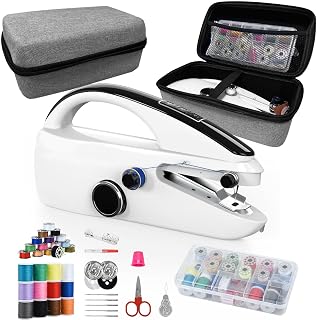
Portable Handheld Sewing Machine with 20 Spools
Check PriceTo sew a straight line, hold the fabric taut with your left hand while guiding with your right. Press the power button and let the machine feed the material at an even pace. Do not push or pull too hard, let the needle do the work. Consistent speed produces uniform stitch length.
Practice on scrap fabric before tackling a real project. Experiment with slow, medium, and fast speed settings if your model offers them. Backstitching at start and end locks the seam. Raise the needle, lift the presser foot, and clip threads to finish.
Sewing Curves and Corners
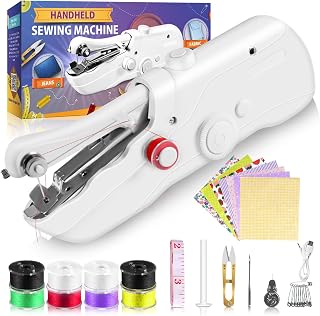
Mini Electric Handheld Sewing Machine
Check PriceNavigating bends with a hand held machine requires gentle fabric rotation. Slow down as you approach a curve and pause with the needle down in the fabric. Lift the presser foot slightly, pivot the material to the new direction, then lower the foot and continue. This technique mimics a standard sewing machine pivot.
Tight corners call for stopping exactly at the point. Turn the hand wheel to manually place the needle down, then pivot. Smooth inner curves benefit from smaller stitch length if adjustable. Take your time, rushing causes uneven lines.
Understanding Tension and Speed Control
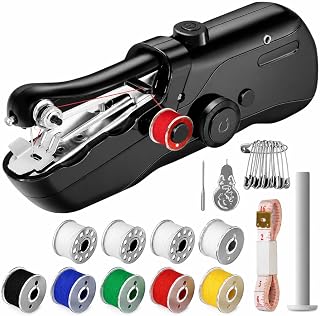
Cordless Handheld Sewing Machine
Check PriceTension influences how the thread interlocks with the bobbin thread. Most hand held devices have a single tension dial. Turn it clockwise to tighten, counterclockwise to loosen. Balanced tension looks neat on both sides of the fabric.
Speed control, if present, allows you to match your comfort level. Beginners should stay on the lower setting until they develop a steady hand. Fast speed is handy for long, straight hems. Test adjustments on a scrap piece first.
Operatng with Batteries vs. Power Adapter
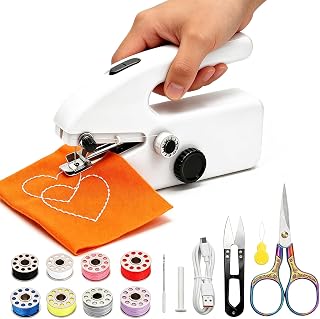
Hand Held Sewing Machine with 15-Piece Kit
Check PriceHandheld sewing machines often come with dual power options. Battery operation gives you full portability for outdoor or travel repairs. Alkaline batteries deliver steady voltage, while rechargeable ones are eco friendly. Always remove batteries if storing for long periods.
Using the power adapter provides consistent motion without voltage drop. Make sure the adapter matches the machine’s voltage requirement. A cord can limit range but ensures uninterrupted power for lengthy sewing sessions. Keep the cord away from the needle area.
Cleaning and Maintaining Your Machine
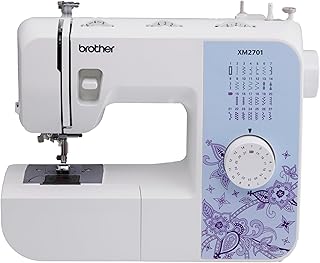
Brother XM2701 Portable Sewing Machine
Check PriceRegular maintenance extends the life of your mini sewing machine. After each use, unplug it and use the small brush to sweep away lint from the bobbin area. Oiling the moving parts as instructed prevents squeaks and jams. A clean machine runs quieter and smoother.
Store the machine in its original box or a dedicated pouch to protect it from dust. Check needle alignment periodically and tighten any loose screws. Treat your device with care and it will reliably handle quick mends for years. Never submerge the machine in water.
Troubleshooting Common Handheld Sewing Machine Problems
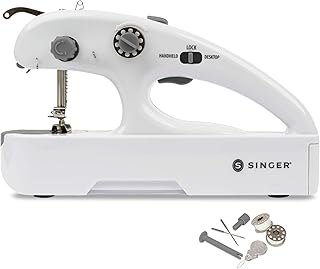
SINGER Stitch Quick+ 2-Thread Mending Machine
Check PriceSkipped stitches often result from a blunt or incorrect needle. Rethread both top and bobbin threads to rule out threading mistakes. Thread bunching underneath the fabric indicates tension imbalance. Adjust the tension dial slightly and test again.
If the machine does not start, check battery orientation or adapter connection. A frozen hand wheel may indicate thread tangled inside, clear the jam gently. Most issues resolve with simple adjustments. Always refer to the user manual for model specific guidance.
Handheld Sewing Machine vs. Traditional Desktop Machines
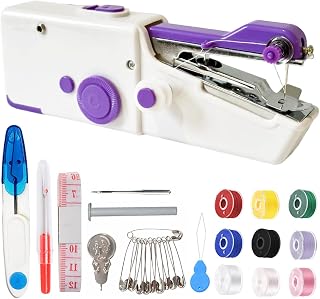
Purple Mini Handheld Sewing Machine
Check PriceA handheld seamstress tool excels in portability and quick fixes. It cannot handle heavy fabrics like denim or leather the way a desktop model can. Stitch quality on delicate fabrics is acceptable but not as polished as a full size machine. Choose based on your project scope.
Desktop machines offer multiple stitch patterns, adjustable presser foot pressure, and built in feed dogs. The handheld version is best for occasional mending, crafts, and travel. For serious garment construction, invest in a standard model. Both have a place in a well equipped sewing kit.
Top Projects to Try with Your Mini Sewing Machine
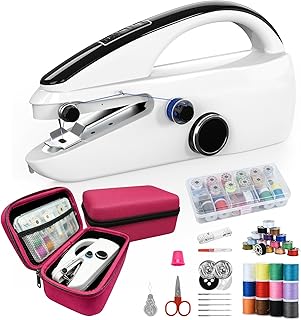
Two-Speed Handheld Sewing Machine with Red Case
Check PriceStart with simple hemming on curtains, pants, or sleeves. Create DIY fabric napkins and placemats with straight stitch edges. Tiny dolls clothes and pet bandanas are fun beginner crafts. These small projects boost your confidence.
Repair loose pillow seams or stitch on a quick patch. You can even sew lightweight bunting for parties. Always match the machine’s capacity to the fabric weight. Celebrating small successes keeps you motivated to grow your skills.
For more expert sewing resources and community knowledge, visit the American Sewing Guild. Their tips can inspire your next creative journey. Enjoy your handheld machine and the freedom of quick, portable mending.

Disclosure: As an Amazon Associate, we earn from qualifying purchases at no extra cost to you. Our posts are created with AI tools and human editing.