
Threading a needle may look simple, but in reality, it can be one of the most frustrating parts of sewing. Whether you are a beginner or someone with experience, trying to pass a thin thread through a tiny needle eye often takes multiple attempts. This becomes even harder when working with fine needles, poor lighting, or delicate threads.
A needle threader is a small but powerful tool that solves this problem instantly. It helps you thread a needle quickly, accurately, and without stress. Instead of struggling with your hands and eyesight, the tool does the work for you.
In this detailed guide, you will learn exactly how to use a needle threader step by step, along with expert tips, common mistakes, and practical advice. By the end, you’ll be able to thread any needle easily and confidently.
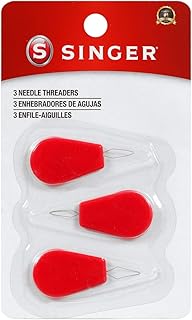
SINGER 00056 3 Count Needle Threaders
Check PriceWhat Is a Needle Threader?
A needle threader is a simple sewing tool designed to help pass thread through the eye of a needle. It usually consists of a small handle attached to a thin wire loop or hook. This loop is flexible enough to go through the needle eye and strong enough to pull the thread back through.
The main purpose of a needle threader is to eliminate the difficulty of manual threading. Instead of pushing the thread through the needle, you place the thread into the loop and pull it through effortlessly.
Needle threaders are widely used in hand sewing, embroidery, quilting, and even some sewing machines. They are especially useful for beginners, elderly users, or anyone who struggles with fine motor control or eyesight.
3. Types of Needle Threaders
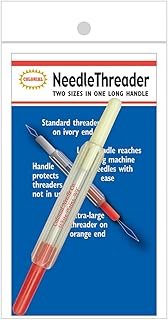
Colonial CNT-1 CottageCutz 2-in-1 Needle Threader
Check PriceThere are different types of needle threaders available, each designed for specific uses.
3.1 Wire Loop Needle Threader (Plastic Type)
This is the most common type. It features a plastic handle and a thin wire loop. It is easy to use and very affordable, making it perfect for beginners. However, the wire loop is delicate and needs careful handling.
3.2 Metal Hook Needle Threader
This type is more durable and often used for heavier threads or frequent sewing. Instead of a loop, it uses a small hook to catch the thread and pull it through the needle.
3.3 Automatic Needle Threader (Built-in)
Many modern sewing machines include an automatic threader. This mechanism uses a tiny hook to grab the thread and pass it through the needle automatically, saving even more time.
4. Parts of a Needle Threader
Understanding the parts will help you use the tool correctly and avoid damage.
4.1 Handle or Body
The handle is the part you hold. It is usually made of plastic or metal and provides grip and control.
4.2 Wire Loop or Hook
This is the working part of the threader. It passes through the needle eye and pulls the thread along with it.
4.3 Grip Area
Some threaders include a textured area for better control, especially useful for beginners.
5. Step-by-Step: How to Use a Needle Threader
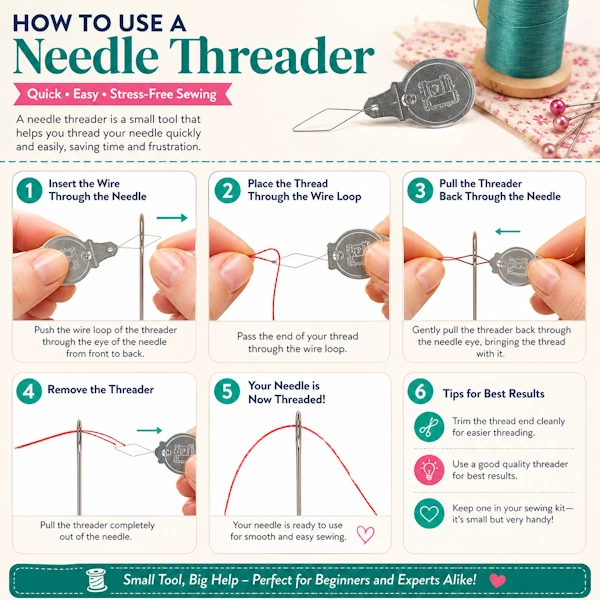
Using a needle threader is very simple once you understand the process. Follow these steps carefully:
Step 1: Insert the Threader into the Needle Eye
Hold your needle steady with one hand. With the other hand, gently insert the wire loop or hook through the eye of the needle. It should slide through easily without force.
Step 2: Place the Thread into the Loop or Hook
Take the end of your thread and insert it into the wire loop. You only need a small portion of thread for this step.
Step 3: Pull the Threader Back Through the Needle
Slowly pull the threader back out of the needle eye. As it comes out, it will pull the thread along with it.
Step 4: Adjust the Thread Length
Remove the threader and pull the thread to your desired length. Your needle is now threaded and ready for sewing.
6. How to Use Different Types of Needle Threaders
6.1 Using a Wire Loop Threader
Insert the loop, place the thread inside, and gently pull it back through. This is the easiest method and ideal for beginners.
6.2 Using a Metal Hook Threader
Insert the hook into the needle eye, catch the thread, and pull it back. This type is stronger and more durable.
6.3 Using a Sewing Machine Threader
Lower the threader lever, position the thread correctly, and release it to automatically pull the thread through the needle.
7. Tips for Easy Needle Threading
To make threading even easier, follow these expert tips:
- Always use good lighting to clearly see the needle eye
- Cut the thread neatly using sharp scissors
- Choose the correct needle size for your thread
- Keep your hands steady while working
- Pull gently to avoid damaging the threader
These small improvements can make the process faster and more efficient.
Common Mistakes to Avoid
Many beginners accidentally damage their threader due to simple mistakes:
- Pulling too hard and breaking the wire loop
- Using very small needles that don’t fit the loop
- Forcing the threader into the needle
- Twisting or bending the loop repeatedly
Avoiding these mistakes will help your threader last longer and work properly.
When to Use a Needle Threader
A needle threader is useful in many sewing situations:
- Hand sewing and quick repairs
- Embroidery and detailed stitching
- Quilting projects
- Working with thin or delicate threads
- When dealing with small needle eyes
It is especially helpful for beginners and those who want to save time.
Advantages of Using a Needle Threader
There are several benefits to using a needle threader:
- Makes threading quick and easy
- Saves time and reduces frustration
- Ideal for beginners and elderly users
- Reduces eye strain
- Improves accuracy
It is a simple tool that can significantly improve your sewing experience.
Disadvantages of Needle Threaders
Despite its benefits, there are some drawbacks:
- Wire loop types are fragile
- Not suitable for thick threads
- May not work with very small needles
- Can wear out over time
Using the tool carefully can minimize these issues.
FAQs
Why does my needle threader keep breaking?
It usually breaks due to excessive force or using it with very small needles.
Can I use it for all needles?
Most standard needles work, but extremely small or specialty needles may not be compatible.
Does it work with thick thread?
It works best with thin to medium threads. Thick threads can be harder to pull through.
Which type is best for beginners?
The plastic wire loop threader is the easiest and most beginner-friendly option.
Conclusion
A needle threader is a small but essential tool that can make sewing much easier and more enjoyable. It removes the frustration of threading a needle and helps you work faster and more efficiently.
By following the correct steps, using proper techniques, and avoiding common mistakes, you can get the most out of your needle threader. Whether you are a beginner or an experienced sewist, this simple tool can save you time and effort in every sewing project.
