
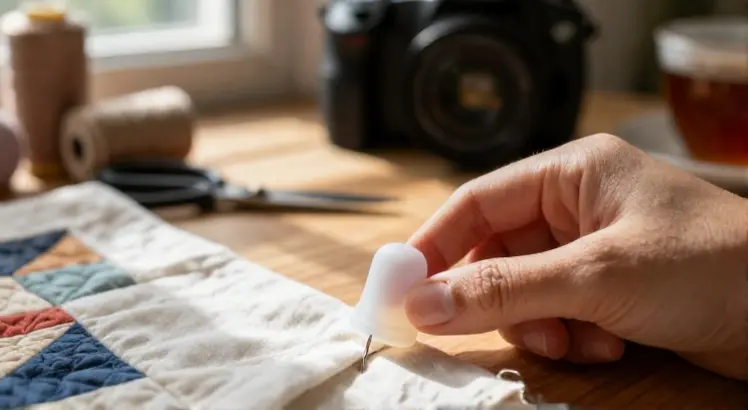
If you’ve ever pushed a hand-sewing needle through thick fabric, you know the pain of a needle digging into your fingertip. That’s exactly why thimbles exist. But do silicone thimbles work, or are they just a gimmick compared to traditional metal or leather versions? The short answer is yes, silicone thimbles work extremely well for most hand sewing, quilting, and embroidery tasks, but they aren’t perfect for every situation. In this guide, you’ll learn how they work, their real pros and cons, and whether they deserve a spot in your sewing kit.
What Are Silicone Thimbles?
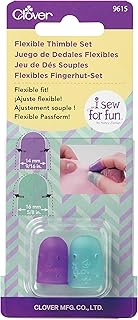
Clover I Sew for Fun Flexible Set Thimble, Purple and Blue
Check PriceSilicone thimbles are flexible finger protectors made from soft, rubbery silicone. Instead of a hard metal shell, they have a slightly stretchy body that hugs your fingertip or thumb. Most designs have a dimpled or ridged surface on the tip or side. That texture catches the end of a hand-sewing needle so it doesn’t slip while you push it through fabric. Some silicone thimbles cover the entire fingertip.
Others have an open design that leaves your nail exposed, which many sewists find more comfortable. They usually come in small, medium, and large sizes, and you can often buy them in multi-packs. If you’re comparing styles, our guide to the best thimbles for hand sewing covers leather, metal, and silicone options.
Do Silicone Thimbles Work for Hand Sewing?
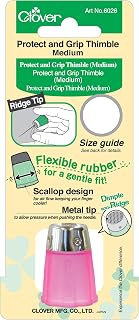
Clover Protect & Grip Thimble Medium
Check PriceYes, silicone thimbles work very well for most hand sewing. They give you a comfortable layer of grip and protection that helps you push needles through fabric without pain. The key is that they work differently than metal thimbles. A metal thimble has a hard surface with deep dimples that catch the needle eye and stop it from slipping. A silicone thimble uses softness and surface texture to create friction. That friction helps you control the needle and reduces pressure on your finger.
However, silicone thimbles work best for light to medium hand sewing. If you regularly sew heavy denim, leather, or multiple layers of canvas, a rigid metal thimble may protect you better. For everyday mending, embroidery, and quilting, silicone is often more comfortable and easier to use.
Key Benefits of Silicone Thimbles
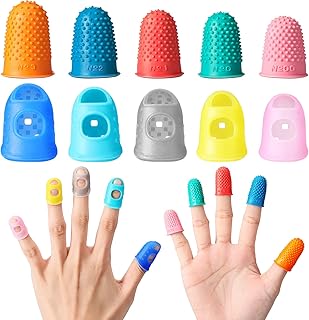
Zonon 20 Pcs Rubber Thimble Finger Protector, Blue
Check PriceMany sewists prefer silicone thimbles because they solve common complaints about traditional thimbles. Here are the main advantages:
- Comfortable fit: Soft silicone bends with your finger instead of pinching.
- Strong grip: Dimpled tips help prevent needle slippage.
- Lightweight feel: You may hardly notice it after a few stitches.
- Washable: Soap and water remove skin oils and fabric dust.
- Affordable: Multi-packs cost less than premium leather or silver thimbles.
- Beginner-friendly: There’s no break-in period or rigid sizing.
Potential Drawbacks to Know
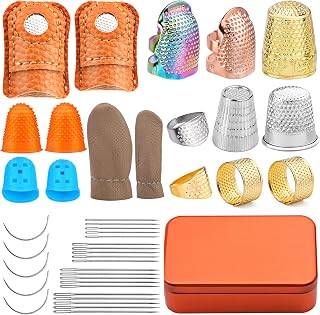
Mnuizu Sewing Thimble Set Thimble Ring, Adjustable Metal Finger Protectors
Check PriceOf course, no thimble is perfect. Silicone thimbles have some limitations you should consider before buying.
- Not puncture-proof: Very sharp needles can push through thin silicone.
- May stretch over time: Frequent use can loosen the fit.
- Limited heavy-duty protection: Not ideal for thick leather or upholstery.
- Sizing can vary: Some brands run small or large.
- Can feel warm: Less breathable than open-sided leather thimbles.
If you mostly sew quilting cotton, linen, or lightweight garments, these drawbacks are minor. The real risk is assuming a thin silicone cap will protect you during forceful needle pushing.
Silicone vs. Metal vs. Leather Thimbles
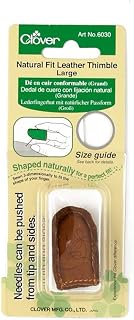
Clover Natural Fit Leather Thimble Large
Check PriceSilicone vs. Metal Thimbles
Metal thimbles are the traditional choice. They provide maximum puncture resistance and last for decades. The downside is they can feel heavy, clammy, and hard to size. Silicone thimbles trade some of that protection for a lighter, more forgiving fit. If your needle often slips, metal’s deep dimples may grip better. If you want all-day comfort, silicone wins.
Silicone vs. Leather Thimbles
Leather thimbles mold to your finger and breathe well. They offer decent puncture resistance and a natural feel. However, leather can stretch, stiffen, or absorb sweat over time. Silicone is easier to clean, provides consistent grip in wet or dry conditions, and usually costs less. Many quilters keep both types in their toolkit.
How to Choose the Right Silicone Thimble
To get a silicone thimble that actually works for you, pay attention to these factors:
- Finger size: Use a flexible tape measure around the widest part of your finger. If between sizes, choose the smaller for a snug fit.
- Texture placement: If you push with the side of your finger, look for side-grip texture, not just a dimpled tip.
- Thickness: Thinner caps give more sensitivity; thicker caps protect better for heavier work.
- Coverage: Full-coverage thimbles protect more, but open-top styles feel cooler.
- Material quality: Food-grade or medical-grade silicone tends to last longer and resist tearing.
Also, think about your needle choice. A silicone thimble works best when paired with sharp, high-quality hand sewing needles. Dull needles require more force, which can shorten the thimble’s life and reduce its grip.
Tips for Using Silicone Thimbles Effectively
Even a good silicone thimble won’t work well if you use it incorrectly. Try these practical tips:
- Wear it on your middle finger or thumb, depending on how you hold a needle.
- Don’t push too hard; let the needle do the work.
- Rotate the thimble slightly if the needle starts slipping.
- Remove it during breaks to reduce moisture buildup.
- Wash it with mild soap weekly to restore grip.
- Store it away from direct sunlight to prevent silicone from degrading.
If you’re new to thimbles, learning proper hand position makes a big difference. This detailed guide to using a thimble correctly explains where to place the needle and how much pressure to use.
Frequently Asked Questions
Do silicone thimbles protect against sharp needles?
Yes and no. A quality silicone thimble resists moderate pressure from a sharp needle. But it is not as puncture-proof as a metal thimble. For fine quilting needles and light mending, protection is enough. If you push hard with a heavy needle, you may feel the point through the silicone.
Can I wear a silicone thimble on my thumb?
Absolutely. Many sewists wear a thimble on the thumb if they push the needle with the side of the thumb. Choose a style with texture on the pad or side of the thimble. Make sure the size fits your thumb snugly, since thumbs are wider than fingers.
How long do silicone thimbles last?
With regular use, a good silicone thimble can last several months to a year. Thin, inexpensive versions may stretch out or tear sooner. Harsh needles, excessive force, and direct sunlight can shorten their lifespan. Multi-packs help because you can rotate two or three thimbles.
Are silicone thimbles good for quilting?
Yes. Quilters often prefer silicone thimbles for the light grip they provide during hand quilting. They reduce fingertip fatigue without the heaviness of metal. For very thick quilt sandwiches, you may still want a leather or metal thimble on your hardest-working finger.
Do silicone thimbles help with embroidery?
They can. Hand embroiderers use thimbles to push needles through tight fabric weaves. Silicone gives you tactile feedback and prevents slipping. Some embroiderers prefer an open-tip silicone thimble so they can feel the fabric with their fingernail.
Conclusion: Are Silicone Thimbles Worth It?
So, do silicone thimbles work? For the vast majority of hand sewists, yes. They’re comfortable, grippy, washable, and beginner-friendly. They won’t replace a metal thimble for heavy-duty sewing, but they are an affordable and practical addition to your sewing kit. If you’re on the fence, buy a small multi-pack, try different sizes, and pair them with quality hand sewing needles. You’ll likely find that your fingers feel better and your stitches become more even.
